


THE WORLD’S MOST 25 SIGNIFICANT HERITAGE SITES IN NEED OF IMMEDIATE ATTENTION
The World Monuments Fund has released its 2022 World Monuments Watch list, a selection of 25 sites from across the globe that hold great cultural and heritage significance but is being faced with economic, political, or natural threats. This year’s selection highlights themes of global issues such as climate change, imbalanced tourism, underrepresentation, and recovery from the crisis, urging for prompt preservation plans.
Launched in 1996, the World Monuments Watch announces a list every two years featuring sites nominated by global community-based organizations and individuals. Since the program’s inception, the organization has raised awareness about heritage places in need of protection and has contributed more than $110 million towards projects with an additional $300 million from external sources. This year, the list included 24 countries with nearly 12,000 years of history, highlighting how global challenges take a heavy toll on heritage sites. The 2022 open call resulted in more than 225 nominations that underwent internal and external review by the International Council on Monuments and Sites (ICOMOS) and an independent panel of international heritage experts.
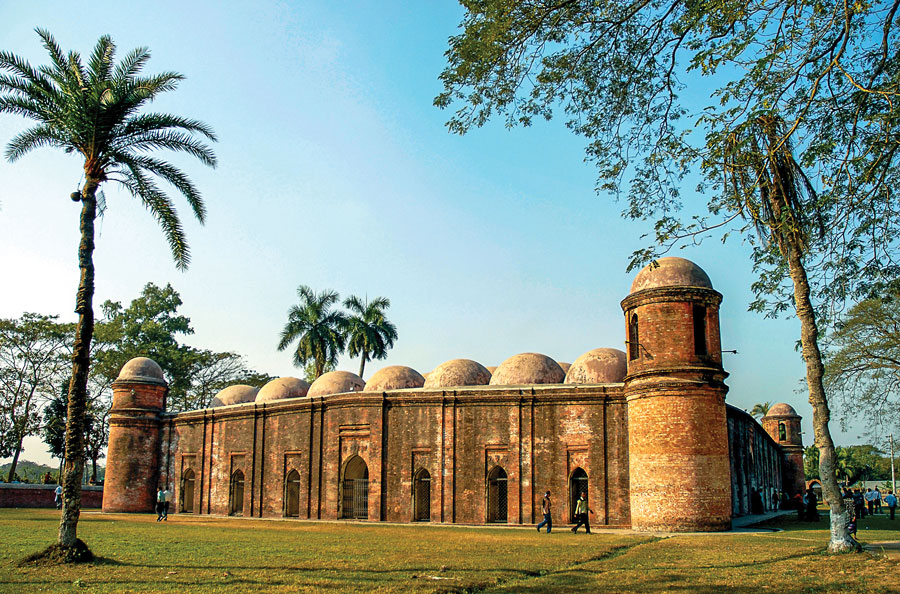
The religious landscape of ancient Khalifatabad requires climate adaptation to ensure its survival and continued service to the Bagerhat community.

A survivor-led effort seeks to transform a former government institution for Aboriginal boys forcibly taken from their families into a place of truth-telling and healing.

An important landmark and unique example of African modernism in Burkina Faso requires rehabilitation to enhance public life and foster civic pride.

World Monuments Fund (WMF) has nominated Jahangir’s Mausoleum Complex as one of the 25 heritage sites on the World Monuments Watch. The WMW selection is of globally recognized heritage sites whose preservation is urgent and vital to the communities surrounding them. The site was nominated by Cultural Heritage Conservationist Yasmin Cheema and her team, in partnership with National Engineering Services Pakistan (NESPAK), with generous support from the Directorate General of Archaeology, Punjab. The 17th-century Mausoleum Complex of Emperor Jahangir is the only Mughal Emperor funerary complex in Pakistan and has the Outstanding Universal Value of being the only single-storied commemorative structure for a Mughal Emperor. The tomb is still intact, providing a glimpse of the splendor of Mughal architecture and the intangible cultural heritage of the era. According to Professor Yasmin Cheema, Jahangir’s tomb complex faces many challenges, including the effects of climate change. Once on the Watch, a proper conservation plan will be developed by a multidisciplinary team of conservation experts to conserve and restore the buildings in the complex to their authentic and original form and to rejuvenate the Chahar bagh (paradise garden) with the involvement of the traditional artisans and the communities living in the surrounding areas.
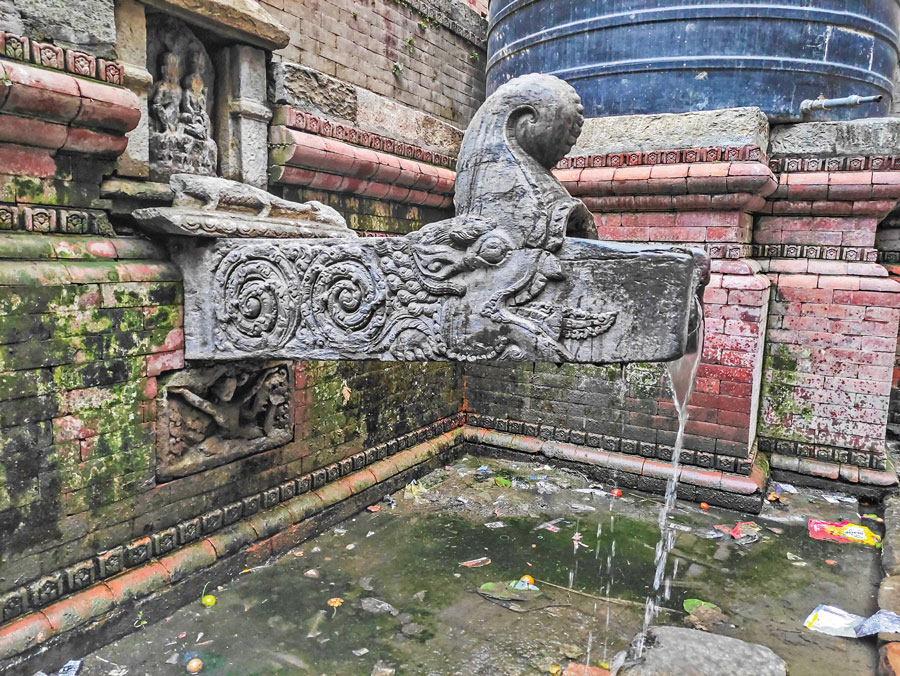
An extensive system of historic water distribution points and underground channels needs maintenance to ensure that local communities have reliable access to clean water.
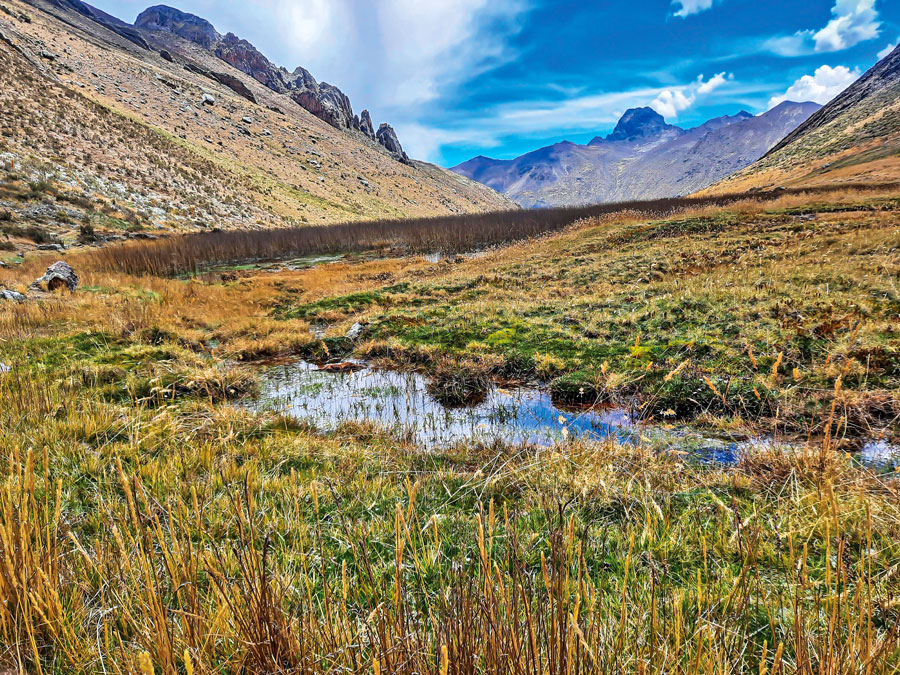
Ancient pre-Inca water management systems and sustainable tourism planning are crucial for an Andean community to adapt to climate change and provide local economic benefit.

An international tourist destination encompassing an ancient Maya city requires a more inclusive heritage management plan to help reinforce the relationship between the site and local residents.

Prehistoric cave paintings in the Amazon are threatened by environmental degradation and call for improved stewardship that engages and benefits nearby communities.

Tourism and encroachment at one of Ancient Egypt’s most important sites require technical expertise and careful planning to support sustainable preservation.
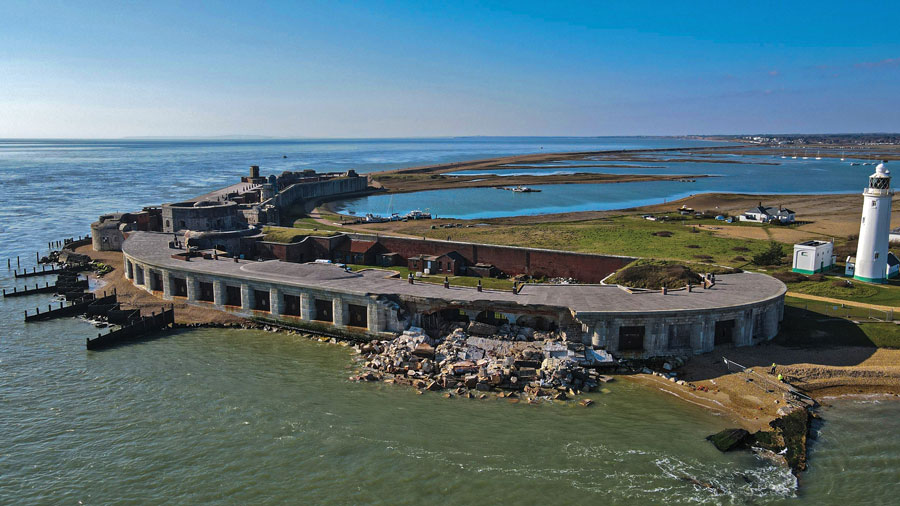
A fortress built by Henry VIII that suffered partial collapse in 2021 illustrates the urgent need to address the impact of climate change on coastal heritage through continued monitoring.

Fortified family homes in remote southeast China present an opportunity for rural revitalization, community-led environmental management, and sustainable tourism.

The sacred houses of the Sumbanese people will be lost without community-led training in the traditional knowledge necessary to maintain these structures and their layers of symbolic meaning.

India’s earliest Chinatown is home to minority communities seeking recognition for their history and urban revitalization to supporting their way of life.
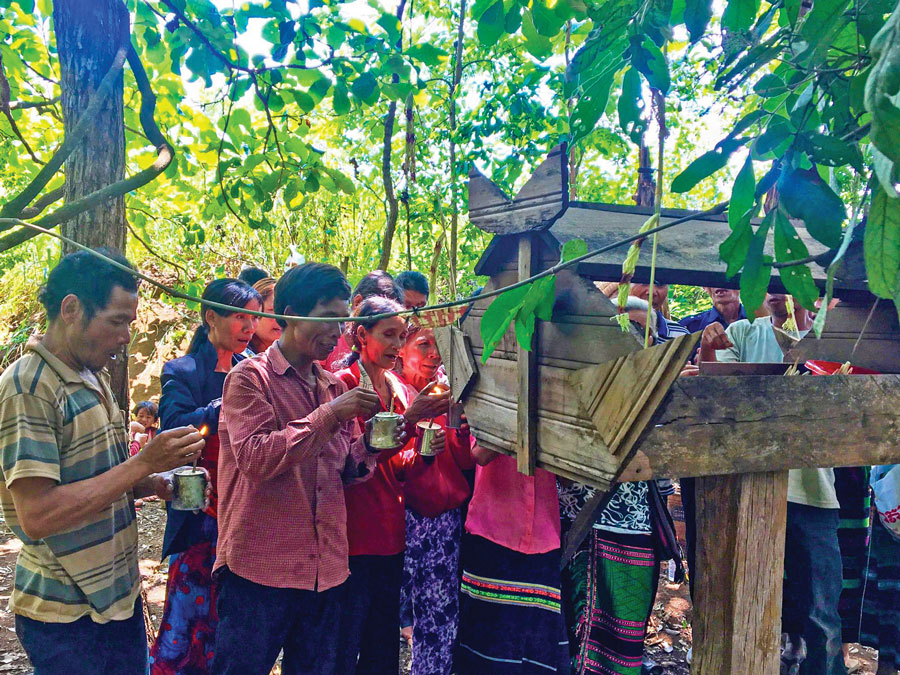
Mapping and documentation of heritage places can support the Bunong people’s struggle to protect ancestral land from agro-industrial development and encroachment.

Sacred earthen shrines, among the last architectural vestiges of the Kingdom of Asante, face ongoing deterioration that call for new approaches to management and maintenance.

The vibrant coastal city of Beirut, devastated by the blast of August 2020, needs further recovery support to protect and rehabilitate the historic buildings essential to its identity.

Revival of an important public square in war-ravaged Benghazi can catalyze recovery efforts and serve as a symbol of community-driven urban resilience.
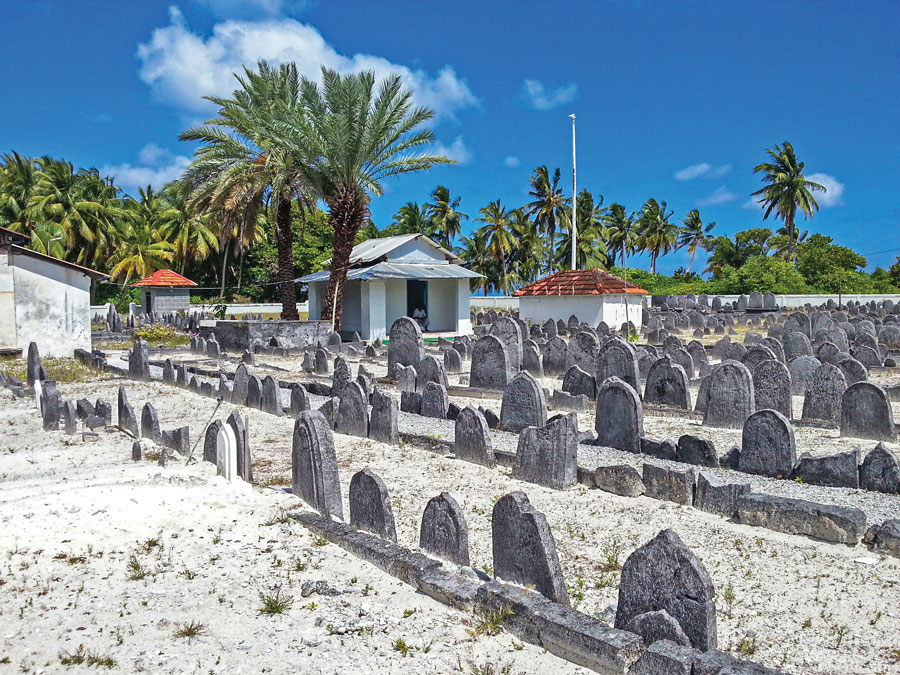
A historic waterfront cemetery with distinct coral-stone architecture is threatened by rapidly rising seas and highlights the urgency of the climate crisis and the need for adaptive preservation solutions.
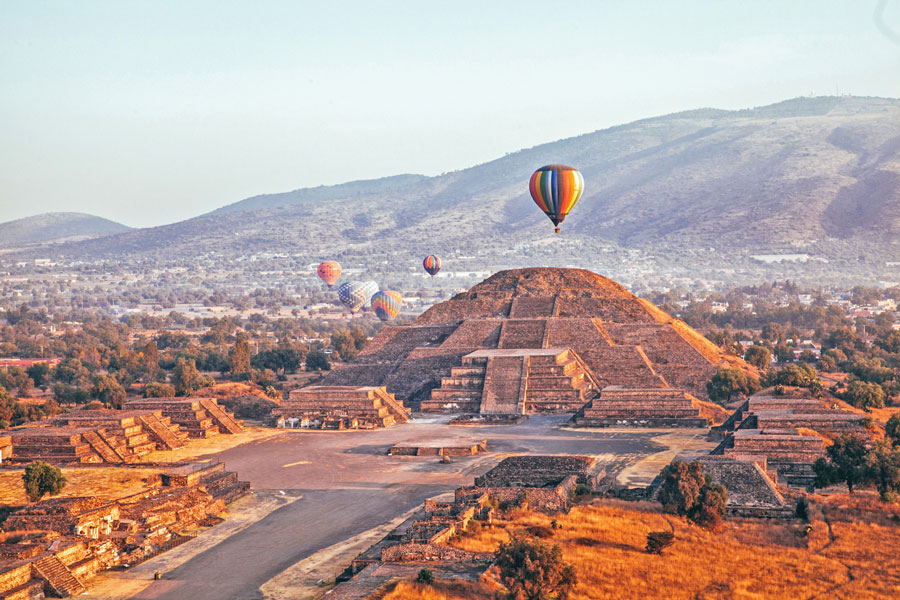
More inclusive tourism planning and visitor management at an iconic archaeological park can help address economic challenges facing surrounding communities.

Mid-century murals by Afro-Portuguese artist José de Almada Negreiros need conservation to promote underrepresented narratives and serve as a catalyst for port revitalization.

Cultural mapping and restoration of a grand synagogue can bring renewed visibility to Jewish heritage in western Romania and promote local social cohesion.

Royal pyramids of the ancient Kingdom of Kush threatened by environmental factors require renewed management strategies and conservation interventions to prevent further deterioration.

A historic Alabama community established by formerly enslaved Africans is seeking support to leverage a recent archaeological discovery to protect their homes and call for environmental justice.

The traditional territory of the Carrizo Comecrudo Tribe of Texas threatened by natural resource extraction and desecration of ancestral lands requires formal legal recognition to ensure its future.

The Soqotri people seek to protect and promote their identity through cultural mapping and inventory of their rich heritage across the island of Soqotra.


