


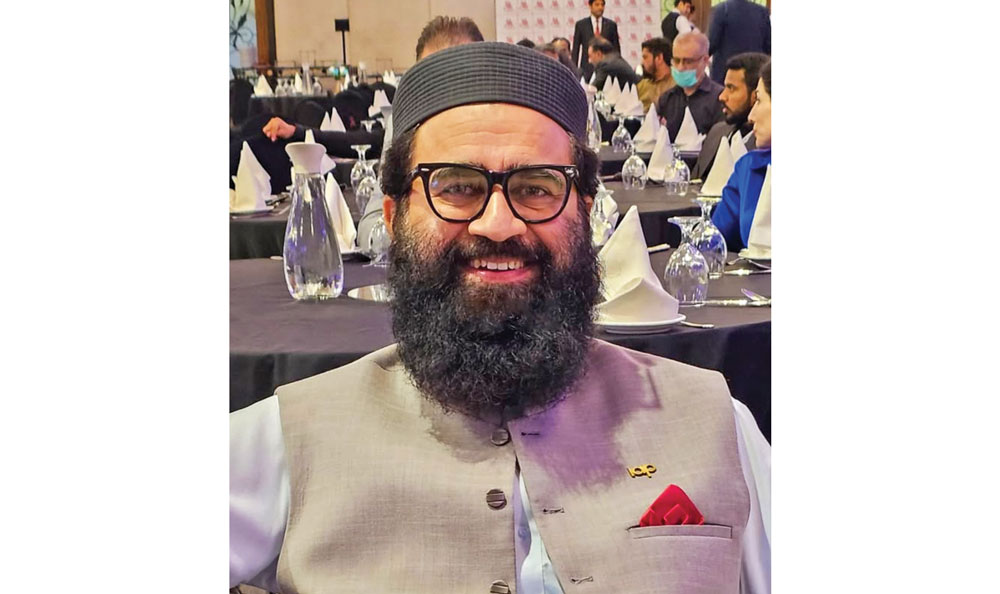
Vice President, Institute of Architects Pakistan (IAP)
Interview by Anzalna Wazir | Photos Credit: Architects
Architect Muhammad Tahir Khattak is the Vice President of the Institute of Architects Pakistan (IAP), Deputy President of EAROPH Pakistan, and Principal Architect & CEO of Wadaan Consultants. A respected architect, urban planner, and professional leader, he has made significant contributions to architecture, sustainable urban development, and heritage conservation in Pakistan. Through his leadership in both professional organizations and private practice, he continues to promote design excellence, innovation, and responsible development in the built environment.
TELL US ABOUT YOUR EARLY LIFE, PROFESSIONAL EDUCATION, AND YOUR BACKGROUND.
MUHAMMAD TAHIR KHATTAK (MTK): I hail from “Teri”, a village in district Karak, and raised in Khyber Pakhtunkhwa, where the rich cultural traditions, historic settlements, and diverse landscapes left a lasting impression on my understanding of the built environment. I received my early education at Police Public School, Peshawar, completed my F.Sc. from Islamia College Peshawar. From an early age, I developed a keen interest in drawing, history, and the way people interact with spaces around them.
I pursued my Bachelor of Architecture from the National College of Arts (NCA), Lahore, one of Pakistan’s most prestigious institutions for architectural education. My desire to understand not only buildings but also the broader processes that shape cities led me to further acquire an MBA from the Institute of Management Studies, University of Peshawar, followed by a Master’s degree in Urban Planning from the National Institute of Urban Infrastructure Planning (NIUIP), University of Engineering and Technology, Peshawar.
These academic experiences provided me with a multidisciplinary understanding of architecture, management, planning, and development. Today, I serve as Principal Architect and CEO of Wadaan Consultants, where I lead a team of architects, engineers, planners, and conservation specialists working on projects throughout Pakistan.
WHAT COMPELLED YOU TO PURSUE A CAREER IN ARCHITECTURE?
MTK: Although I knew very little about Architecture as a profession before getting admission at NCA Lahore, Architecture started appealing to me because it combines creativity, science, technology, culture, and social responsibility. It is one of the few professions where imagination can be transformed into a tangible reality that directly affects people’s lives.
I was particularly fascinated by the ability of architecture to influence human behavior, preserve cultural identity, and improve communities. The opportunity to create spaces that are functional, beautiful, and meaningful inspired me to choose architecture as my lifelong profession.
HAVE YOU WORKED WITH ANY OTHER ARCHITECTURE FIRM BEFORE STARTING YOUR FIRM?
MTK: Like many architects, I gained valuable professional exposure through collaborations and practical engagements before establishing my own practice. I worked with Agha Khan Cultural Services Pakistan, Archeology Department KP, Peshawar Development Authority, Ar. Abdul Qayum Khan (Architects Bureau), and Ar. Zulfiqar Ali (Mascot Consultants) These experiences helped me understand architectural design, cultural heritage conservation, project management, professional ethics, construction processes, and client relations.
The lessons learned during those formative years provided the confidence and experience necessary to establish Wadaan Consultants, which has since evolved into a multidisciplinary consultancy engaged in architecture, urban planning, engineering, interior design, and heritage conservation.
WHAT WAS YOUR FIRST PROJECT?
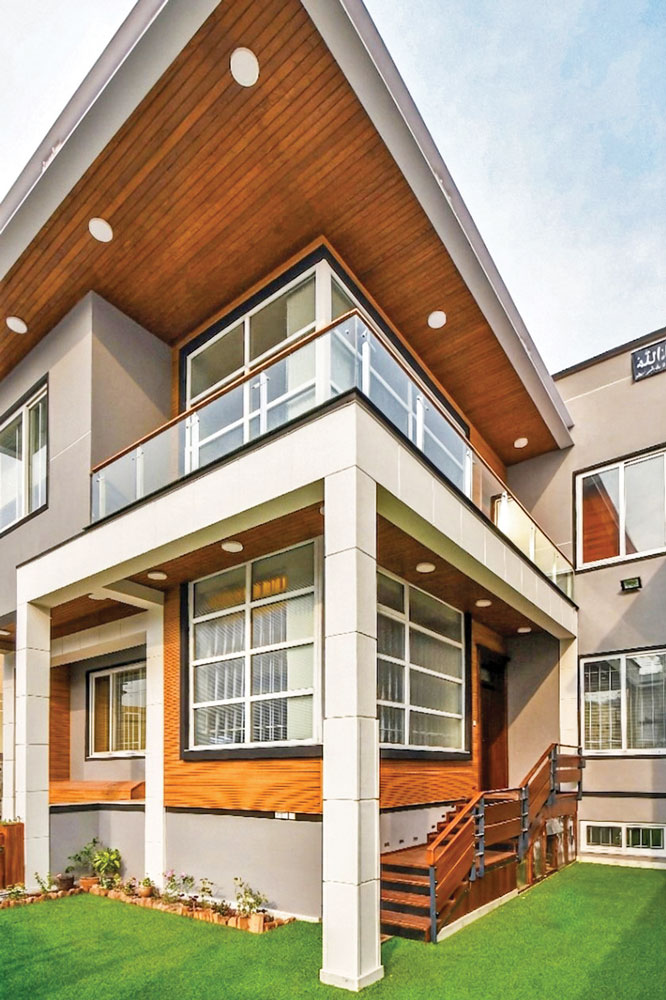
MTK: My earliest projects were residential commissions that allowed me to understand the intimate relationship between architecture and everyday life. Designing homes taught me the importance of listening to clients, understanding cultural values, and creating spaces that respond to the needs and aspirations of their users.
Although modest in scale, these projects laid the foundation for my professional growth and reinforced my belief that every project, regardless of size, deserves the same level of dedication and creativity.

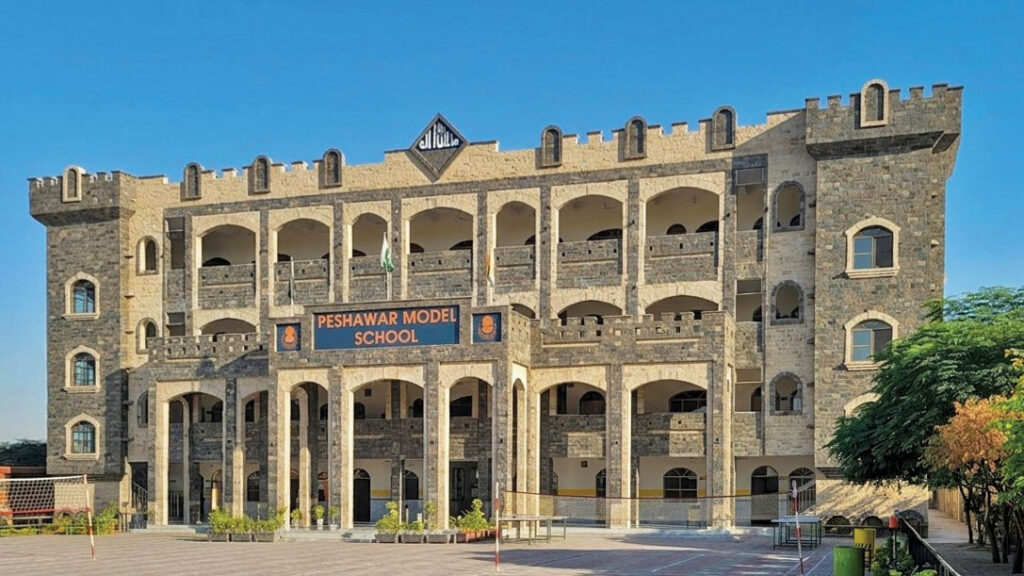
WHAT IS YOUR DESIGN PHILOSOPHY AND METHODOLOGY?
MTK: My design philosophy is rooted in the belief that architecture should be contextual, sustainable, culturally responsive, and people centered.
I believe every project should emerge from a careful understanding of its site, climate, history, social context, and functional requirements. Rather than imposing a predetermined style, I prefer allowing the project itself to guide the design process.
My methodology generally begins with research and analysis, followed by conceptual development, stakeholder engagement, environmental considerations, and technical refinement. I place great emphasis on daylighting, passive climate control, energy efficiency, human comfort, and the creation of meaningful social spaces.
Architecture should not only solve present-day problems but should also remain relevant and adaptable for future generations.
WHICH OF YOUR PROJECTS DO YOU FEEL BEST REFLECTS YOUR DESIGN PHILOSOPHY AND WHY?
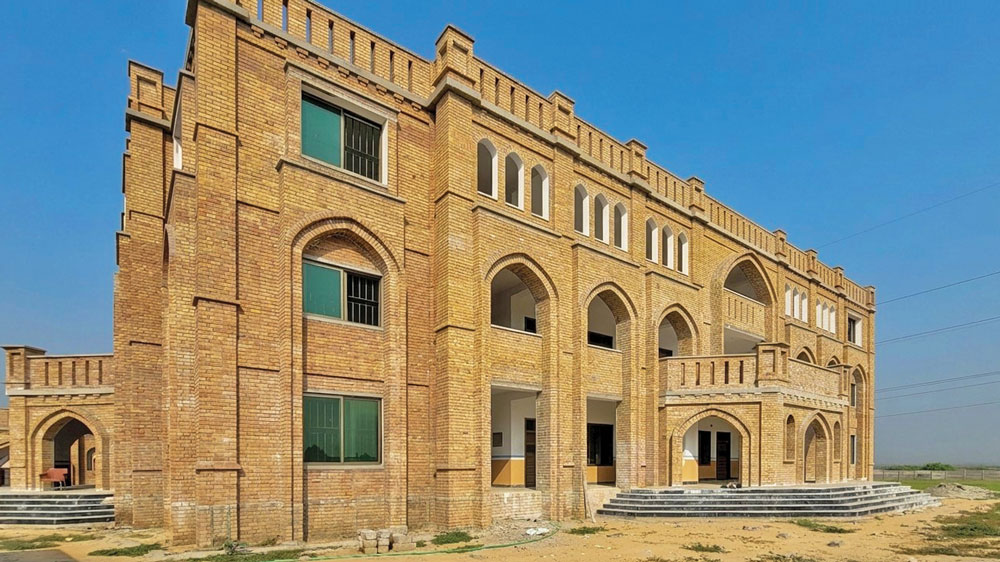
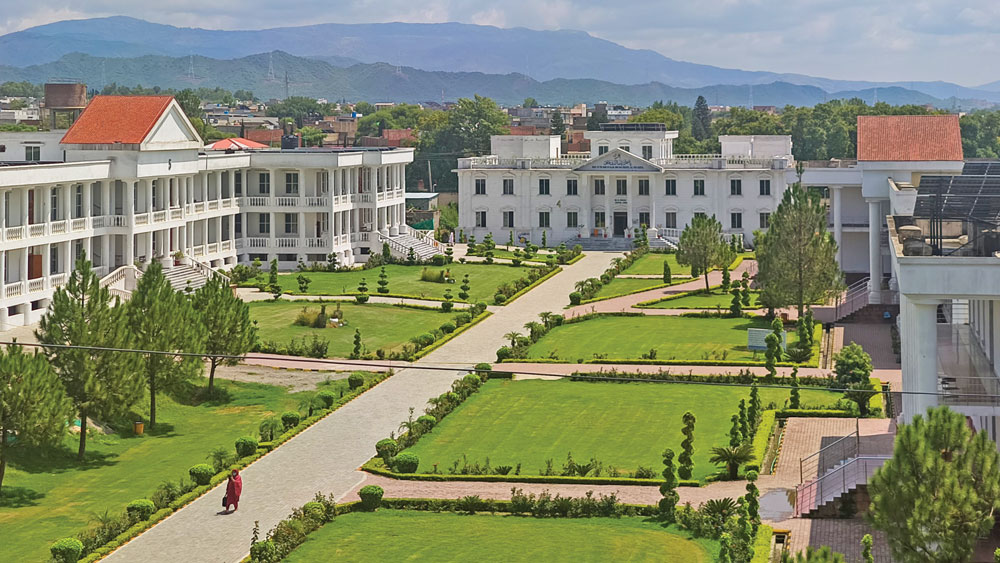
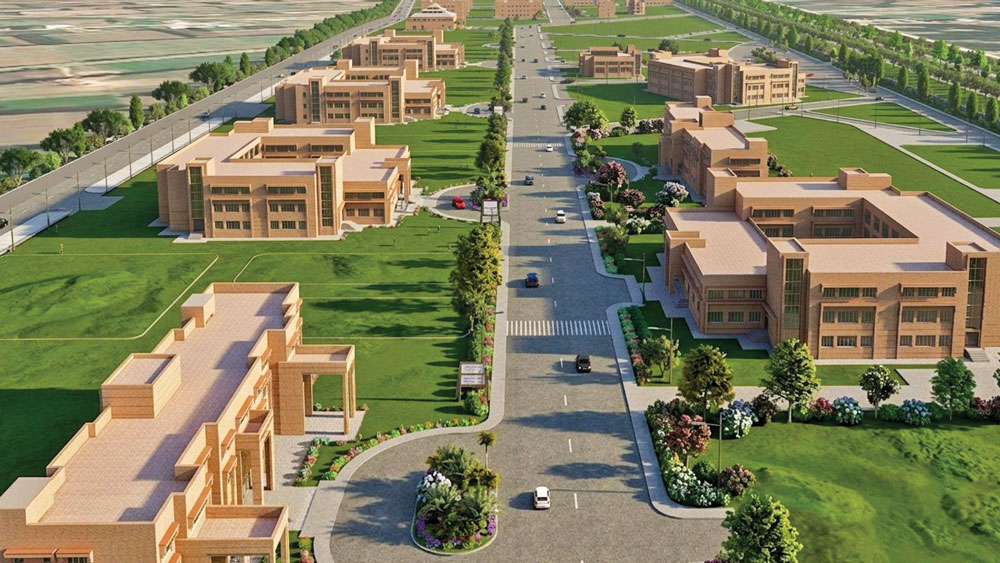
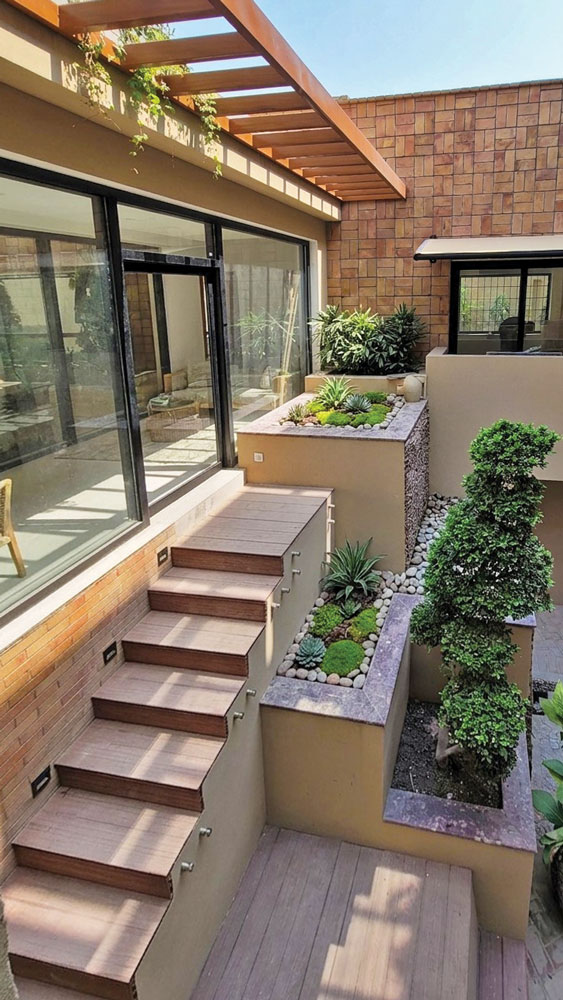
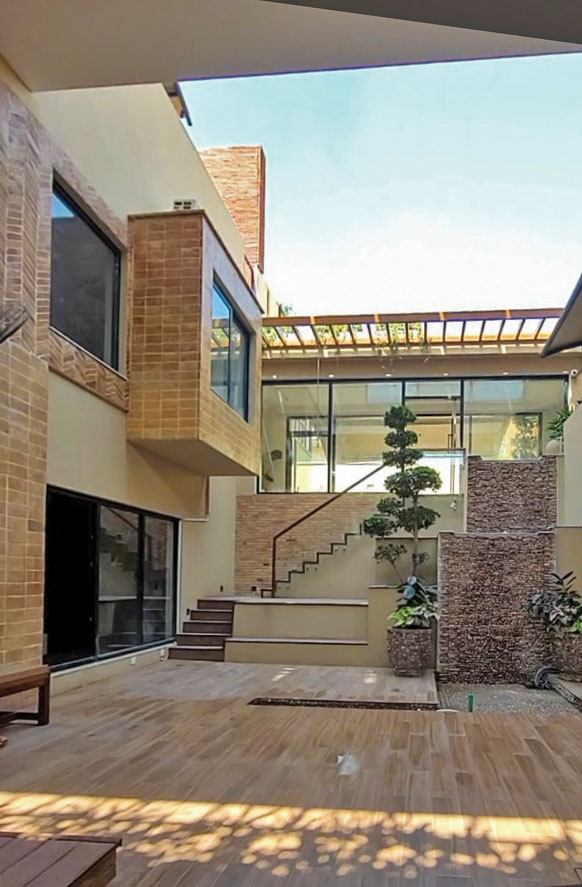
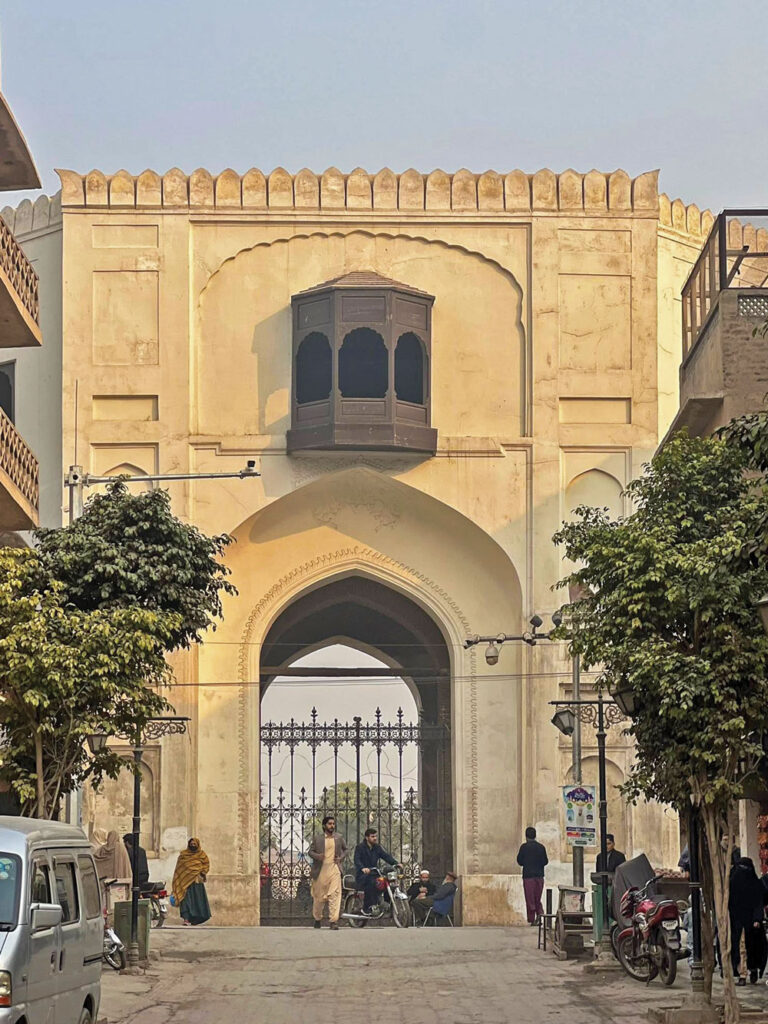
MTK: Several projects reflect different aspects of my design philosophy, but Lifecare Hospital Peshawar, Deans Apartment Islamabad, Prime Apartments Peshawar, Bacha Khan University Charsadda, University of Haripur, Abbottabad Campus of UET Peshawar, Pak-Austria Fachhochschule Institute of Applied Sciences and Technology Haripur, the conservation and restoration of the Western Gate of Gor Khatri, and portions of Sethi House, the Mastuj Fort Conservation Project stand out.
The heritage projects demonstrate my commitment to preserving cultural identity through minimum intervention, authenticity, and respect for traditional building technologies.
The Pak-Austria Fachhochschule project reflects my approach toward contemporary educational architecture by creating sustainable, climate-responsive environments that enhance learning and social interaction.
Together, these projects represent the balance between tradition and innovation that defines my architectural thinking.

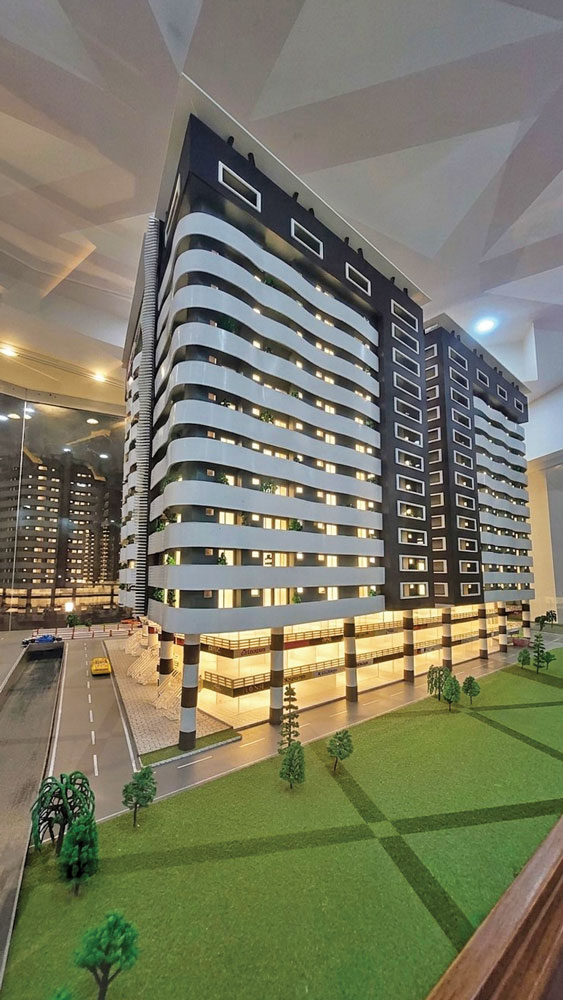
WHAT TYPE OF PROJECTS HAVE YOU DESIGNED?
MTK: Over the years, I have had the privilege of working on a diverse range of projects, including educational institutions, healthcare facilities, residential developments, commercial buildings, mixed-use developments, interior design projects, urban planning assignments, and heritage conservation projects.
Some notable projects include universities, hospitals, heritage sites, corporate interiors, residential communities, and public-sector developments. This diversity has enriched my understanding of architecture and strengthened my ability to respond to varying design challenges.
PLEASE TELL US ABOUT PESHAWAR’S ARCHITECTURE AND HERITAGE. WHAT IS THE SIGNIFICANCE OF THIS CITY?
MTK: Peshawar is one of the oldest continuously inhabited cities in South Asia and a living repository of history, culture, and architecture.
Its strategic location on historic trade routes made it a gateway connecting Central Asia, South Asia, and the Middle East. The city’s urban fabric contains layers of Buddhist, Hindu, Mughal, Sikh, British Colonial, and contemporary influences.
Historic sites such as Gor Khatri, Sethi House, Mahabat Khan Mosque, Bala Hisar Fort, and the Walled City represent centuries of cultural evolution. The new developments at Hayatabad and DHA has not taken a specific regional style yet, but most of the contemporary architecture being practiced is the same as all over the country. Unfortunately, the indigenous wisdom is completely ignored.
Peshawar’s significance lies not only in its monuments but also in its traditional urban patterns, community spaces, craftsmanship, and intangible heritage. Preserving this legacy is essential for maintaining the city’s identity and passing it on to future generations.
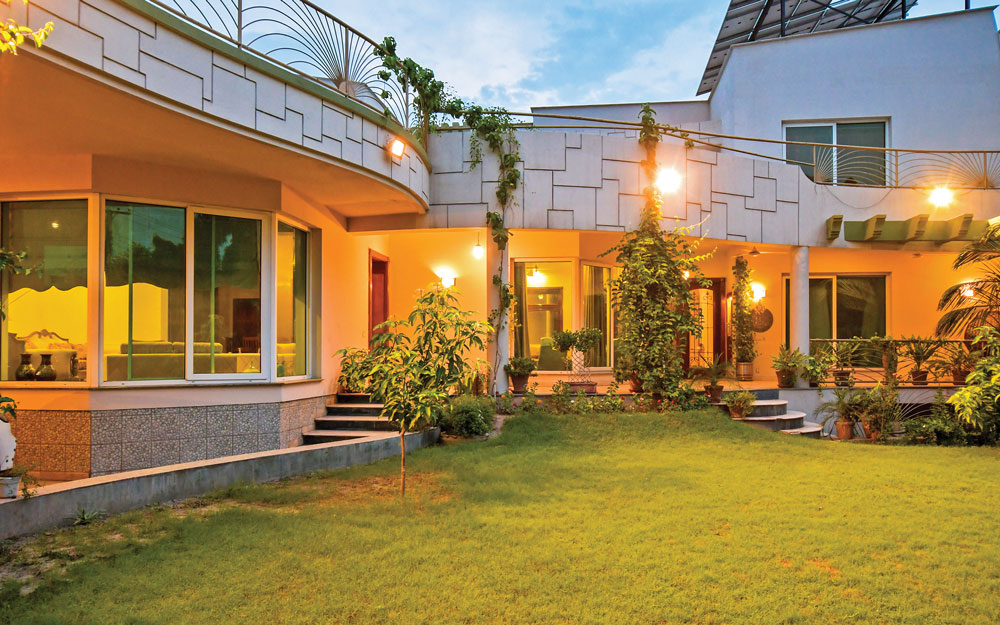
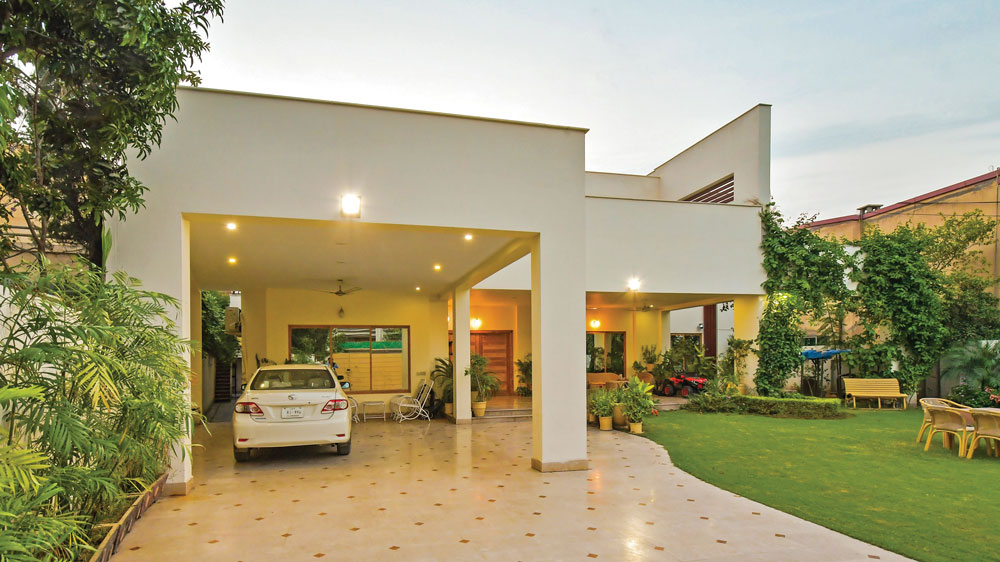
WHAT IS THE IAP DOING TO PRESERVE PESHAWAR’S RICH ARCHITECTURAL HERITAGE? BUILDER MAFIA IS DESTROYING PAKISTAN’S ARCHITECTURAL HERITAGE.
MTK: The Institute of Architects Pakistan has consistently advocated for the protection of heritage assets through awareness campaigns, professional engagement, policy recommendations, and technical support.
Architects have repeatedly highlighted the need for stronger heritage legislation, proper documentation, adaptive reuse strategies, and public awareness. Unfortunately, rapid urbanization, weak enforcement mechanisms, and commercial pressures continue to threaten historic environments throughout Pakistan.
The solution lies in creating a balance between development and conservation. Heritage should not be viewed as an obstacle to progress but as an asset that contributes to cultural identity, tourism, education, and economic development.
Professional organizations, government agencies, developers, and civil society must work together to ensure that our architectural heritage survives for future generations.
ON IAP AND PROFESSIONAL ISSUES
YOU ARE A VICE PRESIDENT OF IAP. WHAT ARE THE RESPONSIBILITIES OF THE VICE PRESIDENT?
MTK: The Vice President assists the President in implementing the objectives of the Institute and contributes to strategic planning, policy formulation, professional development initiatives, and institutional governance.
The role also involves supporting chapters across Pakistan, strengthening professional standards, facilitating dialogue with stakeholders, and representing the Institute at national and international forums whenever required.
WHAT ARE THE REFORMS AND INITIATIVES YOU HAVE TAKEN AFTER ASSUMING THE IAP VICE PRESIDENT OFFICE FOR THE BETTERMENT OF THE ARCHITECTURE PROFESSION?
MTK: My focus has been on strengthening the governance, professional engagement, improving communication between chapters, supporting emerging architects, promoting continuing professional development, and advocating for architects’ rights and recognition. I have been closely overseeing the proposed constitutional amendments aimed at strengthening the Institute’s governance and ensuring its effective and efficient functioning.
I have actively contributed to discussions on professional practice, heritage conservation, architectural education, regulatory matters, and policy issues affecting the profession. Strengthening collaboration with government institutions and international organizations has also been an important priority.
YOU ARE SIMULTANEOUSLY RUNNING THE IAP VICE PRESIDENT, DEPUTY PRESIDENT EAROPH OFFICES AND YOUR FIRM. PLEASE TELL US HOW YOU ARE MANAGING THESE OFFICES AND TIME?
MTK: Effective time management, delegation, teamwork, and clear prioritization are essential.
I am fortunate to work with dedicated colleagues both within my professional practice and professional organizations. Strong systems, disciplined scheduling, and a commitment to teamwork enable me to balance these responsibilities.
I view leadership not as an individual effort but as a collective endeavor where capable teams work toward shared objectives.
HOW DO YOU SEE THE ROLE OF IAP IN SAFEGUARDING THE INTERESTS OF ARCHITECTS AND THE PROFESSION?
MTK: The Institute of Architects Pakistan (IAP) serves as the collective voice of the architectural profession in the country. It plays a pivotal role in promoting professional excellence, advocating for progressive policy reforms, supporting architectural education, safeguarding the interests of architects, and fostering the highest standards of ethics and professional practice, but IAP has certain limitations when it comes to enforcement of the law as a statutory body
The Pakistan Council of Architects and Town Planners (PCATP), on the other hand, is the statutory regulatory body established under the relevant Ordinance to protect and uphold the legal rights of architects and town planners. Vested with the necessary legal authority and enforcement mechanisms, the Council is empowered to respond to any infringement upon the profession or its practitioners. It must therefore remain vigilant, proactive, and responsive to the challenges confronting the profession, with particular attention to the concerns and aspirations of young architects, who represent the future of architecture in Pakistan.
Unfortunately, the profession has witnessed a reluctance on the part of the Council to take timely and substantive action against certain development authorities whose policies and practices have undermined the legal rights of architects. Likewise, the persistent and growing menace of quackery, both through online platforms and physical practice across the country continues to erode professional standards and public confidence. These challenges demand decisive enforcement of the law, consistent regulatory oversight, and a firm commitment to protecting the integrity of the architectural profession.
As the profession faces increasing challenges from commercialization, technological disruption, and regulatory complexities, the role of IAP becomes even more important in safeguarding the integrity and future of architecture.
CAN YOU HIGHLIGHT THE IAP AND EAROPH APPROACH AND ROLE TO STRENGTHEN RELATIONS WITH MEMBER COUNTRIES?
MTK: Both IAP and EAROPH recognize that contemporary challenges require international collaboration and knowledge exchange.
Through conferences, professional exchanges, research initiatives, educational programs, and collaborative platforms, we seek to strengthen relationships among member countries. Such engagement promotes mutual learning in areas including sustainable development, urban resilience, heritage conservation, housing, and climate-responsive design.
International cooperation enriches professional practice and contributes to the advancement of architecture and urban development throughout the region.
WHAT DO YOU THINK ABOUT THE CHALLENGES AND DIFFICULTIES TODAY’S PROFESSION OF ARCHITECTURE IS FACING?
MTK: The architectural profession today is confronted with a multitude of challenges, including rapid urbanization, climate change, technological disruption, unhealthy fee competition, declining professional recognition, and the increasing complexity of projects. At the same time, employment opportunities for architects are shrinking, placing immense pressure on young professionals entering the field.
A particularly alarming trend is the manner in which certain development authorities are systematically diminishing the role of architects within their jurisdictions. Through monopolistic practices and restrictive policies, they compel applicants to procure architectural design services exclusively from their in-house design cells, effectively denying independent architects the opportunity to compete and practice their profession. Such actions not only undermine the legal rights of registered architects but also distort the principles of fair competition and professional independence.
These are the issues on which our statutory regulator must take an unequivocal stand. The Pakistan Council of Architects and Town Planners (PCATP) must rise to its mandate by proactively defending the profession against such encroachments, enforcing the law without compromise, and safeguarding the opportunities that rightfully belong to architects particularly the younger generation, whose future depends upon a fair and professionally regulated environment. The time for passive observation has passed; what is now required is decisive leadership, timely intervention, and sustained institutional action.
Architects must continuously adapt to changing technologies while maintaining their core responsibility toward society and the built environment.
Climate resilience, sustainability, affordable housing, heritage preservation, and urban regeneration will increasingly define the future of architectural practice. The profession must respond proactively to these challenges through innovation, research, and collaboration.
WHAT ARE YOUR COMMENTS ABOUT THE START OF THE IAP-ZRK ARCHITECT SERIES?
MTK: I warmly welcome the IAP-ZRK Architect Series and commend ARCHI TIMES for initiating this valuable platform.
Documenting the experiences, ideas, and professional journeys of architects is essential for preserving institutional memory and inspiring future generations. Such initiatives help bridge the gap between experienced practitioners, emerging professionals, students, and the wider public.
I believe this series will become an important educational resource that highlights the diversity, achievements, and contributions of Pakistani architects while promoting a deeper understanding of architecture and its role in society.

Closing Remarks
Architecture is ultimately a service to humanity. Buildings, cities, and heritage places shape the way we live, work, learn, and interact. As architects, we have both the privilege and responsibility of influencing that future.
I remain optimistic about the future of architecture in Pakistan. Our young architects possess immense talent and creativity. With stronger institutions, better policies, and a commitment to excellence, I believe Pakistan can emerge as a leading contributor to architectural thought, sustainable development, and heritage conservation in the region.
I am grateful to ARCHI TIMES, IAP, and ZRK for providing this opportunity to share my thoughts and experiences with the architectural community.


