


ARCHI TIMES Interview | Photographs by Engineer
Engineer Fauzia Shahab is Director – Consulting at KPWS Consulting, one of Pakistan’s leading multidisciplinary engineering consultancy firms. An accomplished electrical engineer with over 25 years of experience, she has successfully delivered healthcare, commercial, residential, educational, industrial, and infrastructure projects in Pakistan and abroad. She specializes in electrical engineering design, project coordination, cost planning, conceptual estimating, Bills of Materials (BOM), and engineering documentation. As Director – Consulting, she leads multidisciplinary teams in delivering sustainable, efficient, and client-focused engineering solutions, while promoting technical excellence and innovation across the organization.
In this exclusive interview with ARCHI TIMES for the Newage Engineers Series, she shares insights into her professional journey, career achievements, and perspectives on key issues shaping the engineering profession.
BEFORE WE BEGIN, COULD YOU BRIEFLY TELL US ABOUT YOUR EARLY LIFE AND EDUCATIONAL BACKGROUND?
FOUZIA SHAHAB: I am fortunate to come from a background where education and career orientation were placed at the utmost priority, which certainly shaped my thought processes from a very early age, whereby having a successful career of my own was always a dream. Having the inspirational personalities of my mom and her sisters also helped, as they were all serving as university professors and doctors at the time. Eventually, I ended up doing a Bachelor of Engineering, and then I joined KPWS Consulting, which at the time was called KP & Associates.

WHAT INSPIRED YOU TO PURSUE A CAREER IN ENGINEERING WITH A FOCUS ON ELECTRICAL ENGINEERING?
FS: Right, it is interesting that I actually completed my undergraduate in computer systems, which was a decision that was taken in reference to the changing times and pursuing computer systems being seen as the pragmatic choice at the time. While the degree was certainly enjoyable and led to learnings that also helped me in my career, my core interests lay in Electrical Engineering, which is why I made the switch, and it is safe to say that it turned out to be a correct decision.
HAVE YOU WORKED ANYWHERE BEFORE JOINING KPWS CONSULTING?
FS: I joined KP & Associates right after my graduation, and the experience has been too good to look towards other directions. At this point, I have seen and helped steer KPWS through many stages – from name changes to our ever-evolving technological direction according to industrial trends, to where we are right now, alhamdullilah. Thus, this organization is a big part of my personal identity as well. I find myself to be extremely proud of KPWS Consulting – an organization that always prioritizes working on new industrial trends while fully abiding by its institutional principles and morals.
WHAT KIND OF SERVICES AND PROGRAMS ARE OFFERED AT KPWS CONSULTING, AND HOW ARE THESE DESIGNED?
FS: MEP Consulting is obviously the main service that we provide, which includes system design and network studies while also working with energy conservation, renewables, battery storage, and extra-low voltage systems.

WHAT IS YOUR ROLE AND RESPONSIBILITIES AT KPWS CONSULTING?
FS: I serve as the Principal Consultant at KPWS, leading all our engineering design projects. Obviously, the seniority of my role also requires a generalized role of overseeing the management of the electrical wing of our organization, while also training fresh engineers in the process as well.
WHAT’S ONE OF THE BIGGEST CHALLENGES YOU EXPERIENCED AS AN ELECTRICAL ENGINEER? HOW DID YOU HANDLE IT?
FS: There is a recurring challenge that I face, which is the resistance from clients to the adoption of new technologies in projects, especially if those are costly. While I completely understand the clients’ perspective, as an organization that always prioritizes adapting to the changing times and advancements, our goal is to always use new technologies in our projects.
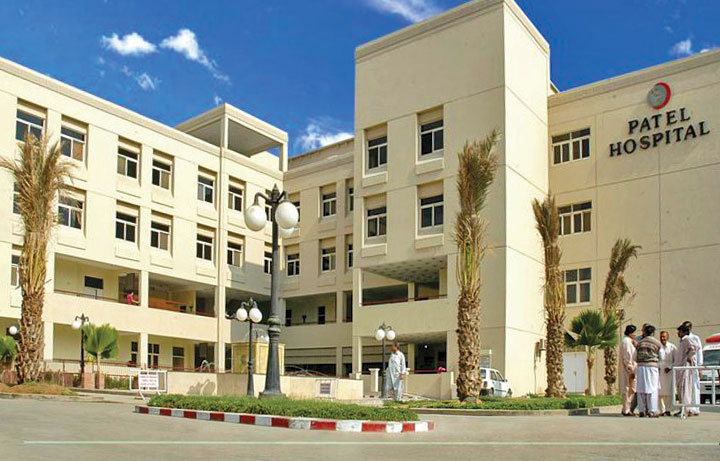
PLEASE TELL US ABOUT THE PROJECTS YOU HAVE WORKED ON? (PLEASE SHARE NAME & PHOTOS OF BUILDING PROJECTS)
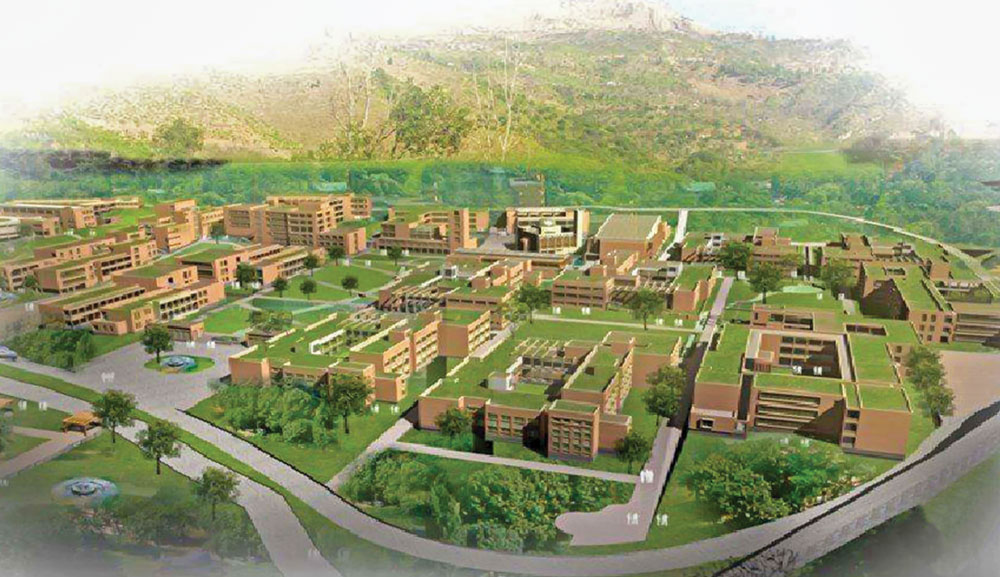
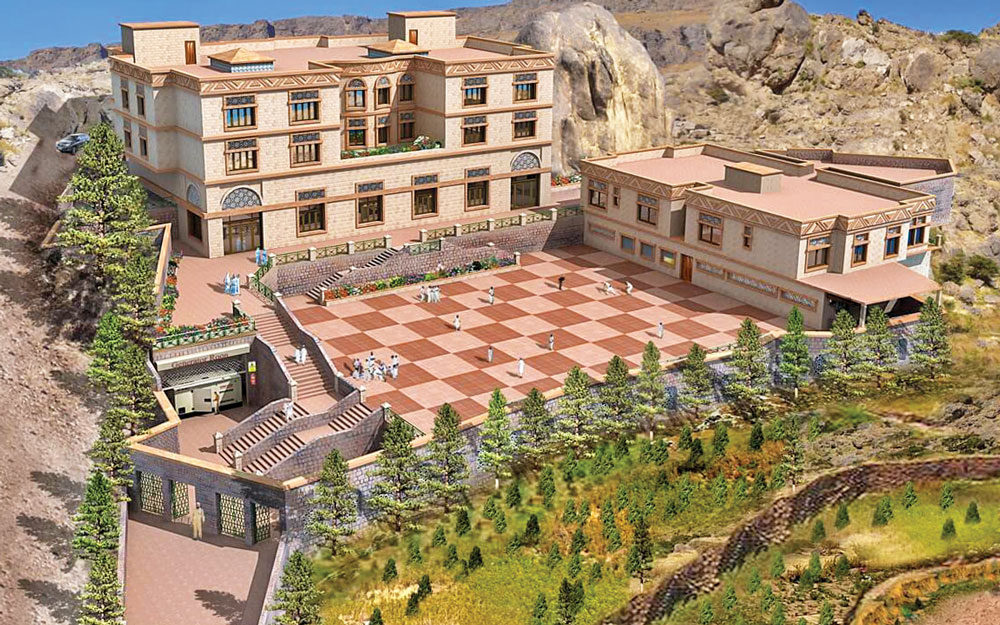
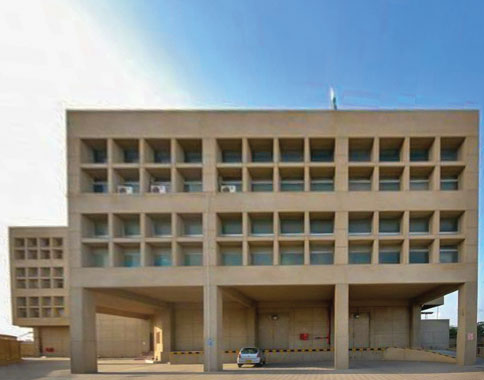
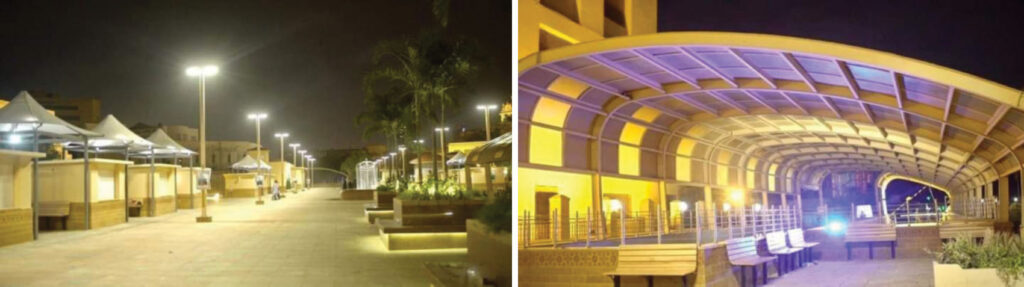
FS: Since the start of my career, I have worked on many projects at this point. However, currently I am working with Zong on a project of an AI data center, Pak-Suzuki for their automotive paint shop, Hayat Regency for a 5-Star Hotel in Zambia, and very recently with AKU on the complete refurbishment of one of their sub-stations.


HOW DO YOU PREFER TO STAY UP-TO-DATE WITH EMERGING TRENDS AND NEW TECHNOLOGIES IN ELECTRICAL ENGINEERING?
FS: I stay up-to-date with emerging trends and new technologies, mainly through constant engagements with the industry through attending seminars arranged by various vendors and attending many exhibitions as well. Crucially, working with overseas clients also plays a huge part in staying up-to-date with the latest trends.
WHAT ARE SOME CHALLENGES AND DIFFICULTIES YOU HAVE FACED BEING A WOMAN?
FS: While I recognize that women in Pakistan tend to face workplace harassment regularly, I am very fortunate to not have faced many challenges and difficulties in the industry due to my gender. I believe my education, experience, and exposure at NED have trained me to accustom myself to the workplace and industrial environment, in terms of engaging with a diverse set of individuals on a daily basis, providing me with a lot of confidence and control of the situation.
WHAT ARE THE WAYS AND MEANS TO ENHANCE THE EFFECTIVE ROLE OF WOMEN ENGINEERS IN PAKISTAN’S DEVELOPMENT?
FS: While there has been a substantial increase in the rates of enrolment of women in engineering departments across different universities, it still stands as the foundational path through which the enhancement of women’s role in the industry and development at large will take place. It is extremely necessary that we increase the enrolment rate, and there is still a need to kill the myth of engineering being a ‘male-centered profession.’ It is high time that we excuse ourselves from such gender stereotypes, which are only rooted in prejudice. This also connects to the harsh reality of a lot of our girls not pursuing their careers in engineering due to external factors like marriage and childbearing, which, once again, is detrimental to girls themselves. Women must stay an active part of the workforce with constant support and understanding from their families and partners. I think if these fundamental issues of enrolment and participation in the workforce are solved, the effective role of women engineers will become a natural process and inevitability, given that we make up 50% of this country’s population.
HOW DO YOU HANDLE THE STRESS OF PROJECT DEADLINES TO MEET?
FS: Well, the key to avoiding that stress is to just start early, which is what I always aim to do. However, if I do end up working under tight deadlines, I always try to look at the bigger picture, and that sort of perspective is really helpful. But more importantly, my team, full of capable individuals, also plays a big part, and I always believe that working in teams is a great way to counter stress since it gets divided and shared between people, even if those people are working under your supervision. Other than that, taking small breaks to recharge here and there are also helpful since piling a lot of work sometimes ends up becoming counter-productive.

UNFORTUNATELY, IN PAKISTAN, MANY FIRE BREAKOUT INCIDENTS HAPPENED, AND MANY HUMAN LIVES WERE LOST. WHAT ARE THE MAJOR REASONS FOR THESE FIRE BREAKOUTS?
FS: With respect to electrical fire incidents, the lack of adequate design plays a fundamental role in the occurrence of such incidents. Alongside, poor installations and making wiring joints without the use of proper connectors are also significant factors. On a lot of occasions, a complete absence of maintenance systems is also seen.
WHAT MEASURES WOULD YOU SUGGEST TO BE CONSIDERED FOR REDUCING ELECTRICAL LOADS IN BUILDINGS?
FS: The use of electricity has increased overall on a general scale, but taking some measures, like using energy-efficient equipment like LED lights, inverter-based air conditioning, can play a key role in reducing the load in general.
WHAT ARE YOUR VIEWS ABOUT THE USAGE OF SOLAR PANELS IN BUILDINGS? DO YOU THINK SOLAR PANELS ARE THE BEST OPTION FOR REDUCING ELECTRICAL LOADS?
FS: The proliferation of solar is an exemplary phenomenon in Pakistan, and solar panels do stand to be the best option for reducing electrical loads. It is not necessary that the feasibility is always there, which is why the decision of installation should always be seen in reference to the payback period.
WHAT DO YOU DO IN YOUR FREE TIME? ALSO, ALSO TELL US ABOUT YOUR HOBBIES?
FS: Well, as a full-time engineer and mother of two teenagers, I don’t really get much time to myself, but spending pleasant time with my kids after a long day of work is certainly rewarding. I also try to make sure to stick to my workout routine.
WHAT IS YOUR ADVICE TO THE FEMALE ENGINEERS?
FS: I would once again urge all the female engineers to never compromise their careers for external factors. With some determination and hard work, it is very much possible to maintain a full-time career even if domestic responsibilities exist. Having a career is extremely important for every individual and is the only path to one’s own independence and individuality, along with being a true avenue of insurance under challenging internal or external circumstances.


