


ARCHI TIMES Interview | Photographs by Engineer
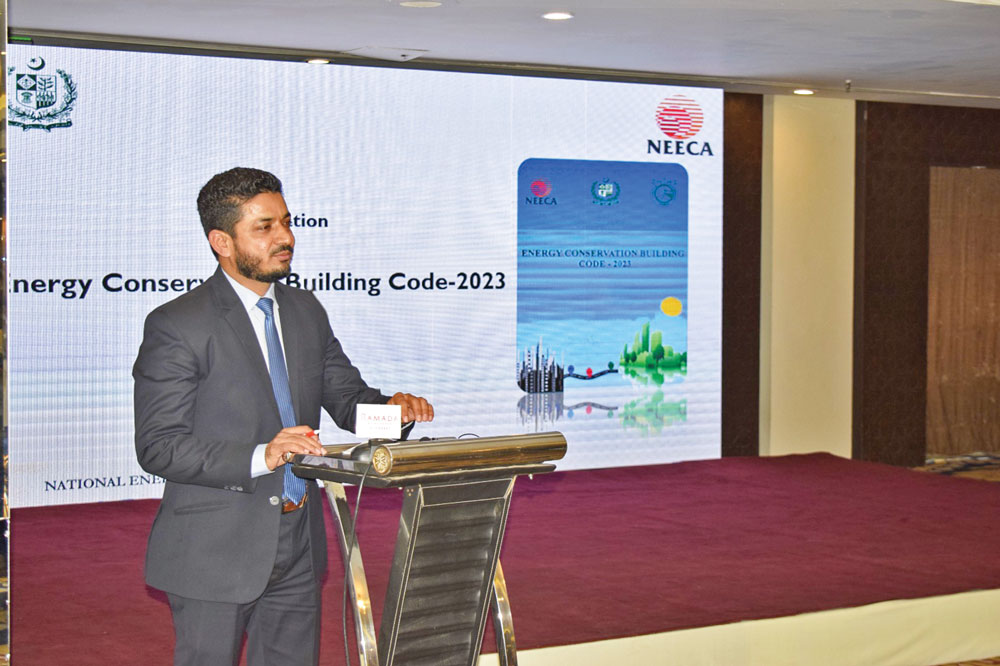
Engineer Dr. Zeeshan Ullah is a distinguished structural engineer and researcher known for his contributions to sustainable construction, energy-efficient buildings, and policy development in Pakistan. He has played a leading role in national initiatives such as the Energy Conservation Building Code (ECBC-2023), Pakistan’s first Building Energy Rating System, and multiple large-scale engineering and infrastructure projects.
Dr. Zeeshan’s work bridges advanced engineering practice with environmental responsibility, making him one of the country’s leading voices on green construction and resilient design. In this exclusive interview with ARCHI TIMES, he shares insights from his professional journey and his commitment to shaping a sustainable energy future.
CAN YOU TAKE US BACK TO YOUR EARLY YEARS, AND HOW YOUR UPBRINGING INFLUENCED YOUR PATH TOWARDS BECOMING AN ENGINEER?
ZEESHAN ULLAH (ZU): I lost my parents at a young age, and my elder brother became my greatest support as we worked together to overcome difficult circumstances. Balancing work and studies was challenging, but it strengthened my determination and shaped my ambition to become an engineer.
Driven by a childhood fascination with buildings and structures, I pursued my BSc in Civil Engineering, followed by advanced studies in Structural Engineering and Construction Management. I continued to grow professionally, earning my PEC Professional Engineer License (Structures), Lean Six Sigma certifications, and the PMP credential.
These early struggles instilled resilience, discipline, and purpose-values that continue to guide my career in structural engineering, sustainability, and building energy policy.

WHAT INSPIRED YOU TO PURSUE A CAREER IN ENGINEERING WITH A FOCUS ON STRUCTURAL ENGINEERING?
ZU: My interest in structural engineering began during early visits to construction sites, where I saw buildings being over-designed and lacking sustainable, passive design principles. This inspired me to pursue engineering with a mission to make Pakistan’s construction sector safer, efficient, and environmentally responsible.
This passion for smart, sustainable design later guided my work on national initiatives such as ECBC-2023, Pakistan’s first Green Building Rating System, and the Green Construction Materials Manual.
PLEASE HIGHLIGHT CIVIL/STRUCTURAL ENGINEERING’S IMPORTANCE AND ITS SCOPE OF WORK.
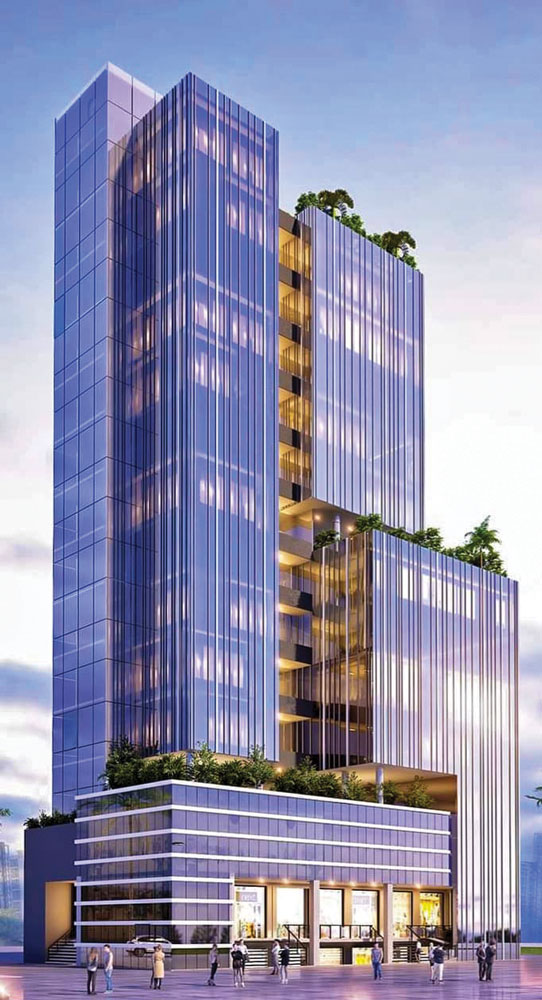
ZU: Civil and structural engineering form the backbone of a nation’s infrastructure, but today their role extends beyond safety. Every building contributes to greenhouse gas emissions through materials, construction energy, and operational load, and over-designed structures increase carbon footprints and long-term inefficiencies.
Engineers can reshape Pakistan’s construction sector by optimizing designs, using sustainable materials, and applying passive and energy-efficient strategies, reducing both embodied and operational carbon. Such approaches can also help projects qualify for carbon credits as global carbon markets grow.
Modern structural engineering focuses on:
– Minimizing embodied carbon
– Complying with ECBC-2023 and green building standards
– Integrating passive design and energy modeling
– Ensuring seismic resilience and climate adaptability
– Reducing construction waste and optimizing materials
Structural engineers today are climate champions, leading Pakistan toward a low-carbon, energy-efficient built environment.
YOU HAVE A WIDE EXPERIENCE OF STRUCTURE DESIGNING. WHAT TYPE OF PROBLEMS DO YOU SOLVE AS A STRUCTURAL ENGINEER?
ZU: As a structural engineer, I address a wide range of technical, performance, and sustainability challenges. My work includes ensuring structural safety under gravity, seismic, wind, and dynamic loads; optimizing material use to reduce costs and avoid over-design; diagnosing defects and long-term performance issues; and retrofitting buildings for improved safety, resilience, and energy performance. I also integrate structural decisions with energy-efficient building envelopes, MEP systems, and architectural layouts.
I emphasize sustainable engineering, recognizing that every structural decision affects the environment. I incorporate passive design strategies to reduce heat gain, lower cooling loads, and minimize reliance on the electrical grid, resulting in energy-efficient buildings with comfortable interiors. I promote recycled, low-carbon, and resource-efficient materials, designing systems that minimize embodied carbon while complying with international codes, green building standards, and the Energy Conservation Building Code (ECBC-2023).
I guide clients on how sustainable structural design can lower carbon footprints and, in some cases, earn carbon credits. Through efficient material use, energy-responsive design, and reduced cement and steel consumption, I deliver economical, resilient, and energy-efficient structures that enhance long-term performance and sustainability.
TELL US ABOUT YOUR FIRST ENGINEERING DESIGN PROJECT?
ZU: My first major structural design project was the 18-storey Pak-China Zong Tower in Karachi, a defining experience in my career. Designing a high-rise as a young engineer was both exciting and challenging. I grappled with complex design criteria, seismic and wind forces, lateral stability, dynamic behavior, and material optimization.
I spent long hours studying manuals, international codes, case studies, and manually verifying software results. That experience taught me that true engineering excellence comes from deep understanding, not just software.
From this project, I learned:
– Coordination between architectural, structural, and MEP teams is vital
– Attention to detail is crucial, as small errors can have big consequences
– High-rise design must balance safety, serviceability, constructability, and cost
– Site visits are essential to see how designs translate into reality
– Engineers must be lifelong learners
This foundation made designing subsequent structures more intuitive. I often tell young engineers: your first project teaches more than any classroom. Struggle, study, question, and learn deeply-that is how a beginner becomes a true engineer.
The Pak-China Zong Tower inspired me to pursue higher education, professional certifications, and contribute to national building sustainability initiatives. It didn’t just teach me to design a building-it taught me to become an engineer.

WHAT ARE THE REASONS FOR DEVELOPING CRACKS IN BUILDINGS?
ZU: Building cracks can result from various structural, material, construction, and environmental factors:
Poor structural detailing or reinforcement: Incorrect bar placement, weak joints, or insufficient development lengths concentrate stress and cause cracks.
Differential settlement: Uneven foundation settlement induces tension or compression beyond structural capacity.
Thermal movement and shrinkage: Concrete shrinks during curing and expands with heat; inadequate control joints or reinforcement lead to cracks.
Substandard materials: Low-quality cement, aggregates, or bricks weaken concrete or masonry.
Overloading or design omissions: Loads beyond design capacity cause structural distress.
Moisture and poor waterproofing: Water ingress corrodes reinforcement and reduces concrete strength.
Missing expansion joints: Large or tall buildings require joints to accommodate movement; without them, cracks appear.
Construction flaws: Improper curing, rushed concreting, cold joints, and misaligned shuttering create weak points.
Excessive dead load: Over-designed slabs, beams, or steel-heavy sections stress foundations and lower members.
Improper concrete vibration: Segregation and honeycombing form crack initiation points.
Environmental factors: Temperature extremes, earthquakes, and soil moisture variations induce cyclic stresses that weaken structures.

YOU HAVE ALSO WORKED WITH DIFFERENT FIRMS ON WHICH PROJECTS, AND HOW WAS YOUR EXPERIENCE?
ZU: Throughout my career, I have collaborated with leading engineering, architectural, and multidisciplinary organizations in Pakistan and abroad. These experiences shaped my expertise in structural engineering, sustainable construction, and energy-efficient building design, across projects ranging from high-rise buildings to community infrastructure, schools, industrial structures, and disaster-resilient developments.
Key Experiences:
International Firms: At H.H. Robertson (Australia), as Head of Structural Design, I led reviews of steel and concrete structures under ACI, Eurocode, and BS codes, enhancing structural optimization and material efficiency.
Government Projects: As Deputy Director (Structures) at FGEHA and NEECA, I worked on housing, community, and federal infrastructure projects, integrating regulatory frameworks with modern engineering practices.
Green Building & Energy Efficiency: I conducted energy audits, retrofits, and helped develop Pakistan’s first Energy Conservation Building Code (ECBC-2023) and Green Building Rating System, promoting passive design and sustainable materials.
Structural Design Collaborations: Partnerships with firms like Rizwan Ullah Associates and international NGOs exposed me to a variety of structural systems, from high-rise buildings to bridges and disaster-resilient communities.
Lessons Learned:
– Engineering is about responsible, sustainable design.
– Interdisciplinary coordination is key to success.
– Structural engineers must lead the shift toward green, low-carbon construction.
These experiences strengthened my resolve to promote evidence-based, environmentally responsible engineering in Pakistan’s construction sector.
CAN YOU DESCRIBE A CHALLENGING STRUCTURAL DESIGN PROJECT YOU WORKED ON AND HOW YOU OVERCAME THE OBSTACLES?
ZU: One of the most challenging projects I worked on involved designing a major structure on highly variable soil with strict architectural requirements, leaving little flexibility in the layout. The soil had alternating layers of soft clay, loose sand, and pockets of hard material, making conventional foundations inefficient. At the same time, the architect required large column-free spaces and strict floor-to-floor heights.
To address this, I used a multi-pronged approach:
Geotechnical-Structural Integration: Optimized a deep foundation system combining bored piles and raft interaction to control differential settlement.
Iterative Structural Modeling: Advanced simulations refined the structure under extreme loads for both performance and economy.
Team Coordination: Worked closely with architects and MEP engineers to align structural elements with aesthetics and functional requirements.
Innovative Detailing: Optimized reinforcement layouts and connections to improve seismic performance and reduce material use.
Sustainability: Incorporated passive design strategies to lower energy consumption and carbon footprint.
The final design was safe, resilient, economical, and energy-efficient. This project reinforced that complex problems require integrated thinking, early coordination saves rework, constraints drive innovation, and sustainability is achievable even in challenging projects.
TELL US ABOUT A FEW MEMORABLE PROJECTS THAT ARE VERY CLOSE TO YOUR HEART.
ZU: Some national-level projects that remain special to me include:
– ECBC-2023: Promoting energy-efficient building design.
– Pakistan’s First Building Energy Rating System: Benchmarking building performance.
– Roadmap for Sustainable Construction: Guiding a greener building sector.
– Manual on Green Construction Materials: Helping select cost-effective sustainable materials.
– First Geothermal-Integrated Split AC at NEECA: A low-carbon cooling solution.
– Energy Audits & Retrofitting of Government Buildings: Achieving significant energy savings.
These contributions continue to support Pakistan’s sustainable built environment.
WHAT INSPIRED YOU TO START WORK AT NEECA AND WITH WHAT OBJECTIVES?
ZU: My motivation for joining NEECA was to bring sustainable engineering solutions into mainstream building practices. Pakistan needed a national framework for energy-efficient construction, and I wanted to contribute to that transformation. My objectives were clear:
– Develop a national building energy code
– Develop the Pakistan First Ever Building Energy Rating System
– Develop the Road Map for sustainable Construction in Pakistan
– Promote energy-efficient technologies
– Train professionals and institutions
– Build local capacity in green construction materials
– Reduce energy consumption in public buildings through audits and retrofits
This vision has now translated into several national-level deliverables.
WHAT WERE YOUR RESPONSIBILITIES AT NEECA?
ZU: My role as Director (Residential Buildings) involved:
– Lead development of ECBC-2023
– Develop Pakistan’s Building Energy Rating System
– Prepare Sustainable Construction Roadmap for Pakistan
– Conduct energy audits of buildings and design retrofitting measures
– Review green building materials and develop national guidelines
– Oversee capacity-building workshops for architects, engineers & regulators
– Coordinate with federal ministries for policy approval and implementation
WHAT KIND OF SERVICES AND PROGRAMS ARE OFFERED AT NEECA AND HOW ARE THESE DESIGNED?
ZU: NEECA’s building sector programs include:
– National building energy audits
– Training programs for architects, engineers, and municipal bodies
– ECBC-2023 implementation support
– Energy simulation and modelling services
– Certification and rating frameworks for energy efficiency
– Awareness campaigns for sustainable building practices
These programs are designed through stakeholder consultations, pilot studies, field audits, and alignment with international benchmarks such as ASHRAE and ISO standards.
PAKISTAN’S ENERGY CRISIS HAS WORSENED. IN YOUR OPINION, WHAT CAN BE DONE TO OVERCOME THIS CRISIS?
ZU: The solution requires a multi-layered approach:
– Enforcing energy-efficient building codes nationwide
– Shifting from conventional cooling to geothermal, solar-assisted, and high-efficiency HVAC systems
– Large-scale retrofitting of old government buildings
– Widespread adoption of energy-efficient appliances
– Demand-side management and energy audits
– Encouraging rooftop solar and distributed generation
– Incentivizing green materials and technologies
Structural reforms combined with conservation and technology adoption are essential.
WHAT MEASURES WOULD YOU SUGGEST TO REDUCE ELECTRICAL LOADS IN BUILDINGS?
ZU: Use high-performance wall insulation and reflective roofing
– Install energy-efficient glazing and shading devices
– Promote daylighting and natural ventilation
– Deploy high-efficiency HVAC systems and sensors
– Adopt ECBC-2023 compliant envelope designs
– Conduct periodic energy audits
– Replace old lighting with LEDs
– Implement solar PV and hybrid systems
Most buildings can achieve 40%-75% reduction in energy consumption through these measures.
HOW CAN PAKISTAN IMPROVE AIR QUALITY, GREEN SPACES, BUILDING DECARBONIZATION, AND ELECTRICITY GENERATION EFFICIENCY?
ZU: Improving air quality, expanding green spaces, and decarbonizing buildings requires integrating engineering, architecture, policy, and community action. Based on my experience with ECBC-2023, Pakistan’s Green Building Rating System, and national energy audits, key measures include:
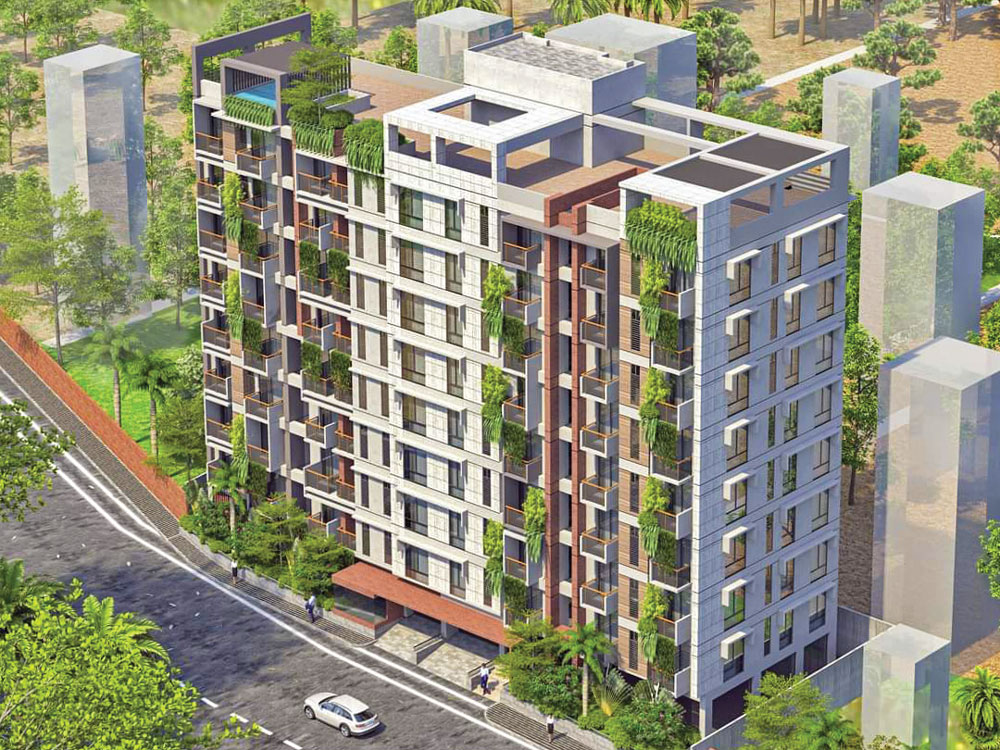
Green Roofs, Vertical Gardens & Permeable Landscapes- Reduce heat, filter dust, provide insulation, manage stormwater, and recharge groundwater.
Low-Carbon & Recycled Materials- Use fly ash/slag cement, recycled aggregates, engineered timber, and low-carbon concrete to cut emissions and costs.
Solar Microgrids & Energy Storage- Reduce fossil-fuel dependence, lower CO?, and ensure reliable energy for critical buildings.
Modernize Building Codes- Include embodied carbon limits, mandatory energy modeling, and incentives for efficient systems; structural optimization minimizes material use and environmental impact.
Renewable Energy in Urban Planning- Allocate zones for solar, community energy hubs, and green corridors for climate-responsive growth.
EV Charging with Clean Energy- Support electric mobility with renewable-powered infrastructure and EV-ready buildings.
Incentives for Net-Zero Buildings- Tax rebates and fast-track approvals encourage high-performance envelopes, daylighting, ventilation, and smart automation.
Philosophy: Sustainability must be engineered from the start. Optimized design and material choices can reduce emissions, strengthen resilience, and create healthier, more livable cities.
WHAT CHALLENGES AND DIFFICULTIES IS PAKISTAN FACING TODAY?
ZU: Pakistan’s Building & Energy Challenges
Pakistan faces intertwined challenges from rapid growth, outdated systems, and limited technical modernization:
Urbanization vs. infrastructure: Cities are expanding faster than water, sanitation, transport, and building regulation systems can support.
Energy stress: The grid struggles during summer peaks while remaining underutilized in winter.
Outdated buildings: Most structures follow 1960s byelaws, lacking climate-responsive or energy-efficient designs, leading to high cooling loads.
Climate change: Rising heatwaves increase discomfort and energy demand.
Limited research & skilled workforce: Few professionals are trained in modern building science, slowing adoption of best practices.
Inefficient Buildings & Energy Waste
Buildings drive national peak load and economic burden:
– Many IPPs installed for summer peaks operate only 87 hours/year, yet the nation pays capacity charges year-round.
– Excessive energy use stems from poor envelope design, high solar heat gain, inefficient cooling, lack of insulation/shading, and absence of passive design.
– Pakistan has 147 million fans, 90% consuming ~120 W, while 30 W efficient fans are available-this alone adds significantly to peak load.
Opportunities for Transformation
By adopting climate-responsive codes (ECBC-2023), passive cooling, energy-efficient HVAC/appliances, and low-carbon materials, Pakistan can cut building energy demand by 50-75%, reduce emissions, and save billions. Engineers, architects, and policymakers can lead this shift toward a sustainable, resilient, and energy-secure future.
HOW DO YOU SPEND YOUR FREE TIME, AND WHAT ARE YOUR HOBBIES?
ZU: I enjoy exploring modern building technologies, sustainable construction, and emerging energy systems, which help me integrate smarter, greener solutions into my work. Traveling to architectural landmarks also broadens my understanding of diverse design approaches.
I am committed to community service, running two blood donor societies supporting hospitals and providing free tutoring to children from underprivileged families. I also conduct awareness sessions in schools on energy conservation, believing education drives a sustainable future.
Most importantly, I value quality time with my family, as shared moments and outdoor activities keep me grounded and rejuvenated.
WHAT IS YOUR ADVICE FOR YOUNG PROFESSIONALS AND STUDENTS?
ZU: Advice for Young Engineers and Students
Stay curious and keep learning. Read codes, research, and case studies to grow continuously.
Master fundamentals before software. Strong knowledge of structural behavior, materials, and engineering judgment is essential.
Embrace digital tools. BIM, simulations, and energy modeling are shaping modern engineering.
Prioritize sustainability. Lead Pakistan toward green, resilient, and low-carbon buildings.
Seek mentorship and hands-on experience. Real learning happens on sites and through practical problem-solving.
Develop strong ethics. Integrity and professionalism are non-negotiable.
Serve the nation with pride. Every project contributes to Pakistan’s future-approach it with responsibility and dedication.
Engineering is not just a career-it is a duty. Let your work reflect skill, integrity, and commitment to the nation.


