


ARCHI TIMES Interview | Photographs by Engineer
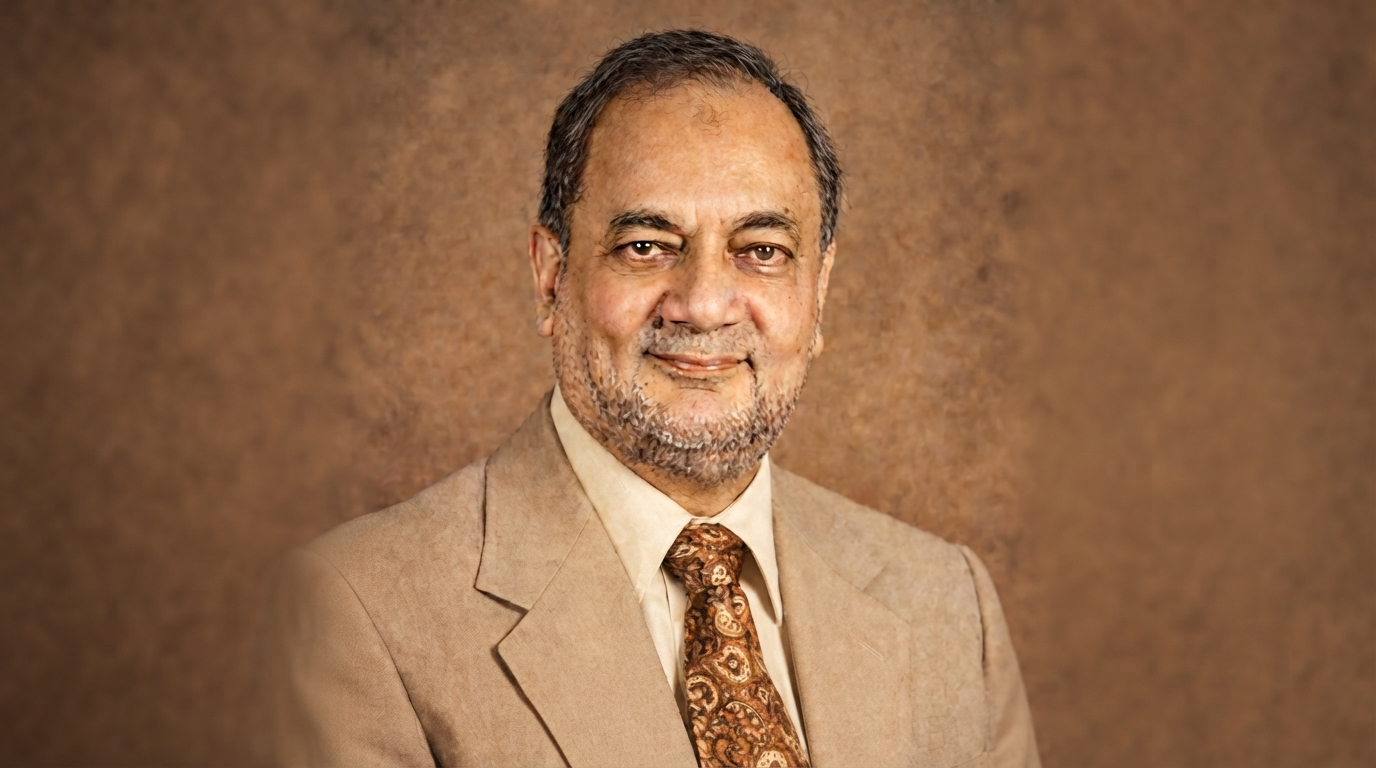
Engr. Muhammad Abbas Sajid is the Chief Executive Officer of Engineering Services (Pvt.) Ltd., a leading MEP contracting firm he founded in 1984. He also serves as CEO of RadScribe PK and several other ventures across the engineering and healthcare sectors. A respected leader in Pakistan’s HVACR industry, he is a Past President of the Pakistan HVACR Society and currently serves as Vice Chairman of the Institution of Engineers Pakistan (IEP). He has received Lifetime Achievement Awards from both organizations in recognition of his outstanding contributions to the profession.Within ASHRAE, he has held several key leadership roles, including Chapter President and Sub-Regional Chair, and has served on the Society Nominating Committee and Honors and Awards Committee. His dedication to the HVACR profession has earned him the ASHRAE Chapter Service Award, Regional Award of Merit, and Distinguished Service Award.
CAN YOU TAKE US BACK TO YOUR EARLY YEARS, AND HOW YOUR UPBRINGING INFLUENCED YOUR PATH TOWARDS BECOMING AN ENGINEER?
ABBAS SAJID (AS): I was born in Dhaka and spent my early childhood there. I studied at St. Joseph High School, Dhaka, up to Class VIII. Life was comfortable and secure. My grandfather and father had established successful businesses in what was then East Pakistan, including cold storage facilities, ice factories, and a partnership in a jute mill. Our family also owned two large houses, several cars, and other assets built over many years of hard work and entrepreneurship.
Then came the events of 1971.
In December 1971, with the political and military situation deteriorating rapidly, our family was forced to leave East Pakistan with virtually no prior planning. We managed to escape only a few days before all flights to West Pakistan were suspended. Like thousands of other families, we left behind not only our businesses and properties but an entire life that had been carefully built over a long time.
Overnight, we lost everything !!!
The financial loss was immense, but the emotional impact was even greater. We arrived in Karachi, uncertain about the future, and faced a long, difficult struggle to rebuild our lives from scratch.
I was only fourteen years old at the time and the eldest of four siblings. The circumstances forced me to grow up quickly. From an early age, I became conscious of my responsibilities toward my parents and younger siblings. The experience instilled in me a sense of duty, resilience, and determination that would shape the rest of my life.
Despite the challenges, my parents remained steadfast in their belief that education was the key to rebuilding our future. Securing admission was not easy, but I was fortunate to gain admission to Cantt Public School, Karachi, from where I completed my Matriculation in 1974 with First Division marks.
I then continued my studies at Government Delhi College, Karachi, before earning admission to the prestigious NED University of Engineering & Technology in 1977 to pursue Mechanical Engineering.
Looking back, the journey from Dhaka to Karachi was far more than a geographical relocation. It was a journey from loss to hope, from uncertainty to opportunity, and from adversity to achievement. The hardships of those early years taught me lessons that no classroom could ever provide: perseverance in difficult times, the value of education, the importance of family, and the belief that setbacks can be transformed into opportunities.
The businesses and assets we lost in 1971 could never be recovered, but the experience gave me something far more valuable-a determination to build, create, and contribute. It inspired me to pursue engineering, establish my own business, and dedicate myself to professional and community service.
Today, when I reflect on that period of my life, I do not remember only what we lost. I remember the courage of my parents, the sacrifices of my family, and the strength that emerged from adversity. Those experiences became the foundation upon which the rest of my life and career were built.
The events of 1971 taught me a lesson that has remained with me ever since:
“Material possessions can be lost overnight, but education, character, faith, and determination are assets that no one can ever take away.”
WHAT INSPIRED YOU TO PURSUE A CAREER IN ENGINEERING WITH A FOCUS ON MECHANICAL ENGINEERING?
AS: When I completed my intermediate education in the mid-1970s, students had far fewer career options than they do today. For most high-achieving science students, the two primary choices were Medicine or Engineering.
Because of my strong aptitude for Mathematics and analytical thinking, Engineering was the natural choice. I had always been fascinated by machines, how things worked, and the practical application of science. Mechanical Engineering, in particular, appealed to me because of its broad scope and strong demand in the job market at that time. It was also one of the most competitive disciplines, attracting students with the highest academic scores.
When I gained admission to NED University of Engineering & Technology in 1977, I chose Mechanical Engineering because it matched both my strengths and my interests. Looking back, it was one of the most important decisions of my life, providing the foundation for a career spanning more than four decades in engineering, entrepreneurship, and professional leadership.
HOW WOULD YOU DESCRIBE YOUR ENGINEERING FIRM, ITS BEGINNING, JOURNEY, AND THE PRESENT STANDING?
AS: The beginnings of Engineering Services were very modest. When I founded the company in 1984, I did not have the resources even to rent an office, so I literally started the business from the boot of my car with a briefcase and a typewriter, as personal computers were not yet common.
Alhamdulillah, the company soon began to grow. Two exceptional professionals, Shuaib Alam and Mahmood Ahmad, joined me as partners and have remained with me for almost four decades.
Our commitment to quality, professionalism, and client satisfaction helped us earn the trust of our customers and establish Engineering Services as one of Pakistan’s leading mechanical and MEP contracting firms. Over the past 42 years, we have completed projects across Pakistan-from Gwadar to Muzaffarabad-as well as internationally, including the French Medical Institute for Mothers and Children in Kabul, Afghanistan.
Today, we are expanding our operations into Saudi Arabia and Africa, continuing a journey that began with little more than determination, hard work, and faith in Allah.
WHAT KIND OF SERVICES AND PROGRAMS ARE OFFERED AT ENGINEERING SERVICES?
AS: Engineering Services offers a combination of MEP contracting, engineering, project execution, commissioning, maintenance, and specialized technical services in the following fields:
HVAC & Mechanical Systems – Electrical Systems
Plumbing Systems – Fire Protection Systems
Renewable Energy & Sustainability
YOU WERE THE PAST PRESIDENT OF ASHRAE. WHAT ASHRAE IS DOING TO CREATE AWARENESS AMONG THE MASSES, HOW CAN ASHRAE BECOME MORE INVOLVED IN THE COMMUNITY?
AS: ASHRAE and its local chapters create awareness through:
Technical Education – Student Engagement
Standards and Guidelines – Sustainability Advocacy
Industry Networking
ASHRAE Can Become More Involved in the Community through
Indoor Air Quality Awareness Campaigns
School Outreach Programs – Community Energy Clinics
Public Cooling and Heat Resilience Programs
Hospital and Healthcare Initiatives
Sustainability Awareness for Homeowners
Youth Engineering Ambassadors
Media and Social Media Presence
ASHRAE Pakistan could position itself not only as a professional engineering society but as the trusted voice for healthy, comfortable, energy-efficient, and sustainable buildings in Pakistan.
By expanding beyond engineers and engaging schools, universities, homeowners, healthcare facilities, government agencies, and communities, ASHRAE can become a recognized contributor to public health, energy conservation, and climate resilience while inspiring the next generation of engineers.
ARE YOU INCORPORATING ASHRAE GUIDELINES IN YOUR PROJECTS? IF YES PLEASE MENTION YOUR FEW PROJECTS?
AS: At Engineering Services, ASHRAE standards are not merely references-they are embedded in our engineering culture. From load calculations and ventilation design to energy efficiency and commissioning, ASHRAE guidelines shape the way we deliver projects. This approach has been applied across major healthcare facilities such as Aga Khan University Hospital, the French Medical Institute for Mothers and Children in Kabul, and The Indus Hospital, as well as numerous educational, commercial, and industrial developments. By adopting ASHRAE best practices, we ensure that our projects provide healthy, comfortable, energy-efficient, and sustainable environments for occupants while meeting international standards of engineering excellence.

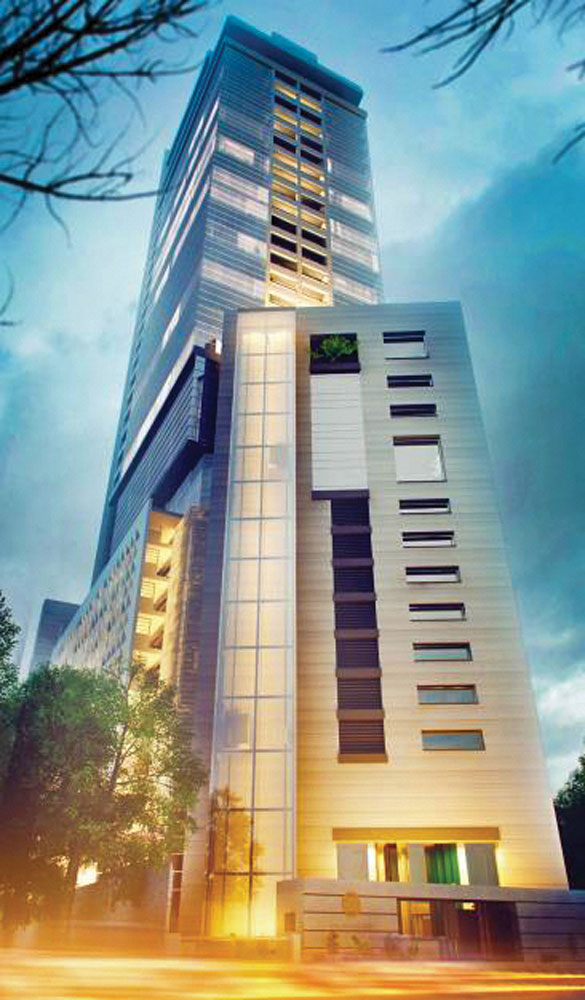
HOW CAN THE EFFICIENCY OF AIR QUALITY, MORE GREEN SPACES, DECARBONIZING OF BUILDINGS, AND ELECTRICITY GENERATION BE IMPROVED IN PAKISTAN?
AS: Organizations such as ASHRAE Pakistan Chapter, Pakistan HVACR Society, and Institution of Engineers Pakistan can play a major role by:
Developing technical guidelines.
Training engineers and policymakers.
Promoting building energy codes.
Supporting decarbonization initiatives.
Educating the public on healthy buildings and energy conservation.
Influencing and forcing Govt policies and legislation.
A Practical Target for Pakistan by 2040 might be:
50% reduction in urban particulate pollution.
30% tree canopy coverage in major cities.
40% reduction in building energy consumption.
More than 50% of electricity generation is from low-carbon sources.
Net-zero-ready standards for all new major buildings.
Achieving these goals would improve public health, reduce energy imports, strengthen energy security, create skilled jobs, and position Pakistan as a regional leader in sustainable development.
CURRENTLY WHAT PROJECTS ARE YOU WORKING ON AND ON BOARD?
AS: We are currently working on several projects including:
– Armstrong Tyres Gharo – Indus Hospital Karachi
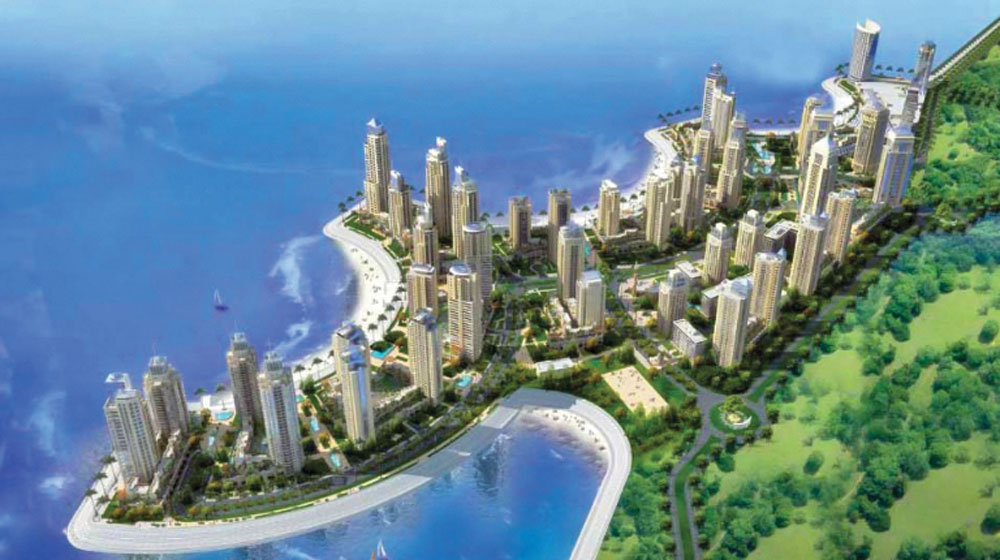
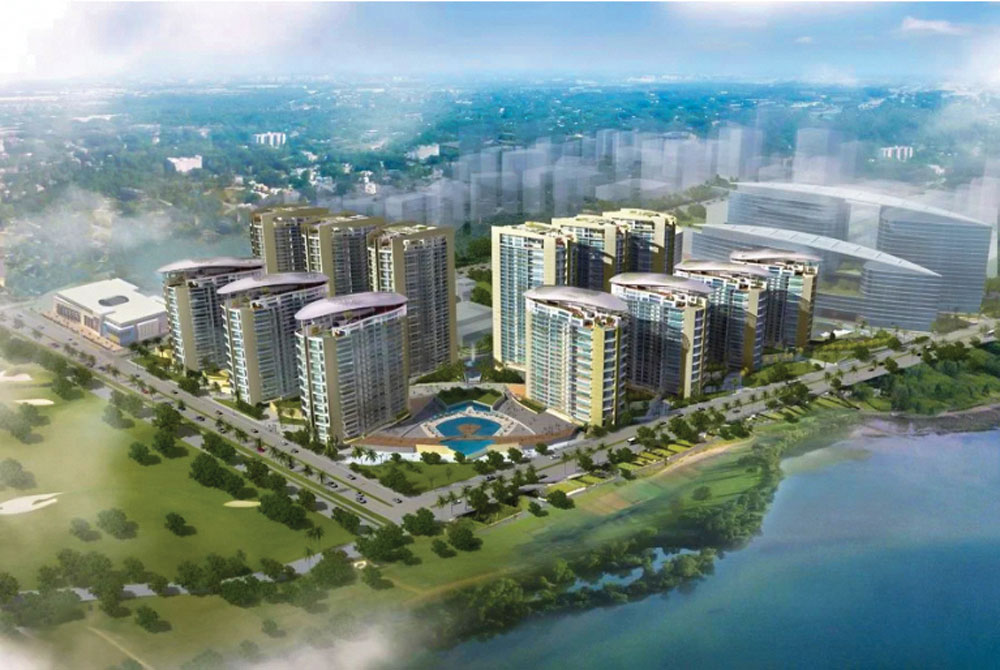
– The Arcadian Karachi
– Bank Al Falah Building, Hayatabad, Peshawar
– Saifee Hospital Karachi
– AKU, Renovation of Main lab
Renovation of BSL 2 Juma Building
Hospital for Women, Karimabad
Medical Center North Nazimabad
Renovation of Main Consulting Clinics – AKU Hyderabad

DESCRIBE A PROJECT THAT YOU HAVE WORKED ON THAT WAS OF PARTICULAR INTEREST TO YOU.
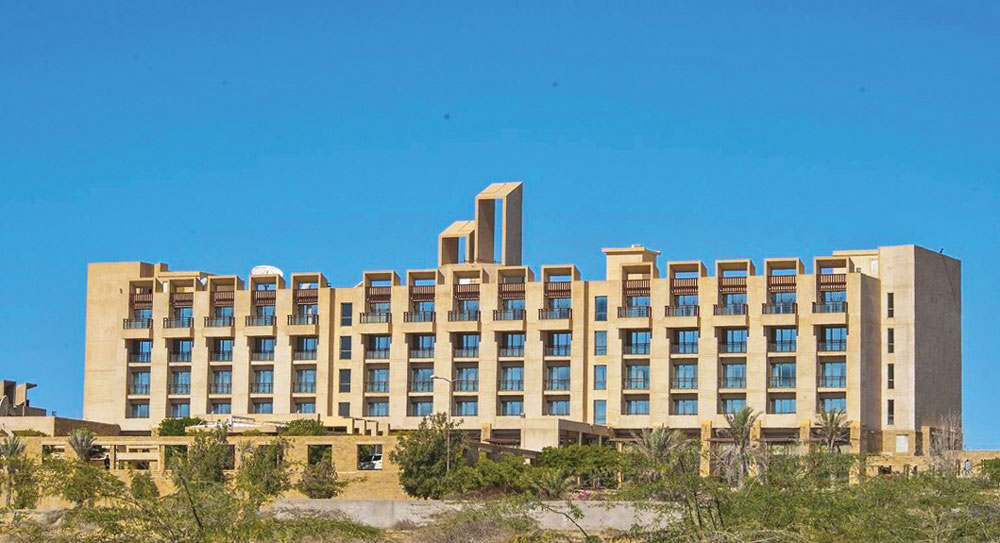
AS: There have been many interesting and unique projects like CHS and Juma Research Building, and the Sports and Rehabilitation Center at AKU, Lasmo Oil head office Karachi, Soorty Green Factory (Lead Certified), Deans Trade Center Peshawar, Indus Hospital Karachi, SIUT, French Medical Institute for Children- Kabul.
YOU AND MR. SOHAIL BASHIR IEP PRESIDENT ARE DOING A GREAT JOB BY PRESERVING THE NED OLD HERITAGE BUILDING. PLEASE TELL US ABOUT THIS HISTORIC INITIATIVE?
AS: The initiative to preserve and revitalize the historic City Campus of NED University of Engineering & Technology is much more than a building conservation project-it is about preserving a vital part of Pakistan’s engineering heritage and ensuring that future generations remain connected to the institution’s rich legacy.
The City Campus holds a special place in the hearts of thousands of NED graduates. It was from these halls and classrooms that generations of engineers emerged to contribute to Pakistan’s infrastructure, industry, academia, and public service. For many alumni, it represents the foundation of their professional journey.
Working alongside Sohail Bashir, a very dear friend, in my capacity as the Secretary General of NED International Alumni Netwrok, and many dedicated alumni, engineers, and stakeholders, the objective has been to protect the historical identity of the campus while creating a sustainable future for the facility.
Key Objectives of the initiative have been to Preserving Engineering Heritage
– Protecting the architectural character of the historic campus.
– Conserving important structures and spaces associated with NED’s early history.
– Documenting and celebrating the contributions of past students, faculty, and leaders.
Creating an Alumni and Engineering Hub
– Establishing a center where alumni can reconnect with their alma mater.
– Providing facilities for professional events, technical seminars, and mentoring activities.
– Creating a space that promotes collaboration among engineers, industry leaders, and students.
Promoting Engineering Excellence
– Developing venues for lectures, conferences, and knowledge-sharing programs.
– Showcasing the history of engineering development in Pakistan.
– Inspiring future engineers through exhibitions and educational activities.
Strengthening Institutional Identity
– Reinforcing the bond between NED graduates and the university.
– Preserving traditions while embracing innovation and modernization.
– Building pride in the achievements of NED alumni worldwide.

Why This Initiative Matters
Historic educational institutions are repositories of national memory. Around the world, leading universities preserve their historic campuses because they symbolize continuity, excellence, and identity. NED’s City Campus deserves similar recognition and stewardship.
For many alumni, preserving the City Campus is not merely about maintaining a physical structure; it is about honoring the sacrifices of previous generations, celebrating decades of engineering achievements, and ensuring that future students understand the legacy upon which they stand.
The success of this initiative is the result of collaboration among:
– NED alumni across Pakistan and abroad.
– The leadership of the Institution of Engineers Pakistan.
– The Vice Chancellor and other University stakeholders.
– Industry professionals.
– Volunteers committed to preserving engineering heritage.
The campus will In Sha Allah continue serving society-not only as a reminder of the past but as a catalyst for the future.
As engineers, we design for the future. As custodians of institutions, we also have a responsibility to preserve the legacy that shaped us. The preservation of NED’s historic City Campus is an investment in both our heritage and our future generations.
YOU ARE SIMULTANEOUSLY RUNNING THE OFFICES OF IEP AS VICE PRESIDENT AND YOUR OWN OFFICE; PLEASE TELL US HOW YOU ARE MANAGING THESE OFFICES AND YOUR TIME?
AS: I do not try to manage time; I try to manage priorities, people, and purpose. When you build capable teams, delegate effectively, and remain focused on serving a larger mission, it becomes possible to contribute meaningfully to multiple organizations without compromising quality.
For me, both Engineering Services and IEP are part of a lifelong commitment to engineering excellence, professional development, and nation-building. The satisfaction of seeing organizations grow, engineers succeed, and institutions strengthen makes every hour invested worthwhile.
WHAT CHALLENGES AND DIFFICULTIES ARE THE ENGINEERING PROFESSION FACING TODAY IN PAKISTAN?
AS: The challenge facing Pakistani engineers today is not merely to build roads, buildings, and industries. It is to build a future that is sustainable, technologically advanced, globally competitive, and resilient. The engineers who continuously learn, adapt to new technologies, uphold ethical standards, and embrace innovation will lead that transformation.
Pakistan has no shortage of engineering talent. The real challenge is creating an ecosystem where that talent can flourish and contribute fully to national development.
The advent of Artificial intelligence is creating both opportunities and concerns.
AI will increasingly automate:
– Calculations – Drafting – Modeling – Data analysis
– Routine design tasks
Future engineers must therefore focus on:
– Creativity – Leadership – Systems thinking – Innovation
– Ethical decision-making
Engineers who embrace AI will thrive; those who resist it may find themselves at a disadvantage.
What Must Be Done?
Universities
– Modernize curricula – Increase industry internships.
– Strengthen practical training
– Introduce AI, sustainability, and entrepreneurship.
Industry
– Invest in graduate development.
– Support research partnerships.
– Encourage professional certification.
Professional Bodies
Organizations such as the Institution of Engineers Pakistan, Pakistan Engineering Council, ASHRAE Pakistan Chapter, and Pakistan HVACR Society should continue promoting:
– Continuing professional development
– Technical standards – Mentorship programs
– Public awareness initiatives
Government
– Invest in infrastructure and R&D.
– Strengthen engineering institutions.
– Promote local manufacturing and innovation.
– Support clean energy and technology sectors.

WHAT’RE THE WAYS AND MEANS TO ENHANCE THE EFFECTIVE ROLE OF ENGINEERS IN PAKISTAN’S DEVELOPMENT?
AS: If I were to summarize the role of engineers in Pakistan’s future, it would be this:
Engineers should move from being project executors to becoming nation builders, innovators, policymakers, entrepreneurs, and leaders.
By investing in education, innovation, industrialization, sustainability, and professional development, Pakistan can fully harness its engineering talent to drive economic growth, improve the quality of life, and build a more resilient and prosperous future.
A Message to Young Engineers
“Do not limit yourself to designing machines, buildings, or systems. Aspire to solve national problems, create opportunities, improve lives, and leave institutions stronger than you found them. The future of Pakistan will be shaped not only by politicians and economists but also by engineers who combine technical excellence with leadership and service.”

WHAT IS YOUR MESSAGE FOR YOUNG PROFESSIONALS AND STUDENTS?
AS: Remember that success is not measured only by personal achievements. True success is creating value for others, serving society, mentoring those who follow, and leaving institutions stronger than you found them.
Dream big, work hard, remain humble, remain healthy, and never stop learning. Pakistan needs your talent, energy, innovation, and leadership. The future belongs to those who are prepared to build it. “Do not strive merely to make a living; strive to make a difference.”


