


Safwan Ali is Electrical Engineer at ATCONS, and did his Bachelor’s degrees from Washington University in Electrical Engineering and Ohio Wesleyan University in Physics. In this exclusive Newage Engineer Interview Series to ARCHI TIMES, he disusses engineering related issues.
ARCHI TIMES (AT): Before we begin talking about your engineering, it would be good to know your educational background.
Safwan Ali (SA): My early education was from Beaconhouse School System up to O-levels; then went to St. Patrick’s High School for A-levels. Was fortunate to get Admission and Scholarship to study in the USA where I completed my Bachelor’s degrees from “Washington University in St. Louis” (BSc. Electrical Engineering) and “Ohio Wesleyan University” (B.A. Physics). After graduation, I returned to Pakistan where I started my professional journey in Engineering Consultancy under the tutelage of my Father; Engr. M. Adil Usman; in this very firm. Later on, I also completed my MBA from the “Institute of Business Administration” (IBA).
AT: Also, tell us about your professional career experience, and the advantages of working for an established father’s firm.
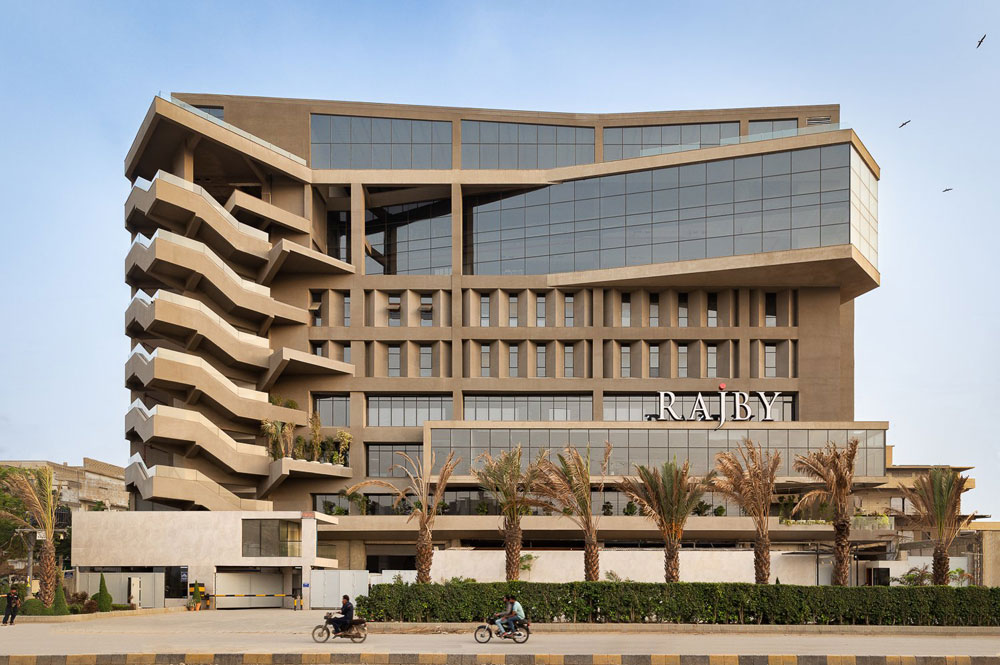
SA: I started my career with my father’s firm (M/s. Associated Technical Consultants – ATCONS) and had to work hard to gain even a small portion of the level of trust and confidence that my father earned during his career and the respect he commanded. This challenge to prove my mettle and to have a professional identity separate from my father provided me with the drive to push myself further and higher in these past many years. This journey though being hard and arduous has also been very fulfilling and rewarding. During this time, I have been fortunate to work on different projects of diverse nature and varying complexities; ranging from Residential units to Office Interiors, Educational institutions to Universities, Small buildings to High-Rise complexes, Industries to Large Infrastructures, Captive Power Plants to IPPs, Renewables to Alternative Energy Systems, as well as Energy Conservation and LEEDs. Our efforts to provide our client with the most efficient and lean electrical system design has allowed for a number of our projects to be awarded LEED Gold Certification and higher by USGBC (USA).
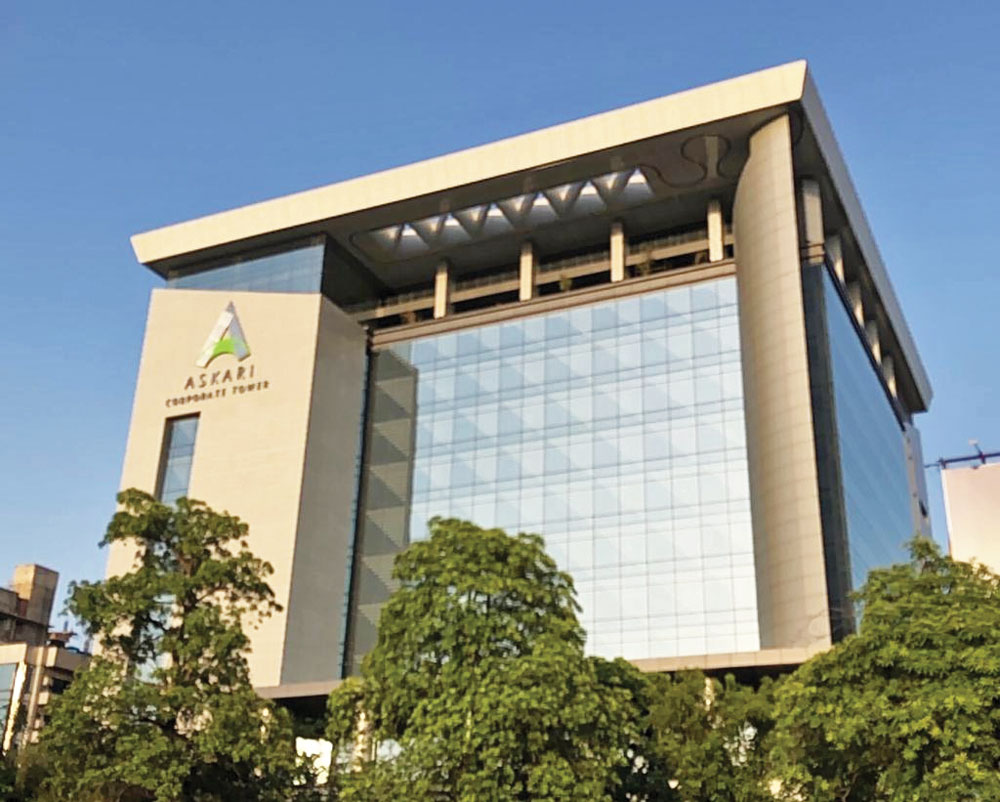
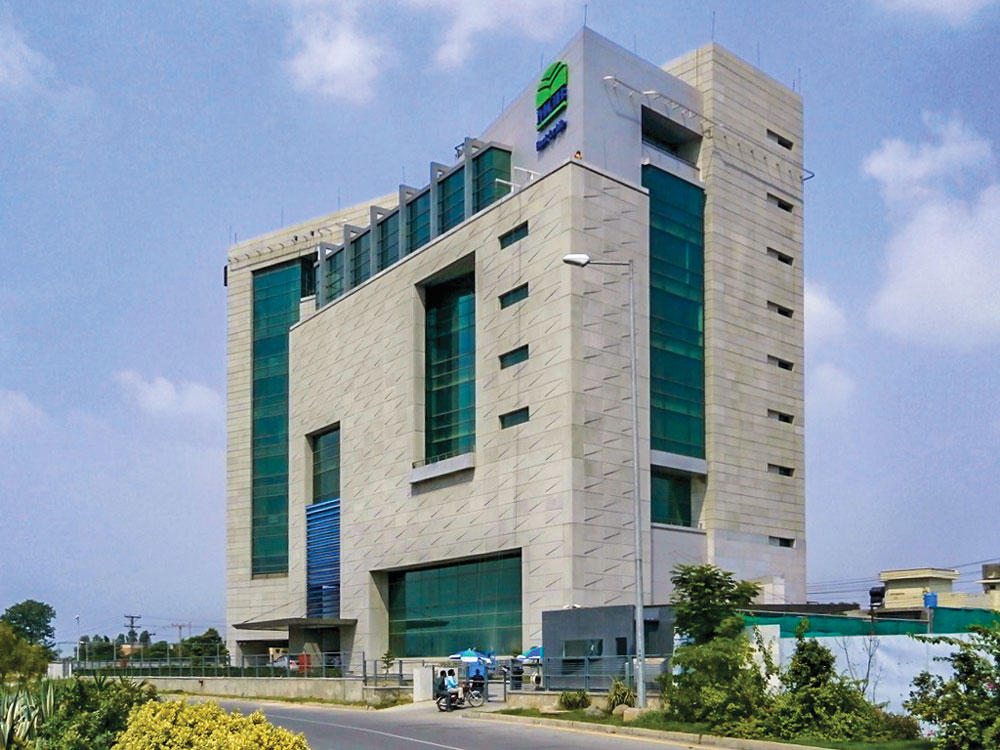
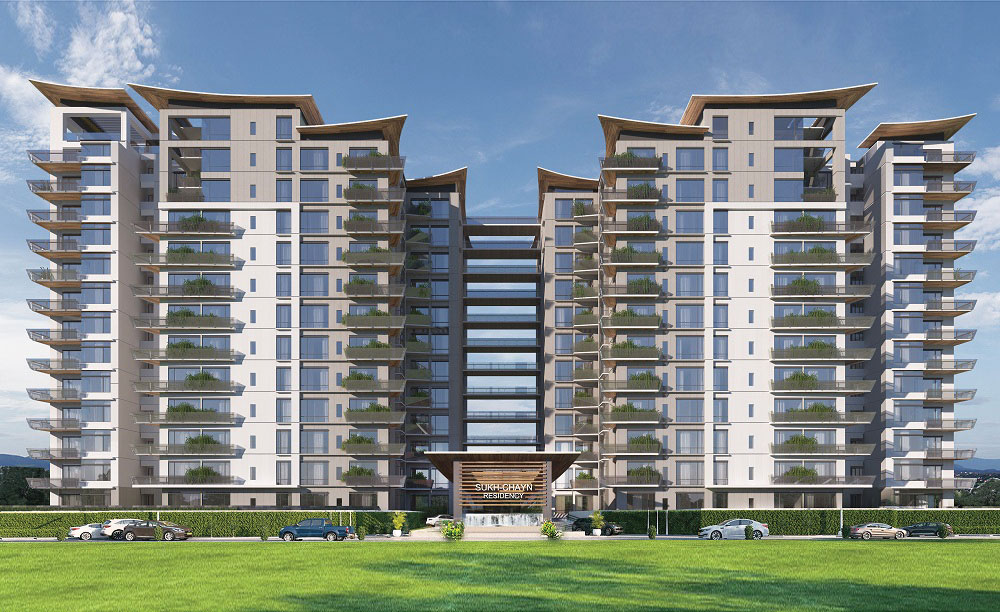
I have also been associated with the Association of Consulting Engineers Pakistan (ACEP) as their board member from 2014 – 2018 & 2020 – 2022 as well as for the current term of 2022 – 2024. I have also presented Technical Papers and given Presentations via different Platforms such as those of IEP, ACEP, & IEEEP amongst others, besides being actively involved with the IEEEP Symposiums 2022 & 2023.
I consider myself extremely fortunate to have the opportunity to interact and learn from various individuals and leaders of their profession, be they Consultants, Engineers, Architects, industrialists, Innovators, or Educationist. This process of learning is a continuous effort & journey which I hope continues for a long time.
AT: Was there a specific experience or person that inspired you to explore engineering professionally?
SA: While there have been many but the one person without whom none of the others contribution would matter is that of my father, as he has been my source of inspiration, a teacher, and a guiding beacon. I have been blessed with great teachers and mentors throughout my life, and one thing that they have all emphasized was to find my passion and to forge my path. Luckily for me, that pursuit of my passion allowed me to embrace this profession on my own terms and interest.
AT: What should be the role of the engineer in our society?
SA: The role of engineers in our society is two folds; one is to build and develop quality either in the form of product, service, institution, policy, etc. and second to maintain that quality by continuous upgradation, revamping, modification, etc. as per the changing requirements. Therefore the role of engineers is not only limited to engineering but every aspect of our life and society. As problem solvers and technical thinkers, we have been equipped with a specific set of tools that allows us to make contributions where ever we may be. It is our responsibility and duty to use these gifts for the betterment of society and our nation. If we don’t then it’s a discredit to our profession and education.
AT: In the heavy monsoon rains in Karachi, many people died due to electrocution. Who will be responsible and what is your expert advice for the safety of masses?
SA: To put blame on one person or institution is easy but not productive. While it is true that the callousness of the institutions and people who are responsible for ensuring the safety of the public and their property have failed miserably in ensuring their basic responsibility to the public/consumers. I also believe that most of these human losses could have been avoided if the general public would have been more aware and cautious in their actions. The fact that these incidents arise during every rainy season and the cause of these incidents is predominantly similar, it amazes me that neither the organizations, the people running the affairs, and the public have failed to learn from these incident and yet these same situations keep arising again and again.
The best thing about this current day & age is that we have all the necessary tools, technology, and understanding to help mitigate the risk of electrocution and in many cases stop them from even occurring, but what we lack is the intent and honesty to ensure its compliance and upkeep. Everyone who understands this issue will be able to give his two cents but at the end of the day what matters are the ground realities. Electrocution/Lightning Strikes and Fire are not a new phenomenon; humankind has been facing these issues since the beginning of human existence. Just as humanity was able to safeguard itself from these incidents during, the stone-age and the dark ages, why is it that we find it troublesome to adopt necessary safety measures to avoid risks of fire and electrocution? This is a question that we need to ask ourselves individually.
AT: How important is architectural lighting for the spatial environment while designing any project and what considerations you keep in mind?
SA: It should be understood that lighting has always been a major contributor to the development of human society and human evolution and hence its impact is entrenched in our human psyche. Light; be it either in the form of sunlight, moonlight, candlelight, lantern, electric bulb, lamp or bio-luminance; has an impact on our mental, physical, emotional, and spiritual existence which goes well beyond just the basic function of illumination. It is this very capability of light that makes it a very important and critical aspect of any architectural design and the resulting perception of the spatial environment.
As designers, it is our responsibility to understand the client’s and the architect’s requirements and to identify ways that help them achieve that vision. Concerning Illumination design, our primary target is to covert the Architect’s requirement into practical and workable solutions. As we are bound by the architect’s vision, the client’s wallet, technical guidelines & codes, as well as the available technology, we attempt to develop an achievable amalgamation of these elements. At the end of the day, the final result is based on the level of success in the union of all these elements.
AT: We have noticed whenever there is fire broke out in the buildings is due to electrical faults. what are your comments on this?
SA: Interestingly I have presented a paper on this very topic on the platform of the Institute of Engineers Pakistan (IEP) in 2012. One needs to understand that for any fire to start, it needs a material that can burn (i.e. fuel), air (i.e. oxygen), and enough temperature rise to cause the material to combust (i.e. heat). In any environment, two of these elements are always present. It is the third element that determines if there is a risk of fire or not. Concerning electrical fires, this risk is heightened by either faulty design with insufficient safety or overloading of circuits beyond their capacity. While the risk of electrical fire is always present, the level of risk can be easily be mitigated and in most cases eliminated by proper design and operations.
To ensure that all spaces; small or large; have fire safety inherent in their design, these spaces and buildings must be designed and developed by engineers having the necessary qualification and expertise. To ensure that this happens requires that there exist enforceable policies and guidelines which in turn requires accountability and enforcement of laws. In addition to good design, it also necessary that these spaces and systems are also properly maintained for which it should be mandatory that all electrical and fire safety infrastructure be duly evaluated and tested after every couple of years.
AT: What suggestions you would like to give for building safety and to avoid fire breakouts in the buildings?
SA: As I mentioned previously, the risk of electrical fire can easily be mitigated by incorporating suitable safety elements within the system design and ensuring that same are duly implemented during system installation and then maintained over the life of the building. This requires that the safety systems developed for the project/buildings are following its utility and purpose and that their upkeep and utilization is maintained.
Secondly, Compliance with Building Bye-laws, Good Engineering & Design Practices, as well as professional execution of works must be ensured by enforcement via government regulations, oversight and regulatory bodies, as well as Engineering Institutions.
AT: What are the considerations for building safety in terms of engineering design and what important tips you would like to give designers and the public at large?
SA: Any installation that has even the basic form of electrical connection and utilization must be developed by certified and experienced design engineers and the same be vetted and certified for compliance by Government Authorized agencies as done for Structural Design in Pakistan. It is important that such enforcement of laws is uniform and relevant guidelines are developed for them by professional experienced engineers.
AT: What would you suggest measures to be considered for reducing electrical loads in buildings?
SA: The present economic hardship and high inflation in this country have presented itself as having a silver lining. This silver lining has been in the form of the implementation of low-cost and efficient systems in most aspects of our everyday life. In most cases, this speed of implementation has been faster and greater than even the developed countries…
AT: Have you had a chance to work in other countries, what differences do you see in approach to electrical design?
SA: While I do have experience of working in the US but not about electrical design and consultancy. I do though have had various opportunities to review and comment on designs developed by international engineering firms. Likewise, our designs have also been reviewed and assessed internationally for some of our projects.
AT: Currently on what type of projects you are working?
SA: Our firm is presently involved in several different projects ranging from Residences to Residential Apartments, Commercial Buildings to High-rise Structures, Industries, Desalination Plants, and Power Projects. In addition to these, are also involved in some In-house Research and Development studies catering to different market segments.
We have been successful in implementing some of our in-house research activities in the real world such as manufacture & use of bio-fuels (i.e. bio-diesel) for power generation; developing DC-based installations for remote and off-grid dwellings and other installations; as well as smart power distribution of both primary & secondary power for very large infrastructures.
AT: What is your opinion about the use of solar energy in buildings in general and houses in Pakistan visa vis cost of the project?
SA: With the ever-increasing global demand for decreasing our carbon footprint to reduce the environmental and ecological degradation of our world, any steps and measures for the same should always be welcomed and encouraged. In my opinion, our focus should not only be limited to solar energy but also on water reusability and harvesting, ventilated facades, solar ingress, and heat conduction, natural lighting and ventilation, as well as smart architecture.
While all these words may seem complex and expensive, the reality is that they are not; neither are these new concepts and phenomena. It should be understood that is never one single solution/answer for any given problem, hence in engineering design, there is never a “one size fits all”.
In our attempt to educate our clients to embrace energy efficiencies beyond the obvious measures, as well as developing LEED compliant and certified projects, we have learned that achieving energy efficiencies and ensuring energy conservation required a well-rounded approach of all stakeholders of the project. This is not limited to the Client, Architect, and the Consultants, but also the Owner and Users of the building as well as the equipment and systems being placed inside the building.
AT: What are your comments on the starting of this Newage Engineers Interview series? Do you think young professionals particularly students will be benefitted?
SA: I would like to commend both ArchiTimes and Newage Cables in undertaking this initiative of recognizing the contribution of the various engineers and consultants in developing and sustaining the engineering industry of Pakistan. Our emerging generation of engineers must learn from their seniors and understand their philosophy and work ethics. They should learn that while a paycheck is important, it is not critical. To me what is critical is the drive to learn, grow, and contribute besides being steadfast in principals and ethics.
I hope that all the new engineers and students, who are reading this, should realize that as engineers their goal and dreams should only be limited by their imagination and that their loyalty to the profession should never be burdened or overshadowed by the demands of business.


