ARCHI TIMES Interview | Photographs by Engineer
Engineer Emaduddin Ahmed is a seasoned structural engineer and the Chief Executive Officer of MSA Pvt Ltd, a firm with over four decades of experience in engineering design and construction. He has played a key role in advancing design-build solutions, particularly in light gauge steel structures and infrastructure projects across Pakistan. With international academic exposure, including studies in the United States, and extensive professional experience, he has led MSA in delivering complex projects such as hospitality developments, institutional buildings, and infrastructure works in challenging environments. Under his leadership, MSA continues to emphasize innovation, structural efficiency, and sustainable construction practices, contributing significantly to Pakistan’s evolving built environment.
EARLY INFLUENCES: WHAT SET YOU ON THE PATH TO ENGINEERING?
EMAD UDDIN (EU): I grew up in Karachi and was exposed to civil engineering very early through my father, Mr. Midhat Siddiqui. He was a respected structural engineer who later built a successful design-build firm, MSA (Pvt) Ltd, delivering major bridge projects across Pakistan’s Northern Areas. Visiting project sites with him-dams, coastal works, bridges-left a lasting impression. By the time I finished my A-levels at St. Patrick’s in 1988, I already knew I wanted to follow that path.

YOUR TIME IN THE U.S.-WHAT SHAPED YOU THE MOST?
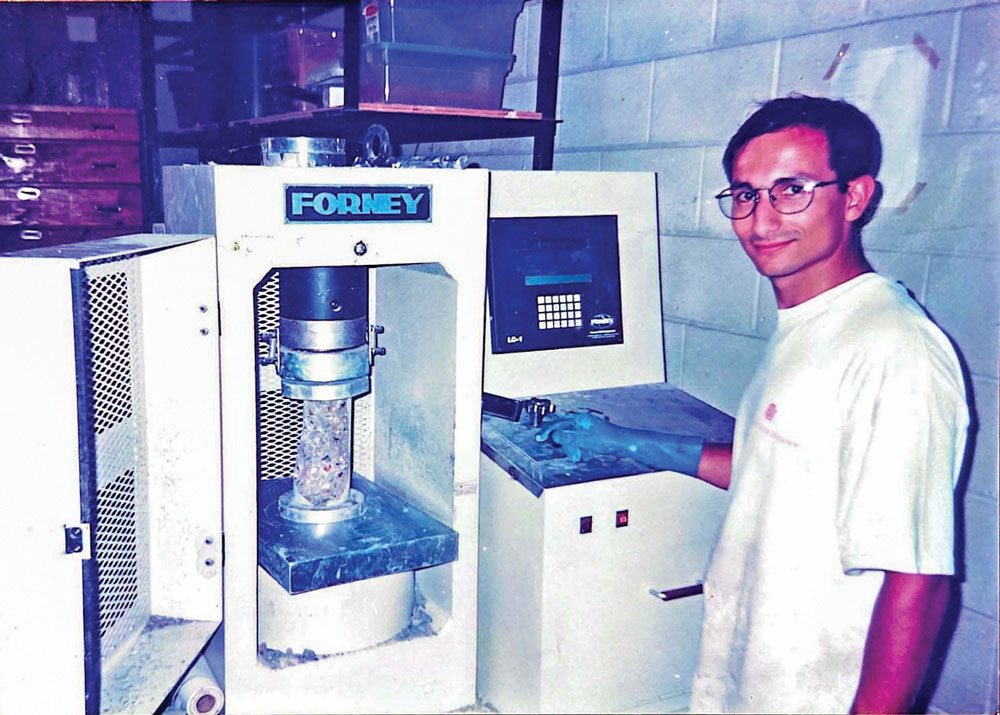
EU: At The University of Texas at Austin, I found my direction in structural engineering. Professors like Dr. Michael Engelhardt and Dr. James Jirsa were hugely influential. Working at the Ferguson Structural Engineering Lab gave me hands-on exposure to real research.
Later, at the University of Oklahoma, I deepened that experience as a graduate research assistant. My first job at HNTB as Bridge Engineer in Kansas City was equally formative-great projects, great learning. But life had other plans, and I returned to Pakistan after my father’s passing in 2001.
WHAT WAS YOUR FIRST REAL TEST AS A PROFESSIONAL?
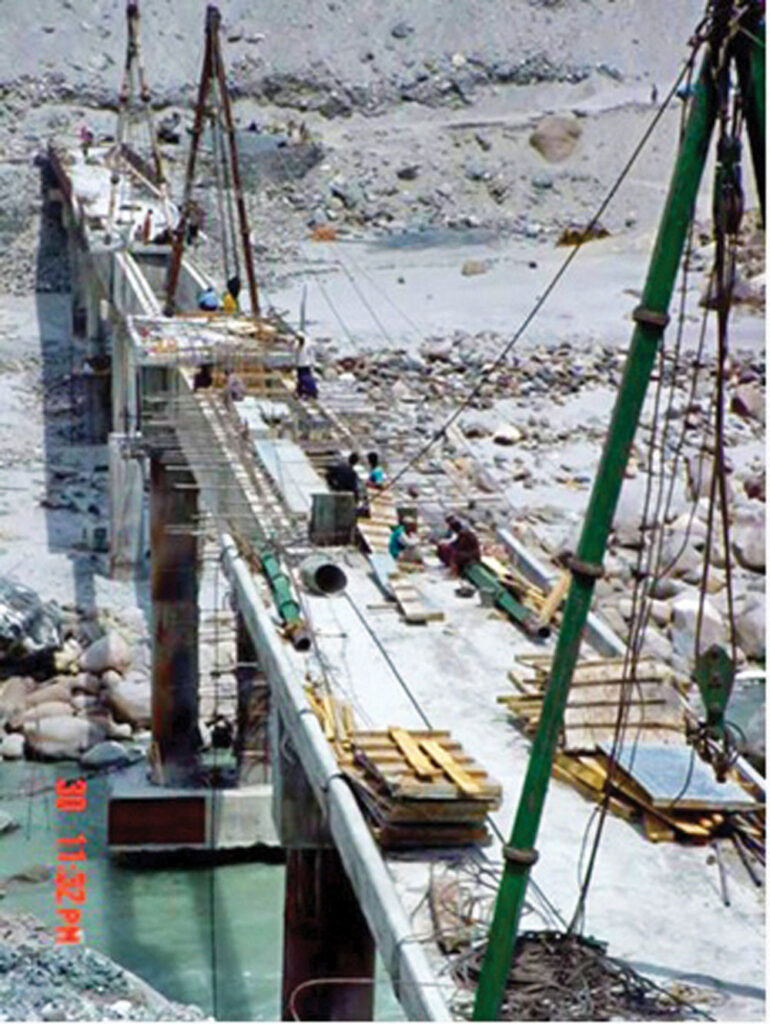
EU: Taking over ongoing bridge projects in Gilgit. The most challenging was a bridge over the Indus River-fast currents, 60 ft river depth at the deepest point, and enormous forces on the piers.
There were serious design and constructability challenges. I had to rethink both the structural system and the construction approach, including introducing a longer span and strengthening the piers. It was intense-many sleepless nights-but we delivered it successfully. That project defined my confidence as an engineer.
WHY THE SHIFT FROM BRIDGES TO COLD-FORMED STEEL (CFS)?
EU: After designing nearly two dozen bridges, I began to feel the field had become saturated, offering limited scope for meaningful innovation. While technically demanding, the work was becoming increasingly repetitive, prompting me to look for new approaches with greater impact.
The 2005 Kashmir earthquake created an urgent need for rapid and efficient reconstruction, especially in the education sector. In response, we introduced Cold-Formed Steel (CFS) technology and secured a project to rebuild 41 schools in AJ&K-an experience that proved to be a turning point.
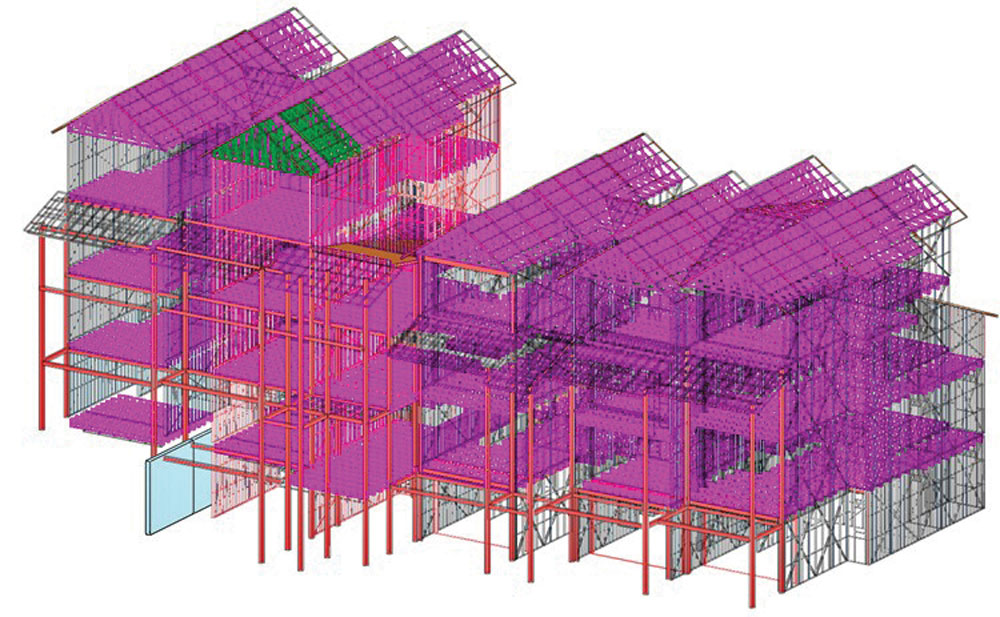
CFS, combined with Building Information Modeling (BIM) and factory-based fabrication, offered exceptional speed, precision, and quality control. It transformed not only how projects could be delivered, but how design and execution could be seamlessly integrated. Since then, I have remained focused on advancing this approach, exploring its potential for scalable and resilient construction.
YOUR MOST CHALLENGING PROJECT SO FAR?
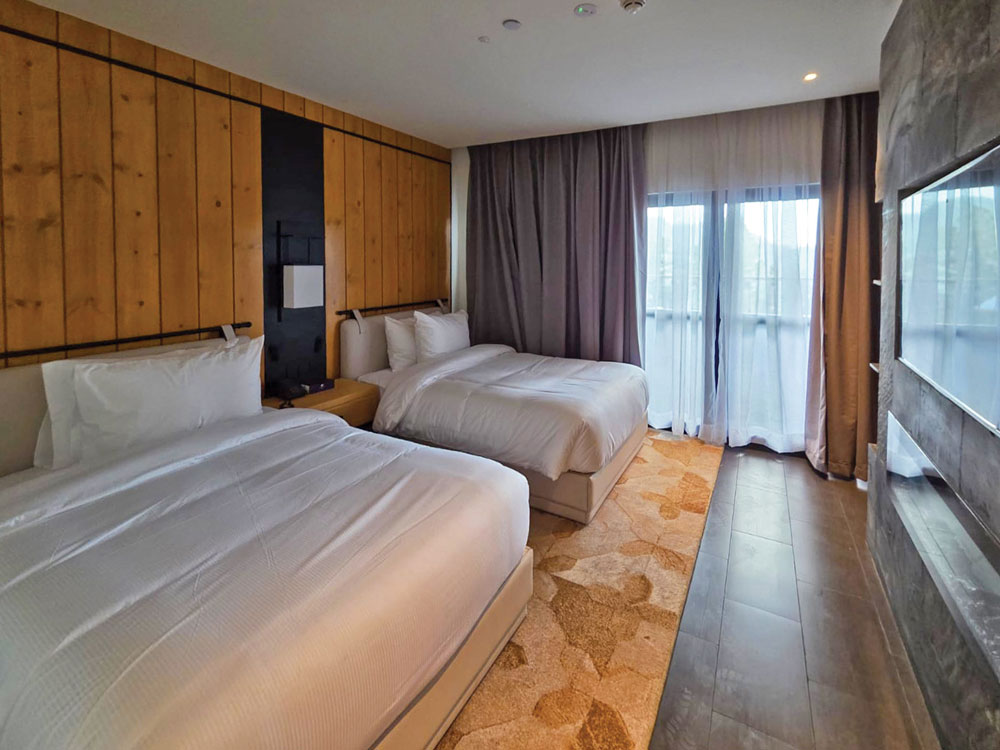
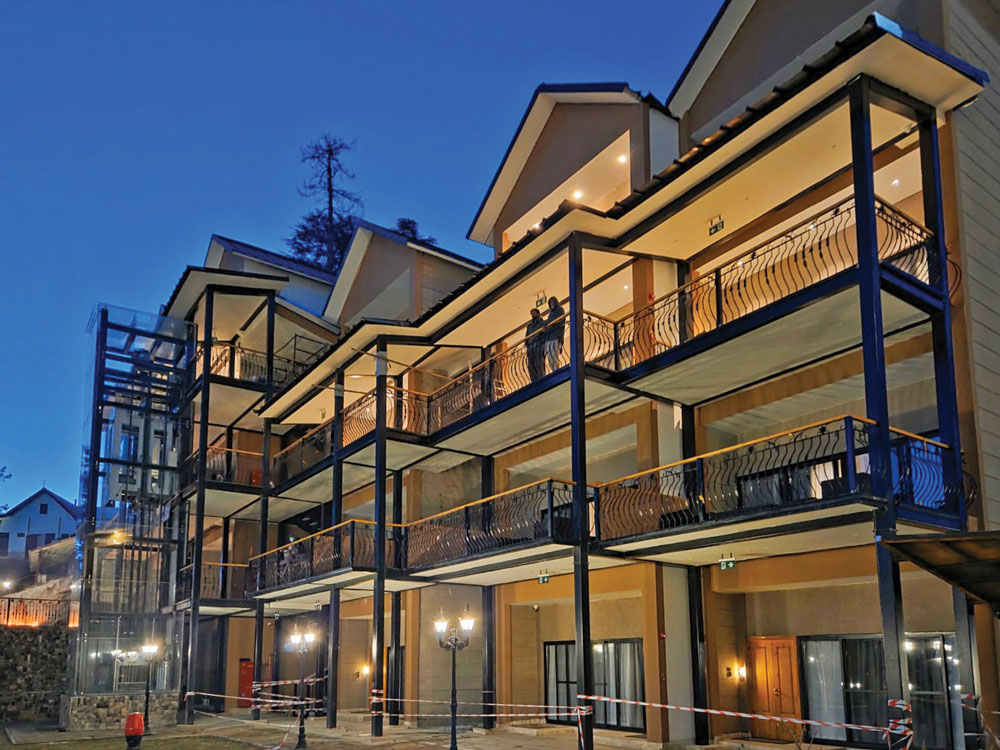
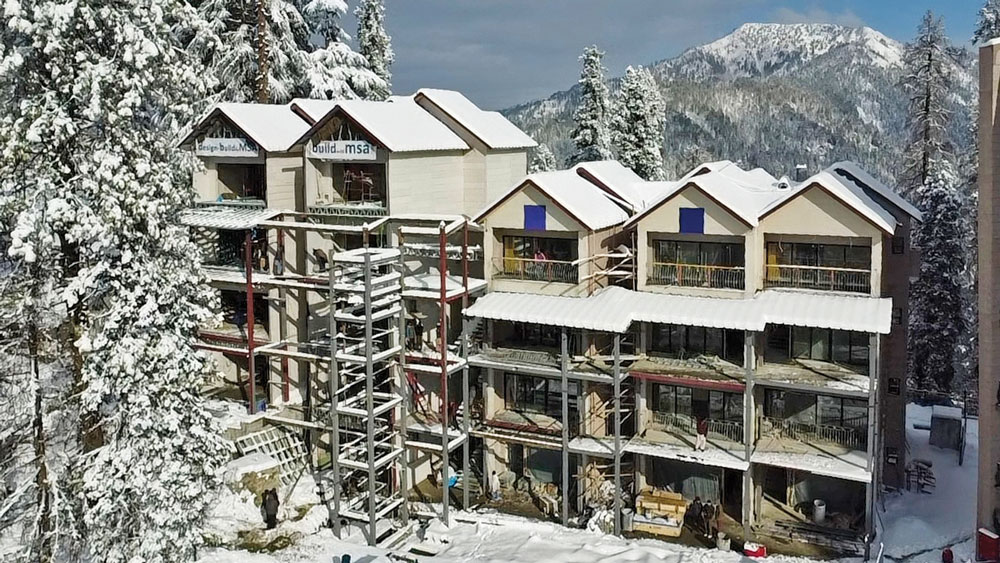
EU: The four- and five-storey chalets at DoubleTree by Hilton, Nathia Gali, marked a significant milestone for us. It was our first mid-rise CFS project and, at the time, the first of its kind in Pakistan-introducing a new approach to construction in a highly demanding context.
The site presented a unique set of challenges. Located in a high seismic zone, the structures had to be carefully engineered to withstand not only earthquake forces but also heavy snow loads and strong winds typical of the region. Adding to this complexity were the site constraints: narrow, difficult access roads and limited working space, which made the movement of materials, equipment, and manpower particularly challenging.
Despite these hurdles, the use of Cold-Formed Steel (CFS), combined with precise planning and efficient execution, enabled us to achieve remarkable speed and accuracy. The entire structural frame along with the external cladding was completed in just three months-an outcome that would have been difficult to achieve with conventional construction methods.

The project was intense and demanded constant coordination, problem-solving, and adaptability on site. However, it ultimately proved to be an incredibly rewarding experience, demonstrating the potential of CFS technology in tackling complex, high-performance projects in challenging environments.
WHAT MAKES CFS STAND OUT?
EU: Speed and precision. You’re designing in BIM, fabricating with CNC, and assembling quickly on-site. That reduces errors, waste, and delays.
It’s also energy-efficient by design, thanks to built-in insulation. And because construction is faster, you reduce financial exposure to inflation and start generating returns earlier.
IS CFS MORE EXPENSIVE THAN CONCRETE?
EU: Upfront, there is a slight increase-typically in the range of 2-3% of the total project cost-but that figure alone doesn’t capture the full economic picture. It’s important to look beyond initial capital expenditure and consider how the building performs over time.

One of the most immediate advantages is speed. Faster construction means earlier project completion, which can significantly reduce financing costs and allow for quicker occupancy or revenue generation. In commercial or hospitality projects, even a few months saved can have a meaningful financial impact.
Over the longer term, the benefits become even more pronounced. Improved build quality and precision lead to lower maintenance and repair costs, while better thermal performance reduces energy consumption for heating and cooling. These operational savings accumulate year after year, enhancing overall efficiency and lowering the total cost of ownership.
When evaluated across the building’s lifecycle, this approach often proves to be more economical. The modest upfront premium is typically offset-and in many cases surpassed-by the combined savings in time, operations, and maintenance, making it a financially and strategically sound investment.
WHERE DOES CFS WORK BEST?
EU: Mid-rise buildings with repetitive layouts-such as homes, apartment blocks, hotels, and schools-are where this system performs at its best. The consistency in design allows for standardisation, faster fabrication, and highly efficient on-site assembly, making it particularly well-suited for projects that prioritize speed, scalability, and cost control.
For structures requiring larger spans or high-rise construction, conventional concrete or hybrid structural systems tend to be more practical due to their inherent mass, stiffness, and load-bearing capacity. These systems are better equipped to handle the structural demands of greater heights and wider column-free spaces.
However, when it comes to vertical extensions-especially on existing buildings-CFS becomes extremely advantageous. Its lightweight nature significantly reduces additional load on the existing structure, often eliminating the need for major structural strengthening. Combined with rapid installation and minimal disruption to occupants, it makes CFS one of the most efficient and practical solutions for adding extra floors in constrained or occupied environments.
IS IT SAFE AND DURABLE?
EU: Absolutely. With proper design, CFS buildings meet international standards for fire safety, energy efficiency, and acoustics.
They’re also highly resilient-lightweight structures perform well in seismic conditions, and galvanized steel ensures long-term durability.
WHAT OTHER CFS DESIGN-BUILD PROJECTS HAVE YOU DONE?
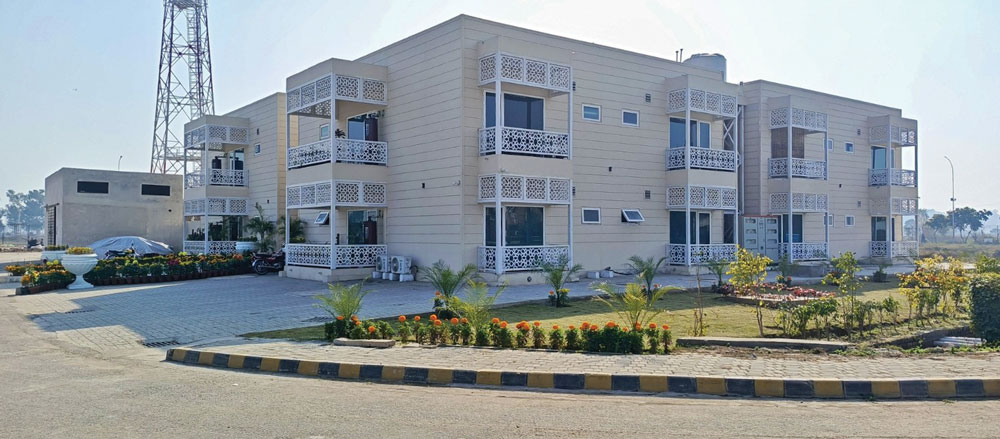
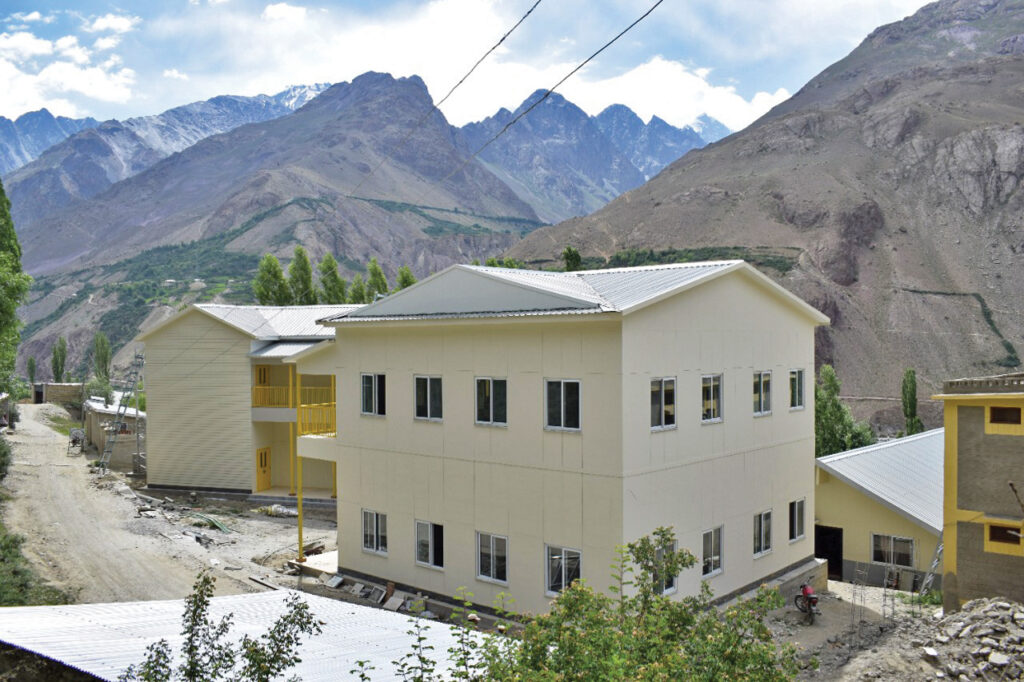
EU: Since 2008, we have delivered a diverse portfolio of projects across Pakistan using CFS technology. These include schools and faculty residences for the Aga Khan Education Services, as well as apartment and office buildings for Sialkot International Airport.
Our experience also extends to hospital and factory extensions, where speed, minimal disruption, and structural efficiency are critical. In addition, we have successfully executed a pedestrian bridge in CFS-demonstrating the system’s versatility beyond conventional building typologies.
Over the years, we have continued to expand this portfolio with numerous projects for a wide range of clients across the country, refining our expertise and adapting the system to varied functional, structural, and environmental requirements.


WHAT NEEDS TO CHANGE FOR ENGINEERING IN PAKISTAN TO PROGRESS?
EU: There is a clear need to invest more in young engineers by moving beyond classroom learning and giving them meaningful, early exposure to real projects. When they are entrusted with genuine responsibility-rather than just observation-they develop far stronger technical judgment, problem-solving ability, and ownership of outcomes.
Equally important is structured mentorship. Experienced professionals need to actively guide young engineers through both design thinking and construction realities, helping them bridge the gap between theory and practice. Exposure to site conditions, coordination challenges, and decision-making under constraints is what ultimately shapes capable engineers.
Initiatives by the Pakistan Engineering Council are a positive step in this direction, particularly in terms of strengthening professional development frameworks and encouraging industry engagement. However, the real impact will depend on how effectively these initiatives are implemented on the ground-ensuring they translate into sustained mentorship, hands-on training, and meaningful integration of young engineers into live projects.
HOW DO YOU DEVELOP TALENT IN YOUR ORGANIZATION?
EU: We hire young engineers and train them hands-on. Many of them go on to excel internationally. Engineers who understand both design and execution bring far more value-they think practically and solve problems better.
LIFE BEYOND ENGINEERING-WHAT KEEPS YOU GROUNDED?
EU: Family, tennis, and a bit of social impact work.
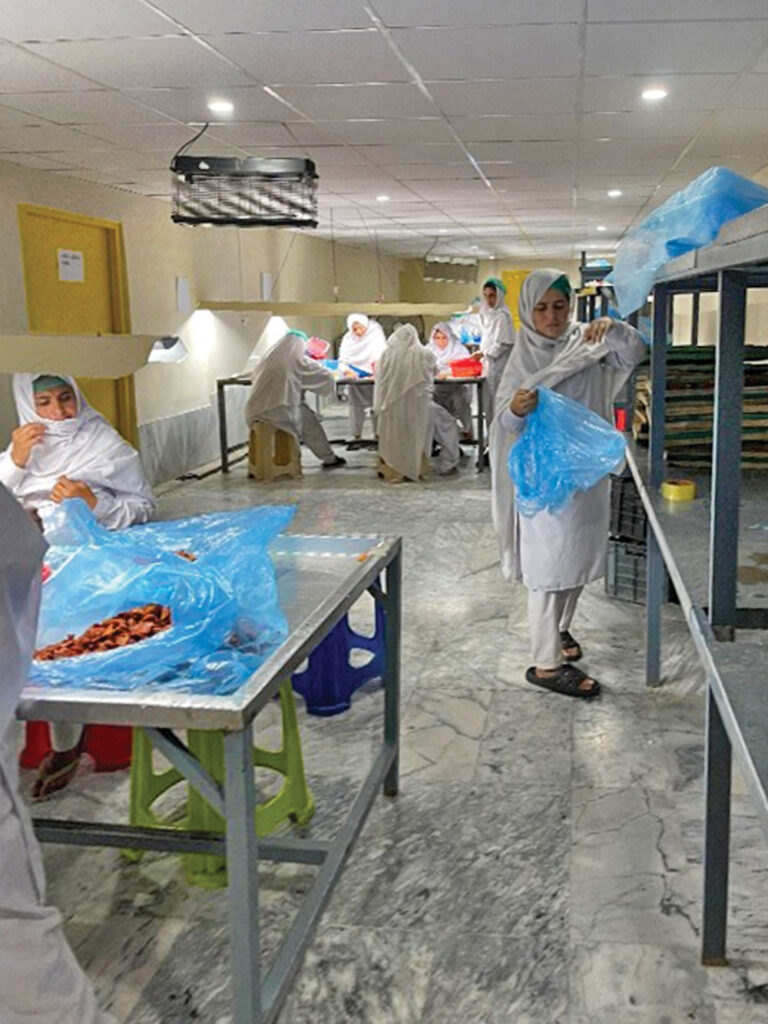
In Gilgit, I’ve set up a small enterprise processing organic dried fruits for export to Japan. It helps local farmers earn better incomes, and about 95% of the workforce is women. That’s something I’m particularly proud of.
YOUR ADVICE TO YOUNG ENGINEERS?
EU: Don’t limit yourself. Get experience in both design and construction-it will make you a better engineer.
Also, understand contracts and project management early on. A well-rounded skill set will accelerate your growth and open more opportunities.