


Umar Saeed is a Pakistani architect, educator, and academic leader, currently serving as Chairman of the ARCASIA Committee of Architectural Education (2026–2027). A graduate of the National College of Arts, with a Master’s degree from Pratt Institute, he brings both local grounding and international exposure to his work.He is the CEO of Saeed Akhtar Studio, Lahore, and has played a key role in shaping architectural education in Pakistan through his involvement with the Institute of Architects Pakistan. He has also contributed at the international level through the Commonwealth Association of Architects, working on educational standards and policy.His work focuses on advancing curriculum development, strengthening institutional collaboration, and preparing future architects to respond to evolving global and regional challenges.
Interview by Anzalna Wazir | Photos Credit: SAS Architects
BEFORE STARTING, WE WOULD LIKE TO KNOW YOUR PROFESSIONAL EDUCATIONAL BACKGROUND.
UMAR SAEED (US): I am a professionally trained architect with a strong academic and practice-based background. I graduated in Architecture from the National College of Arts (NCA), Lahore, Pakistan, in 1993, where I was exposed to a highly stimulating environment that emphasized creativity, critical thinking, and an understanding of Pakistan’s cultural and architectural heritage. During my time at NCA, I was fortunate to work on both academic and small professional projects, which gave me a sense of how theory and practice intersect in real-world architecture.


Later, I pursued advanced studies in Interior Design at Pratt Institute in New York, USA, which broadened my understanding of spatial design, materiality, and human experience in a global context. Studying abroad exposed me to diverse architectural philosophies, sustainable design strategies, and the importance of design thinking as a universal language.
Alongside professional practice, I have remained deeply engaged with architectural education as an educator, examiner, and academic administrator, both nationally and internationally. These experiences have strengthened my belief that education and practice are mutually enriching and that architects must continually engage with learning throughout their careers.
WHAT INSPIRED YOU TO PURSUE A CAREER IN ARCHITECTURE?
US: I am proud to belong to a highly acclaimed fine arts family. My father, Prof. Saeed Akhtar, is regarded as a living legend in the field of fine arts, and my early environment was deeply rooted in creativity, aesthetics, and disciplined artistic practice. Growing up, I was constantly surrounded by discussions of form, color, and composition, which naturally shaped my sensibility and inclination toward the creative disciplines.


Architecture appealed to me because it exists at the intersection of art, science, culture, and society. I was fascinated by how the built environment influences human behavior, cultural identity, and collective memory. Over time, I realized that architecture is not merely about creating forms or aesthetic gestures, but about responsibly responding to context, climate, culture, and human needs. This realization, coupled with my exposure to the arts from an early age, inspired me to pursue architecture as a lifelong profession, blending creativity with purpose and social responsibility.
WHAT WAS YOUR FIRST ARCHITECTURE PROJECT? DID THEY PAY YOU?
US: I began working professionally while I was still a student. In my second year of architecture, I joined Nayyar Ali Dada & Associates, one of Pakistan’s leading architectural firms. For the next four years, alongside my undergraduate studies, I was closely involved in a wide range of architectural projects-residential, institutional, and commercial-which provided me with an exceptional foundation in professional practice. The exposure to complex projects, client interactions, and teamwork at such an early stage helped me understand the practical realities of architecture, something that textbooks alone cannot teach.
After completing my bachelor’s degree, I joined Kamran Sheikh Interior Design, where my focus shifted more towards interior design. This experience was pivotal in shaping my approach to human-centric and detail-oriented spaces, and it strongly influenced my decision to pursue advanced studies in Interior Design.
Upon returning from the United States in 1997 after completing my education, I began practicing under Saeed Akhtar Studio, a firm established in 1965 by my father, which I continue to be associated with to this day as the lead Architect and CEO. From the very beginning of my professional career, my work has always been fully professional and duly compensated, which instilled in me a deep sense of ethics, responsibility, and professionalism.
TELL US ABOUT YOUR FIRM AND WHAT TYPE OF PROJECTS YOU HAVE DESIGNED.
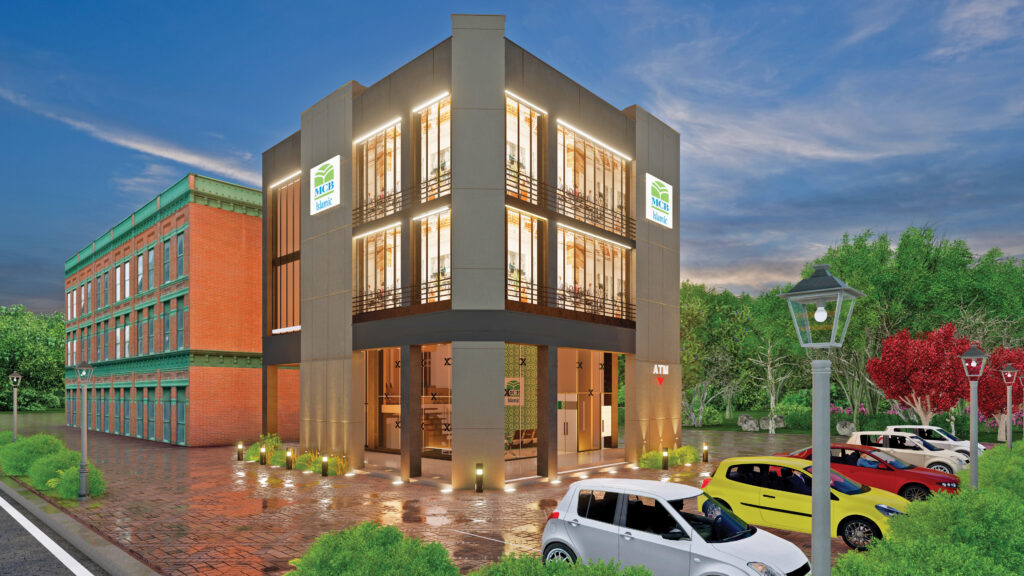
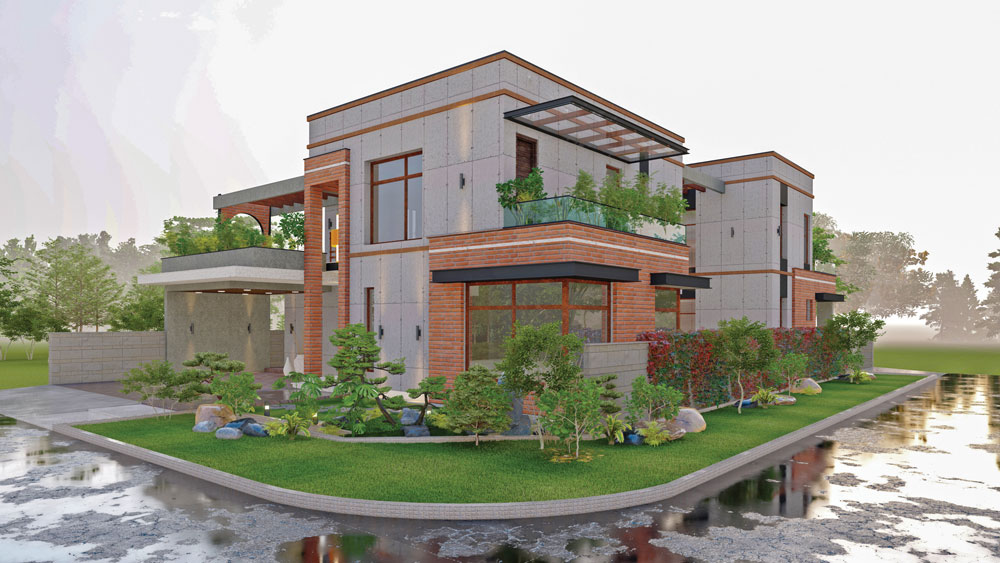
US: My firm has worked on a diverse range of projects, including residential, commercial, institutional, and interior design works. We are particularly drawn to projects that demand contextual sensitivity, thoughtful spatial planning, and a response to user needs. Rather than focusing on a single typology, our practice emphasizes adaptability, research-based design, and creativity grounded in real-world constraints.
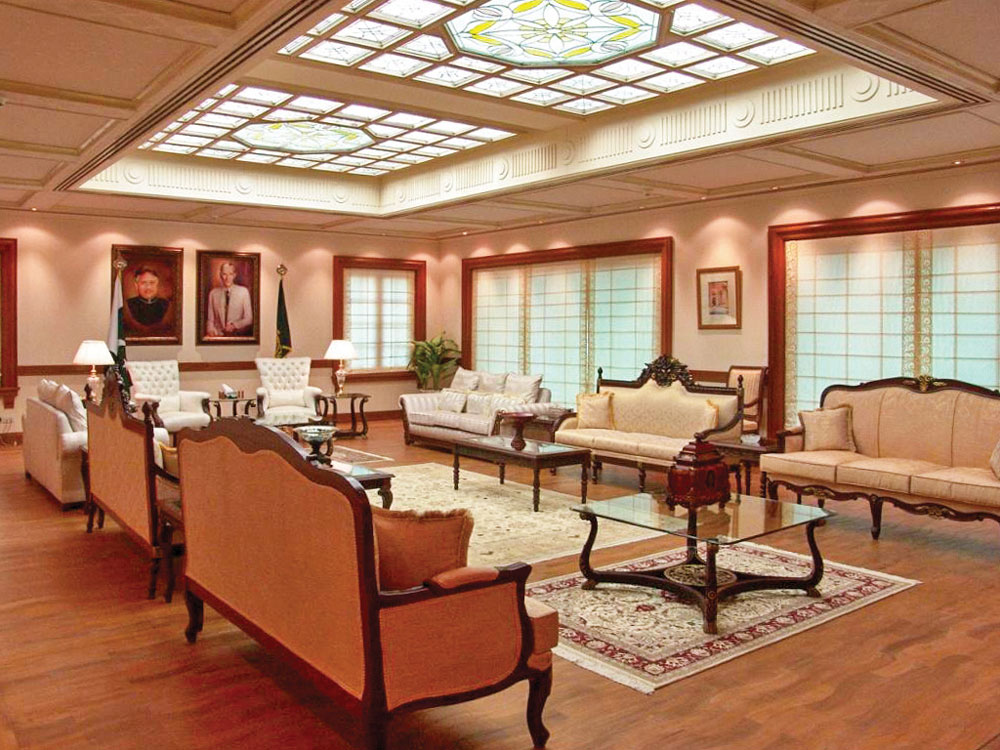
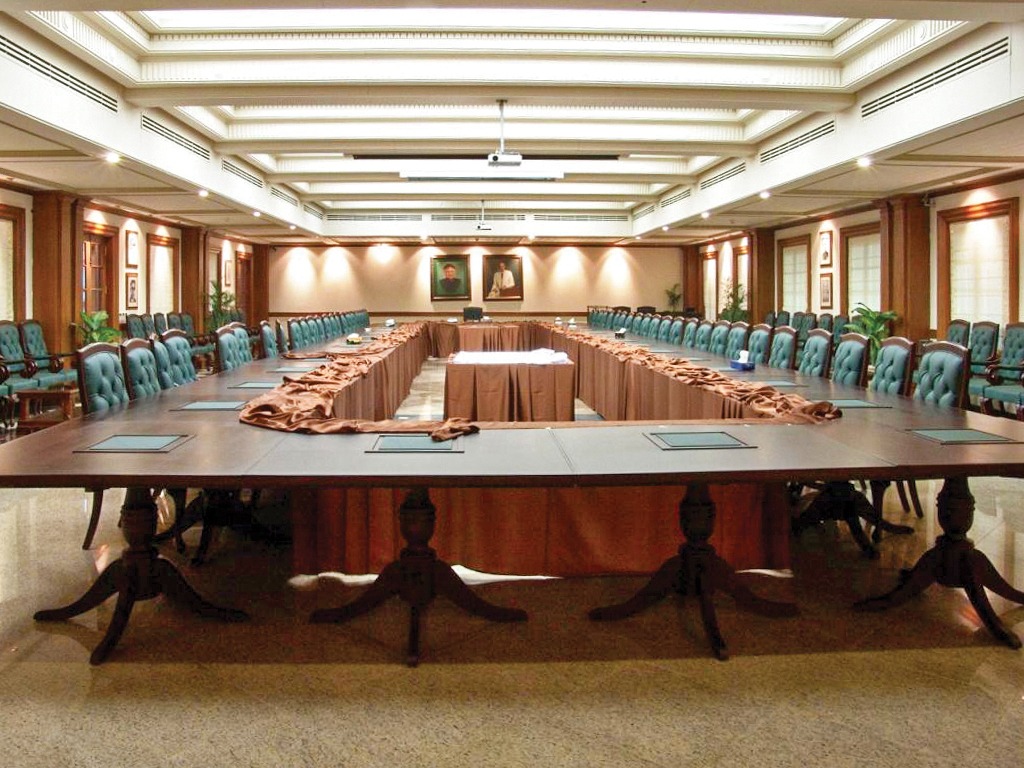
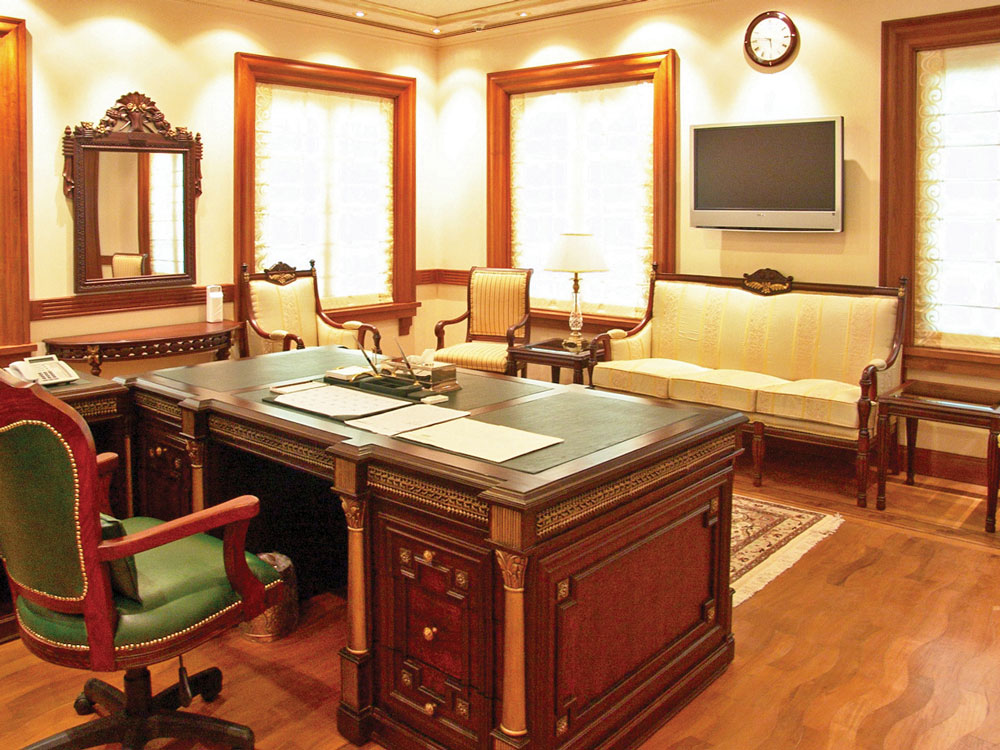
Currently, we are more focused on commercial high-rise projects, selective residential works, and corporate interior design, which allows us to apply both strategic thinking and attention to detail. For example, in recent commercial projects, we have integrated climate-responsive design elements, sustainable materials, and user-centric spaces, ensuring that the architecture is both functional and socially relevant. Similarly, in interiors, we strive to create environments that enhance user experience while reflecting the client’s identity and aspirations. Through this diversity of projects, we continually learn, experiment, and refine our approach.
WHICH ARCHITECT HAS BEEN MOST INFLUENTIAL ON YOUR WORK STYLE?
US: Rather than being influenced by a single architect, my work has evolved through engagement with a range of architects and thinkers, both local and international, who emphasize context, human scale, and social responsibility.
In recent years, I have been particularly impressed by the work of Rafiq Azam, whose architecture demonstrates a sensitive and thoughtful response to climate, materials, and place. Beyond professional admiration, we have developed a close friendship, and our ongoing conversations about architecture, education, and practice have been intellectually enriching. These professional friendships are vital-they help refine one’s thinking, encourage reflection, and ensure that the design process remains both grounded and innovative.
From this, I have learned that architecture is not just about aesthetics or function-it is about responsibility, empathy, and connection to context, lessons I consciously carry into my own work.
WHAT IS YOUR DESIGN PHILOSOPHY? DO YOU GIVE IT CONSIDERATION WHILE DESIGNING YOUR PROJECTS?
US: My design philosophy is rooted in context, climate, and human experience. I believe architecture must emerge from a deep understanding of place-its culture, environment, materials, and social realities-rather than from imposed stylistic expressions or trends.
Design, for me, is a process of careful listening and inquiry. Every project demands its own response, shaped through research, dialogue with users, and respect for ecological and cultural sensitivities. Whether at the scale of a building or an interior space, I consciously ensure that my design decisions reflect these principles.
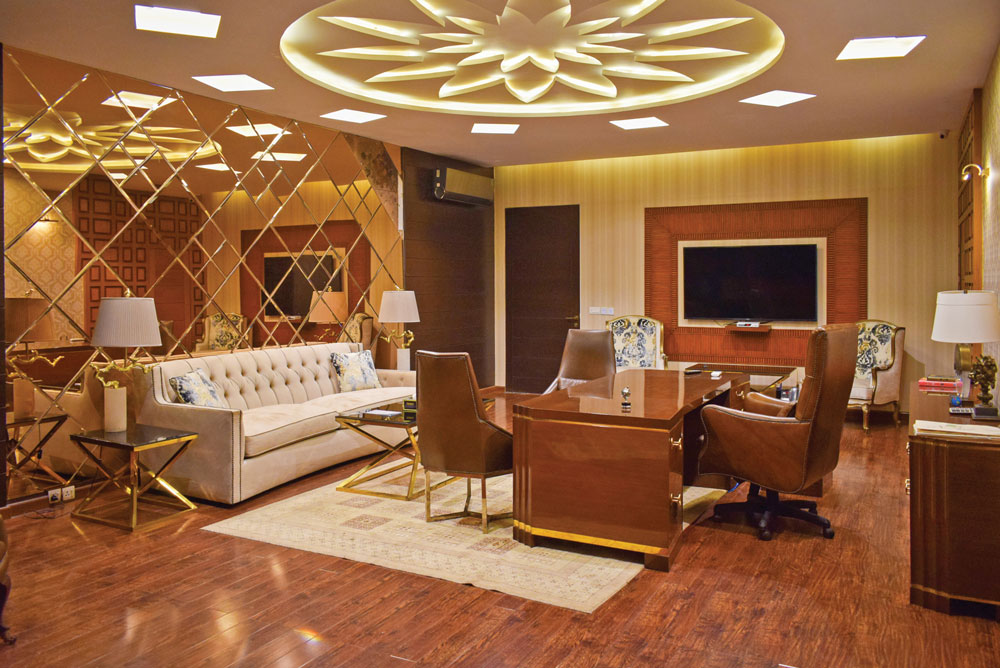
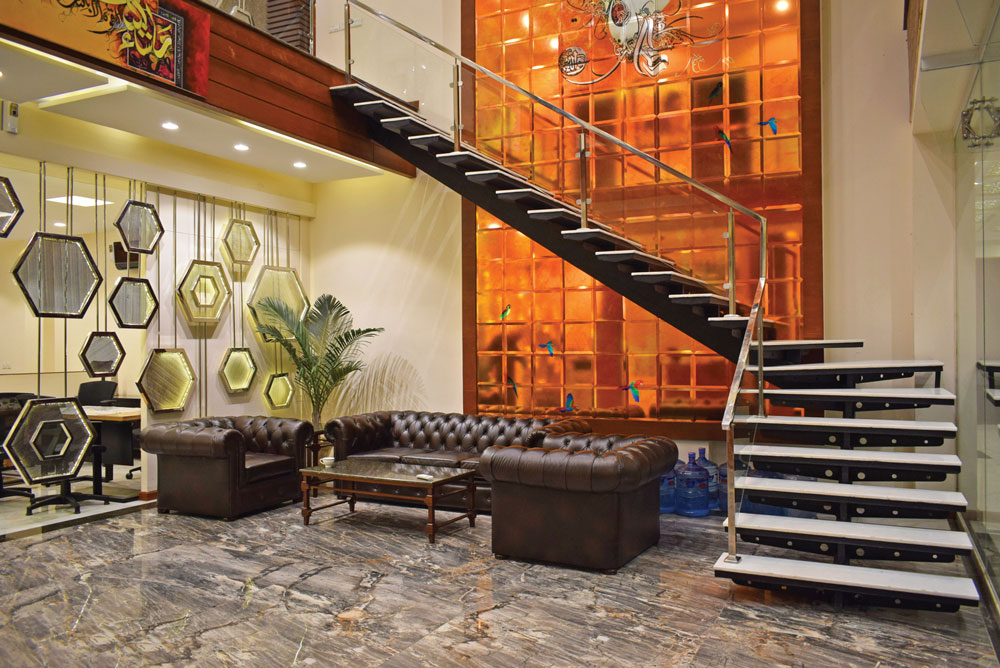
In practice, this philosophy manifests as spaces that are functional, beautiful, and sensitive to their surroundings-architecture that not only meets client requirements but also enhances the human experience and respects its cultural and environmental context.
WHAT DO YOU ENJOY MORE: ARCHITECTURE OR INTERIOR DESIGN PROJECTS, AND WHY?
US: I enjoy both architecture and interior design, as each engages a different scale of thinking and responsibility. Architecture allows me to respond to the larger context-urban fabric, climate, and collective experience-while interior design offers a more immediate and intimate engagement with space, materials, and human interaction.
Interior projects often allow ideas to be realized more quickly and directly, whereas architectural projects demand patience, long-term vision, and coordination at multiple levels. Having worked extensively in both domains, I see them not as separate disciplines but as complementary processes, each enriching the other and informing my overall approach to design.
Furthermore, both domains require a balance of creativity, technical rigor, and empathy for users, and navigating these scales continuously challenges me to learn, adapt, and innovate.
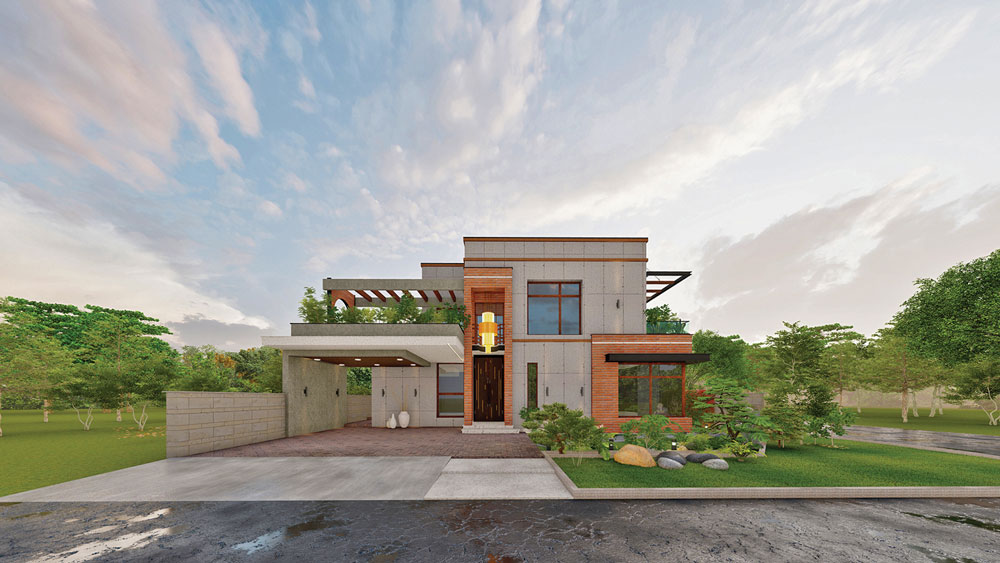
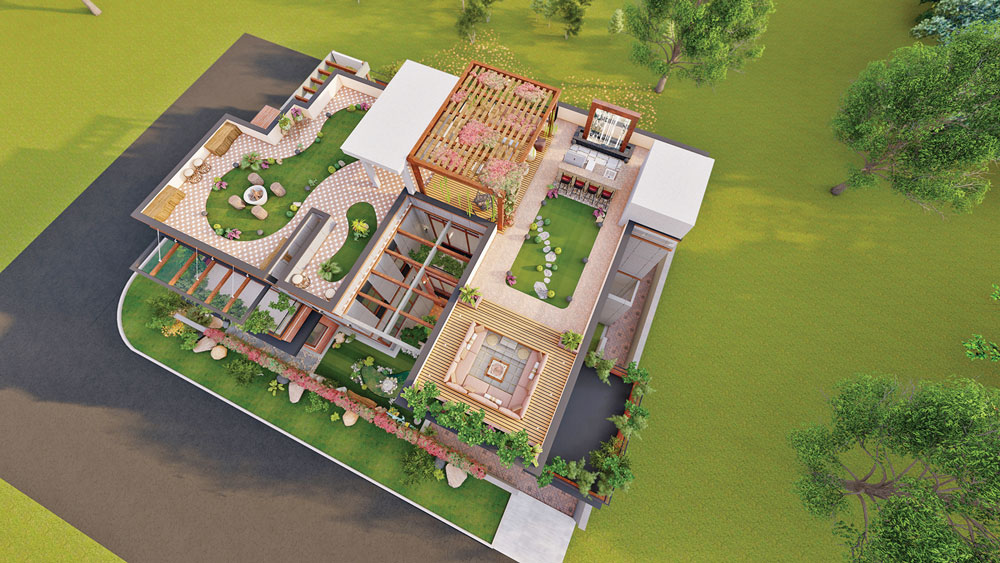
On ACAE – CAA & Professional Issues
IT IS A GREAT HONOR THAT YOU ARE THE FIRST PAKISTANI ARCHITECT ELECTED CHAIRMAN OF EDUCATION COMMITTEES OF ARCASIA AND CAA SIMULTANEOUSLY. WHAT ARE YOUR VIEWS ON THIS HONOR, AND COULD YOU SHARE THE ELECTION STORY?
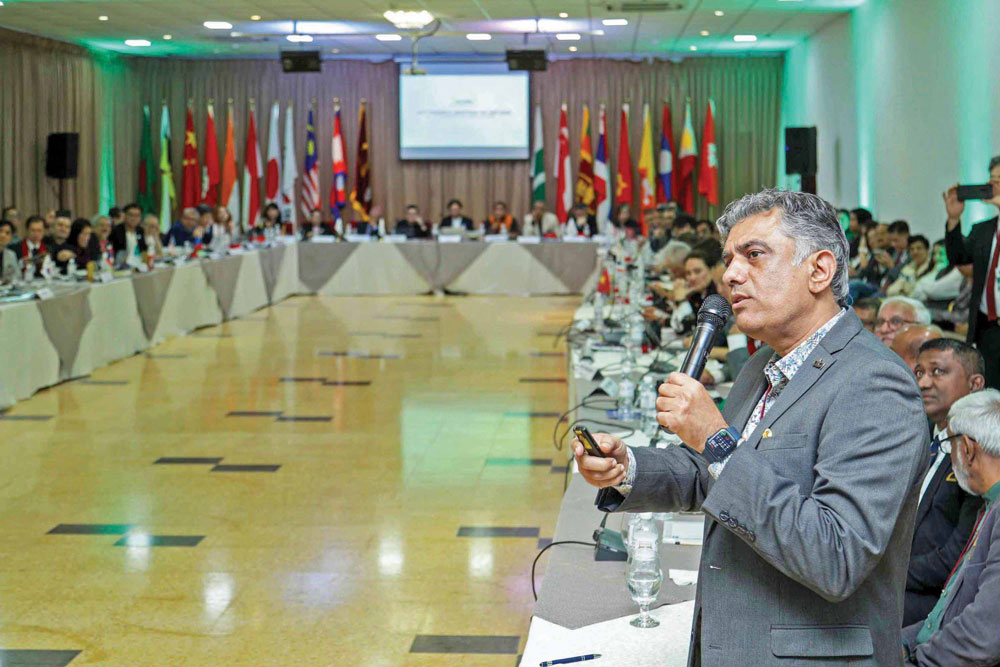
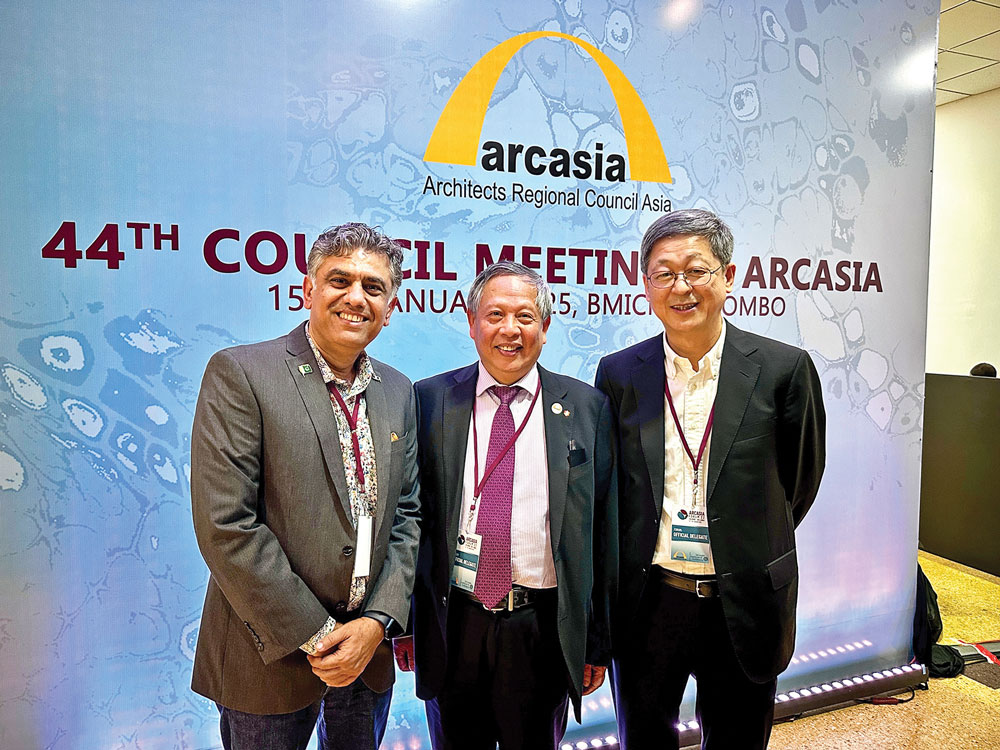
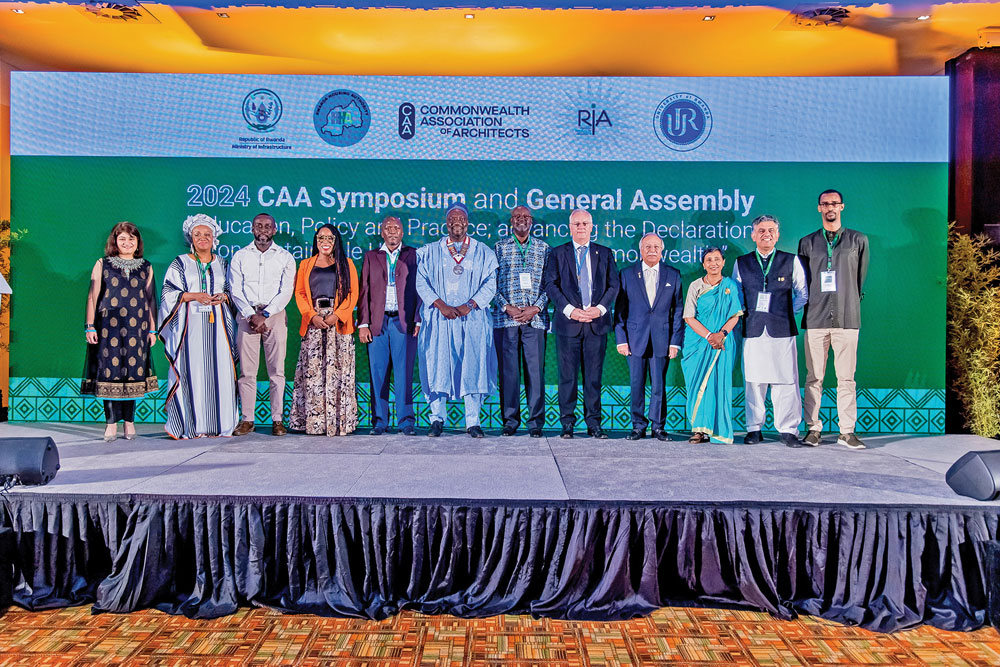
US: It is truly an honor and a humbling responsibility to be the first Pakistani architect elected as Chair of ACAE while simultaneously leading education efforts at CAA. I see this recognition not as a personal achievement, but as a reflection of Pakistan’s growing contribution to architectural education in the region.
The election process was rigorous and collaborative, involving engagement with educators, professionals, and representatives across ARCASIA’s 24 member countries. I am particularly grateful for the trust placed in me by my mother institution, the Institute of Architects Pakistan (IAP), and for the support of colleagues, students, and peers who believe in the importance of educational leadership.
This honor also comes with significant responsibility: to ensure that the platforms of ACAE and CAA are used to foster collaboration, share knowledge, and advance the quality of architectural education across Asia in a meaningful and sustainable way.
WHAT REFORMS AND INITIATIVES WILL YOU TAKE UP AFTER ASSUMING THE ARCASIA AND CAA ARCHITECTURE EDUCATION CHAIR OFFICES?
US: My focus is on bridging the gap between education and practice by promoting collaboration, research, and knowledge sharing across the region. Key initiatives include:
– Building a zone-wise database of architecture schools to ensure representation, facilitate networking, and provide students and faculty with a clear map of learning opportunities across Asia.
– Conducting comprehensive surveys to understand the strengths, gaps, and best practices in each region, covering curriculum, teaching methods, faculty development, industry linkages, and emerging technologies.
– Facilitating inter-institute engagement through webinars, collaborative studios, faculty exchanges, and joint research projects to create a shared learning culture.
These steps aim to create a connected, informed, and collaborative educational ecosystem, enabling students and faculty to learn from diverse design cultures and to respond effectively to contemporary professional challenges. My goal is to foster cross-border collaboration that enhances both regional identity and global relevance.


WHAT ARE YOUR VIEWS ABOUT THE STANDARD OF ARCHITECTURAL EDUCATION IN PAKISTAN?
US: Pakistan has made remarkable progress in architectural education, with talented students and growing institutional capacity. The country has many institutions that produce creative, capable architects.
Yet, like many countries, there is room for improvement, particularly in areas such as faculty development, integration with professional practice, research culture, and the adoption of emerging technologies. By introducing structured reforms, encouraging collaboration, and strengthening faculty development, our educational system can fully equip students to meet both regional and global challenges, ensuring that Pakistan remains a hub of innovative and socially responsible architecture.
DO YOU THINK THERE IS A NEED FOR REFORMS TO IMPROVE ARCHITECTURAL EDUCATION? IF YES, WHAT TYPE OF REFORMS ARE NEEDED?
US: Absolutely. Reforms should focus on:
– Curriculum modernization to include sustainability, technology, and interdisciplinary learning.
– Stronger industry-academia linkages to prepare students for professional realities.
– Faculty training and development to enhance teaching quality.
– Inter-institutional collaboration to share resources, expertise, and best practices.
These reforms will help students emerge as competent, adaptable, and socially responsible architects, capable of responding to both local and global challenges. Through ACAE, I aim to facilitate programs that connect institutions, promote knowledge sharing, and strengthen professional readiness across Asia.
WHAT DIFFERENCES HAVE YOU OBSERVED BETWEEN THE EDUCATION SYSTEM IN PAKISTAN AND OVERSEAS?
US: Overseas education systems often emphasize research, critical thinking, and interdisciplinary approaches, along with robust professional engagement and comprehensive student support. These systems encourage students to explore diverse perspectives, question assumptions, and integrate emerging technologies into their design process.
In Pakistan, we excel in fostering creativity, resilience, and cultural sensitivity, but there is potential for growth in structured collaboration, exposure to diverse design contexts, and systematic integration of contemporary professional demands. ACAE-led initiatives, such as collaborative studios, faculty exchanges, and regional surveys, aim to bridge these gaps and create a learning ecosystem that blends the best of both approaches.
DO YOU THINK ARCHITECTURAL EDUCATION IN PAKISTAN TODAY IS READY TO PREPARE STUDENTS FOR THE PROFESSION?
US: Pakistani students receive a solid academic foundation, but professional readiness can be improved through greater exposure to practice, real-world projects, and emerging technologies. Programs like collaborative design studios, inter-institutional exchanges, and webinars under ACAE are designed to equip students with both conceptual and practical skills, enabling them to transition smoothly into the professional world while remaining innovative and socially responsible.
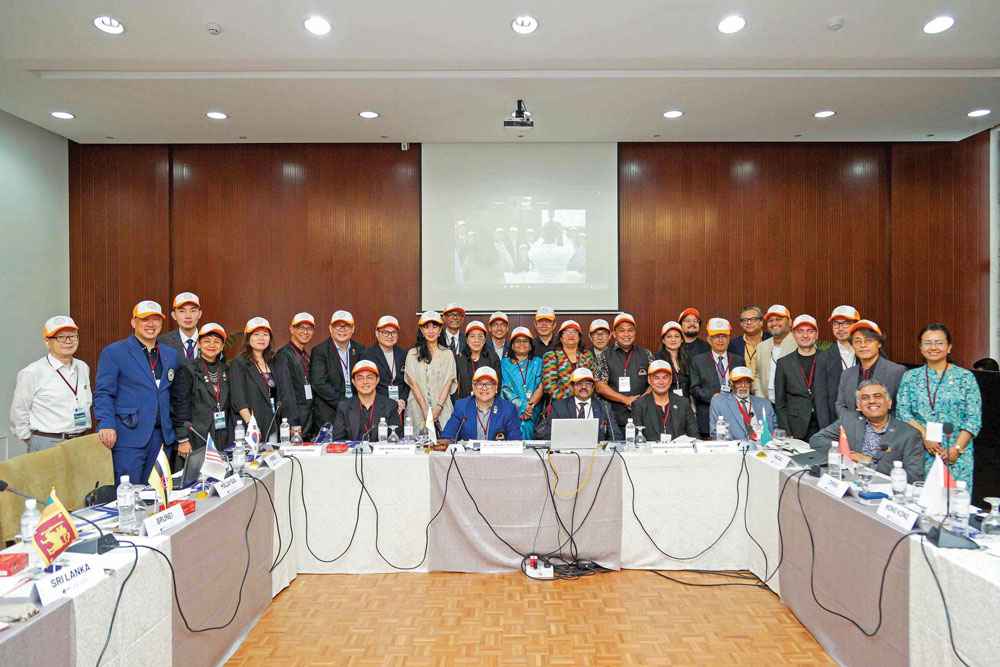
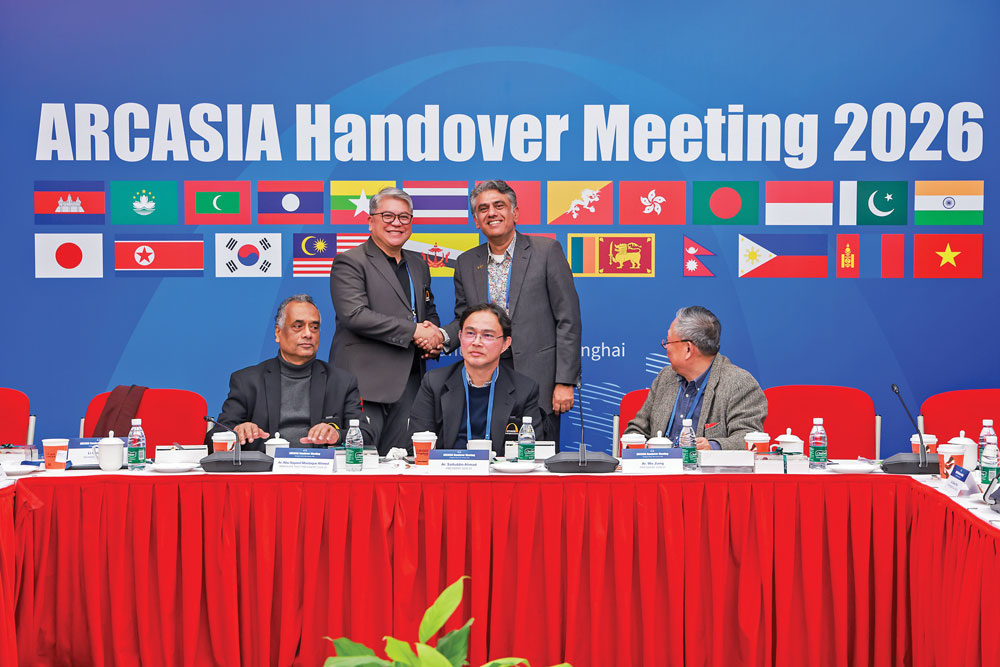
YOU ARE SIMULTANEOUSLY RUNNING THE OFFICES OF ACAE, CAA CHAIRMAN, AND YOUR OWN PRACTICE. HOW ARE YOU MANAGING THESE RESPONSIBILITIES AND TIME?
US: Managing multiple roles requires structured planning, delegation, and dedicated teams. I am fortunate to work with highly capable colleagues in each domain. Clear priorities, scheduling, and focus on outcome-based work allow me to contribute effectively to ACAE, CAA, and my own practice, while ensuring that each role receives the attention it deserves. The only issue in being associated with International Architectural Organizations is that the services which you provide are not financially remunerated since it’s an honorary role and thus you have to invest the money earned from your practice in to these services.
Time management also involves setting aside moments for reflection and creativity, which helps maintain clarity of vision and balance between professional, academic, and personal responsibilities.
WHAT DO YOU DO WHEN YOU HAVE SOME FREE TIME?
US: In my free time, I enjoy meeting friends, watching movies, walking, and traveling, as well as reflecting on design and education. Traveling, in particular, allows me to experience different cultures, architectural styles, and urban environments firsthand, greatly enriching my understanding of design and its social context.
I also value spending quality time with family and engaging in informal discussions with students, colleagues, and peers. These interactions often spark new ideas, provide fresh perspectives, and remind me why architecture is both a creative and social responsibility. Travel and reading together serve as ongoing sources of inspiration and learning that continuously influence my professional approach.
WHAT MESSAGE WOULD YOU LIKE TO GIVE TO THE YOUNGER GENERATION OF ARCHITECTS AND STUDENTS?
US: I would encourage young architects and students to remain curious, resilient, and ethically grounded. Architecture is a lifelong journey of learning, observation, and experimentation. Explore new places, experience different cultures, and study the built environments around you-these experiences will broaden your perspective and enrich your design thinking.
Focus on understanding people, place, and context rather than simply chasing trends. Embrace collaboration, seek knowledge from diverse sources, and contribute positively to society. Above all, believe in the power of your work to shape communities and the environment responsibly, creating spaces that are meaningful, sustainable, and human-centric.


