


Held in Islamabad under the banner of the Institute of Architects Pakistan – Rawalpindi-Islamabad Chapter (IAP-RIC), Urban Horizons, the forum at IAPEX 2025, set the stage for one of the most dynamic urban conversations in Pakistan to date. Spanning over two days, the forum served as a vital platform for exchanging ideas, theories, and actionable strategies focused on architecture’s evolving role within rapidly transforming urban precincts. With the theme rooted in rethinking cities through lenses of sustainability, equity, participation, and design innovation, Urban Horizons emerged not only as a dialogue space but also as a catalyst for youth engagement, interdisciplinary collaboration, and on-ground urban activation.
The Forum Talks unfolded across two sessions featuring both national and international speakers. Moderated with care and clarity, each session offered concise yet potent presentations.
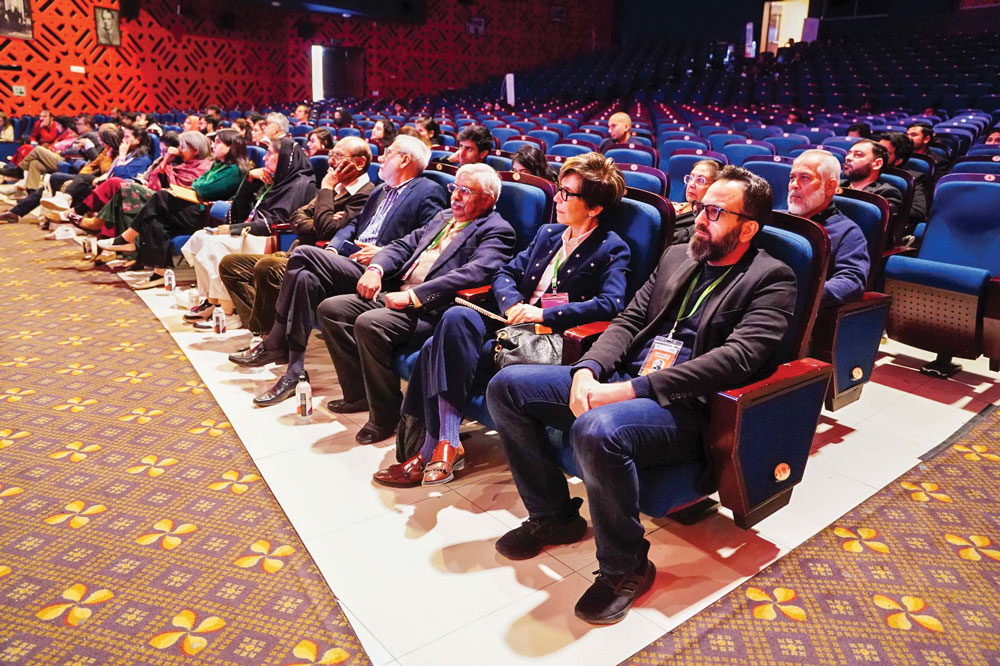

The first day featured contributions from prominent voices such as Ufuk Yegenoglu Sezgen from Istanbul Bilgi University, who set a reflective tone by questioning how architecture must re-negotiate its relevance in transitional cities. A compelling joint talk by Asiya Sadiq and Christophe Polack examined the visible and invisible roles architects play in shaping public space within hyper-transforming cities like Islamabad. Abrar us Saddam presented timely research on how urban geometry directly influences the mitigation of urban heat islands in Pakistan’s twin cities. Irtiza Ahmed explored the notion of socio-spatial flux and transformation, while Dr. Yasira Naeem Pasha concluded the session with insights into architectural education as a cultural interface in the making of urban identity.
The second day carried the momentum forward, beginning with Professor Janaka Wijesundara of Sri Lanka, who contextualized urban resilience through a regional lens. Rana Atif Rehman reflected on Islamabad’s evolving commercial centers and the lessons embedded in their planning histories. Awais Aqdus traced Lahore’s metamorphosis from folklore to modern metropolis, while Hamza Bin Ishaque closed the series with a theoretical and practical exploration of Curitiba’s participatory urbanism as a case model for reversing urban sprawl.
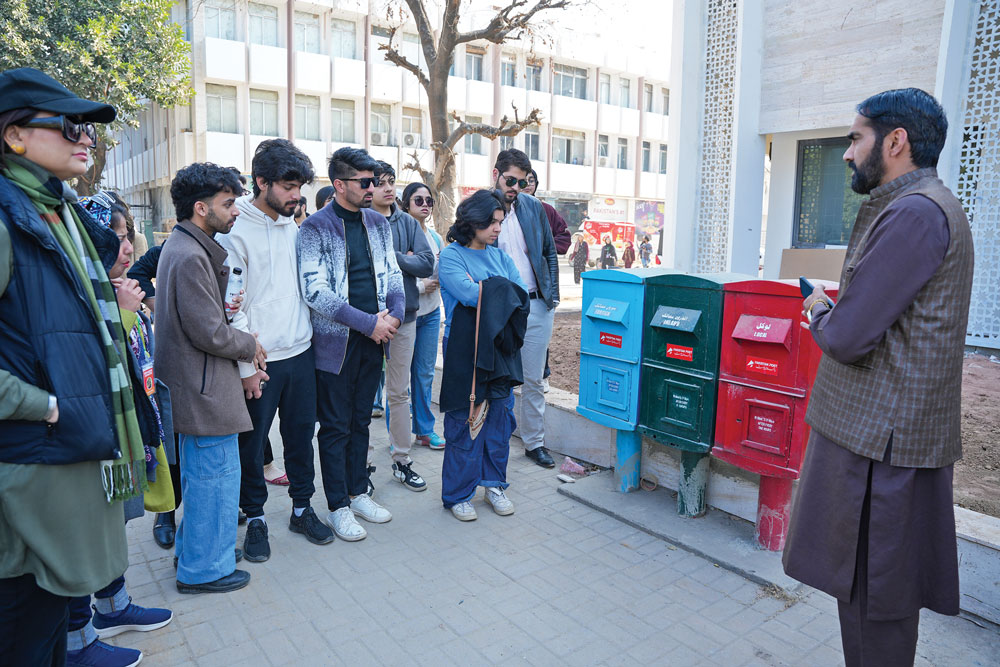
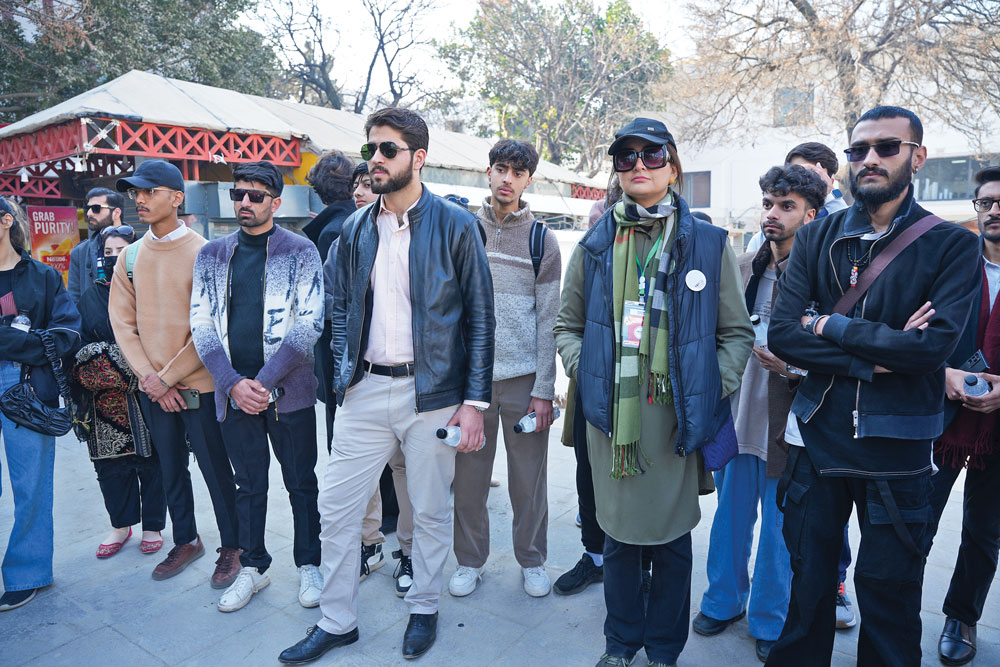
What truly set Urban Horizons apart was its integration of experiential and participatory activities. The Urban Walk, curated and guided by urban designer and architect Samman Qayyum, was designed as a critical on-site engagement with Islamabad’s evolving urban landscape. Participants included architecture students, early-career professionals, and members of civil society. The walk provided firsthand observation of infrastructural gaps, street-level dynamics, and public space behaviors. Attendees reflected on walkability, spatial justice, and accessibility, especially in relation to the city’s growing informalities. The goal was not only to observe but to trigger dialogue in real space, creating a living laboratory of urban issues.
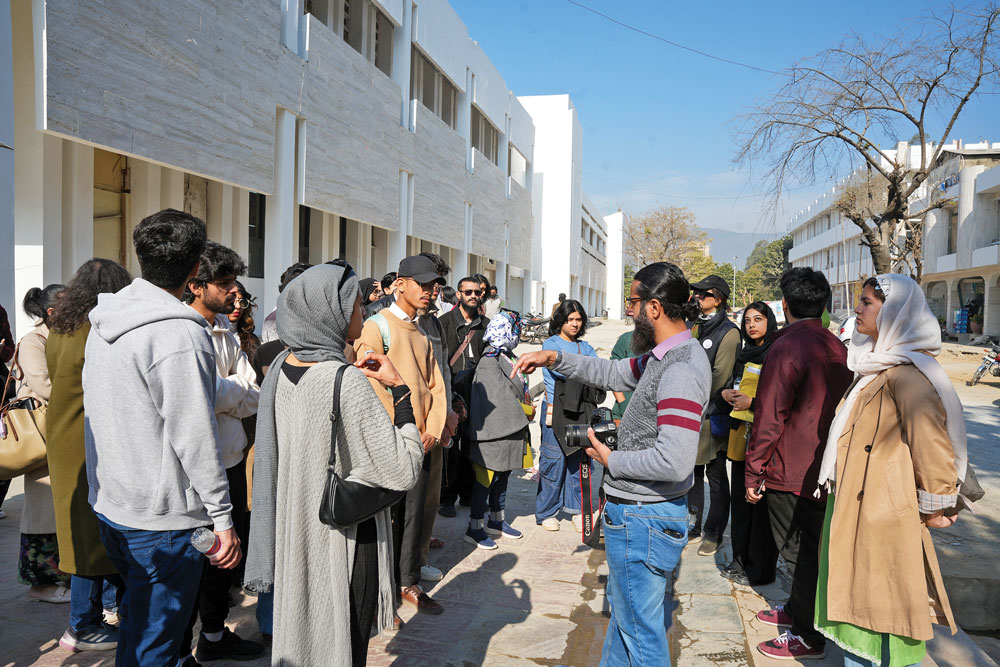
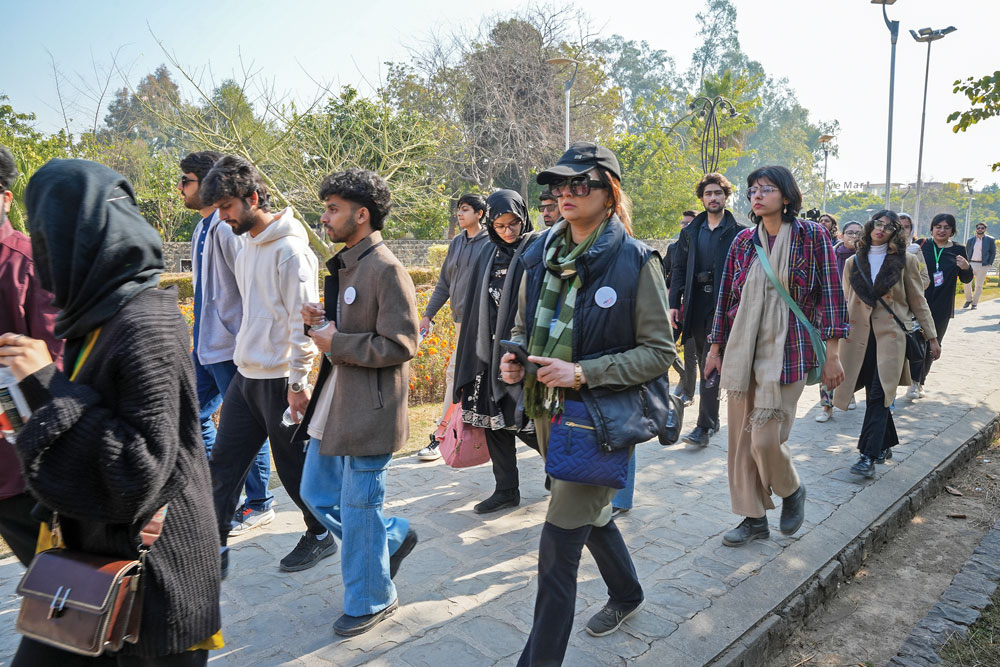
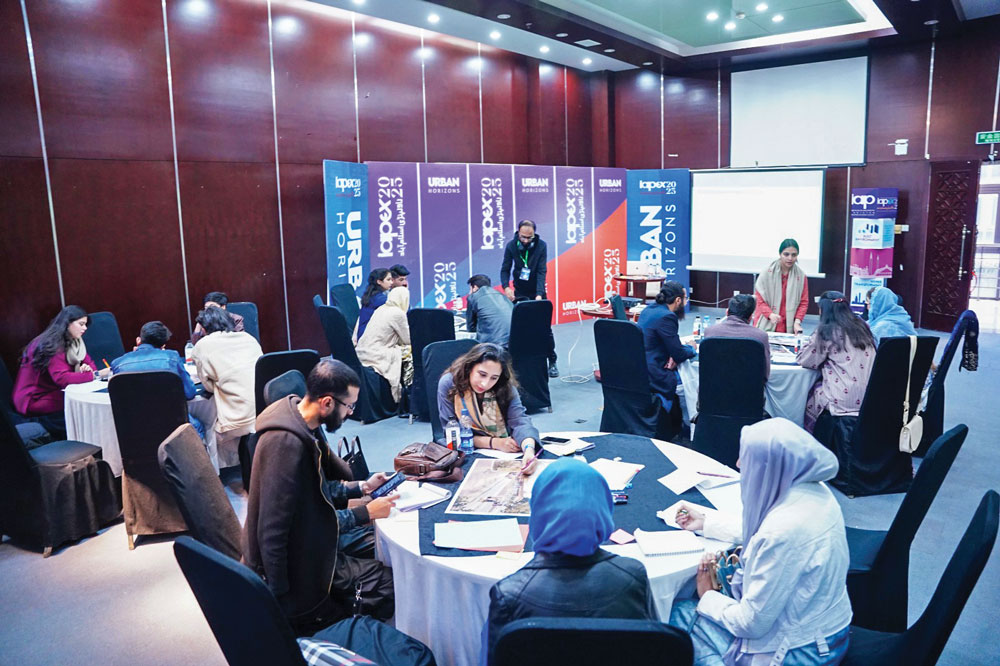
Complementing this, the Placemaking Workshop, conducted by place making expert Mariam Naveed, functioned as an intensive, design-thinking studio aimed at younger participants. Conducted within the IAPEX grounds, the workshop invited students from various architecture schools to collaboratively design tactical urbanism interventions for hypothetical or real small-scale urban sites. Using recycled materials, temporary installations, and participatory design tools, the workshop emphasized low-cost, high-impact placemaking strategies that could be replicated across Pakistan’s urban settlements. Participants developed quick prototypes, tested ideas on spatial interaction, and learned how design can foster inclusivity, safety, and vibrancy in neglected urban corners.
Together, these components transformed Urban Horizons into more than a theoretical gathering. It became a participatory ecosystem-where discourse was coupled with physical engagement, and where emerging professionals were not only heard but empowered to lead. The forum underscored the importance of architecture’s intersection with other disciplines-policy, environmental science, engineering, sociology-and the necessity of inclusive thinking to shape equitable urban futures.
By framing Islamabad as both context and case study, Urban Horizons reinforced its central message: that architects must assume agency not just as designers of buildings, but as mediators of community, environment, and governance. As Pakistan’s cities continue to expand, forums like these are essential in shaping the next generation of urban thinkers and doers. Through powerful dialogue, grounded experiences, and youth-centric action, Urban Horizons charted a hopeful and necessary path toward sustainable urbanism in Pakistan-and beyond.


