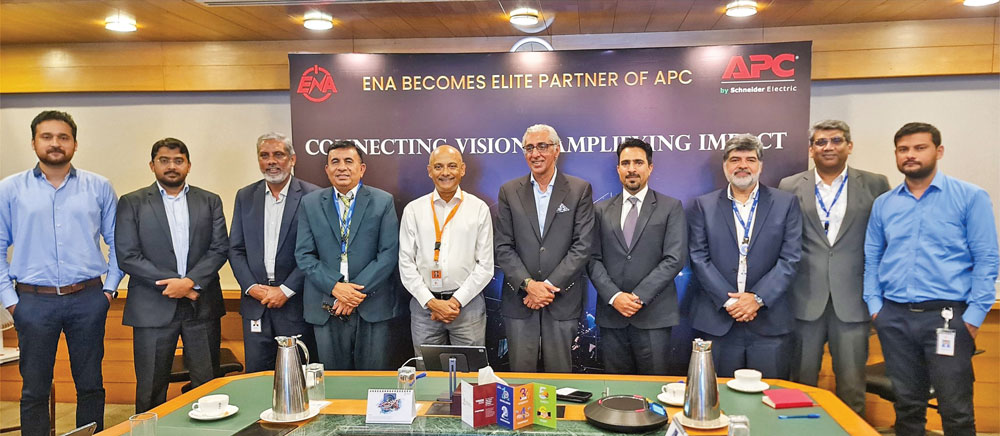
In a country where the energy crisis continues to challenge progress and development, there are individuals who see opportunity in adversity and innovation in every challenge. One such individual is Osama Javeed, an electronic engineer and entrepreneur who has carved his path in the fields of automation, energy efficiency, and renewable solutions.From his early curiosity about technology to co-founding Energy N Automation Pakistan (ENA), Javed’s journey reflects both resilience and vision. His passion for automation and commitment to designing tailored, efficient solutions have not only helped businesses cut costs and reduce carbon footprints but also contributed to reshaping Pakistan’s approach to energy management.
In this can did conversation, Osama Javed shares insights into his early inspirations, his entrepreneurial journey, the scope of energy automation, and his vision for Pakistan’s energy future. In this exclusive interview to ARCHI TIMES, he talks about his successful journey and other professional-related issues.
ARCHI TIMES Interview | Photographs by Engineer
CAN YOU TAKE US BACK TO YOUR EARLY YEARS AND HOW YOUR UPBRINGING INFLUENCED YOUR PATH TOWARDS BECOMING AN ENGINEER?
OSAMA JAVEED (OJ): As they say, some are born artists; I think some are born Engineers. The quest to do something different and innovative, and the curiosity within me, I believe, were the key factors for choosing Engineering as a field. There were no engineers in my immediate family that I could get inspiration from; my parents were supportive of whatever field I chose, and the natural inclination towards innovation and tech helped me choose electronic engineering as a career path. Yes, once I stepped into the field, I found automation as something that inspired me and fueled my passion for innovation, and that’s how I advanced. I am grateful to the Almighty for giving me ways to pursue my passion the way I wanted to, and what I’ve learned is that you can pave your path if you are truly willing to pursue something.
WHAT INSPIRED YOU TO PURSUE A CAREER IN ENGINEERING WITH A FOCUS ON ELECTRONIC ENGINEERING?
OJ: In a single word, Innovation. Electronic engineering is a vast field with opportunities for entrepreneurship and making a positive societal impact, both were a part of what I wanted to do. What makes it different is the tech involvement and a diverse field to choose from. One can go for Automation, robotics, telecommunications; there are a whole lot of opportunities open in front of you. My interest in Automation led me to this side of the field, but Electronic engineering itself has great potential in the current scenario as well as the future.
DID YOU LAND A JOB IN AUTOMATION AS SOON AS YOU STEPPED INTO THE FIELD?
OJ: I started my career at Innovative Pvt. Limited, where I worked on Power Management Systems, with a main focus on the banking sector and ATMs. Although by then, I had developed an urge to work in Automation but I still took my job as an opportunity to enhance my expertise. Three years into my career, I had the chance to start my own company in 2015, where I could start working on my passion, Automation. We started with a small IoT department, using our expertise in energy efficiency to automate existing products and make them more energy-efficient. For example, since ACs use the most power in commercial settings, we developed a product that made ACs smart and energy-efficient. My passion for automation grew as I worked on making already launched energy products more efficient, and I haven’t looked back since. I believe we may not always get the field of our choice, but we should make the most of the opportunities that come our way, and our passion will direct us automatically towards the path we want to pursue most.
WHAT IS ENERGY AUTOMATION?
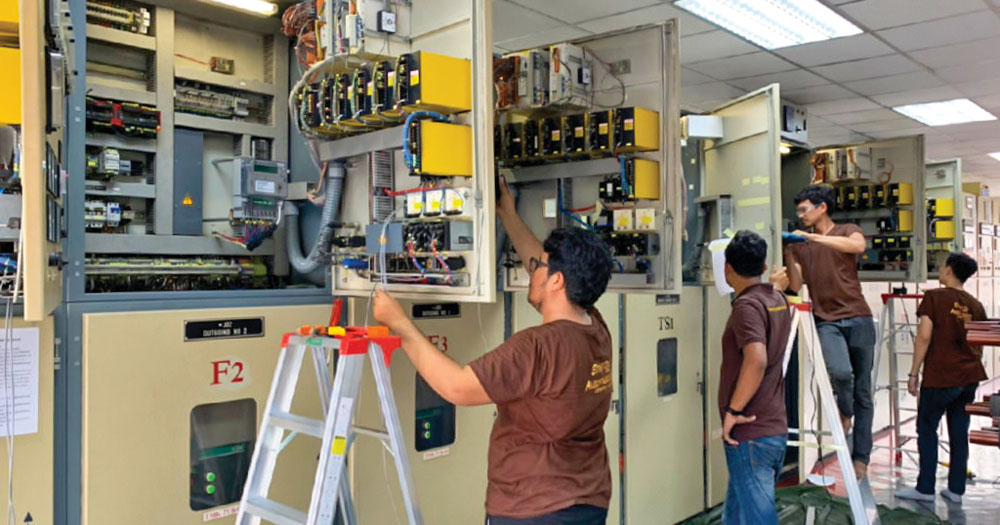
OJ: Energy automation is an evolving branch and can be defined in simple words as the best utilization of power. It involves technologies like sensors, software, or AI to automatically monitor, control, and optimize the generation, distribution, and consumption of electricity. The purpose is to use power from sources like renewables, batteries, or the grid to efficiently run a load at a minimum cost and with minimum carbon emissions for more reliability and sustainability. In the current scenario of global warming and climate change, Energy Automation holds immense power to amend the future for a better world by intelligently managing energy use.
WHAT KIND OF SERVICES AND PROGRAMS ARE OFFERED AT ENA AND HOW ARE THESE DESIGNED?
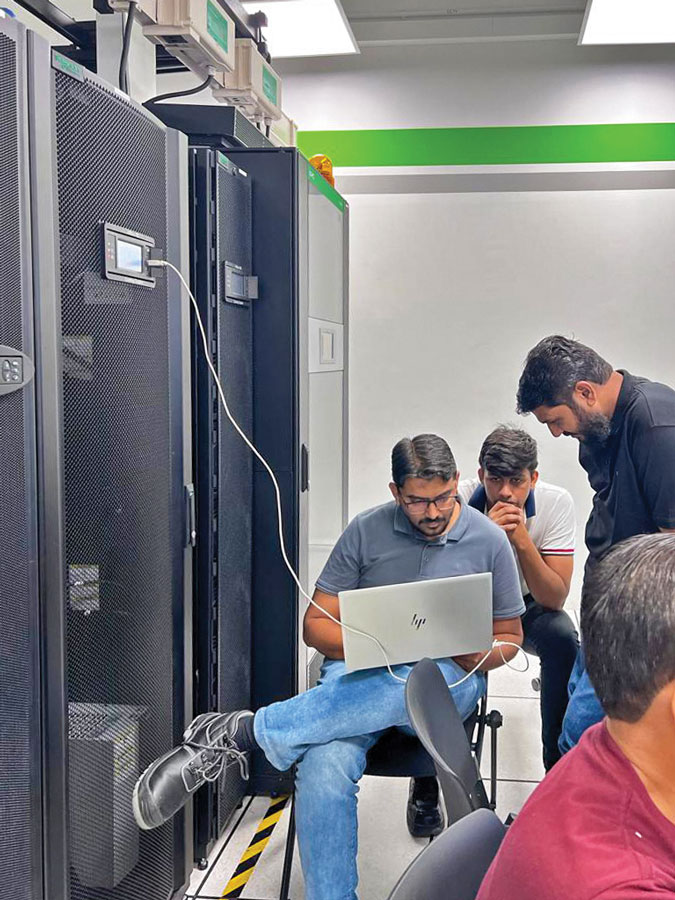
OJ: We work in four main divisions: Power, IoT, Infrastructure, and Renewables. When we started ENA, our main focus was Power Management Systems. We provided smart and long-lasting backup UPS systems, power backup, and protection devices. What makes us different is that we design targeted solutions that best manage power, and that too after thorough analysis of the client’s requirements. For instance, we launched a solution for long power backup to meet banking needs during off-hours, to minimize generator usage at night, decrease carbon emissions, and minimize fuel consumption. We have designed many tailored solutions since then and are known for our expertise in solution design and product selection. We then developed our IoT department to provide more efficiency in terms of power management to the same clientele. Our first IoT product was a device for smart AC management, and Alhamdulillah, we have been working extensively on designing and providing customized solutions since then.Having the previous experience in the Data center, in 2021, after our merger with JBS, we started with the infrastructure dept., partnering with APC by Schneider Electric, then Vertiv, and gradually we developed the whole infrastructure dept.

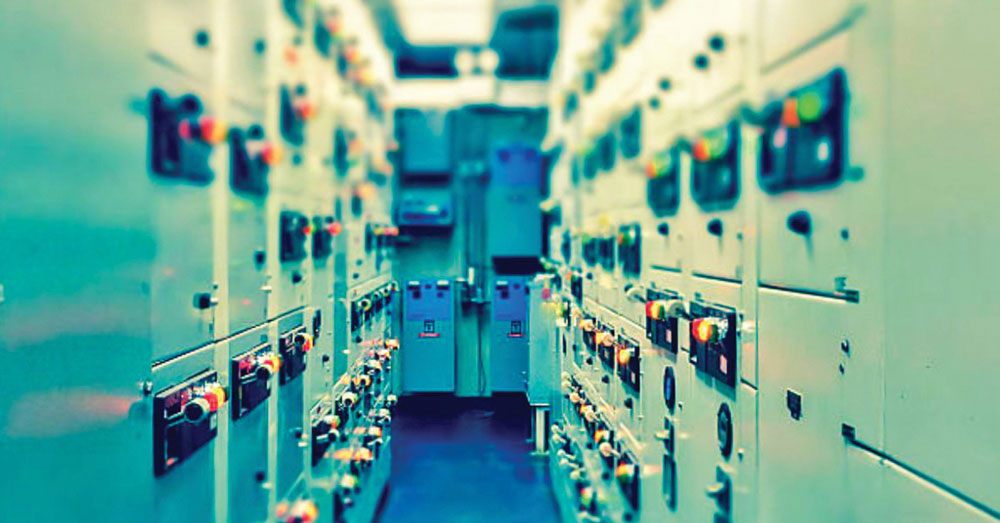
The fourth department we are working in is the renewables, especially Solar. Starting in 2019 with residential clients, we moved on to commercial projects in 2021, expanding our clientele to small businesses, banking, and other industries.
We have stepped into the wind for areas where the power requirement is low, but the power availability requirement is 24/7, or areas where solar is non-viable due to space or weather conditions. We are working on small-scale wind projects for now, depending on the client’s requirements, as there are still challenges in battery design and solar project implementation. I would say our wind energy department is still in the R&D and research phase.
We have a legacy of working on renewable power and power management for more than a decade now. We try to design products that enhance power efficiency with the main focus on analyzing clients’ requirements and providing them with the best solutions, instead of just selling boxes.
WHAT INSPIRED YOU TO START WORK AT ENA AND WITH WHAT OBJECTIVES?
OJ: I had always wanted to develop a company and work in the field of Automation and Energy efficiency, so when I got a chance to be a part of a startup in 2014, I took the opportunity. In 2016, we launched ENA, 2021 being the year that ENA became Energy N Automation Pakistan Pvt. Ltd, I am a shareholder in it. The main inspiration was to start my own setup with the passion to develop innovative products and solutions. I just want to play my part in making my country stand out among other nations. I believe instead of running away from problems, we should utilize our expertise and energy in solving them.

WHAT ARE YOUR RESPONSIBILITIES AT ENA?
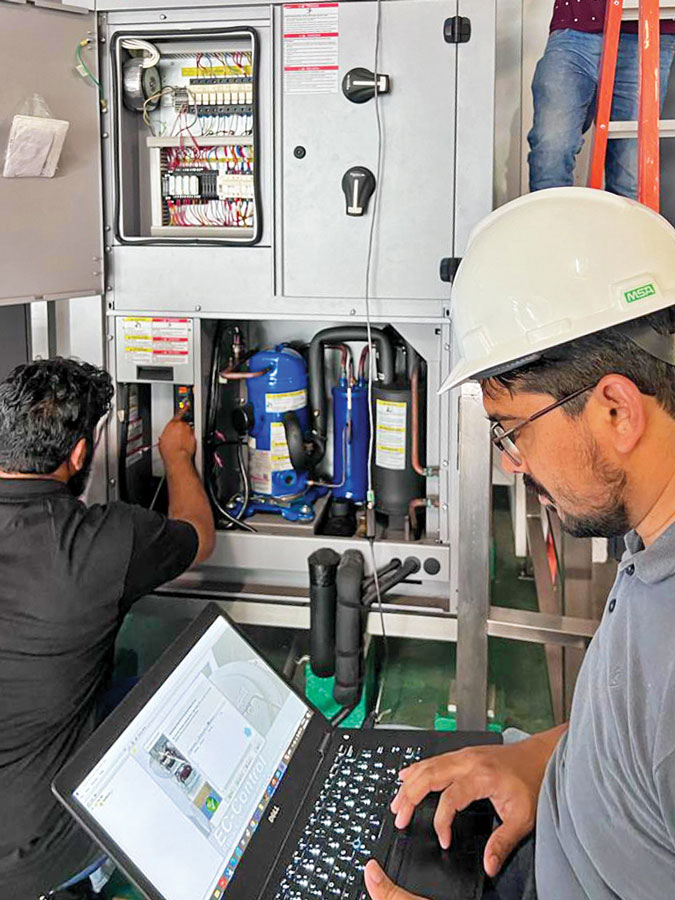
OJ: We, being three major shareholders, have distributed our responsibilities; our senior-most partner is our CEO, Mr. Amir Salman, who looks after overall strategy, planning, and implementation. Mr. Faisal Murad looks after Sales and Marketing, and I look after overall project designing and implementation, as well as after-sales support – the technical end, operational side, in short.
TELL US ABOUT YOUR FIRST ENGINEERING DESIGN PROJECT?
OJ: During my educational years, we used to make small projects and consider them an achievement. I remember I made a bridge, converting power from DC to AC. At that time, it seemed like a huge accomplishment. But after that, Alhamdulillah, I have gradually designed many projects on the software side. My final year project was on Automation, developing a system to completely convert manual inputs to an automated process, which was more reliable and less time-consuming.
That’s what actually enhanced my interest in automation.
PAKISTAN’S ENERGY CRISIS HAS WORSENED. IN YOUR OPINION, WHAT CAN BE DONE TO COME OVER FROM THIS CRISIS?
OJ: My stance is that the energy crisis in Pakistan is due to mismanagement. Alhamdulillah, in terms of resources, Pakistan is self-sufficient. Our government can easily overcome these challenges if they have the will to solve them. It is not the scarcity of resources but rather the mismanagement that can definitely be overcome. We have a lot of talent and many companies now that are working on renewables; with proper management and direction, we can easily meet energy demands.
YOU HAVE SUGGESTED ON MANY OCCASIONS THE USE OF CHEAP ENERGY. WHAT IS CHEAP ENERGY?
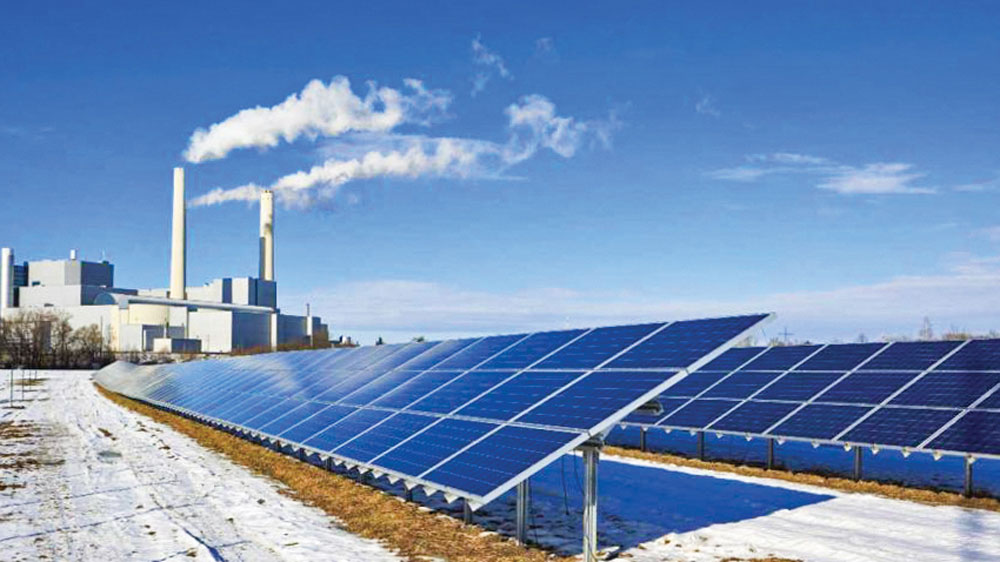
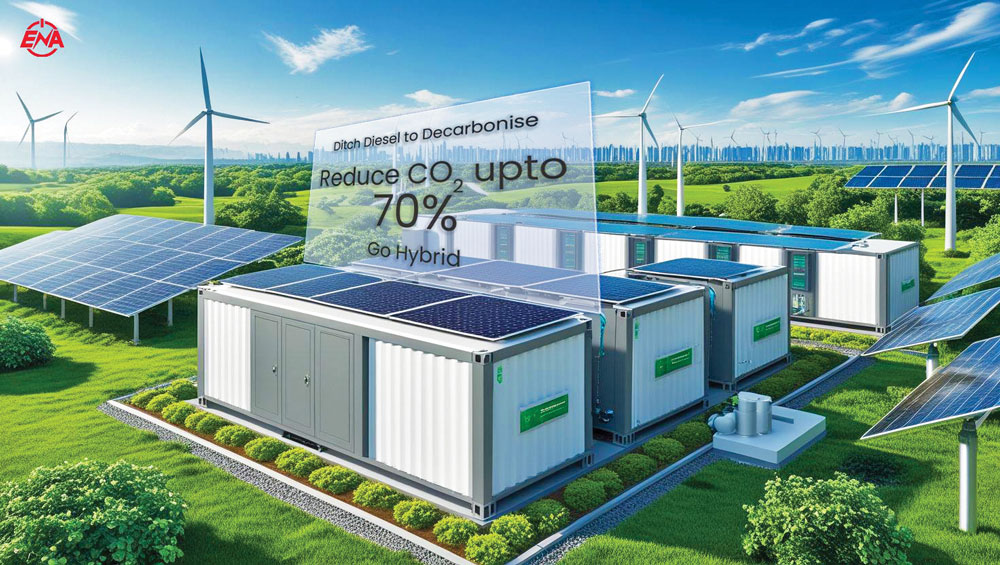
OJ: Currently, the cheapest energy source is Solar in terms of renewable energy. Now, with efficient batteries, even for heavy loads, Industries that can bear the capital investment are shifting to the Solar and Bess combo. The priority for power generation is now solar, then battery is a reliable source, and after that, a generator. In Pakistan, power mismanagement has led to an energy crisis. Hence, the private sector has no choice but to shift to battery utilization. Still, I believe if our hydro power is utilized efficiently, I think we won’t even need batteries because it would be cheaper than using batteries.
WHAT MEASURES WOULD YOU SUGGEST TO BE CONSIDERED FOR REDUCING ELECTRICAL LOADS IN BUILDINGS?
OJ: In buildings, especially high-rise buildings, most of the load is that of the HVAC system. We are working on it as well, installing a Building Management System to manage power utilization efficiently. We have implemented the solution in a renowned hotel, and it has significantly reduced power bills. That is an efficient way can reduce electrical loads and manage power efficiently in buildings.
WHAT IS YOUR OPINION ABOUT THE USE OF SOLAR ENERGY IN BUILDINGS GENERALLY IN PAKISTAN?
OJ: I see Solar as the cheapest potential power source available. I would suggest that if there is an appropriate space to install solar panels, we should maximize the use of solar systems. For now, investing in solar power is an excellent choice for achieving energy independence, especially for places like Pakistan with ample sun exposure. With a long lifespan, low maintenance, and a great return on investment, solar energy is one of the best options available today.


DESCRIBE A PROJECT THAT YOU HAVE WORKED ON THAT WAS OF PARTICULAR INTEREST TO YOU.
OJ: The first major challenge that we took was to minimize generator usage in banks. When we started working on power-efficient systems, we designed solutions with specific UPS models combined with dry batteries, which actually minimized generator usage at night, specifically, reducing heavy fuel cost as well as carbon footprint. The banks had to use generators, even for small loads at night. So we implemented the solution in various branches of Standard Chartered Bank, for which they even got a regional recognition award for reducing their carbon footprint. While starting up, completing this challenge was a matter of pride for me.
Recently, we got another challenge of designing a long power backup for banks in places with a load shedding of 18-20 hours or in areas with no grid electricity available. With only Solar installed, the problem couldn’t be fixed, so we came up with a solution that shifted the power dependency to solar and battery, making the bank branch energy independent and reducing the fuel usage from 8-9k liters to 0 liters literally. We made the branches completely generator-less. There are many tailored projects that we implemented as per the customer’s requirement, every project being unique with its own challenges, and that’s what triggers my engineering skills. Every challenge provides a learning opportunity and a path to grow my expertise.
WHAT CHALLENGES AND DIFFICULTIES IS PAKISTAN FACING TODAY?
OJ: The current problems in Pakistan are a result of outdated and inefficient infrastructure that is unable to meet the growing energy demands. As I said earlier, Pakistan is not short on resources, just that they are not utilized efficiently. Furthermore, there are non-technical losses as well due to outdated equipment and mismanagement. If we overcome this issue, making firm policies, adhering to them, and making decisions with fruitful outcomes, we can actually cut costs on importing fuel as well. Pakistan has great potential in terms of renewable resources, but under underutilization of these resources is costing us a fortune. If an industry progresses, the nation progresses, so it is all interrelated.
HAVE YOU HAD A CHANCE TO WORK IN OTHER COUNTRIES? WHAT DIFFERENCES DID YOU SEE IN THE APPROACH TOWARDS ELECTRONICS DESIGN?
OJ: I didn’t have a chance to directly work overseas, but I have worked with Chinese and American Companies like Schneider, so definitely there is a lot of difference in electronic designing, especially finishing. We work in mechatronics in automation, so the cards that we develop are not only hardware, but the programs that we write are of immense importance. So, regarding the programming and complete visualization, that the buffers are covered from end to end, there’s a major difference in designing and product development that we see. Even if we talk about our Power Management system, battery designing comprises of two parts: one cell, the power storage system, and the other is the brain, the battery management system that controls and not only affects the battery performance but also battery life.
A battery from a well-known Chinese brand, for example, will have different programming and control than a battery from another brand from the same country. So, even a country’s overall approach to technology can vary by region, driven by differences in expertise and tech adoption. Hopefully, evolving startups and technological advancements in Pakistan will help bridge these gaps.
HOW DO YOU SPEND YOUR FREE TIME, AND TELL US ABOUT YOUR HOBBIES?
OJ: I utilize my free time in Social activities. I believe the best investment of time is to utilize it in providing ease to others, and this is a way I thank the Almighty for what He has provided me with. I like travelling a lot, especially in northern areas, and I like to drive myself. I enjoy exploring places and new experiences.
WHAT IS YOUR ADVICE FOR YOUNG PROFESSIONALS AND STUDENTS?
OJ: As per my observation, young professionals nowadays work on a short-term approach. They don’t go deep down in the product development; instead, they use shortcuts and gadgets and focus on results only. When the focus is not on gaining knowledge or actual insights, when one does not go through the learning process, which obviously takes time, one is prone to face problems while running the system later on. Shortcuts lead one to be naive about the problems that can occur or the potential solutions to different faults.
Engineering is a knowledge-based field, and experience-based learning enhances confidence and abilities, so my advice would be to focus on a long-term approach rather than a short-term approach, and own your work, take complete ownership of what you do.