


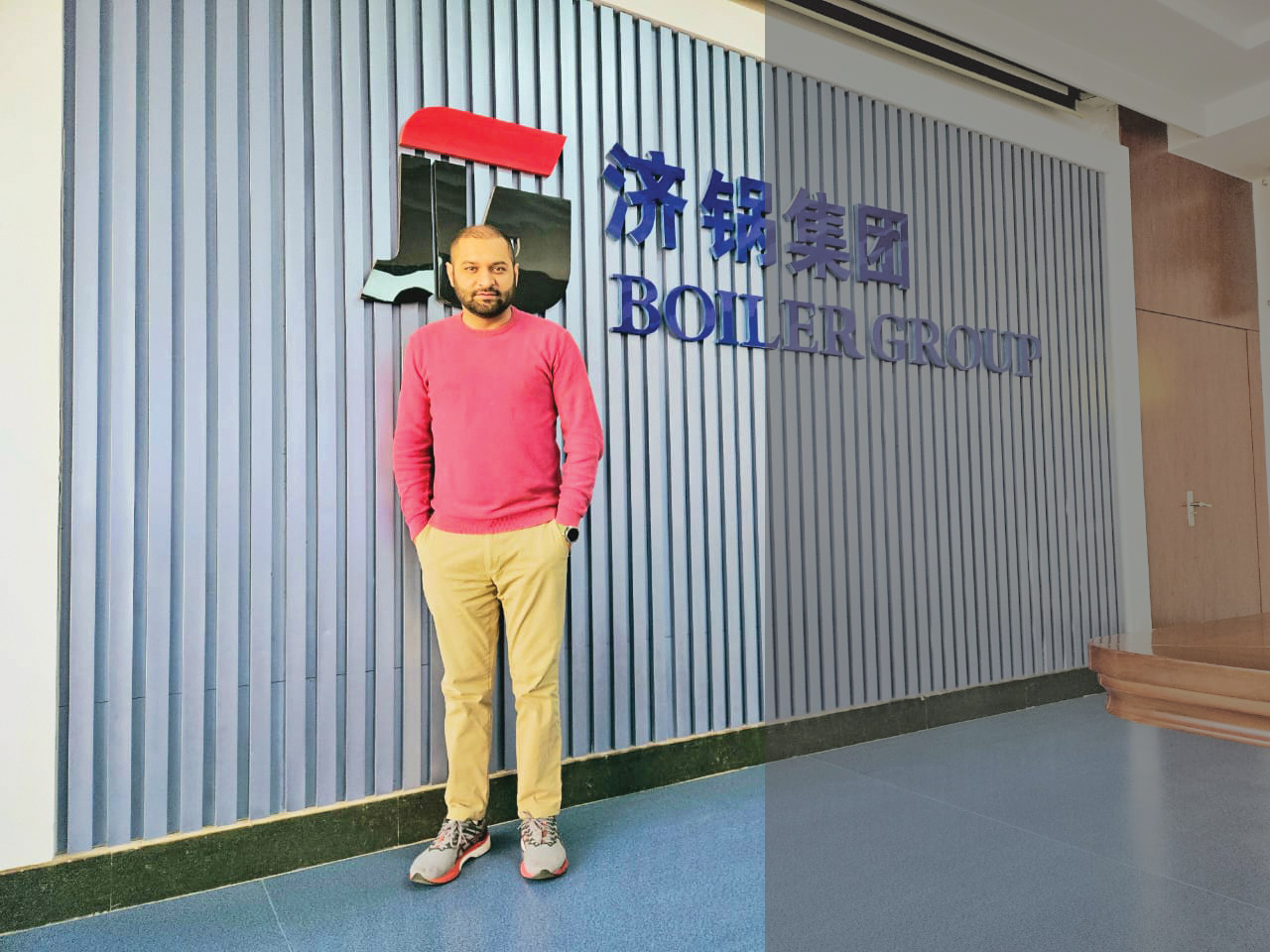
Engineer Fahad Asif Juma is a Certified Professional Engineer known for his leadership in renewable energy, power generation, and sustainable engineering. Dedicated to environmental stewardship, he has contributed to major projects in solar, wind, and hybrid energy systems, promoting innovation and efficiency for a cleaner future. His vision aligns with the global drive toward carbon neutrality, combining technology with ecological responsibility. In this exclusive interview with ARCHI TIMES, he shares insights from his professional journey and his commitment to shaping a sustainable energy future.
ARCHI TIMES Interview | Photographs by Engineer
CAN YOU TAKE US BACK TO YOUR EARLY YEARS AND HOW YOUR UPBRINGING INFLUENCED YOUR PATH TOWARDS BECOMING AN ENGINEER?
FAHAD JUMA (FJ): From my childhood, I was fascinated by electronic circuits, how signals work, how programming can be modified, and how microcontrollers can be used to design functional systems. I started experimenting with microcontrollers at an early age, creating my own small circuits and projects. Growing up in Karachi, I also saw the importance of reliable power and utilities in industry and daily life. This curiosity and exposure naturally guided me towards engineering, where I could combine my passion for problem-solving with the opportunity to create impactful solutions.
WHAT INSPIRED YOU TO PURSUE A CAREER IN ENGINEERING WITH A FOCUS ON INDUSTRIAL ENGINEERING?
FJ: Industrial Engineering covers both electrical and electronic systems, which align with my early interests. I wanted to pursue a field that not only matched my passion but also offered broader opportunities across different industries. The complexity of industrial systems and their direct impact on both the economy and sustainability further inspired me. Industrial Engineering allowed me to merge my technical skills with large-scale process optimization, energy efficiency, and sustainable engineering practices.

YOU HAVE DONE A Master’s IN INDUSTRIAL ENGINEERING. KINDLY TELL US ABOUT INDUSTRIAL ENGINEERING AND ITS SCOPE OF WORK.
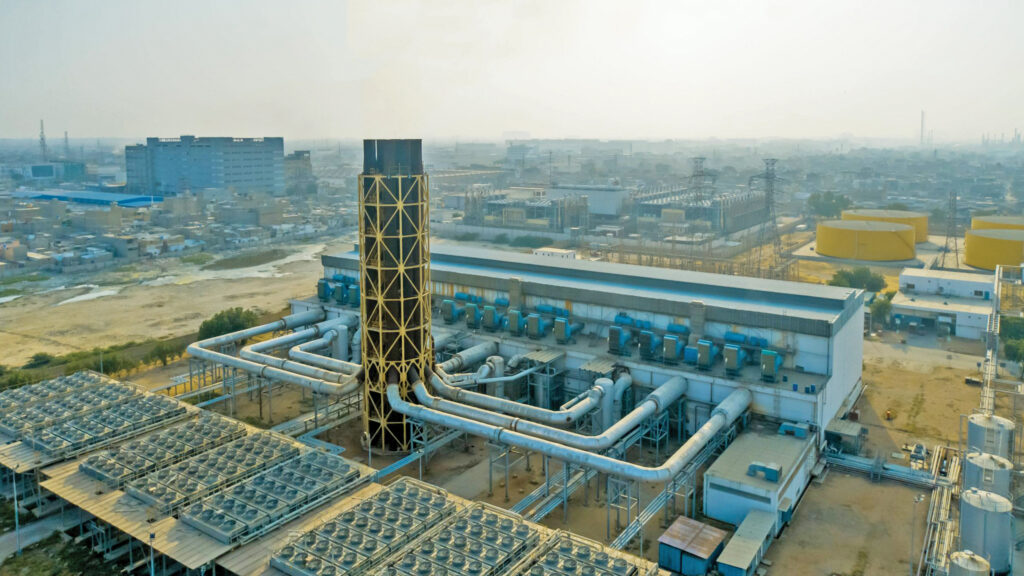
FJ: My focus during my Master’s was on advanced industrial automation and its application in energy utilities and power optimization. Industrial Engineering is important because it improves efficiency, reduces costs, and enhances productivity. Its scope covers process optimization, automation, energy management, and developing sustainable solutions for manufacturing, utilities, and power generation.
WHAT ARE THE QUALITIES AN INDUSTRIAL ENGINEER SHOULD POSSESS TO BE EFFECTIVE?
FJ: An effective Industrial Engineer should have a solid understanding of system design in both electrical and electronic domains. Along with technical expertise, they must demonstrate strong analytical and problem-solving skills, clear communication, leadership ability, adaptability, and a forward-looking vision that emphasizes sustainability and innovation.
WHAT KIND OF SERVICES AND PROGRAMS ARE YOU WORKING ON AND HOW ARE THESE DESIGNED?
FJ: I am currently working as Director of Engineering, focusing on optimizing power and gas systems while planning hybrid solutions such as solar, wind, battery storage, biomass boilers, and combined heat and power systems. My role also includes developing key initiatives for Net Zero and advancing water treatment projects, including Zero Liquid Discharge (ZLD). Additionally, I have designed SCADA systems to monitor and optimize energy use. These programs are developed through detailed feasibility studies, advanced system design, and the integration of modern technologies to ensure efficiency and sustainability.
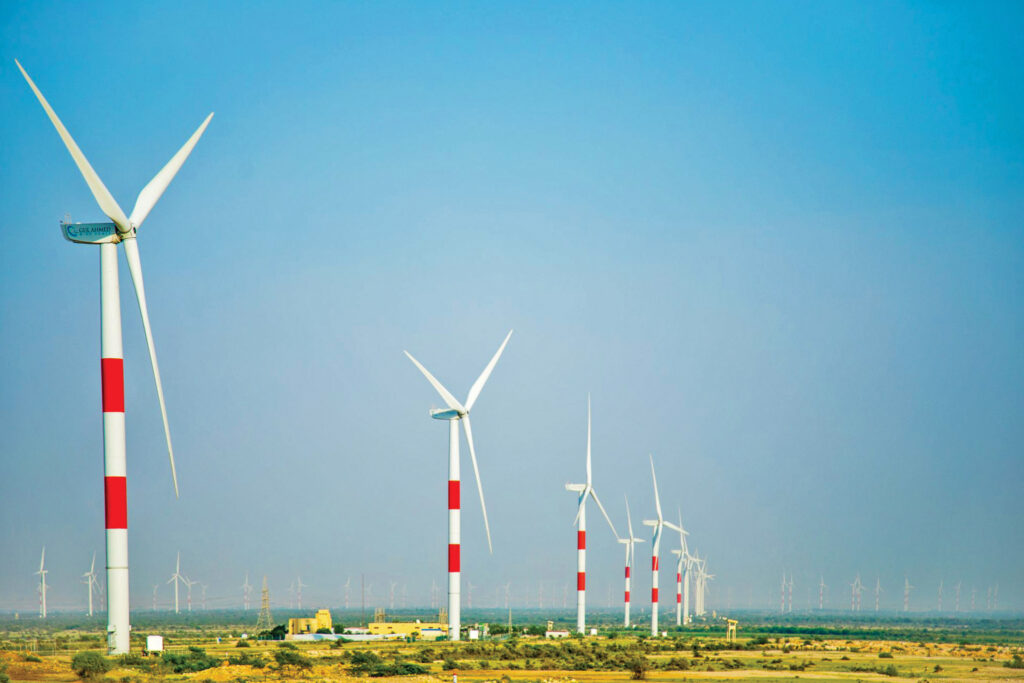
WHAT INSPIRED YOU TO START WORK AT GUL AHMED AND WITH WHAT OBJECTIVES?
FJ: I was inspired by Gul Ahmed’s progressive management vision and its position as one of Pakistan’s leading textile groups. Beyond the scale of operations, I saw an opportunity to work with a management team that values innovation and sustainability. My objectives were to implement sustainable engineering practices, reduce energy costs, and lead renewable energy and water recycling projects aligned with Net Zero 2050. At the same time, I aimed to strengthen cross-functional coordination, develop in-house technical teams, and establish long-term strategies that integrate engineering excellence with business growth and sustainability goals.
TELL US ABOUT YOUR FIRST ENGINEERING DESIGN PROJECT?
FJ: My first major project was the design of a SCADA system for a leading textile mill. The system helped reduce wastage of water, steam, and power by enabling real-time monitoring of consumption and overall resource optimization. This not only resulted in significant cost savings and improved efficiency but also set a new benchmark for sustainable operations. Remarkably, the system is still in use today, which reflects both the reliability of the design and the long-term impact of effective engineering solutions.
PAKISTAN’S ENERGY CRISIS HAS WORSENED. IN YOUR OPINION, WHAT CAN BE DONE TO COME OVER FROM THIS CRISIS?
FJ: The solution lies in diversifying our energy systems with a strong technical approach. We need large-scale integration of solar, wind, and biomass plants, supported by modern battery storage to ensure grid stability. Transmission and distribution networks should be upgraded with smart grid technologies to minimize losses, while industries can adopt energy-efficient machinery, waste-heat recovery systems, and hybrid power solutions to reduce dependence on conventional fuels. At the same time, the government must ease policies and streamline approvals to encourage faster investment in renewable energy projects, enabling industries to deploy these technical solutions more effectively.
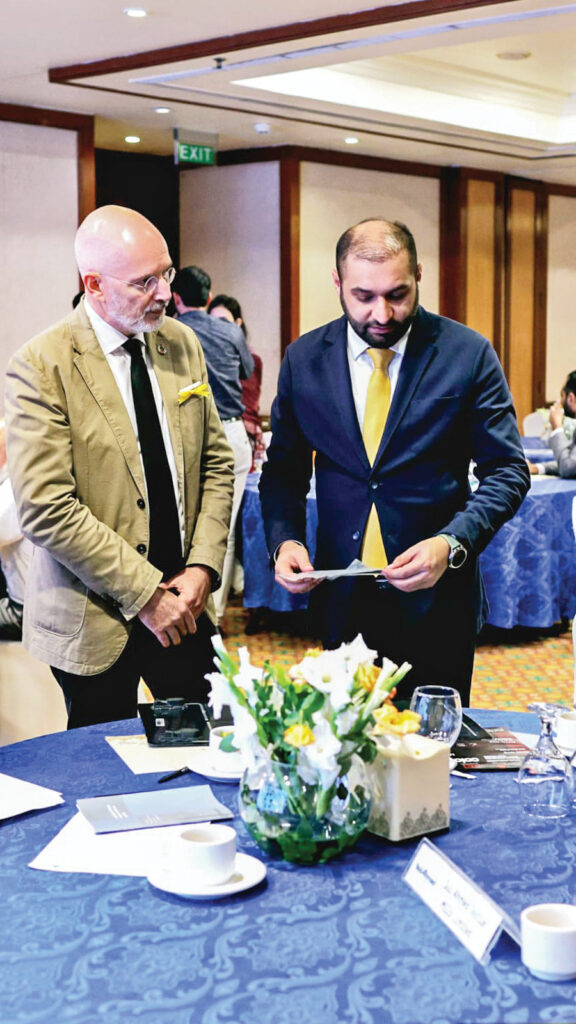
WHAT ARE THE WAYS YOU CAN IMPLEMENT NET-ZERO SOLUTIONS AND ADVANCE RENEWABLE ENERGY SYSTEMS FOR A SUSTAINABLE FUTURE?
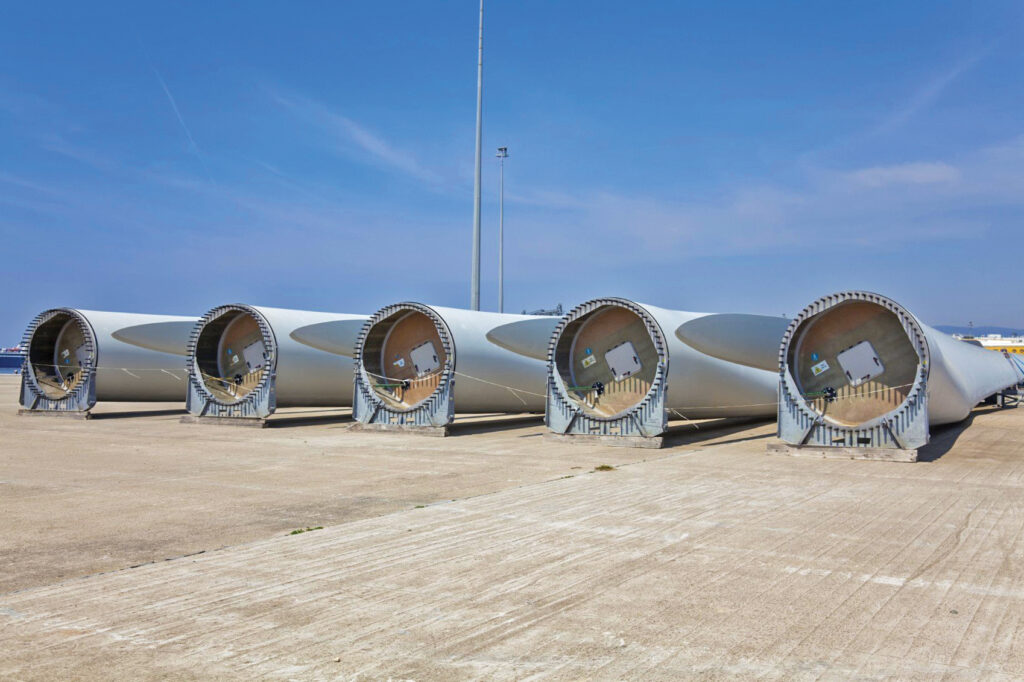
FJ: Net-zero can be achieved by deploying solar and wind projects with battery storage, establishing reliable biomass supply chains, and developing waste-to-energy plants. Alongside these, industries must improve efficiency through advanced automation, optimized utilities, and water recycling. With supportive policies and industry collaboration, these measures provide a clear pathway toward a sustainable future.
WHAT MEASURES WOULD YOU SUGGEST BE CONSIDERED FOR REDUCING ELECTRICAL LOADS IN BUILDINGS?
FJ: Electrical loads in buildings can be reduced through several measures. These include using LED lighting, high-efficiency HVAC systems, and proper insulation to minimize energy loss. Smart automation systems can further optimize consumption. On-site renewable generation, such as rooftop solar or solar-integrated window glass, can supplement power needs. In industrial buildings, optimizing air-conditioning systems and exploring solar glass panels are innovative ways to cut down energy demand.
WHAT IS YOUR OPINION ABOUT THE USE OF SOLAR ENERGY IN BUILDINGS, GENERALLY IN PAKISTAN?
FJ: Solar energy has immense potential in Pakistan due to abundant sunlight. Its adoption in buildings can reduce dependency on the grid, lower bills, and contribute to sustainability. Wider incentives and awareness are needed for mass adoption.
DESCRIBE A PROJECT THAT YOU HAVE WORKED ON THAT WAS OF PARTICULAR INTEREST TO YOU.
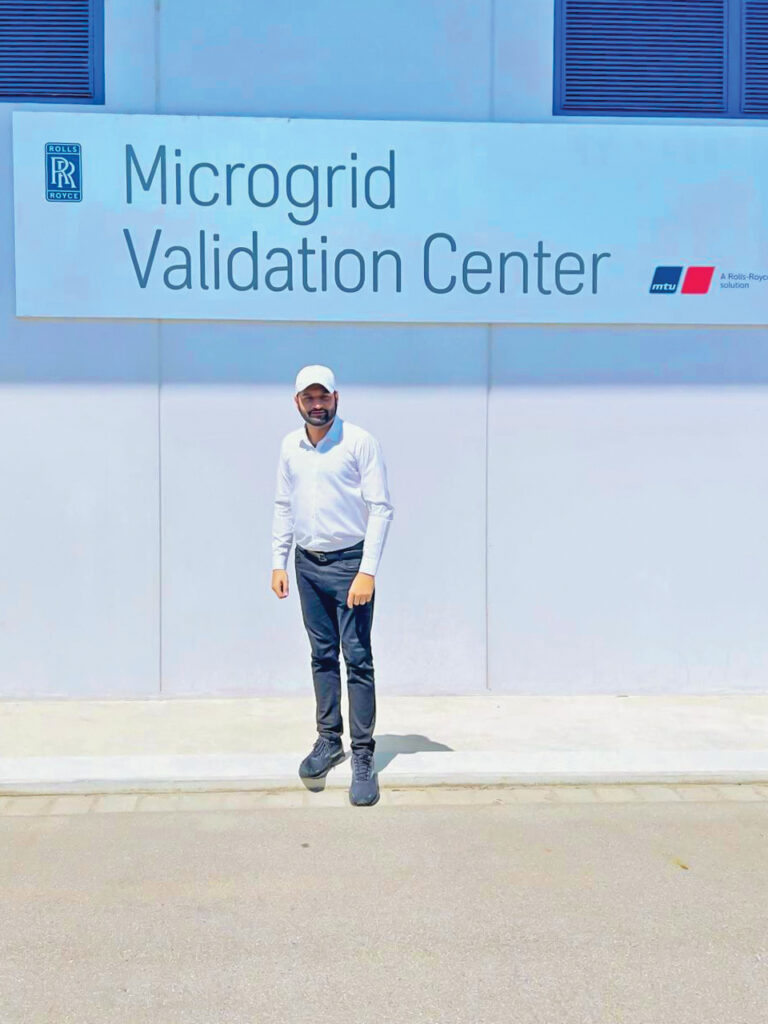
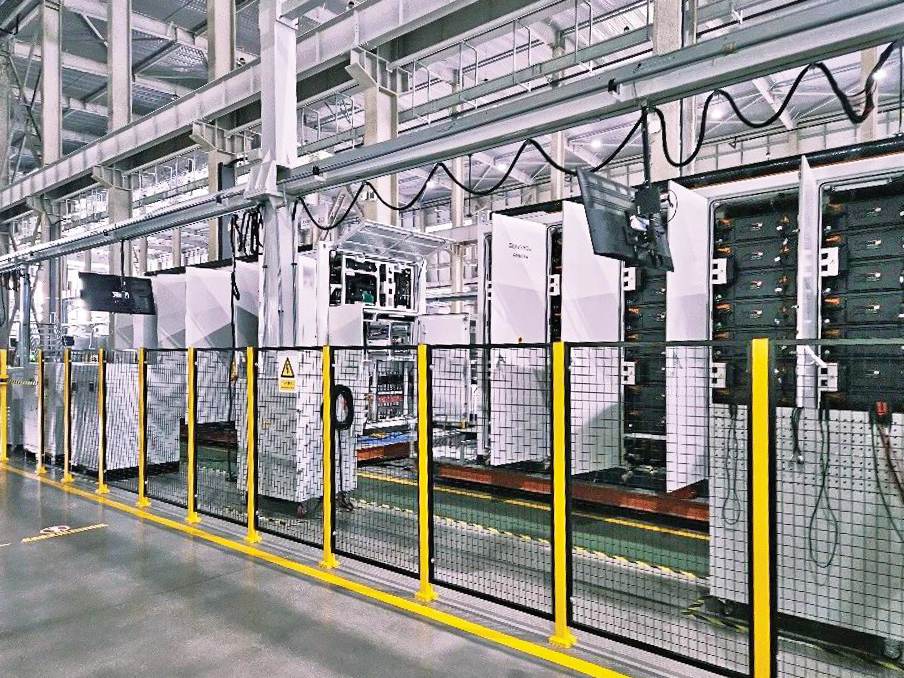
FJ: One of the most interesting projects I worked on was the integration of wind, solar, and battery energy storage into a microgrid. This project demonstrated how multiple renewable sources can be combined to ensure reliable, low-cost, and sustainable power. It reduced energy costs, improved grid stability, and served as a model for future large-scale sustainable projects in the industrial sector.

WHAT CHALLENGES AND DIFFICULTIES IS PAKISTAN FACING TODAY?
FJ: Key challenges include the energy crisis, water scarcity, inflation, and limited adoption of sustainable technologies. Additionally, lack of awareness and insufficient investment in renewable energy are slowing progress.
HAVE YOU HAD A CHANCE TO WORK IN OTHER COUNTRIES? WHAT DIFFERENCES DID YOU SEE IN THE APPROACH TOWARDS INDUSTRIAL DESIGN?
FJ: Yes, I have had opportunities to visit and collaborate internationally. I observed that other countries place strong emphasis on robotics in manufacturing, advanced automation, strict compliance, and quality assurance. Their commitment to sustainability is built into long-term planning. In contrast, Pakistan often focuses more on short-term cost savings rather than long-term efficiency and sustainable growth.
HOW DO YOU SPEND YOUR FREE TIME, AND TELL US ABOUT YOUR HOBBIES?
FJ: I enjoy traveling and photography, which allow me to explore new perspectives and stay refreshed. I also like sports and fitness activities to stay active, and volunteering gives me an opportunity to stay connected with the community. On the technical side, I enjoy experimenting with electronics, designing small circuits, and exploring renewable energy solutions. These hobbies keep me balanced, creative, and continuously connected with innovation in my field.
WHAT IS YOUR ADVICE FOR YOUNG PROFESSIONALS AND STUDENTS?
FJ: While studying, maintain a practical approach to learning and stay focused on your goals. Practice what truly interests you and build expertise in that area. Explore emerging fields like Artificial Intelligence and aim for top universities to gain global exposure. Work hard, stay consistent, and avoid distractions – instead of spending time on social media (TikTok or similar apps), use your creativity to design your own software or solutions. Above all, remain curious, embrace innovation, and develop both technical and soft skills to excel in a rapidly changing professional world.


