


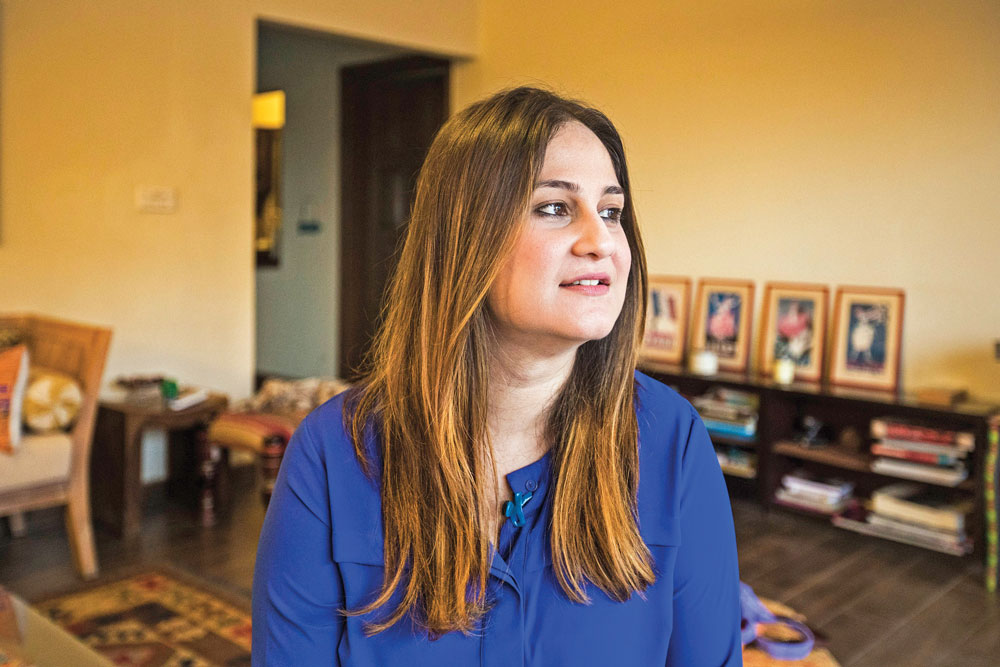
Bisma Sami Askari is the Chairperson of the BAE–IAP (Building and Architectural Engineering – Institute of Architects Pakistan) Committee, where she plays a pivotal role in strengthening the interface between architectural practice, education, and professional development. With a strong commitment to advancing architectural standards and fostering collaboration between academia and the profession, she has been actively involved in initiatives that promote capacity building, interdisciplinary dialogue, and the engagement of emerging professionals. Her leadership reflects a forward-looking vision for architecture in Pakistan, emphasizing innovation, inclusivity, and institutional synergy. In this ZRK-IAP Architect Interviews Series, she talks about his architectural journey and profession-related issues.
Interview by ARCHI TIMES | Photos: Courtesy Architects
COULD YOU TELL US ABOUT YOUR EDUCATIONAL JOURNEY IN ARCHITECTURE AND THE INSPIRATION BEHIND CHOOSING THIS CAREER PATH?
BISMA SAMI ASKARI (BSA): From an early age, I found myself drawn to the delicate balance between imagination and reason. By the age of twelve, architecture had quietly revealed itself as my calling – an instinctive certainty rather than an inherited one. With no immediate family ties to the profession, it was my early immersion in art, culture, and the built environment that gently yet persistently shaped this path.
This inclination led me to the Indus Valley School of Art and Architecture (IVS), where a fascination with space evolved into a disciplined craft. Under the mentorship of senior members of the architectural fraternity such as Arshad Abulla sahib, Akeel Bilgrami sahib, Shahid Abdulla sahib, Husnain Lotia sahib, Tariq Alexander Qaiser sahib, my sensibility was sharpened and my voice as a designer began to emerge. I graduated in 2007, carrying forward a rigorous foundation – one that continues to anchor, inform, and inspire my practice today.
YOU’VE HAD A LONG AND MEANINGFUL ASSOCIATION WITH ASA. HOW DID THIS JOURNEY BEGIN, AND HOW DID IT UNFOLD INTO SUCH AN EXTENSIVE EXPERIENCE WITH THE FIRM? LOOKING BACK, WHAT HAS YOUR TIME AT ASA BEEN LIKE – BOTH AS A LEARNING JOURNEY AND A PROFESSIONAL EXPERIENCE – AND WHICH PROJECTS HAVE YOU HAD THE OPPORTUNITY TO SHAPE AND DESIGN ALONG THE WAY?
BSA: During my years at IVS, I had the privilege of engaging with three of Karachi’s most respected architectural practices – Habib Fida Ali, Arshad Shahid Abdulla, and ARCOP. These experiences allowed me to test my curiosity, discipline, and emerging design voice within real professional contexts. Among them, ASA stood apart, particularly because I had also studied under Arshad Saab and Shahid Saab at IVS. Their guidance – shaped by a deep understanding of my capabilities and professional ethos – offered me not only mentorship but genuine trust. It was during this time that I had the honor of becoming the first student from my batch to receive an offer prior to graduation – an affirmation that would mark the beginning of a long and defining professional journey.
ASA has long been regarded as a cornerstone of the architectural profession in Pakistan, a practice that has shaped discourse, set benchmarks, and nurtured generations of architects who have gone on to leave their mark nationally and internationally. To grow within such an institution was both demanding and deeply enriching. Having spent my entire professional career there, my understanding of architecture was forged within its rigorous environment – one that valued intellectual clarity, design integrity, technical precision, and an unwavering commitment to excellence. Beyond this, ASA became a second home, where colleagues were more like family, and the culture of mentorship and collective inquiry instilled in me a strong professional grounding and a profound respect for architecture as both a craft and a responsibility.
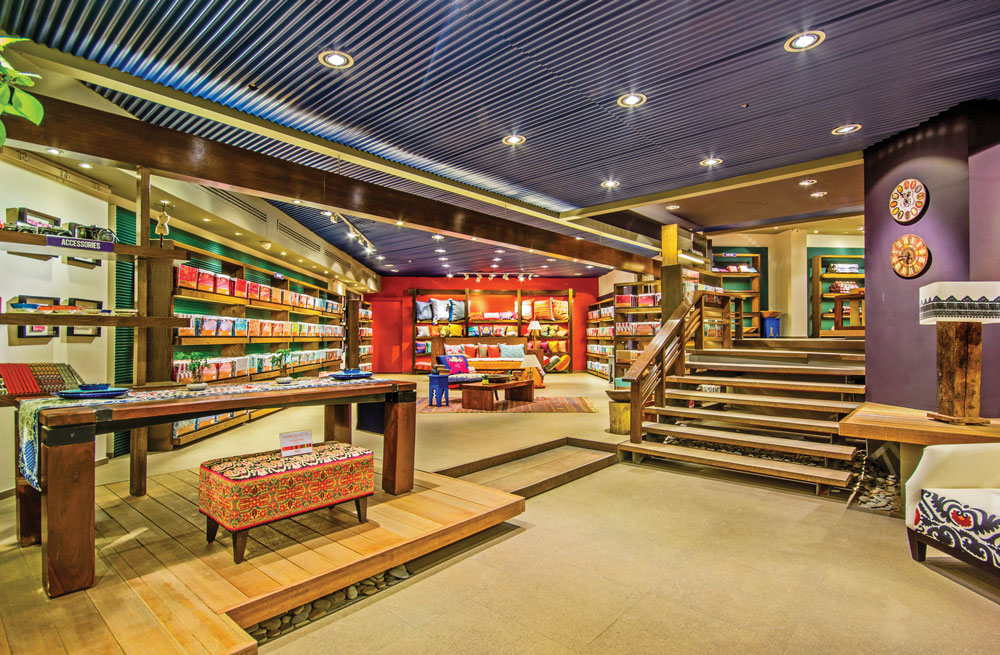
Working closely with Shahid Saab over the years, I had the privilege of contributing to a wide and complex spectrum of projects across the country, ranging from retail, corporate, and commercial developments to healthcare, residential, and socially responsible initiatives. Every challenge was treated as an opportunity, each project became a site of learning – sharpening my ability to respond to diverse contexts, scales, users, and constraints while maintaining a coherent design ethos. Alongside my role in design and heading the department, I gradually assumed responsibilities within senior management, gaining first-hand exposure to the operational, strategic, and leadership dimensions of running a large architectural practice. Navigating teams, processes, timelines, and long-term vision offered a deeper understanding of how architecture operates beyond drawings and built form.
Together, these 17 years at ASA were profoundly formative. They shaped my approach to design, strengthened my professional resilience, and expanded my perspective on architecture as a collaborative, ethical, and transformative profession – one that demands not only creative vision, but also stewardship, leadership, and care for the societies it serves.



HOW DO ARCHITECTURE AND INTERIOR DESIGN EACH SHAPE YOUR CREATIVE PROCESS, AND DO YOU HAVE A PREFERENCE BETWEEN THE TWO?
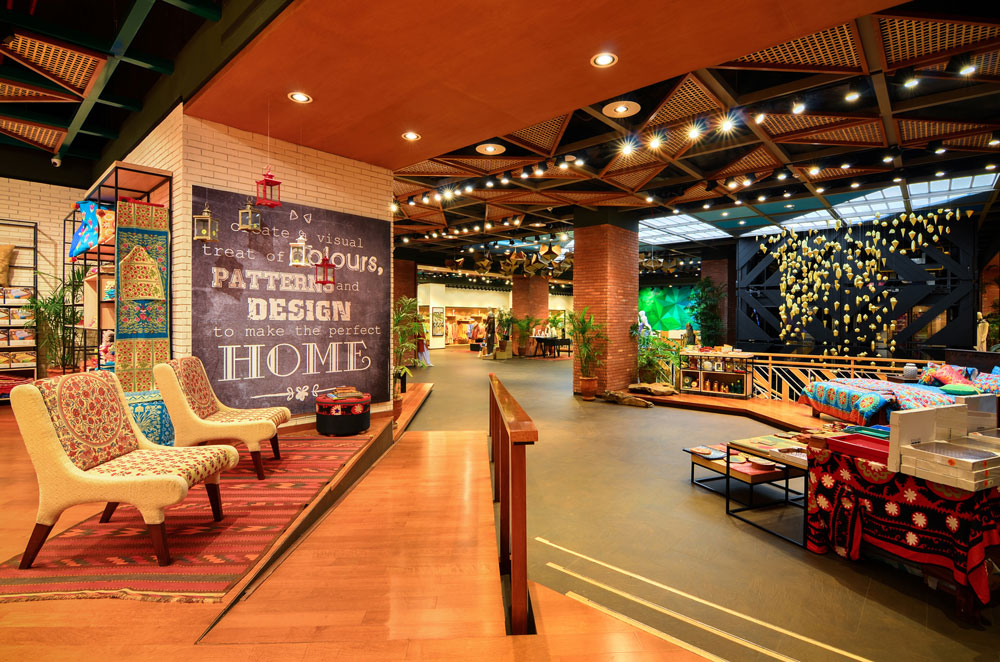
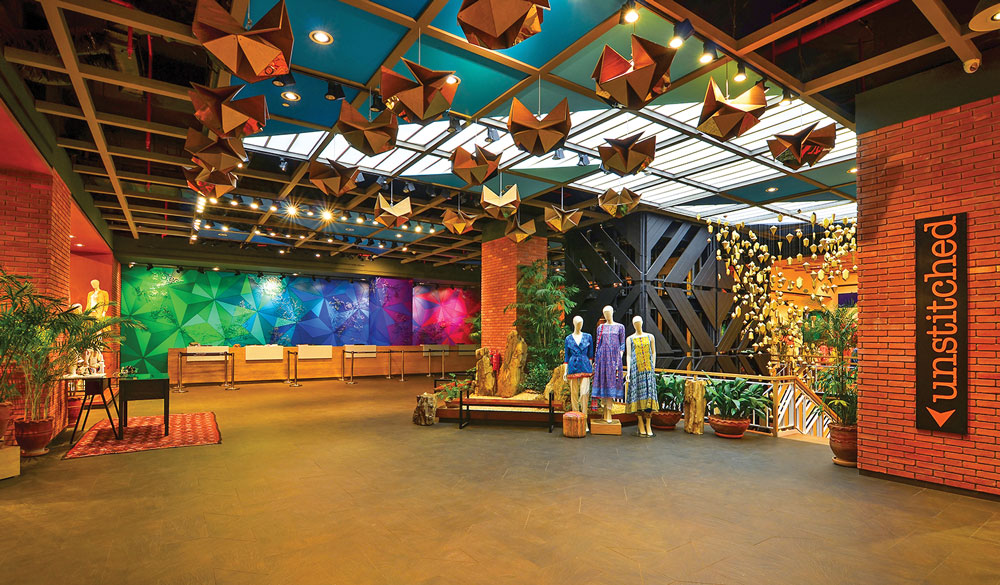
BSA: For me, architecture and interior design exist as a single, continuous dialogue – inseparable disciplines distinguished only by scale. They move fluidly from the expansive to the intimate, from broad urban gestures to the quiet precision of crafted details. It is within this continuum that I find my deepest engagement.
At the heart of my practice lies a passion for problem-solving through design, where clarity of thought meets aesthetic intent. I am drawn to the process of shaping thoughtful responses – resolving constraints, interpreting context, and transforming complexity into coherence. Whether working at an architectural scale or within the intimacy of interior space, it is the challenge itself that motivates me, and the pursuit of meaningful, well-considered solutions that continues to inspire my work.


LOOKING BACK, IS THERE A PARTICULAR PROJECT OR ACHIEVEMENT THAT YOU ARE MOST PROUD OF? WHY?
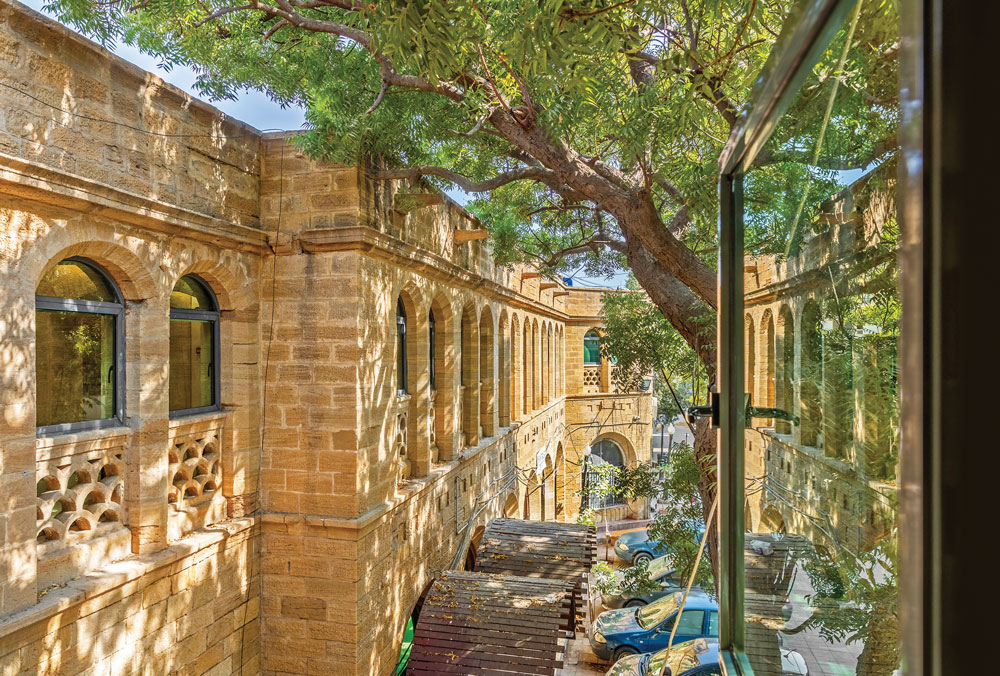
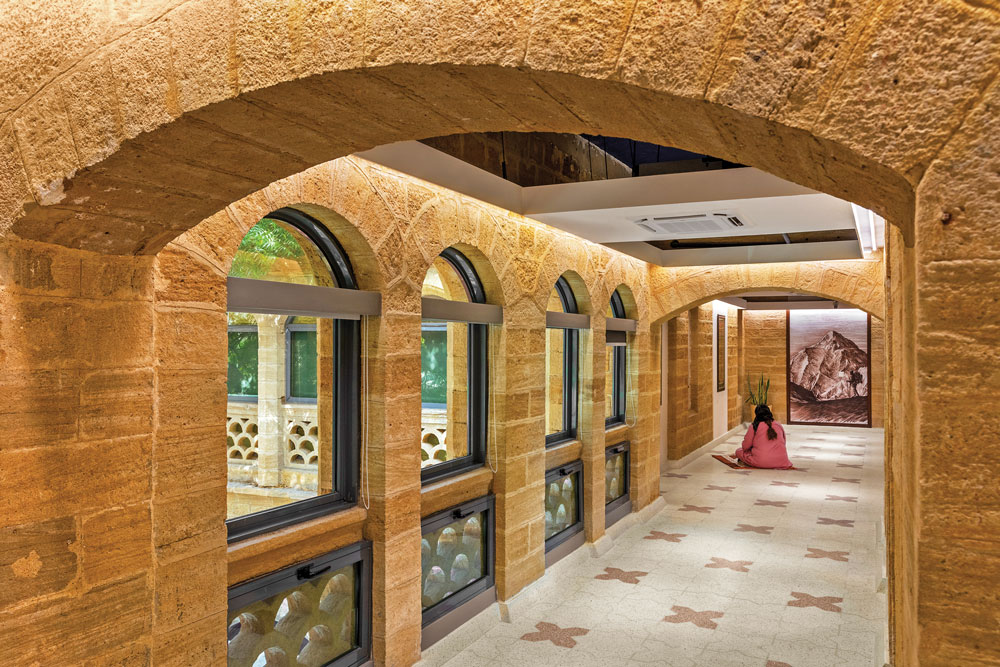
BSA: Every project carries its own lessons and rewards, yet some leave an imprint that lingers far beyond completion. For me, that project is the Sindh Institute of Advanced Endoscopy and Gastroenterology (SIAG), envisioned by Dr. Saad Niaz at Civil Hospital. What began as a neglected, crumbling floor within a heritage structure – its very fabric nearing collapse – became the site of an extraordinary transformation. To reimagine this derelict space as an international-standard institute, offering free treatment with dignity and care, was both a formidable challenge and a profound responsibility.
The journey was a true labour of love – driven by purpose, perseverance, and an unwavering belief that architecture has the power to restore not only buildings, but lives. Seeing patients and their families step into a space that defies the bleak expectations often associated with government hospitals, and witnessing the quiet relief reflected on their faces, has been deeply humbling. Equally meaningful is the knowledge that this project sparked a broader awakening within Civil Hospital itself, inspiring the improvement of other areas and contributing, in its own way, to the uplift of the institution as a whole.
WHAT CHALLENGES HAVE YOU FACED AS A WOMAN ARCHITECT, AND HOW HAVE YOU OVERCOME THEM?
BSA: Fresh out of college, on my very first independent site visit, I overheard a remark that lingered far longer than it should have: “…she’s a girl, what does she know?” In that instant, a quiet resolve took root. I committed myself to mastering every dimension of architecture – local and global, conceptual and technical – so that my competence would speak unequivocally, leaving no room for doubt or dismissal.
Just as importantly, that moment shaped a deeper purpose. It ignited a commitment to uplift and empower other women in the profession, to create pathways where female architects are not merely present, but valued – seen, heard, and respected for their intellect, leadership, and contribution. What began as a personal reckoning has since evolved into a shared mission: to help shape a professional culture where talent is recognised on its own merit, and gender is never a measure of credibility.
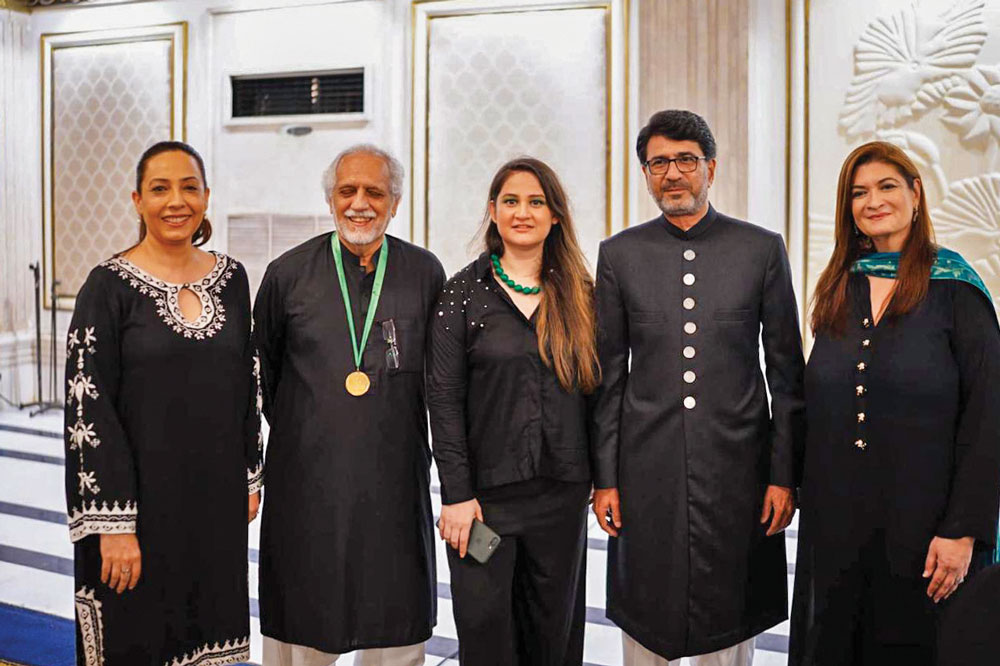
YOU HAVE HELD SEVERAL NOTABLE POSITIONS IN DIFFERENT ORGANISATIONS – FIRST FEMALE CHAIRPERSON OF ARCASIA COMMITTEE ON YOUNG ARCHITECTS (ACYA) ACROSS 24 ASIAN COUNTRIES, HONORARY SECRETARY IAP, YOUNGEST IAP VICE PRESIDENT, CHAPTER LEAD SINDH-WOMEN IN ARCHITECTURE PAKISTAN (WAP) AND NOW THE YOUNGEST CHAIRPERSON BAE-IAP. HOW DO YOU FEEL ABOUT THESE ACHIEVEMENTS, AND WHAT HAVE THESE EXPERIENCES TAUGHT YOU?
BSA: I remain deeply grateful for the opportunity to have served in diverse leadership roles across multiple professional organizations – often while gently, and at times quietly, pushing boundaries and breaking glass ceilings along the way. As the saying goes, “God prepares people before appointing them to the right position at the right time,” and I have come to view these milestones not as entitlements, but as blessings – bestowed with purpose, responsibility, and accountability.
My first term on the IAP National Council led to my appointment as Honorary Secretary, while I was simultaneously elected Deputy Chairperson of ACYA (ARCASIA Committee on Young Architects) and served as Honorary Secretary of PIID (Pakistan Institute of Interior Designers). This period proved both demanding and formative. Much of it unfolded during the uncertainty of the COVID-19 pandemic, requiring a rapid shift to virtual platforms and unfamiliar modes of engagement. Navigating institutional responsibilities in an entirely digital environment tested adaptability and resilience, yet it also opened unexpected avenues for collaboration, cross-border dialogue, and institutional growth – demonstrating that meaningful engagement can thrive even in moments of disruption.

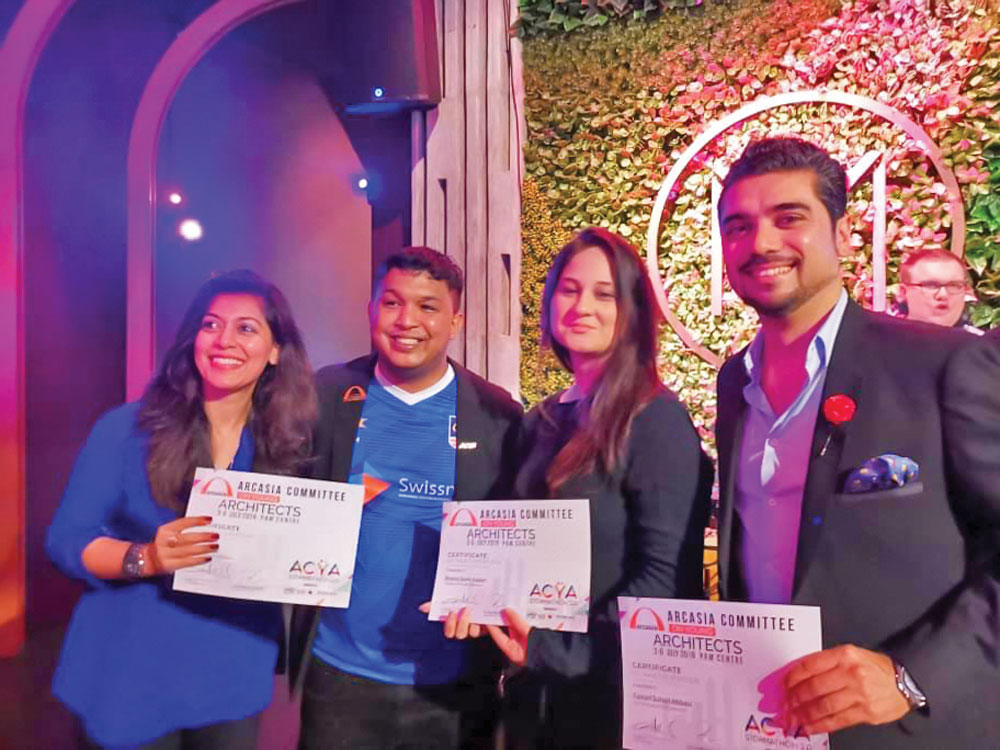
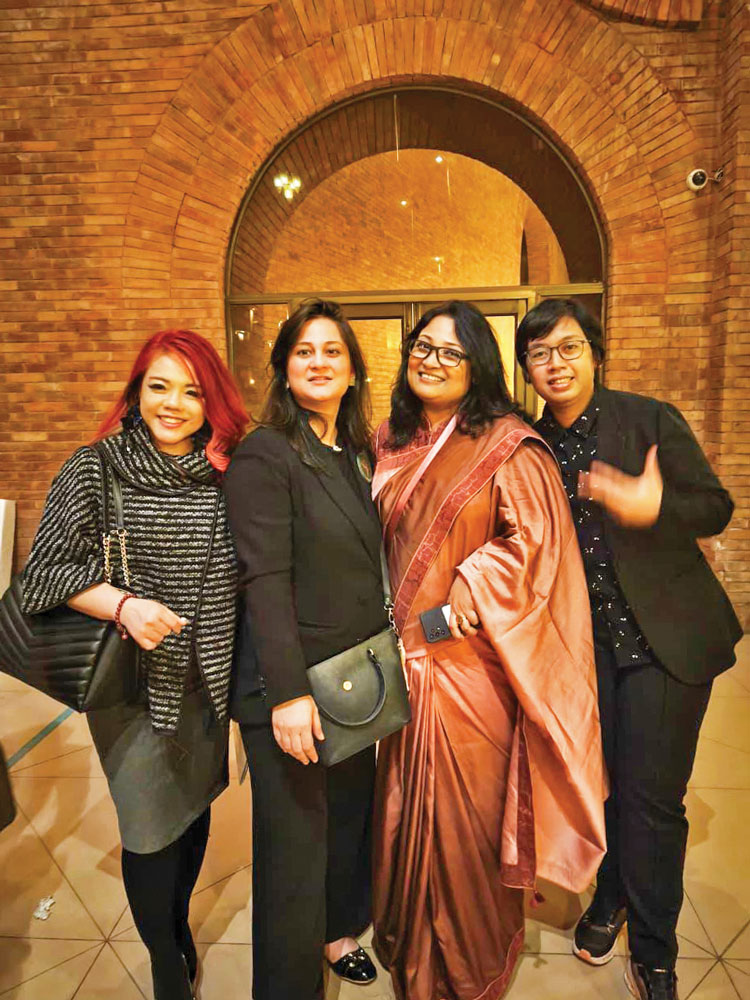
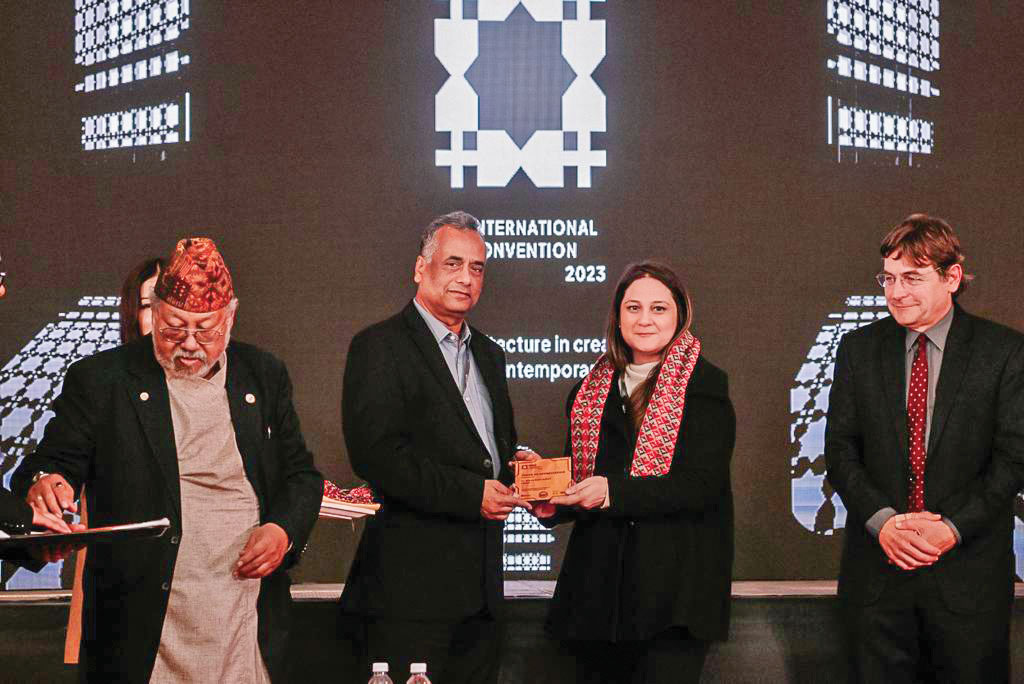
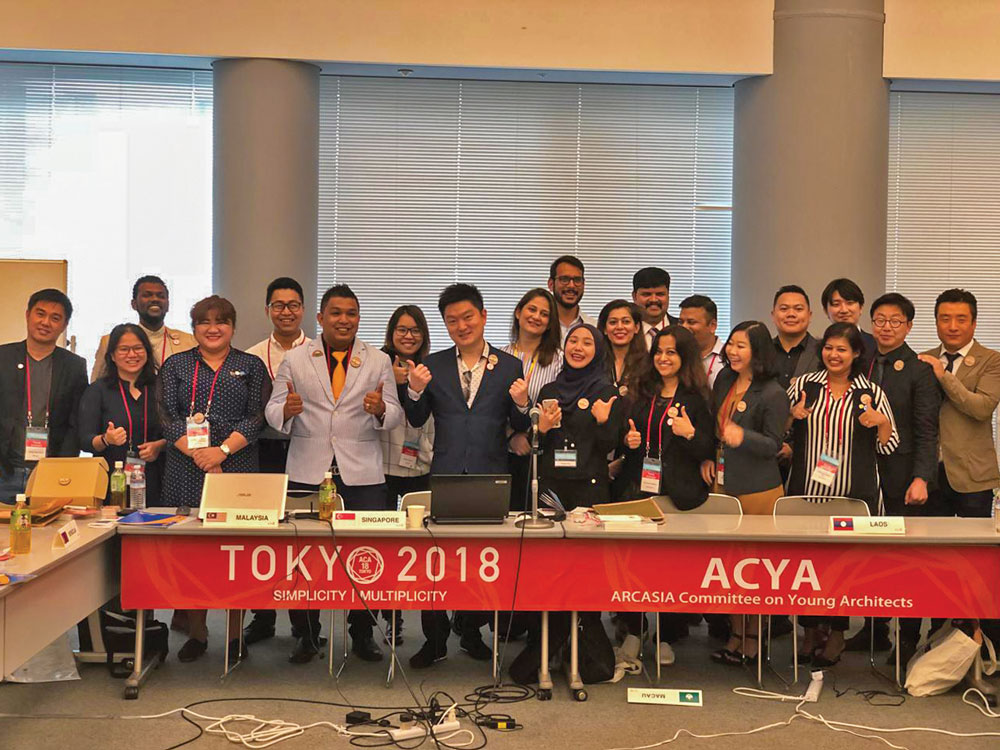
Within two years, I was entrusted with greater responsibility – being elevated to Vice President of the Institute of Architects Pakistan, becoming the youngest to date to hold the position, and assuming the role of the first female Chairperson of ACYA, leading and representing young architects across 24 Asian countries. These were not merely personal milestones, but emblematic of a broader and long-overdue shift toward inclusivity, representation, and generational leadership within the profession.
Each role demanded a distinct leadership lens. As Vice President of IAP, my focus centered on organizational integrity – strengthening governance structures, upholding rules and regulations, and ensuring institutional continuity. In contrast, my role as Chairperson of ACYA required a community-driven, outward-looking approach: building a connected network of young architects across Asia, uniting them through shared purpose, and creating platforms that encouraged visibility, dialogue, and pathways into leadership and professional growth.
Today, I serve as Chairperson of the Board of Architectural Education, Institute of Architects Pakistan (BAE-IAP), a role of particular significance as it shapes the academic and professional foundations of future architects in the country. Alongside this, I also serve as Sindh Chapter Lead for Women in Architecture Pakistan (WAP), an organization dedicated to nurturing a female-led architectural community and providing inclusive spaces for mentorship, growth, and collective empowerment. I approach both responsibilities with care, conviction, and a long-term vision – focused on strengthening institutional frameworks, elevating educational standards, and fostering equity within the profession.
Yet, the moments that fill me with the greatest pride are those in which I am entrusted to represent Pakistan – both nationally and on international platforms. Such representation is never personal; it is collective, carrying the weight of a profession, a community, and a country. I shoulder this responsibility with humility and gravitas, fully aware that each role is far greater than the individual who occupies it.
Over time, these experiences have distilled a simple but enduring truth: positions are transient, titles are temporary, but legacy is lasting. It lies in the work we leave behind – in the institutions we strengthen, the pathways we open for others, and the resilience we build so that progress continues long after our tenure has ended.


AS BAE CHAIRPERSON, WHAT ROLE DO YOU ENVISION BAE-IAP PLAYING IN SHAPING THE NEXT GENERATION OF ARCHITECTS?
BSA: As Chairperson, I see BAE-IAP playing a pivotal role in shaping the next generation of architects. While it formally functions as the operational arm of PCATP, supporting its mission for architectural education, to me it represents something far deeper – the transformative journey from student to architect, and all the formative experiences in between. BAE-IAP embodies a continuum of learning, growth, and professional evolution, bridging education and practice through leadership, collaboration, and inclusive development.
In this role, BAE-IAP empowers students, strengthens faculty, and supports emerging schools, while championing research, innovation, and a strong societal purpose. Our new narrative, “From Foundation to the Future,” captures this vision – it reflects our commitment to initiatives that enrich learning, broaden exposure, and create meaningful platforms for growth at every stage of the educational journey.
Today’s post-pandemic world demands architects who are interdisciplinary, adaptive, and reflective. BAE-IAP is poised to guide students in questioning, reimagining, and transforming architectural practice so they emerge as capable, responsible, and forward-thinking professionals – ready to respond to the rapidly evolving social, technological, and environmental challenges of our time.
In essence, BAE-IAP is not just shaping architects – it is shaping the future of the profession, cultivating leaders who will design with vision, purpose, and enduring impact.
HOW DO YOU SEE THE ROLE OF WOMEN ARCHITECTS EVOLVING IN PAKISTAN AND THE REGION OVER THE NEXT DECADE?
BSA: Today, women form the majority of architecture students and graduates in Pakistan, yet this promise has not fully translated into sustained professional practice. Societal expectations and deeply rooted norms continue to test women’s presence and persistence within the field. And yet, those who remain are doing far more than enduring – they are pushing boundaries, claiming their rightful space, and shaping the future of architecture with clarity of vision, skill, and quiet determination.
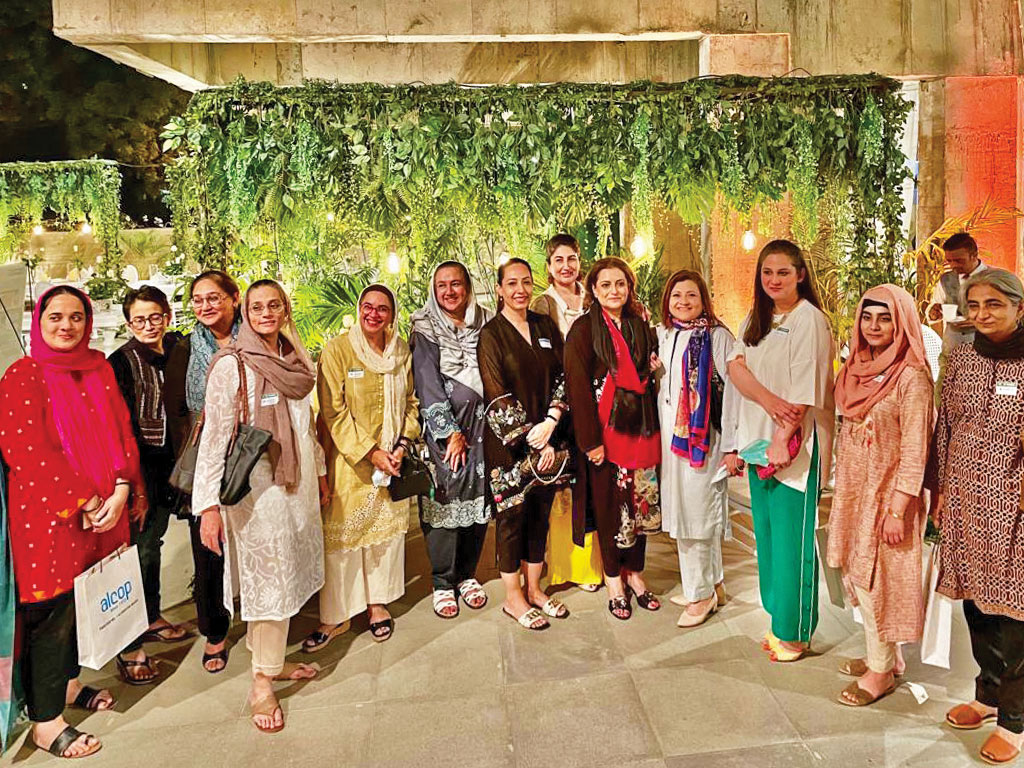
In this evolving landscape, organizations such as Women in Architecture Pakistan (WAP) serve as beacons – cultivating community, offering solidarity, and creating the support structures necessary for women to thrive within a traditionally male-dominated profession. Their work transforms isolation into collective strength and aspiration into possibility.
Looking ahead to the next decade, I envision a profession reshaped by women architects who achieve extraordinary milestones, step confidently into positions of influence, and redefine leadership on their own terms. Not by seeking permission, but by creating space – through excellence, integrity, and merit – for themselves, for one another, and for the generations yet to come.
WHAT LEADERSHIP QUALITIES DO YOU THINK ARE ESSENTIAL FOR ARCHITECTS ASPIRING TO TAKE ON PROFESSIONAL AND OR GANIZATIONAL ROLES?
BSA: Architects who aspire to leadership must rise beyond technical mastery, carrying character, resilience, and vision as their guide. Leadership is not measured by title, but by the paths we carve, the examples we leave, and the inspiration we awaken in others. A true leader meets challenges as invitations, walks boldly against the grain when needed, and carries the quiet strength to endure with clarity and courage.
They listen with empathy, act with conviction, and take responsibility without hesitation. They lift those around them, nurture talent, and shape more leaders than followers, creating spaces where growth, possibility, and purpose flourish. They navigate complexity with grace, collaborate with generosity, and stand unwavering in principle, leaving behind teams, organizations, and communities richer, wiser, and stronger than before.
At its heart, leadership is more than a role – it is a vision, a promise, a commitment to shape the future with courage, care, and enduring impact. It is the light that guides others through uncertainty, the force that transforms challenges into opportunity, and the legacy that echoes long after we have passed.
HOW DO YOU THINK INTERNATIONAL COLLABORATION CAN CONTRIBUTE TO IMPROVING ARCHITECTURAL EDUCATION AND PRACTICE IN PAKISTAN?
BSA: I have always believed in the transformative power of collaboration to advance architectural education and practice. When we reach beyond borders, we invite diverse perspectives, inventive methodologies, and global best practices that can breathe new life into our local context. By weaving together knowledge, expertise, and resources from around the world, we are better equipped to confront complex design and urban challenges than we ever could alone. As Helen Keller said, “Alone we can do so little; together we can do so much.”
For Pakistan, such collaboration opens doors to fresh pedagogies, sustainable strategies, cutting-edge technologies, and research-driven approaches that enrich curricula and elevate professional standards. Cross-cultural exchanges and international initiatives nurture critical thinking, adaptability, and a broader, more discerning worldview in both students and practitioners.
Ultimately, international collaboration is not merely a conduit for learning-it is a dialogue, a meeting of minds where Pakistani architects can contribute boldly, innovate fearlessly, and shape a built environment that is at once profoundly local and resonantly global.
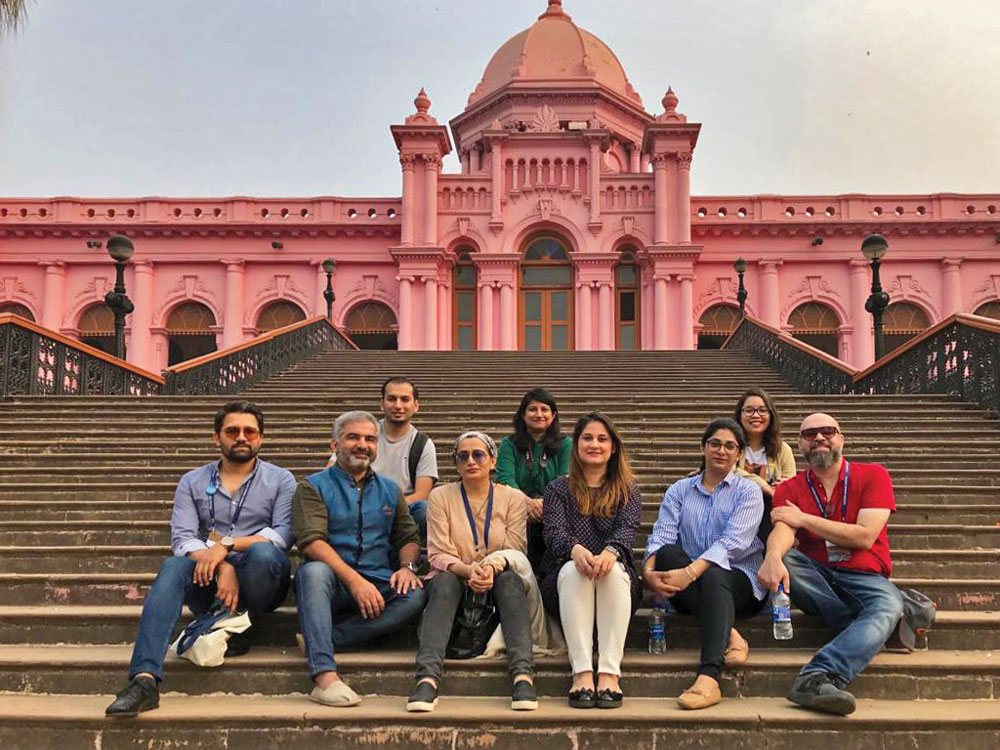
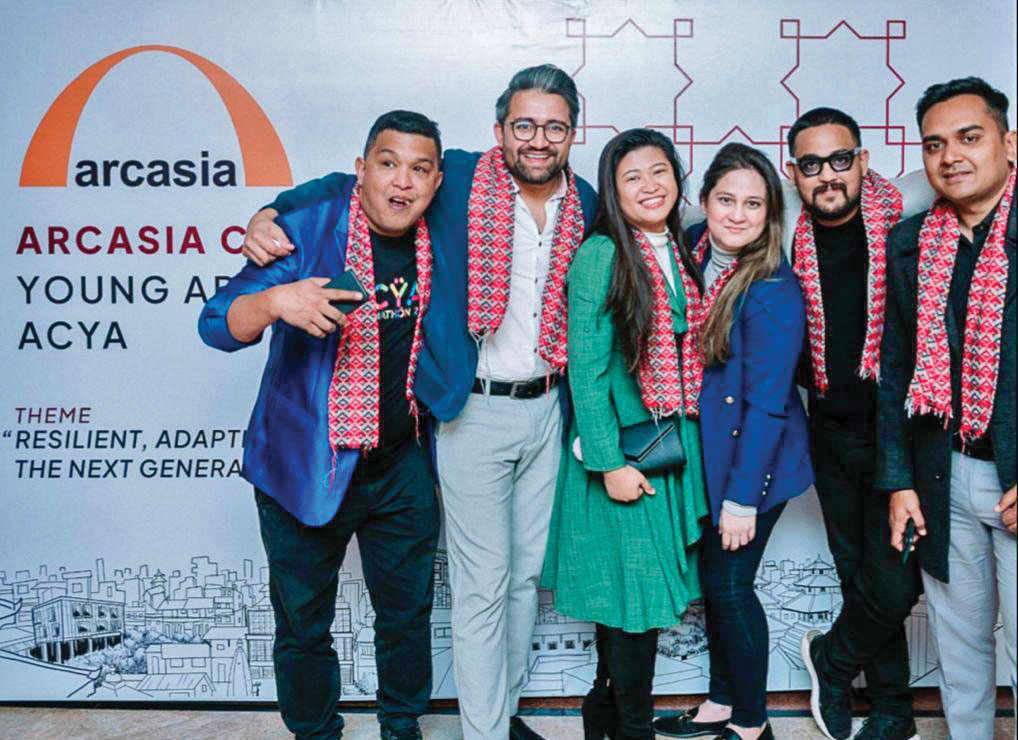
HOW HAS IAP STRENGTHENED PAKISTAN’S ARCHITECTURAL PRESENCE INTERNATIONALLY AND DEEPENED RELATIONSHIPS WITH ARCASIA MEMBER COUNTRIES, AND HOW DO YOU CONTRIBUTE TO ADVANCING THESE ENGAGEMENTS?
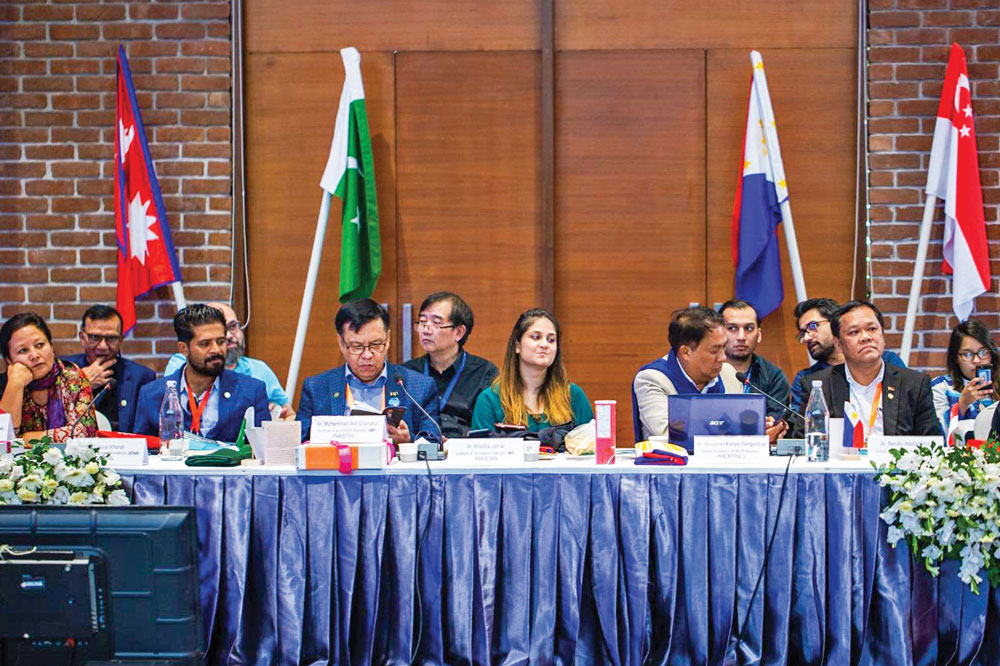
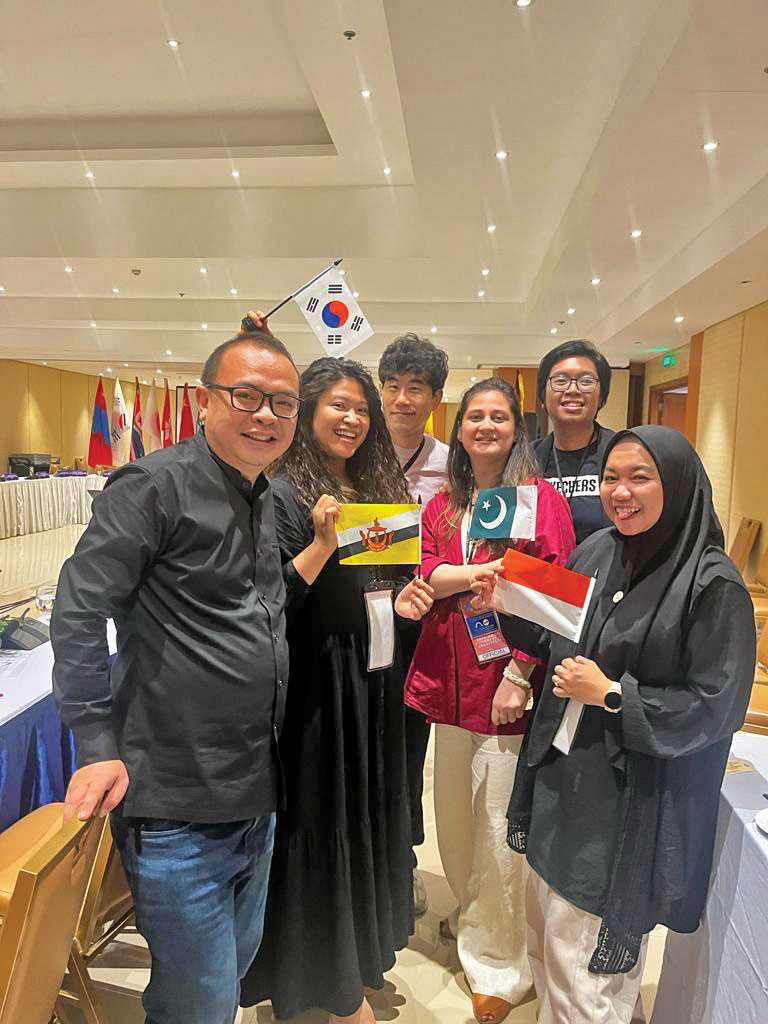
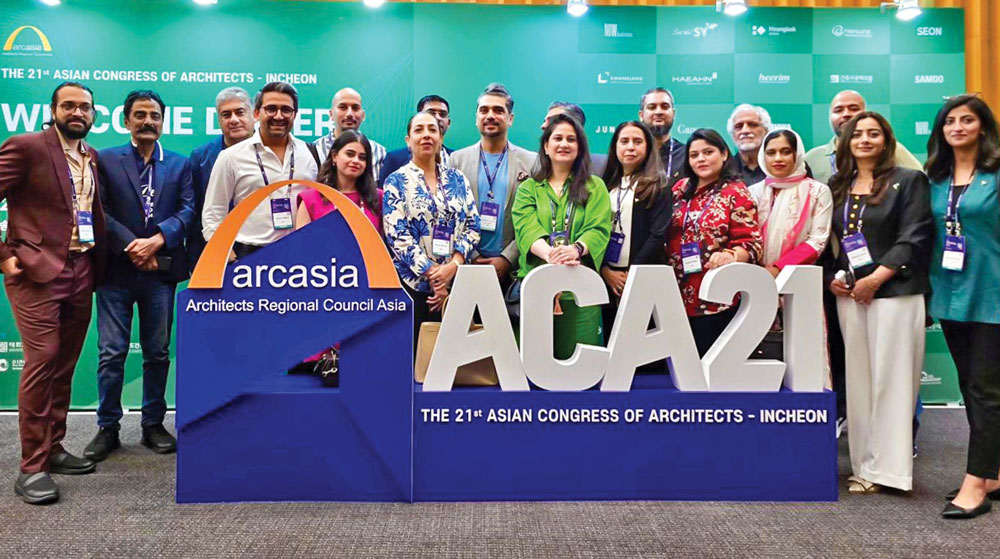
BSA: The Institute of Architects Pakistan (IAP) has long exercised leadership in positioning Pakistan’s architectural narrative on the global stage-one defined by innovation, cultural depth, and professional excellence. Through sustained affiliation and engagement with international and regional bodies such as ARCASIA, UIA, CAA, SAARCH, EAROPH, and the newly formed AASA, IAP has played an active role in fostering collaboration, advancing dialogue, and encouraging the exchange of knowledge and best practices. These global platforms have enabled Pakistani architects to engage meaningfully with international peers through exchanges, joint conferences, and cross-border workshops, projecting Pakistan’s evolving architectural voice with confidence and credibility.
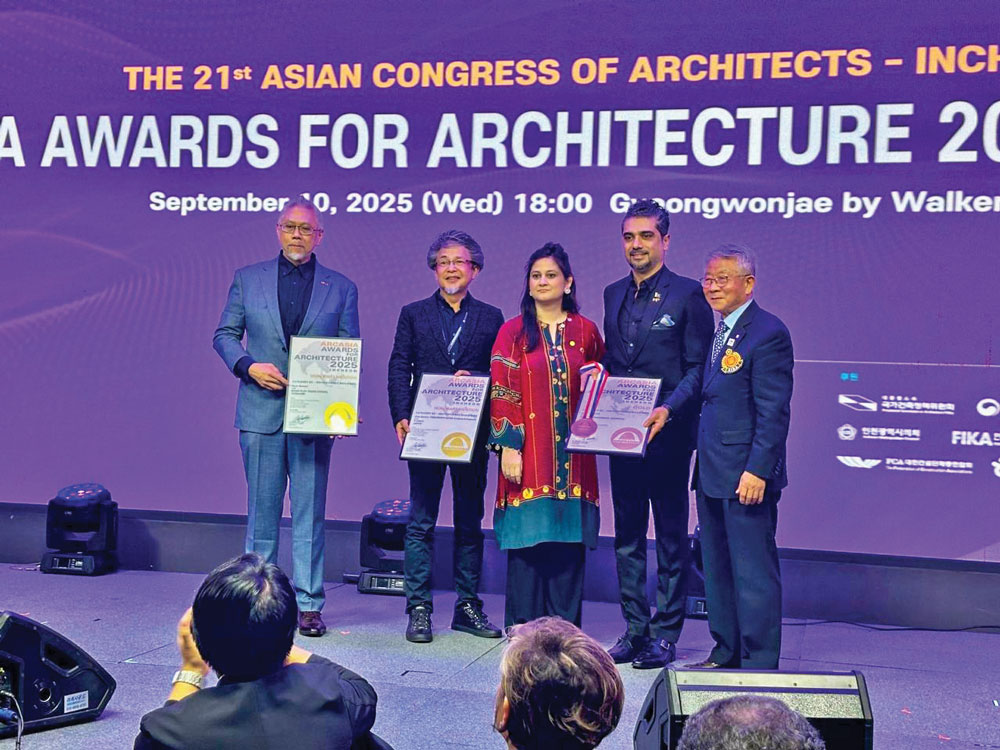
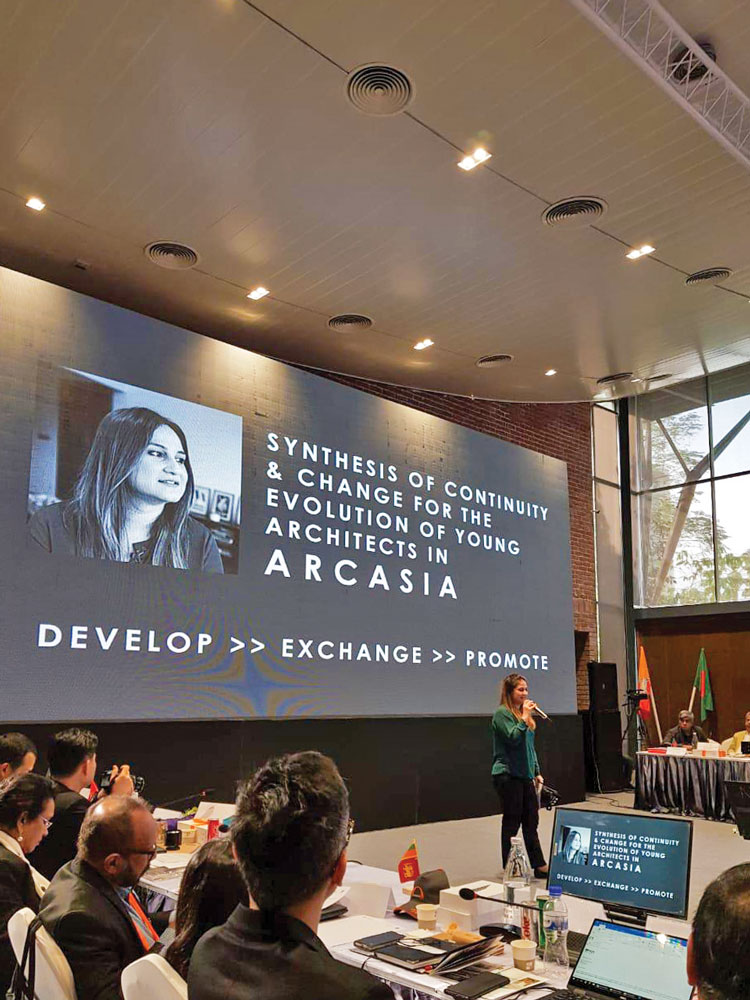
As a founding member of ARCASIA, IAP has contributed to building enduring regional relationships and strengthening architectural discourse across Asia. Many of its members have served in leadership roles within ARCASIA, reinforcing institutional networks and cultivating a culture of shared learning and collective growth. A significant milestone in this journey was IAP’s successful bid to host ACA 22 in Pakistan, following ACA 21 in Korea (September 2025). The bid – prepared under the leadership of IAP President Ar. Fawad Suhail Abbasi and presented at the international forum – reflected the collective strength, vision, and credibility of IAP within the region. Subsequently, I was entrusted with the role of Convener of ACA 22, marking a historic first as both the youngest and first female Convener in ARCASIA’s history, a distinction formally acknowledged by the ARCASIA President.
In my continuing roles as Past Chairperson ACYA, official IAP representative, and Chairperson BAE-IAP within the Committee on Architectural Education, my focus remains on strengthening institutional engagement and advancing international collaboration for IAP. I am committed to facilitating meaningful platforms where Pakistani architects – particularly emerging professionals and students – can engage confidently, contribute thoughtfully, and grow within global arenas. Through advocacy, stewardship, and cross-border dialogue, I strive to support IAP’s role as a responsible regional partner, ensuring that Pakistan’s architectural voice is not only present in international forums, but actively contributes to shaping architectural conversations with clarity, integrity, and purpose.

WHAT MESSAGE OR ADVICE WOULD YOU GIVE TO YOUNG ARCHITECTS AND STUDENTS?
BSA: Embrace challenges as opportunities, trust your ideas, and design fearlessly – your voice can shape spaces and inspire meaningful change.
WHAT ARE YOUR GOALS FOR THE FUTURE, AND HOW DO YOU SEE THE NEXT YEAR SHAPING YOUR JOURNEY? / WHAT’S NEXT FOR YOU, AND HOW DO YOU SEE THE COMING YEAR UNFOLDING?
BSA: Since stepping away from ASA, I have taken a rare pause – not as retreat, but as recalibration. It has been a time to question inherited models, unlearn what no longer serves, and imagine how architecture in Pakistan might evolve with greater courage, inclusivity, and relevance. This distance has sharpened my perspective, revealing both gaps and immense possibilities.
At the heart of this moment is the quiet beginning of my own studio – a step both personal and hopeful. It is not merely starting anew, but creating a space for ideas, values, and ways of working I believe in: rooted in integrity, curiosity, and collaboration, where process is as meaningful as outcome, and architecture is thoughtful, responsive, and human-centered.
The year ahead feels less like a plan and more like a journey – open, inquisitive, and porous. Cross-border collaborations and conversations with architects across Asia will test ideas beyond familiar boundaries, challenge the ordinary, and open space for work driven by curiosity and conviction.
I aim to weave global perspectives into local realities, crafting work that is grounded yet forward-looking, rooted yet open to the world. Architecture, for me, is about resonance – creating spaces that honor people, memory, and landscape while inspiring, provoking thought, and leaving a lasting imprint.
This year is one of discovery, growth, and fearless experimentation. It is a time to listen, collaborate, and trust the unfolding of a practice still finding its voice. In this openness lies the greatest possibility – for who can say what wonders, alliances, or transformative ideas may emerge when one builds deliberately, practices bravely, and lets imagination lead the way. As they say, the future belongs to those who believe in the beauty of their dreams.
Thank you for time and talking to us!


