


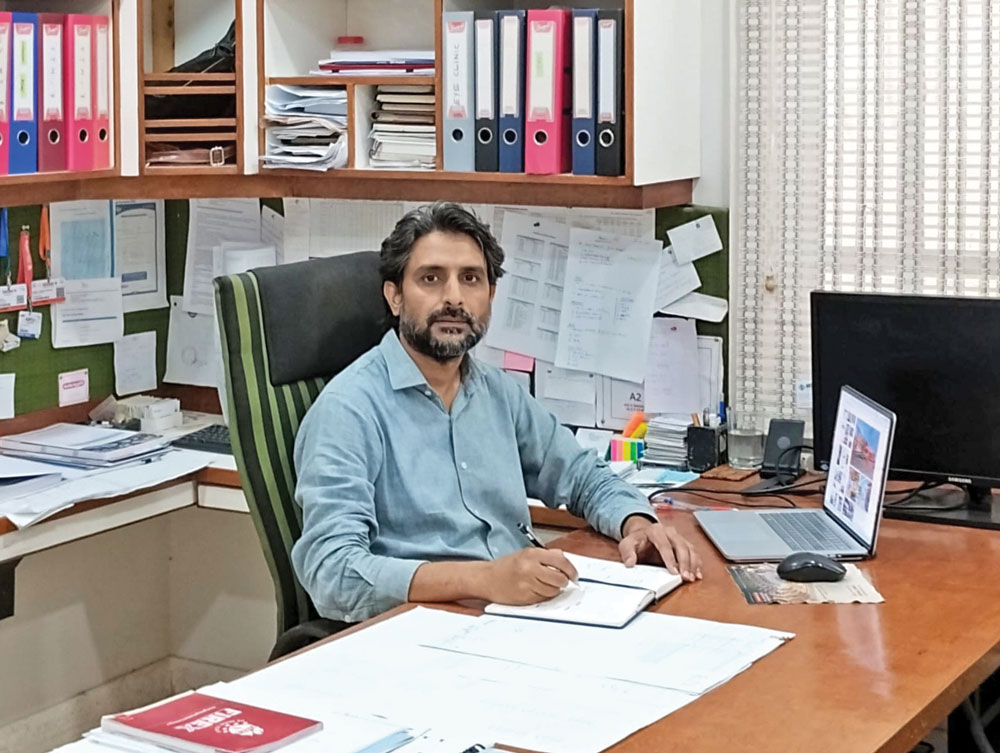
Engineer Wasay Siddiqui is the Director Consulting at KPWS Consulting, bringing over two decades of experience in mechanical engineering, multidisciplinary building services design, and project management. A USA-qualified Mechanical Engineer, he has led the design and execution of complex healthcare, commercial, industrial, educational, and infrastructure projects across Pakistan, the Middle East, and Africa. His expertise spans HVAC, plumbing, firefighting, utility master planning, and sustainable engineering solutions. Known for his strategic approach and technical excellence, Engr. Wasay has played a key role in delivering innovative, energy-efficient, and cost-effective engineering solutions while fostering collaboration across multidisciplinary teams. At KPWS Consulting, he continues to contribute to the firm’s reputation for engineering excellence, client-focused service, and high-performance project delivery.
In this exclusive interview with ARCHI TIMES as part of its Newage Engineer of the Month series, he shares insights into his successful engineering journey, professional experiences, key achievements, and the challenges shaping the industry today.
ARCHI TIMES Interview | Photographs by Engineer
CAN YOU TAKE US BACK TO YOUR EARLY YEARS, AND HOW YOUR UPBRINGING INFLUENCED YOUR PATH TOWARDS BECOMING AN ENGINEER?
WASAY SIDDIQUI (WS): I come from an educated family where learning, discipline, and a strong work ethic were deeply valued. My paternal grandfather served as a District Education Officer and devoted his career to promoting education and academic excellence. On my maternal side, my grandfather was a civil engineer whose profession reflected creativity, technical knowledge, and a commitment to building infrastructure that serves society. Growing up in an environment where education and professional achievement were highly respected had a profound influence on my outlook and aspirations from an early age.
As a child, I was naturally curious and enjoyed understanding how things worked. I was particularly fascinated by machines, engines, and the energy systems that power them. Whether it was observing mechanical equipment, learning about electricity, or exploring the basic principles of engineering, I found great excitement in discovering the science behind everyday technologies. My family always encouraged me to ask questions, think critically, and pursue knowledge, which further strengthened my interest in technical subjects.
During my early teenage years, this curiosity evolved into a genuine passion for engineering. I became increasingly interested in mathematics, physics, and the practical application of scientific concepts to solve real-world problems. I realized that engineering was not only about designing machines or systems but also about improving people’s lives through innovation, efficiency, and sustainable solutions. The more I learned, the more determined I became to pursue engineering as my profession. Looking back, I believe that the values instilled by my family, combined with my natural curiosity and enthusiasm for technology, laid a strong foundation for the career path I ultimately chose.
WHAT INSPIRED YOU TO PURSUE MECHANICAL ENGINEERING?
WS: From an early age, I was fascinated by machines and the energy systems that power them. I was always curious about how mechanical devices function, how energy is converted into useful work, and how engineering solutions improve everyday life. This curiosity encouraged me to explore scientific concepts and strengthened my interest in pursuing an engineering career.
During my pre-engineering college years, I gained a broader understanding of the different branches of engineering and their applications. It was during this time that I learned Mechanical Engineering is one of the fundamental engineering disciplines, dealing extensively with the design, analysis, and operation of machines, thermodynamics, manufacturing processes, and energy systems. As I studied these subjects, I realized that they perfectly matched my long-standing interests and aspirations.
The more I learned about Mechanical Engineering, the more convinced I became that it was the right field for me. Its combination of scientific principles, practical problem-solving, and technological innovation strongly appealed to me. This realization made my career choice both clear and natural, as Mechanical Engineering provides the ideal opportunity to transform my passion for machines and energy systems into meaningful engineering solutions that can contribute to industrial development and technological advancement.
WHAT INSPIRED YOU TO BECOME A PARTNER AT KPWS CONSULTING AND WHAT WERE YOUR OBJECTIVES?
WS: Before forming KPWS Consulting, I was managing a small consultancy focusing mainly on the mechanical aspects of MEP system design while coordinating with KPA Consulting for electrical designs. Over time, we realized the growing need for integrated MEP solutions. Therefore, we merged our expertise to provide complete MEP design services under one platform, enabling clients to receive coordinated and efficient engineering solutions.
WHAT ARE YOUR RESPONSIBILITIES AT KPWS?
WS: My primary responsibilities include business development and leading the Mechanical Engineering department. I oversee project design strategies, client coordination, and provide technical leadership for HVAC, plumbing, firefighting, and specialized systems. Additionally, I ensure effective coordination with multidisciplinary teams, maintain design quality, mentor engineers, and support the successful delivery of projects from concept through construction.
TELL US ABOUT YOUR FIRST ENGINEERING DESIGN PROJECT.
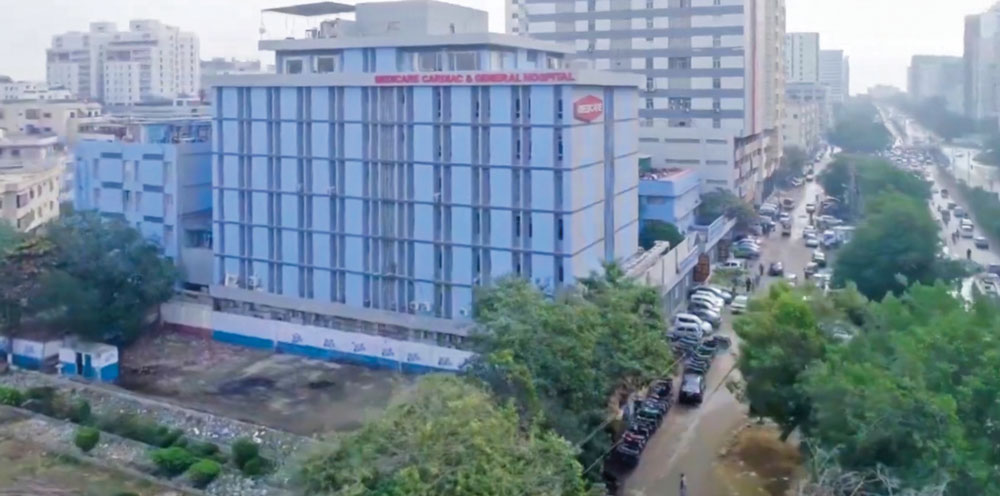
WS: One of my first independent design projects was the 100-bed Medicare Hospital, a brownfield healthcare facility. It was a highly challenging project because the existing building had very limited floor-to-floor height, making the routing and coordination of HVAC ductwork extremely difficult. This was particularly critical for sensitive areas such as operation theatres, ICUs, and other healthcare spaces where strict environmental control and compliance with healthcare standards were essential.
The project demanded innovative engineering solutions, meticulous coordination with other building services, and careful optimization of every available space. Despite these constraints, we successfully developed and implemented an efficient and reliable HVAC design that met the project’s functional requirements. Alhamdulillah, the hospital’s mechanical systems have been operating successfully for more than a decade, which remains one of the most rewarding validations of the quality and durability of our design.
TO WHAT DEGREE DOES A MECHANICAL ENGINEER CONTRIBUTE TO BUILDING DESIGN?
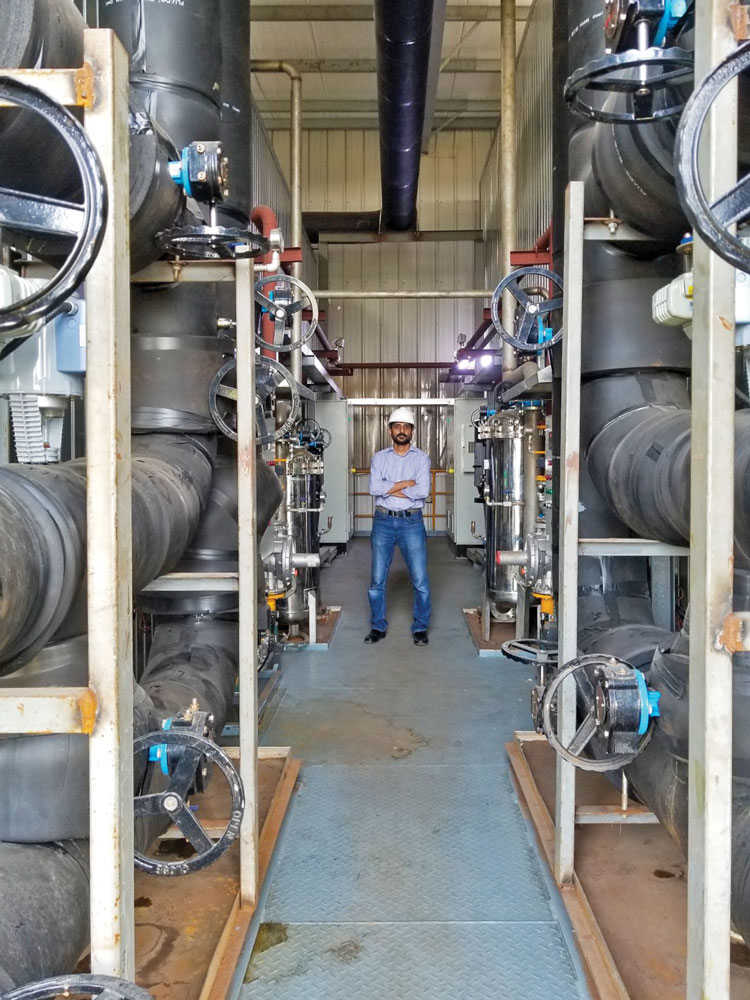
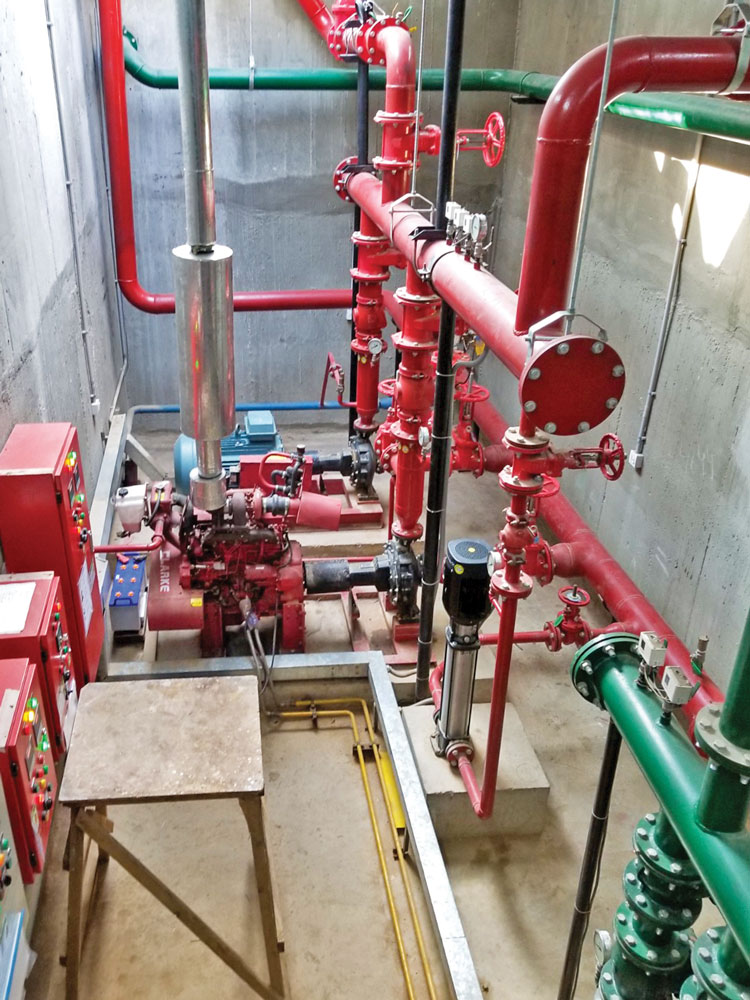
WS: Mechanical engineers play a critical role in modern building design, particularly in complex, high-rise, healthcare, industrial, and other high-tech projects, where mechanical systems can account for 20% or more of the overall building design scope and cost. Our responsibilities extend beyond designing HVAC, plumbing, firefighting, and specialized systems such as medical gas networks. We work closely with architects, structural engineers, and other stakeholders from the earliest design stages to ensure that all building services are fully integrated.
In addition to system design, we provide essential input for spatial planning, including the allocation of shafts, plant rooms, equipment spaces, water storage tanks, and service routes. We also develop energy-efficient and sustainable solutions that optimize building performance, reduce operational costs, and enhance occupant comfort while ensuring compliance with relevant codes and international standards.
WHAT SKILLS SHOULD A MECHANICAL ENGINEER POSSESS?
WS: In addition to strong technical expertise, a mechanical engineer working in MEP design must possess a comprehensive understanding of other engineering disciplines, including electrical, public health, structural, and architectural systems. It is essential to understand the design intent, coordination requirements, and practical limitations of each discipline to develop fully integrated and efficient building services. Since MEP systems are closely interconnected, successful designs depend on effective interdisciplinary collaboration and coordination from the conceptual stage through project completion.
Equally important are strong visualization and spatial coordination skills. A mechanical engineer should be able to mentally translate two-dimensional drawings and BIM models into real-world site conditions, anticipating how various systems will interact during construction. This ability helps identify potential clashes, optimize routing for ducts, pipes, and equipment, and ensure sufficient space for installation, maintenance, and future accessibility. By addressing coordination issues during the design phase, engineers can significantly reduce site modifications, avoid costly delays, improve construction efficiency, and deliver practical, sustainable, and high-performing MEP solutions that meet both client expectations and project requirements.
WHAT IS SUSTAINABLE DESIGN AND WHY IS IT IMPORTANT?
WS: Sustainable design focuses on developing buildings, systems, and infrastructure that minimize environmental and social impacts while efficiently utilizing natural resources. It aims to meet present-day needs without compromising the ability of future generations to meet their own. This approach goes beyond energy efficiency by considering the entire lifecycle of a building, including material selection, water management, indoor environmental quality, operational performance, and long-term resilience.
Over the past few decades, rapid urbanization and infrastructure development have often prioritized economic growth over environmental protection and social well-being. As a result, we are now witnessing the consequences in the form of climate change, rising energy consumption, resource depletion, pollution, biodiversity loss, and increasing public health concerns. These challenges have highlighted the urgent need to rethink the way we plan, design, construct, and operate our built environment.
Sustainable engineering addresses these issues by integrating energy-efficient technologies, renewable energy solutions, responsible water management, waste reduction strategies, and environmentally conscious design practices into every stage of a project. It also encourages collaboration among architects, engineers, planners, and stakeholders to create buildings that are not only environmentally responsible but also economically viable and socially beneficial.
Ultimately, sustainable engineering is about creating resilient, efficient, and future-ready developments that reduce carbon emissions, conserve natural resources, enhance occupant health and comfort, and contribute to healthier communities. By balancing environmental responsibility with economic and social considerations, it plays a critical role in achieving long-term sustainability and improving the quality of life for present and future generations.

HOW CAN SUSTAINABILITY BE IMPROVED IN PAKISTAN?
WS: Sustainability requires a collective effort from governments, industry professionals, businesses, and the public. Government institutions must develop comprehensive policies, establish effective regulatory frameworks, and ensure their consistent implementation to encourage sustainable development. Incentives for green buildings, renewable energy, water conservation, and efficient resource management can significantly accelerate the transition toward a more sustainable future.
Investors and developers also have a vital role to play by prioritizing environmentally responsible projects and demanding innovative, energy-efficient, and cost-effective design solutions. Their commitment to sustainability can influence the construction industry and encourage the adoption of greener technologies and materials.
Engineers, architects, and designers must continuously enhance their technical knowledge, stay updated with evolving international standards, and integrate sustainable principles into every stage of planning, design, and project execution. By considering energy efficiency, water conservation, material selection, waste reduction, and occupant well-being, they can create buildings that are both environmentally responsible and economically viable.
Equally important is public awareness. Communities and building users must understand the long-term environmental, social, and economic benefits of sustainable practices. Responsible consumption, support for green initiatives, and informed decision-making can create demand for sustainable development and encourage positive change. Ultimately, only through the combined efforts of policymakers, industry leaders, professionals, educational institutions, and the public can sustainability become an integral part of development and ensure a healthier, more resilient future for generations to come.
WHAT PROJECTS ARE YOU CURRENTLY WORKING ON?
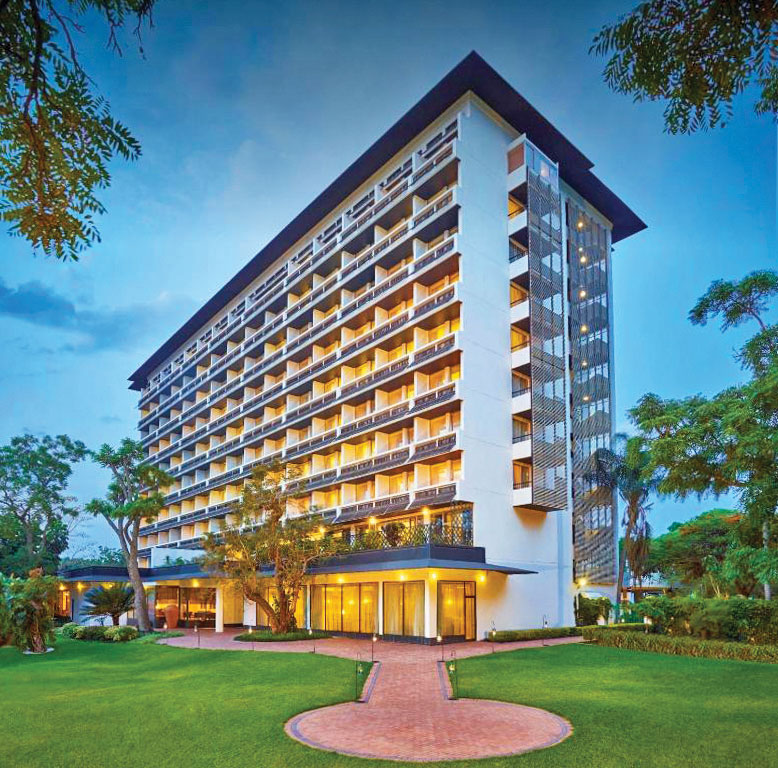
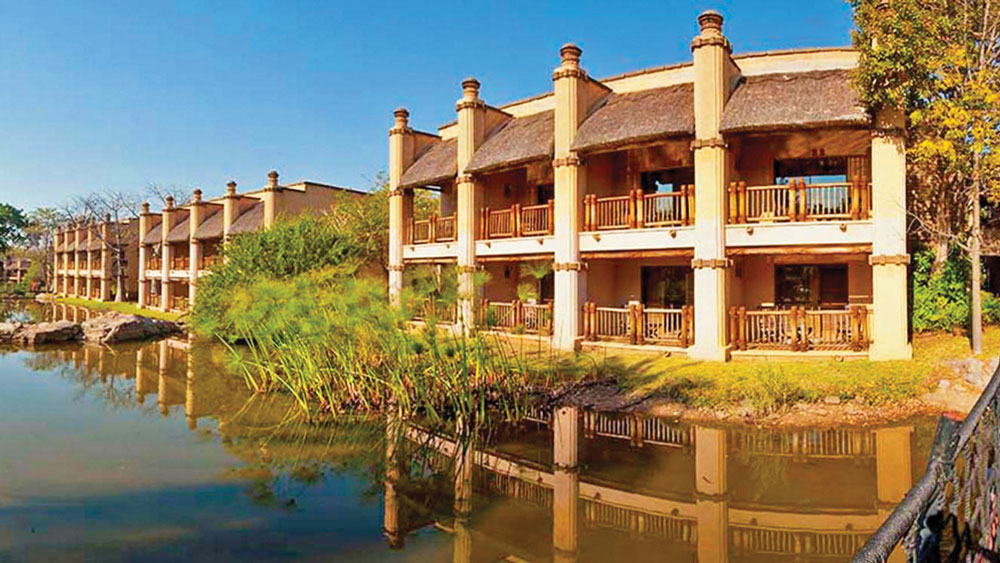
WS: Currently, we are working on two luxury five-star hotel and resort projects in Africa. In Pakistan, we are involved in designing an upcoming automobile assembly plant as well as an expansion of an existing car manufacturing facility.
DESCRIBE A PROJECT THAT PARTICULARLY INTERESTED YOU.
WS: Two projects stand out. One involved upgrading Indus Motor Company’s 1,100-ton cogeneration plant to a 5,000-ton system incorporating multiple chillers and heat recovery solutions. The brownfield nature of the project made it technically challenging and rewarding.
Another project was for Karachi Golf Club, where we designed an irrigation system using one million gallons per day of recycled water for a 200-acre golf course. This project was unique and environmentally impactful.
HOW DO YOU EXPLAIN COMPLEX ENGINEERING CONCEPTS TO NON-ENGINEERS?
WS: I usually relate complex engineering concepts to simple real-life examples, making them easier for people to understand and connect with. Rather than relying on technical jargon, I prefer explaining ideas in a practical and relatable way that highlights their real-world application. I also focus on simplifying engineering solutions without compromising their technical integrity, which makes them easier to communicate and implement. This approach helps clients, architects, developers, and other non-technical stakeholders clearly understand the reasoning behind design decisions, leading to better collaboration, faster decision-making, and more successful project outcomes.
WHAT CHALLENGES DOES THE ENGINEERING PROFESSION FACE IN PAKISTAN?
WS: One of the major challenges is the limited availability of technically complex and innovative projects, which restricts opportunities for engineers to enhance their skills, gain diverse experience, and tackle advanced engineering problems. Without exposure to such projects, professional growth can become slower, and it becomes difficult to remain competitive in a rapidly evolving industry.
Another significant challenge is the slow adoption of advanced technologies, digital design tools, and innovative engineering practices. While technologies such as Building Information Modeling (BIM), energy simulation, digital twins, and AI-assisted design have transformed engineering globally, their implementation remains limited in many projects. Accelerating the adoption of these technologies, along with continuous professional training, would improve design quality, efficiency, sustainability, and the overall standard of engineering practice.
HOW DO YOU SPEND YOUR FREE TIME?
WS: I enjoy spending time with family and friends, reading, and exploring nature.
WHAT IS YOUR MESSAGE FOR YOUNG PROFESSIONALS AND STUDENTS?
WS: Stay curious and maintain a lifelong commitment to learning, as continuous knowledge and skill development are essential for sustained professional success. Embrace new challenges with a positive mindset, viewing every opportunity as a chance to expand your experience, strengthen your capabilities, and build confidence. Always uphold strong professional values such as integrity, discipline, respect, accountability, and teamwork, as these qualities are just as important as technical expertise. Remain adaptable to evolving technologies, industry trends, and changing workplace demands, and never stop striving for self-improvement. Consistent learning, resilience, and a willingness to grow will help you build a rewarding and successful engineering career.


