Text & Photographs: Abdullah Minhas
Pakistan is a country with a remarkable past. It holds the remains of one of the world’s oldest civilisations, the Indus Valley Civilization. Sites like Mohenjodaro and Harappa still stand today as a heritage to the region. They are not just ruins. They are proof that people lived, built, and created here thousands of years ago. These sites appear in books and many other platforms, but there is another reality away from all the limelight, where smaller and lesser-known sites and monuments are quietly disappearing.
In recent times, a village near Islamabad reflects this negligence, in which a Mughal-era Arch, which was from Emperor Akbar’s era, was demolished to make way for a housing society. Within that, a World War I monument met a similar fate to that arch.
Some officials claim that it was only dismantled and would be relocated, but in Pakistan, relocation often means removal without return.
The Department of Archaeology reportedly tried to obtain records of historic structures in the area, but their requests were ignored. This is where the real problem lies, not just in demolition, but in neglect. Preservation exists in statements and policies, but rarely in action. Only the monuments that bring attention and tourism are protected. The rest are left at the mercy of development.
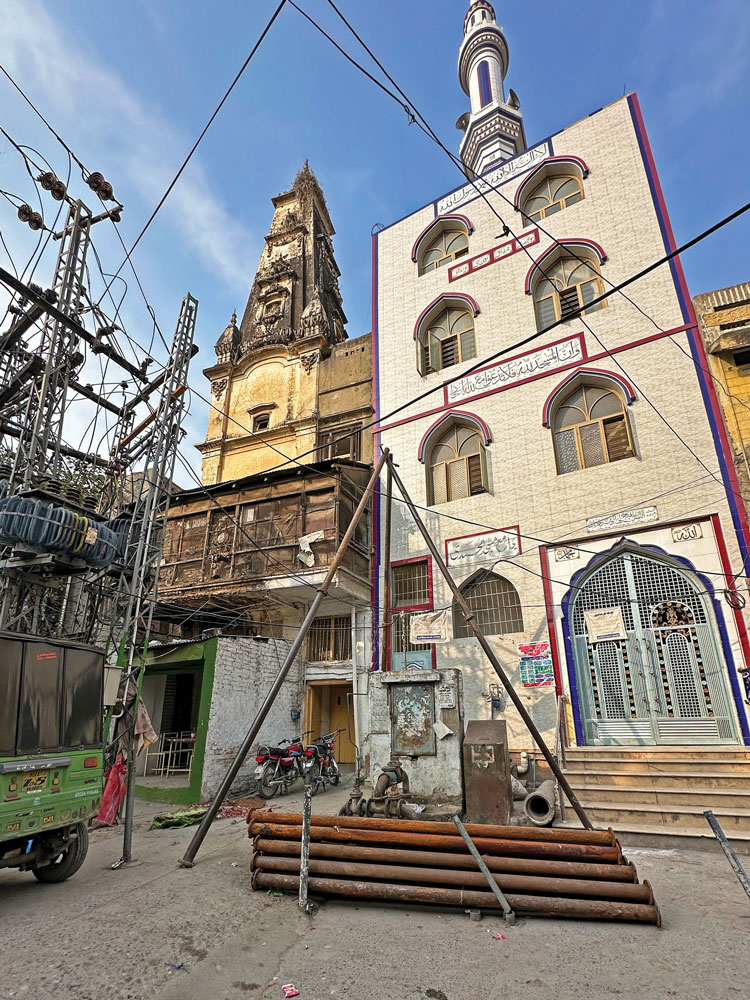
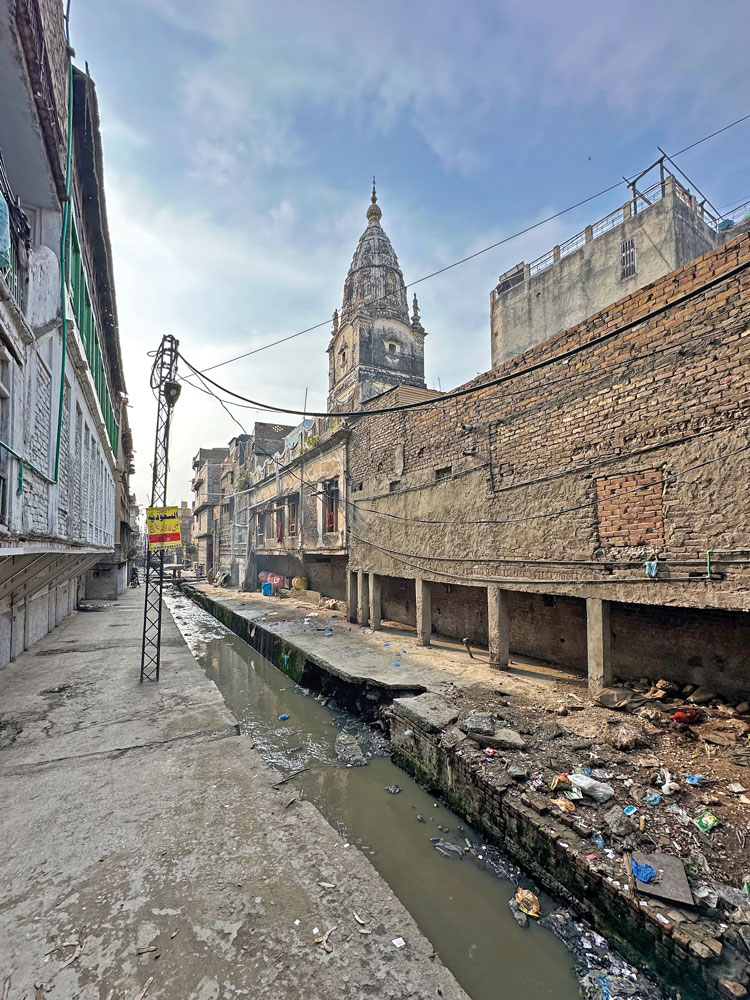
I saw all of this with my own eyes during a stroll in Raja Bazar, Rawalpindi. I came across a Mandir which was sort of repurposed into a ladies’ cloth Matching center dealing mainly in wedding dresses. Bright fabrics filled the space where prayers were once offered. The building still stood tall with its old minaret, but its identity was gone.
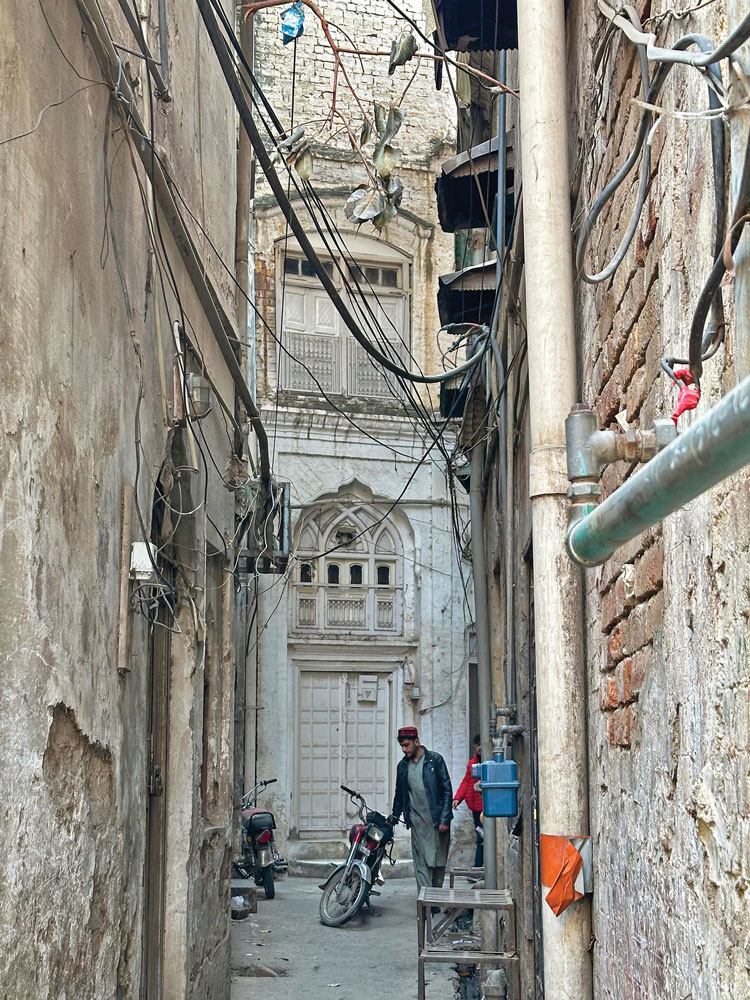
This is not unusual. Across Rawalpindi, many old Mandirs and historic structures have been absorbed into private homes. Some are now part of someone’s living room or boundary wall. You cannot visit them, not because they are protected, but because they are owned. People build around them, using the old structure to extend their homes and gain a few extra feet of space. What once belonged to history now belongs to individuals.
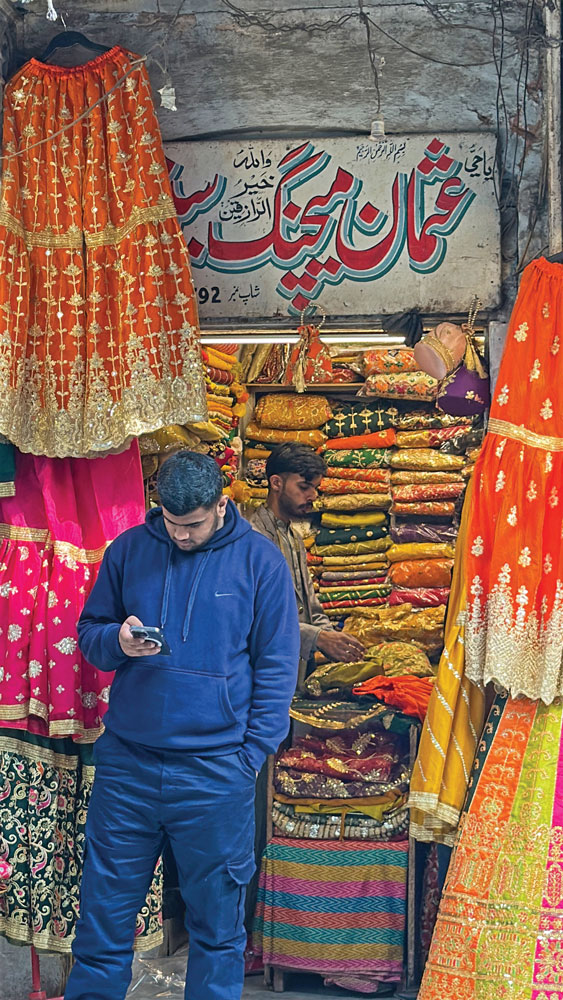
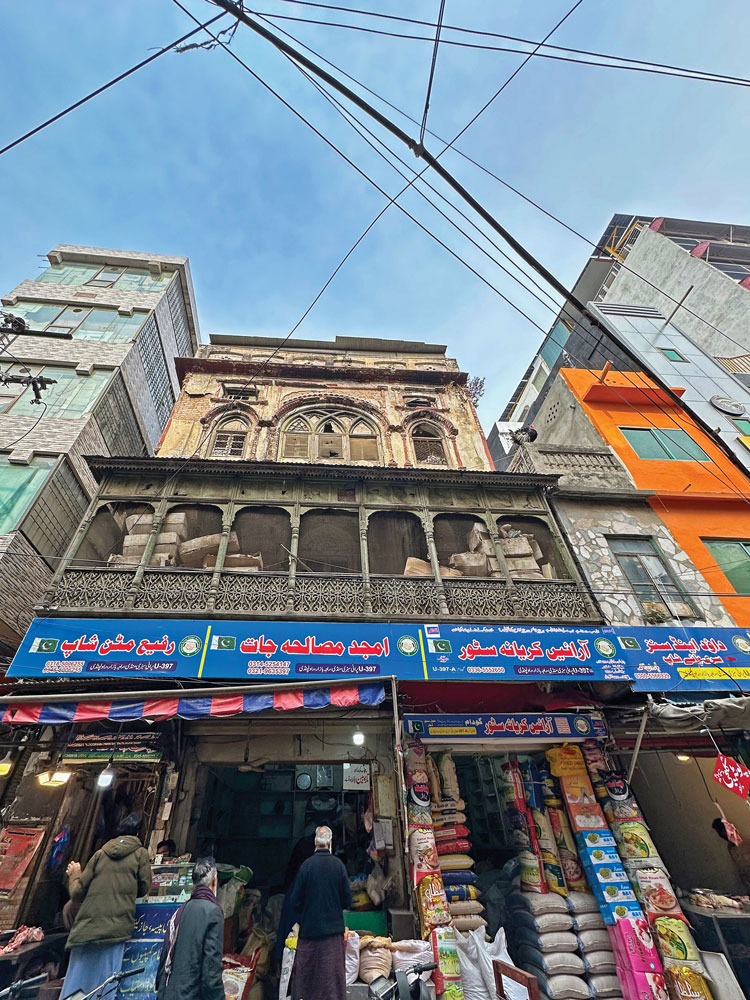
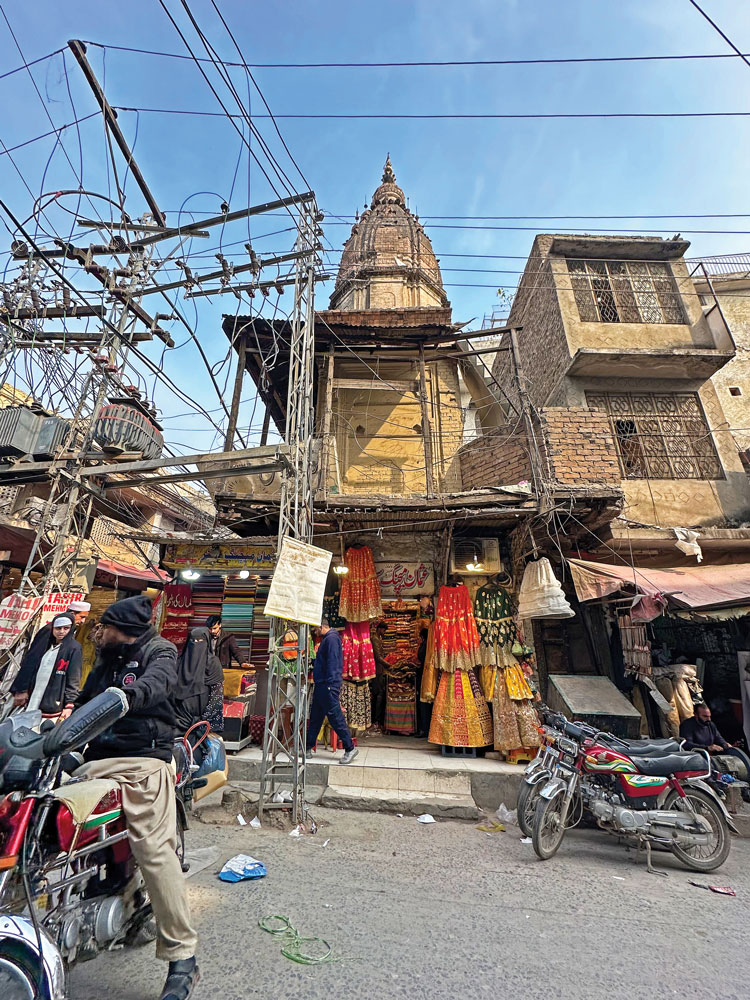
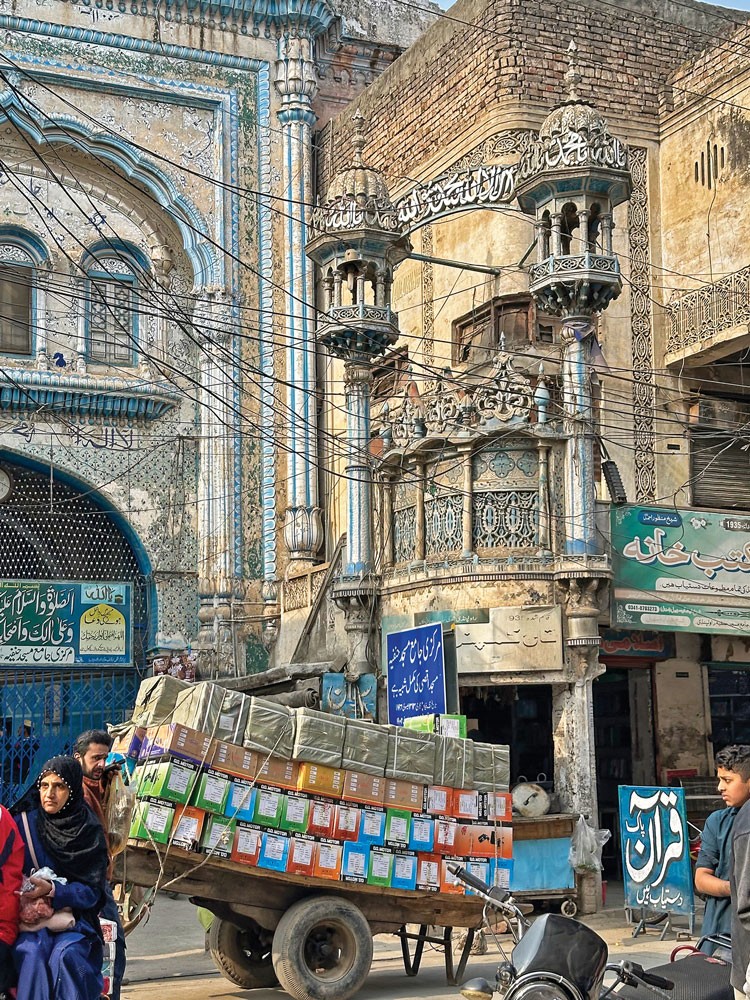
This reflects a deeper shift in priorities. In growing cities, land has become more valuable than memory. Old buildings are seen as obstacles rather than assets. Instead of preserving them, people either modify them beyond recognition or remove them entirely.
What makes this loss worse is how quietly it happens. There are no headlines when a small Mandir becomes part of a shop. No national debate when an old structure disappears behind new construction.
This thing happens quietly and slowly in our country, but that’s the only reason we don’t have many historical sites now. Like in other countries, old structures can be protected and integrated into modern spaces. They can give cities character and continuity. These hallmarks remind us all about our previous history and where we’ve come from.
The sad reality is that in Pakistan, the case is quite different from what we tend to claim and take pride in our heritage, but we fail to protect its existence. Each demolished arch and a repurposed Mandir gradually make pieces of our story vanish into thin air. These buildings aren’t only just buildings, but they are a testament to the people and culture that once existed here.
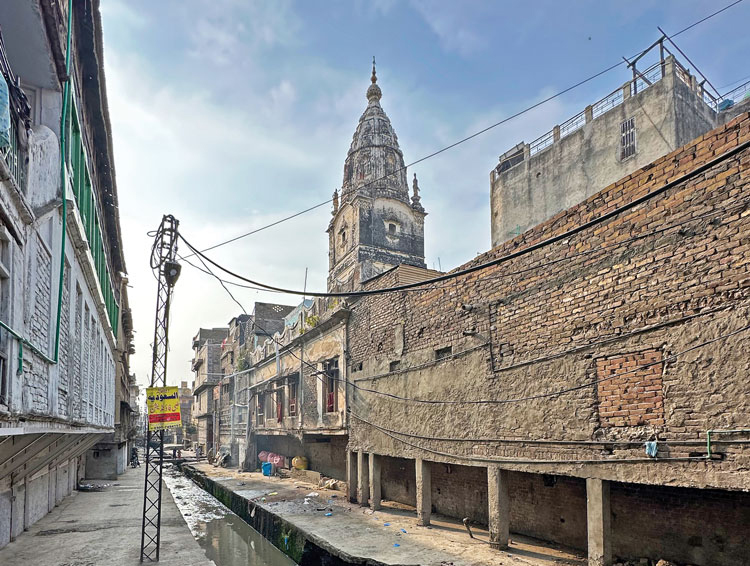
This Mandir that I saw in Raja Bazar still stands today, but I know it that its future is very uncertain. Maybe it survives or disappears, it truly depends upon us if we start to look at our heritage as something valuable.