


ARCHI TIMES Interview | Photographs by Engineer
In the dynamic world of engineering and technology, Dr. Vali Uddin stands out as a distinguished academic, seasoned administrator, and accomplished engineer. Born in Karachi, he rose from a curious science enthusiast to a Gold Medalist in Electronic Engineering, later earning a Ph.D. from Northeastern University, USA. With over two decades of experience in academia and industry, he has led prestigious institutions such as Iqra University, Hamdard University, and Sir Syed University, while contributing to international projects on climate change and the green circular economy. Now serving as Vice-Chancellor of UIT University, Dr. Vali Uddin is driving educational reforms, fostering industry-academia links, and championing research to build a technologically self-reliant Pakistan. In this exclusive interview to ARCHI TIMES, he talks about his successful journey and other professional-related issues.
BEFORE WE BEGIN TALKING ABOUT YOUR ENGINEERING, WOULD IT BE GOOD TO KNOW YOUR EARLY LIFE AND EDUCATIONAL BACKGROUND?
VALI UDDIN (VU): I was born and raised in Karachi, where I developed a deep interest in science and technology from a young age. This passion led me to pursue a degree in Electronic Engineering, where I was honored with a Gold Medal for academic excellence. After completing my undergraduate studies, I advanced my academic journey by obtaining both a Master’s (MS) and a Doctorate (Ph.D.) in Electrical Engineering from Boston University & Northeastern University, USA, respectively, under the sponsorship of the Ministry of Science & Technology. These academic experiences, enriched by rigorous coursework and research, laid a solid foundation for my professional career.
ALSO TELL US ABOUT YOUR PROFESSIONAL CAREER EXPERIENCE, ITS UPS AND DOWNS, AS YOU HAVE BEEN WORKING FOR SO MANY YEARS.
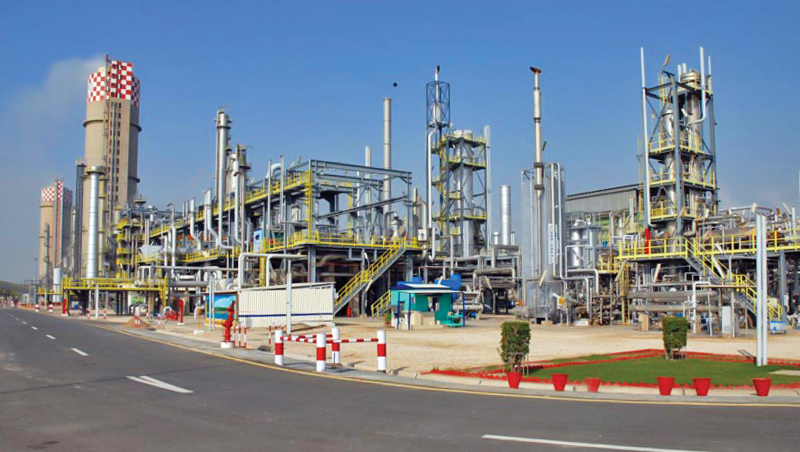
VU: My professional journey spans over 24 years in academia and several years in industry, and has been both challenging and rewarding. I have worked in various capacities, including research, academia, and administrative leadership. I have served in various universities, including Iqra, Hamdard, and Sir Syed University of Engineering & Technology, in key leadership roles such as Head of Department (HOD), Director, Dean, Registrar, and Vice-Chancellor. Early in my career, I worked as a Maintenance & Design Engineer in Fauji Fertilizers & Pakistan Steel Mills, respectively.
YOU ARE AN ELECTRONIC ENGINEER AND HAVE A PH.D. AND MS IN ELECTRICAL ENGINEERING. WHY AND WHAT IS THE DIFFERENCE BETWEEN ELECTRONIC AND ELECTRICAL ENGINEERING?
VU: Electronic Engineering is generally more focused on smaller-scale systems such as circuits, semiconductors, sensors, and communication devices, whereas Electrical Engineering encompasses a broader scope that includes power systems, control engineering, electromagnetics, and large-scale electrical infrastructure. While both disciplines are interrelated, Electronic Engineering typically delves deeper into micro-level components, and Electrical Engineering emphasizes macro-level systems.
ARE YOU ALSO DOING ENGINEERING PRACTICE?
VU: Yes, alongside my academic and administrative roles, I remain actively involved in engineering practice. I consult on projects, supervise research, and stay engaged with technological advancements in my field to ensure that my academic contributions are grounded in real-world relevance. I have also led Pakistan’s participation as the Quality Assurance (QA) lead in an ACTIVE Erasmus+ project focused on climate change, which involved collaborative efforts with international partners to enhance climate-resilient strategies through academic and institutional frameworks.
CURRENTLY, ON WHAT PROJECTS ARE YOU WORKING?
VU: Currently, I’m collaborating with faculty and industry partners on projects that aim to address urban challenges such as energy efficiency and smart city development. In addition, I am actively engaged in a current Erasmus+ project focused on the Green Circular Economy, which emphasizes sustainable development, resource optimization, and capacity building through international academic collaboration.
WHAT KIND OF EDUCATIONAL PROGRAMS ARE OFFERED AT UIT, AND HOW ARE THESE DESIGNED?
VU: UIT University offers a variety of engineering and technology programs designed to meet the evolving needs of the industry. Our curricula are outcome-based and aligned with international standards such as Washington Accord. We emphasize hands-on experience, critical thinking, and interdisciplinary learning through lab work, internships, capstone projects, and industry linkages.
HOW DO YOU FEEL ABOUT THE STANDARD OF ENGINEERING EDUCATION AT OUR INSTITUTIONS?
VU: The standard of engineering education in our institutions has witnessed gradual improvement over the years, particularly in terms of infrastructure development, accreditation processes, and the introduction of outcome-based education models in some universities. Several institutions are now producing graduates who are globally competitive and capable of contributing to industry and academia alike.
However, there remains considerable room for progress. A significant number of institutions still struggle with challenges such as outdated curricula, a theoretical and examination-heavy approach, limited access to research funding, and insufficient linkages with industry. Furthermore, faculty development and pedagogical innovation have not kept pace with global advancements in science and technology. In many cases, there is a lack of alignment between academic programs and the evolving needs of the market, which affects graduates’ employability and preparedness for real-world problem-solving.
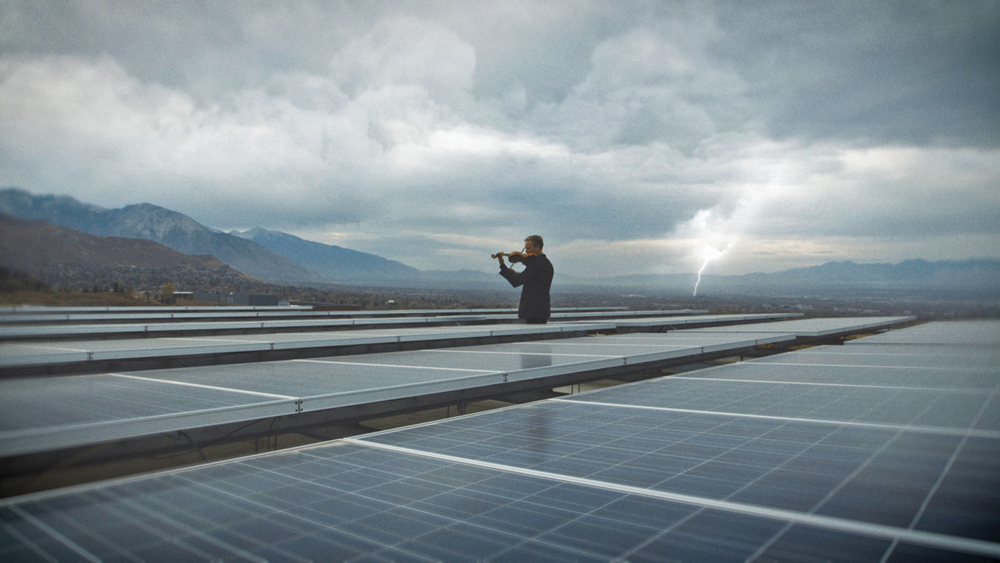
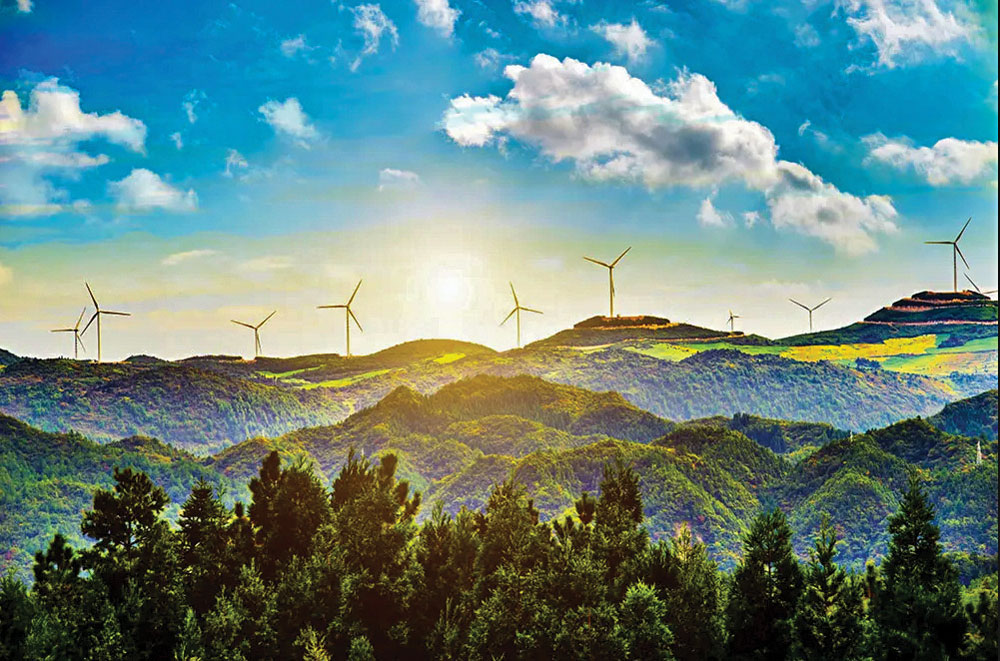
To elevate the overall standard of engineering education across Pakistan, there is a pressing need for collective and sustained efforts from policymakers, academia, industry leaders, and regulatory bodies. Standardization, benchmarking against international practices, and consistent quality assurance mechanisms must be at the forefront of this transformation.
DO YOU THINK THERE IS A NEED FOR ENGINEERING EDUCATION REFORMS?
VU: Yes, there is an urgent and undeniable need for comprehensive reforms in engineering education. The rapid evolution of technology and the emergence of new disciplines such as artificial intelligence, machine learning, sustainable energy systems, smart infrastructure, and the Internet of Things (IoT) demand a shift from conventional engineering education models to more dynamic, interdisciplinary, and industry-relevant frameworks.
Reforms should focus not only on modernizing the curriculum but also on transforming the teaching methodology – moving from rote learning to project-based, experiential, and problem-solving approaches. Strengthening industry-academia collaboration is essential to ensure that students gain hands-on exposure and practical understanding through internships, industry projects, and mentorship.
Moreover, faculty development programs must be institutionalized to equip educators with contemporary teaching tools and subject matter expertise. Encouraging undergraduate research, promoting entrepreneurship, and embedding ethics, sustainability, and communication skills into engineering programs are also vital components of the reform process.
Ultimately, the goal of these reforms should be to produce engineers who are not only technically competent but also socially responsible, innovative, and capable of leading Pakistan towards technological self-reliance and sustainable development.


IF YES, WHAT TYPE OF REFORMS ARE NEEDED TO IMPROVE ENGINEERING EDUCATION IN PAKISTAN?
VU: Key reforms include:
- Curriculum Modernization with a focus on emerging technologies like AI, IoT, and renewable energy
- Industry-Academia Linkages to ensure practical relevance
- Faculty Development to bring in pedagogical innovation
- Outcome-Based Education (OBE) implementation
- Encouragement of Research and Innovation from undergraduate level
- Greater Emphasis on Ethics, Soft Skills, and Entrepreneurship
DESCRIBE AN EXPERIENCE IN WHICH YOU IDENTIFIED THE EDUCATIONAL NEEDS OF YOUR STUDENTS AND SUCCESSFULLY DEVELOPED A WAY TO TEACH/TRAIN THEM.
VU: In one of my courses, I noticed that students struggled to grasp control systems theory due to its abstract nature. I introduced simulation-based learning using tools like MATLAB/Simulink and integrated real-world case studies. This approach significantly improved their comprehension and engagement, leading to better academic outcomes.

HOW CAN THE EFFICIENCY OF AIR QUALITY, MORE GREEN SPACES, DECARBONIZING OF BUILDINGS AND ELECTRICITY GENERATION BE IMPROVED IN PAKISTAN?
VU: Improving these aspects requires a multi-pronged approach:
- Urban Planning: Promote green zoning, vertical gardens, and sustainable construction
- Energy Sector Reform: Shift from fossil fuels to renewables
- Smart Buildings: Adopt energy-efficient designs and appliances
- Policy Implementation: Enforce building codes and emission regulations
- Public Awareness: Educate citizens on environmental responsibility
WHAT IS YOUR OPINION ABOUT THE USE OF SOLAR ENERGY IN BUILDINGS GENERALLY IN PAKISTAN USING TECHNOLOGY?
VU: Solar energy holds immense potential in Pakistan due to our abundant sunlight. However, widespread adoption is hindered by lack of awareness, initial costs, and inconsistent policy incentives. With government support, smart grid integration, and improved technology, solar energy can significantly contribute to sustainable urban infrastructure.
WHAT ARE THE CONSIDERATIONS FOR BUILDING SAFETY IN TERMS OF DESIGNING, AND WHAT IMPORTANT TIPS WOULD YOU LIKE TO GIVE DESIGNERS AND THE PUBLIC AT LARGE?
VU: Building safety is a fundamental aspect of architectural and engineering design, directly impacting the health, security, and well-being of occupants and the longevity of the structure. Ensuring safety from the earliest stages of design is not just a technical requirement but also a moral and legal responsibility.
Key considerations for building safety include:
When designing a building, safety and resilience must be prioritized from the very beginning. The foremost consideration is structural integrity-the building must be engineered to withstand both static and dynamic loads, including its own weight, occupant usage, wind pressure, and seismic forces. Ensuring the structure’s long-term stability, durability, and load-bearing capacity under diverse conditions is essential. Equally important is compliance with national and international building codes and standards, such as NBCP (Pakistan), IBC, or Eurocodes. These codes offer precise guidelines on material selection, construction practices, and safety protocols. In seismically active regions like Pakistan, strict adherence to earthquake-resistant design principles is critical to mitigate potential risks.
Fire safety and emergency preparedness must be integrated into every aspect of the design. This includes the use of fire-resistant materials, strategically placed smoke detectors, alarms, fire extinguishers, sprinkler systems, and clearly marked emergency exits. Buildings must also feature safe and accessible egress routes, fire escapes, and compartmentalization measures to contain smoke and flames in the event of an incident. Additionally, electrical and mechanical safety should never be compromised. Electrical systems must be properly grounded, well-insulated, and protected against overloading or short-circuiting. Mechanical systems such as elevators and HVAC units require regular inspection and maintenance to ensure operational safety.
Given the growing challenges posed by climate change, environmental and climate resilience is another key design priority. Buildings must be capable of withstanding extreme weather conditions, including heavy rainfall, flooding, and high temperatures. Solutions such as waterproofing, efficient drainage systems, and climate-responsive architecture are vital to future-proof structures. Furthermore, the selection of high-quality, certified materials and adherence to proper construction practices is non-negotiable to prevent structural failures. A robust quality assurance system throughout the construction process is just as crucial as sound design.
Lastly, attention must be given to ventilation, natural lighting, and indoor air quality, which are essential for the health, well-being, and productivity of occupants. Adequate airflow, exposure to daylight, and pollution control measures should be incorporated to create healthy and energy-efficient living and working environments. In summary, a multi-faceted, code-compliant, and forward-looking approach to design is essential for building safety, sustainability, and long-term performance.
WHAT DO YOU DO IN YOUR FREE TIME?
VU: In my free time, I enjoy reading books on technology, leadership, and philosophy. I also engage in mentoring young professionals and spending quality time with my family. Occasionally, I take part in community initiatives and attend tech forums or conferences.
WHAT IS YOUR ADVICE TO THE YOUNGER GENERATION?
VU: Stay curious, embrace change, and never stop learning. The future belongs to those who are innovative, adaptable, and ethically grounded. Build a strong foundation in your field, but also develop soft skills, emotional intelligence, and a sense of purpose. Most importantly, serve your country and community with integrity and commitment.


