


Text & Photos By Hira Qureshi
Located between West Bay and the Pearl on the east coast of Doha, Qatar, Katara Cultural Village, often known as Katara, is a commercial and cultural complex. The region was named “Catara” on the earliest surviving maps that depict it, which date back to the Greco-Roman mathematician and explorer Ptolemy in 150 A.D. This was the Qatar Peninsula’s original and most historic name. Additionally, it specified the exact location of the small peninsular nation of Qatar, known by the name Catara, which is in the western part of Cadara and northwest of Gerra. Prior to Qatar receiving its current name, the name “Katara” rather than “Catara” first appeared on historical and geographical maps in 1738 A.D.
To honor Qatar’s glorious status since the beginning of time, Katara Village was constructed on the coastal land back in 2010. Its purpose was to revive Qatar’s former moniker and uphold the nation’s link to its ancient past. Consequently, Katara originated from a long-held ambition to promote Qatar as a cultural beacon in the Middle East and to foster societal advancement via artistic expression and cross-cultural dialogue. It was a dream project worth $82 million, that was imagined by the Emir of the State of Qatar, HH Sheikh Hamad Bin Khalifa Al Thani, to make Doha, the cultural capital of the Middle East. The motive behind building this magnificent work of art was not just to honor Qatar and its culture, but also to recognize the creativity and labor of all artists worldwide.
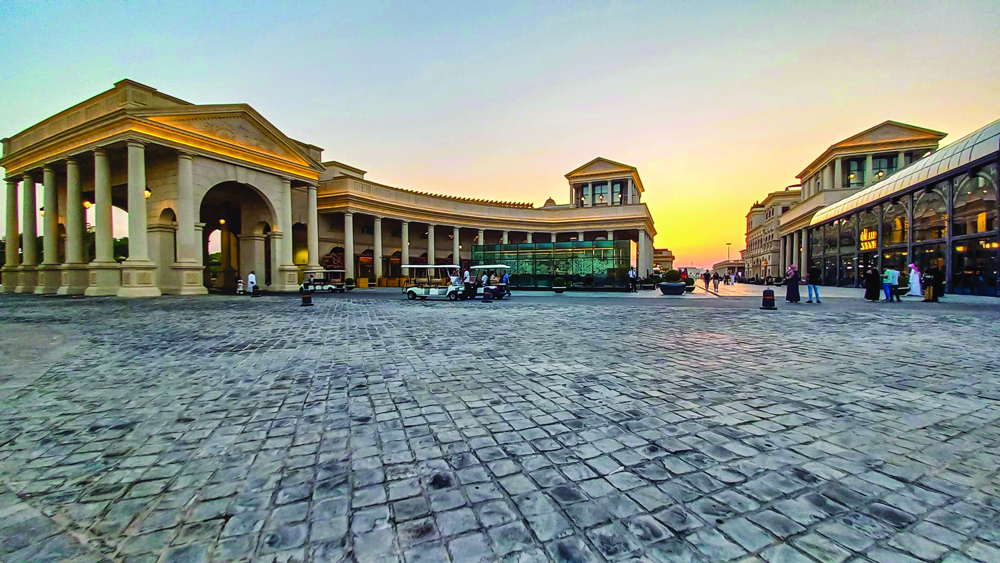
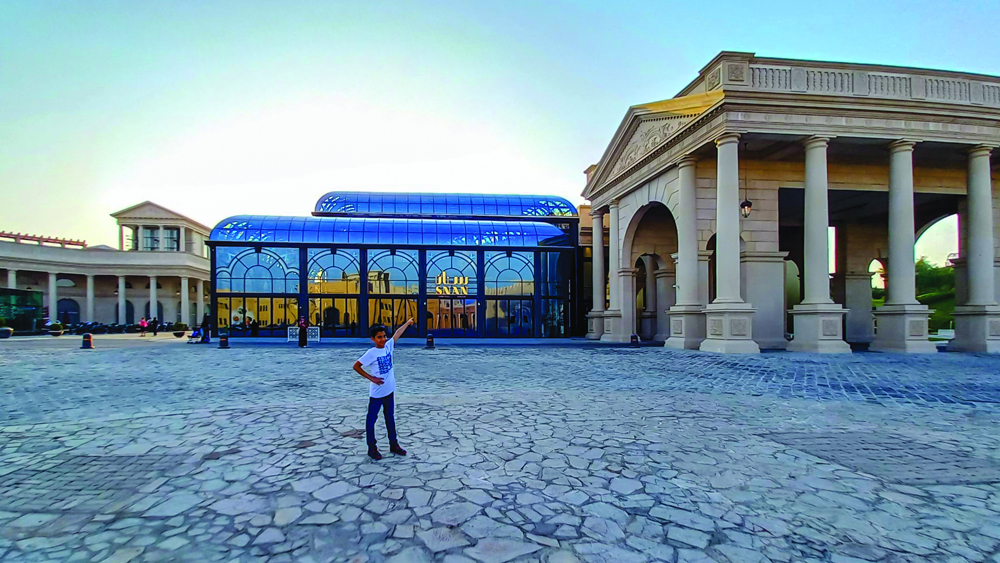
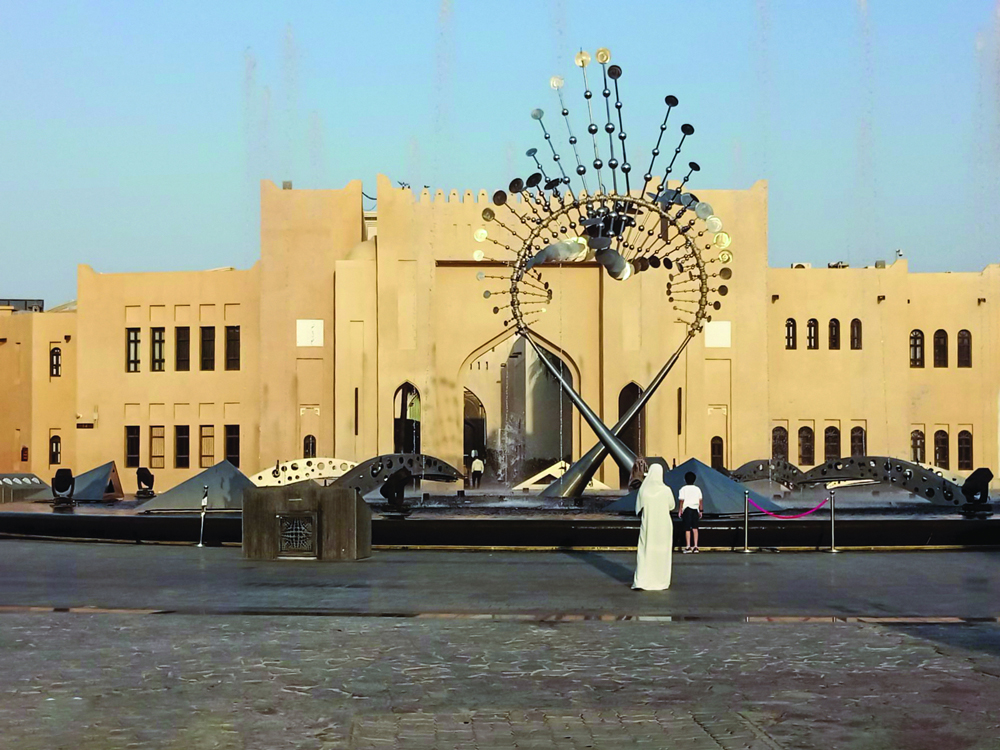

Named the valley of culture, Katara Village is the biggest and the most multidimensional cultural project in Qatar, bringing people together to explore various cultures. There are numerous foundations and landmarks constructed inside the village that are enhancing its excellent design and are purposefully arranged to exhibit the nation’s cultural and architectural heritage.
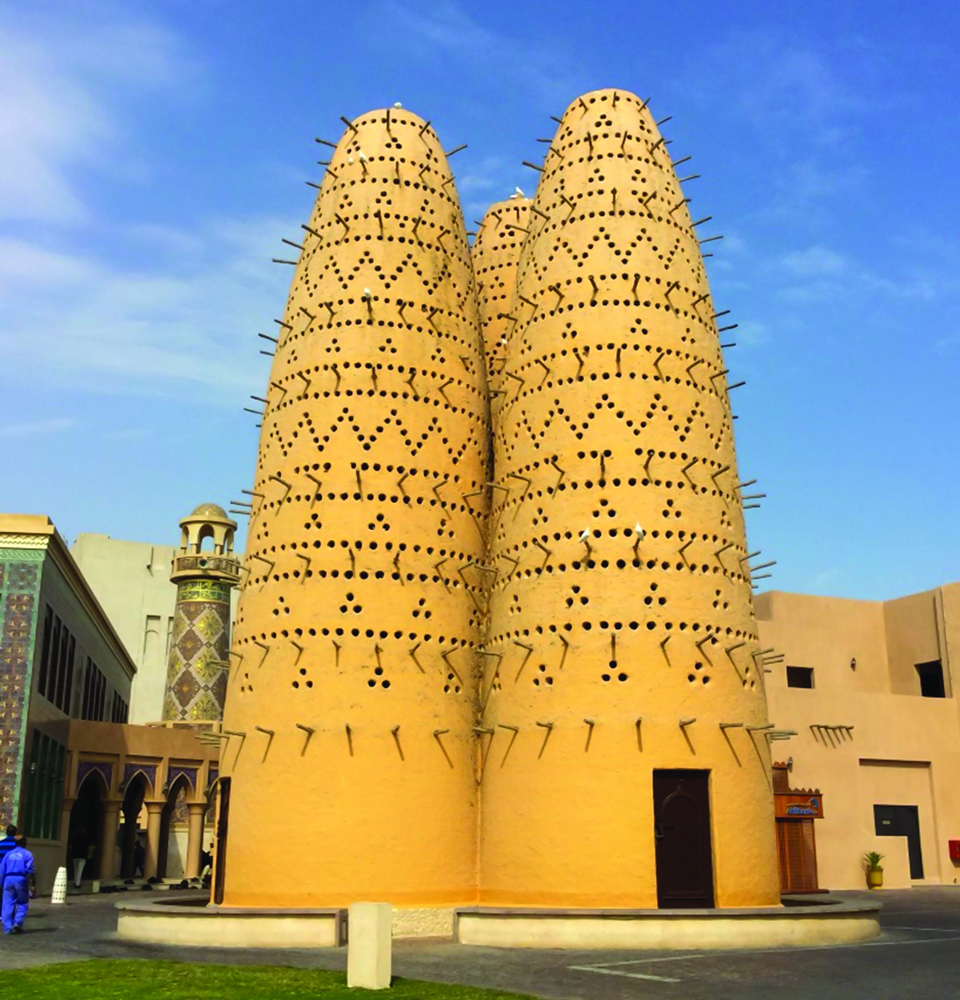
When in Katara, you cannot miss the immaculate Pigeon Towers. Three are located near Katara Masjid and the others are near Tasty Street. Pigeons and other birds can rest inside the towers’ holes, which have room for up to 14000 birds. The pigeons are given food and water by Katara as well. The towers are at least 60 feet tall and have a diameter of 30 to 70 feet. They are made of unfired mud bricks, lime plaster, and gypsum.
The Katara Amphitheatre is a monumental edifice under a clear blue sky, prominently located in the center of the cultural village. Its unique design, which was influenced by Greek architecture, displays a grandeur of architecture. A masterpiece that overlooks the gorgeous Gulf was created by fusing Islamic art and traditional Greek architecture. More than 5,000 spectators can be accommodated at once in the 3,5252 square foot amphitheater, which can accommodate a large crowd during events. The Greek Amphitheatre, which was inaugurated on December 11th, will transport you to the Roman era when similar theatres were utilized for public events and assemblies.
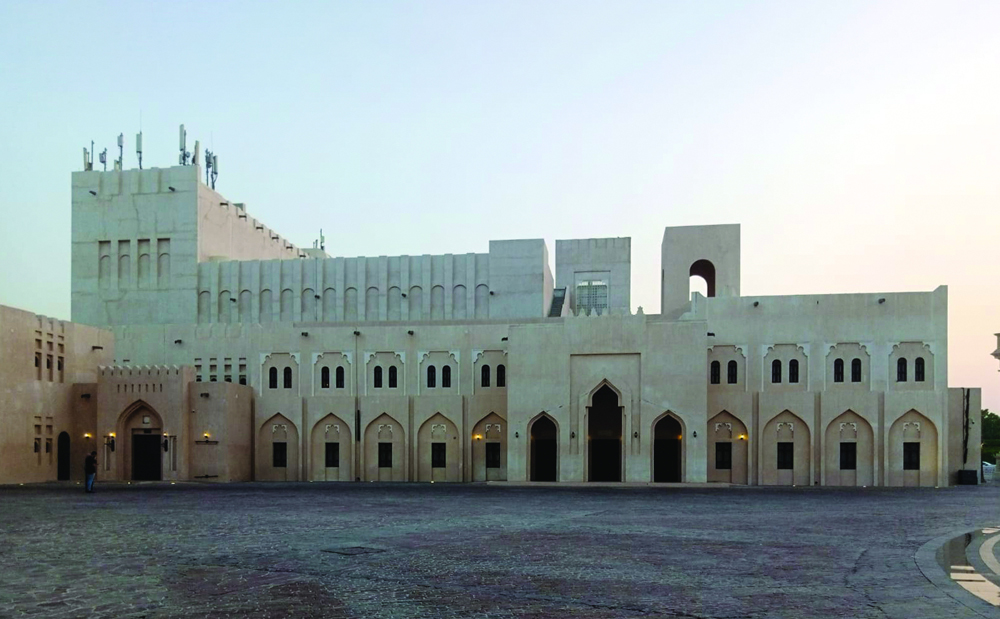

The Drama Theater and the Opera House are uniquely sophisticated architectural models that blend modern architecture and traditional Islamic design. These have rapidly transformed to become a preferred hub for some of the world’s leading artists, dramatists, and musicians. From musical events to cultural shows, there are many options that will keep you entertained for a long time.
The Golden Masjid mirrors a touch of Ottoman elegance and architecture, offering some religious lectures and programs. Children can also take a high-level cultural course to learn about Quranic preaching and principles.
Another stunning example of Qatar’s culture and beauty is the Katara Masjid. The Dolmabahçe Palace in Istanbul served as an inspiration for Zainab Fadil Oglu while designing the façade, which has blue and gold tiles. A combination of the best mosques in the world can be seen in the mosque’s use of turquoise and purple in mosaic art as well as its exquisite design, which includes minarets, a dome, and a mihrab (prayer area). It is popular in Doha due to its sophisticated design, artistic patterns, and workmanship.
The Al Thuraya Planetarium is one of the well-designed and fascinating attractions that provide cutting-edge technology for an exceptional experience of roaming beneath the stars if you’re traveling with children. It provides a singular experience by simultaneously encouraging education and fun. This planetarium has a 200-seat capacity.
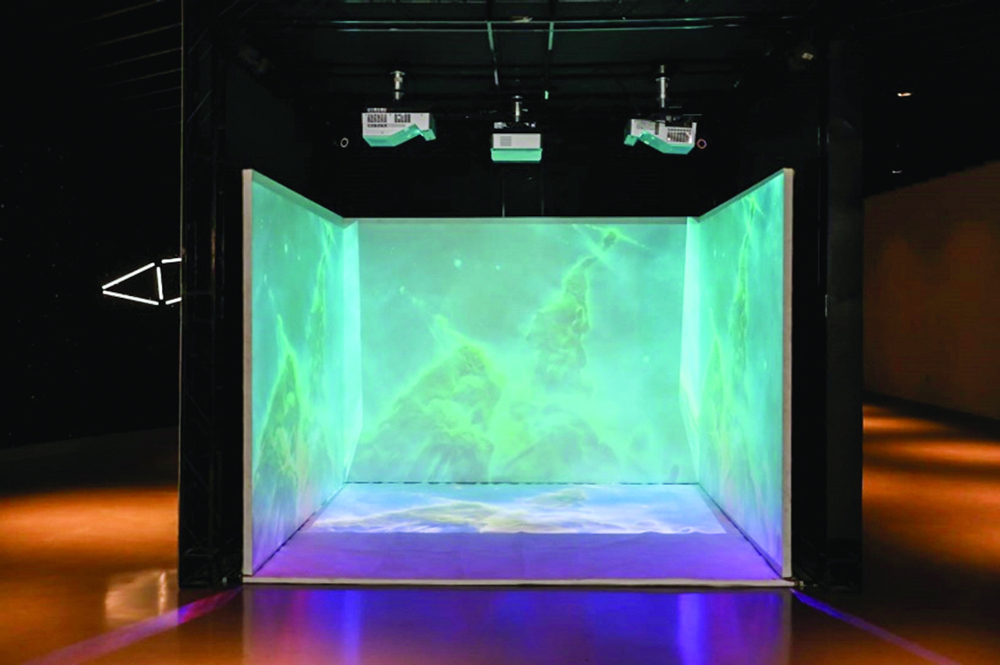
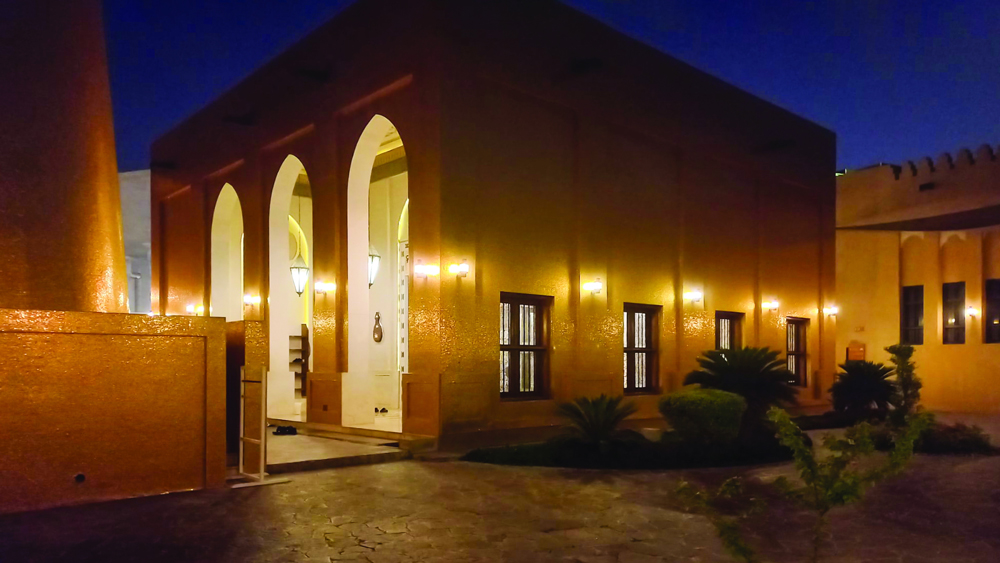
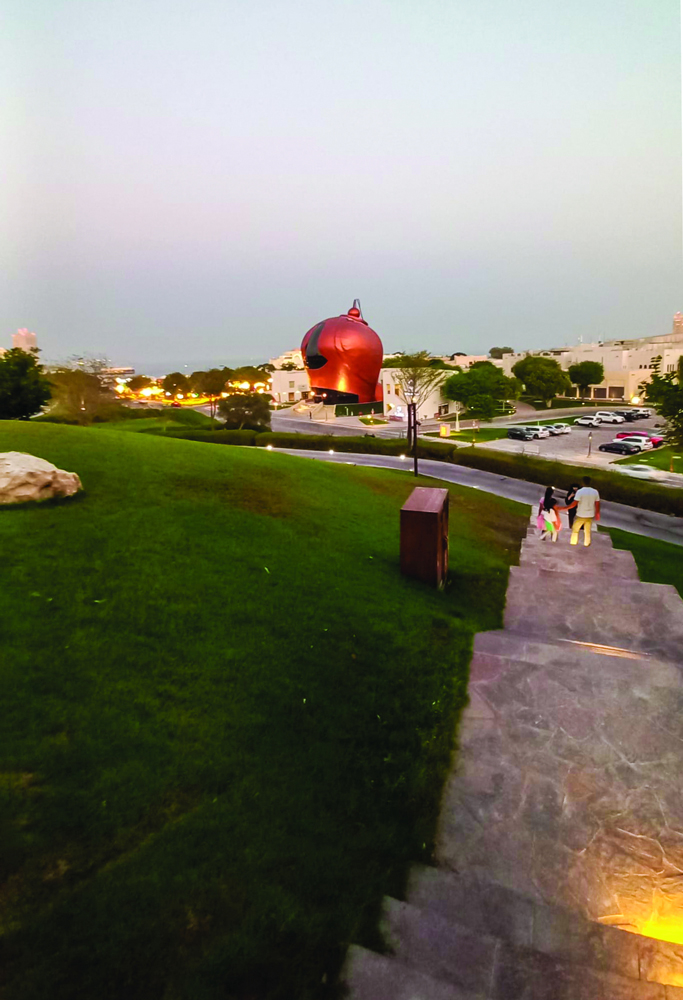
overlooking the Cultural Village
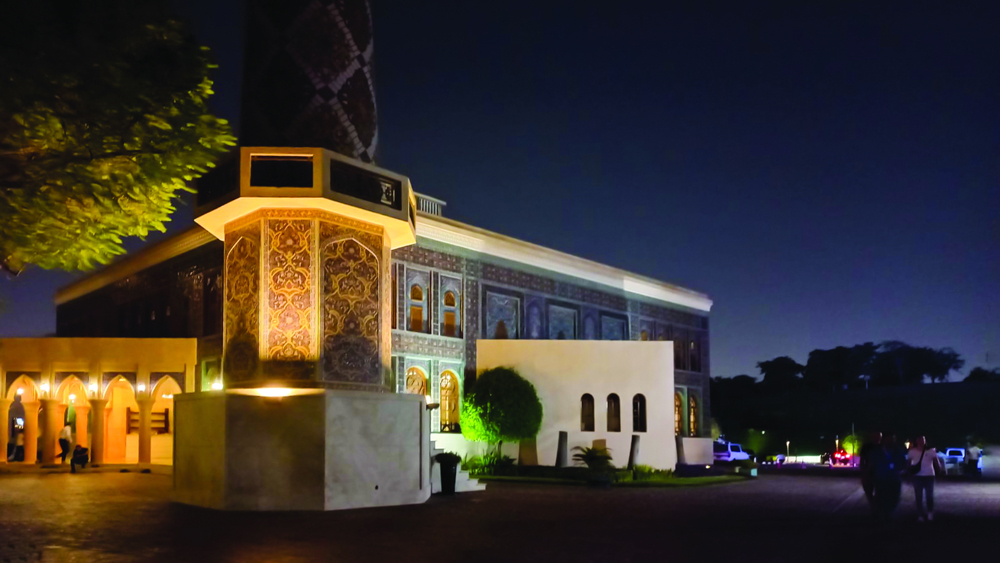

Additionally, the interactive Children’s Play Museum, Olioli is a brand-new structure with a modern design where children may engage in constructive play thanks to hands-on activities. The Hawaiian word OliOli, which means “joy,” guarantees that people of all ages will have an unforgettable experience. Children are free to explore, wonder, and learn in settings created to spark their imaginations, curiosities, and creativity.
It also includes a 40,9028 sq feet open-air shopping area equipped with outdoor air conditioning, named 21 High St (“Katara Plaza” during development).
Katara Beach is one of the safest locations for adventure, vacation, and family enjoyment. You can engage in all the beach activities, try out various water sports, and sunbathe here. You will enjoy the most thrilling day of your life, I promise you that. With your family, you may engage in a variety of activities, such as parasailing and jet skiing excursions and water sports like banana boating. The beach is a haven from the city’s bustle and a wonderful addition for your picnic trips and leisure time following your cultural visit to Katara.
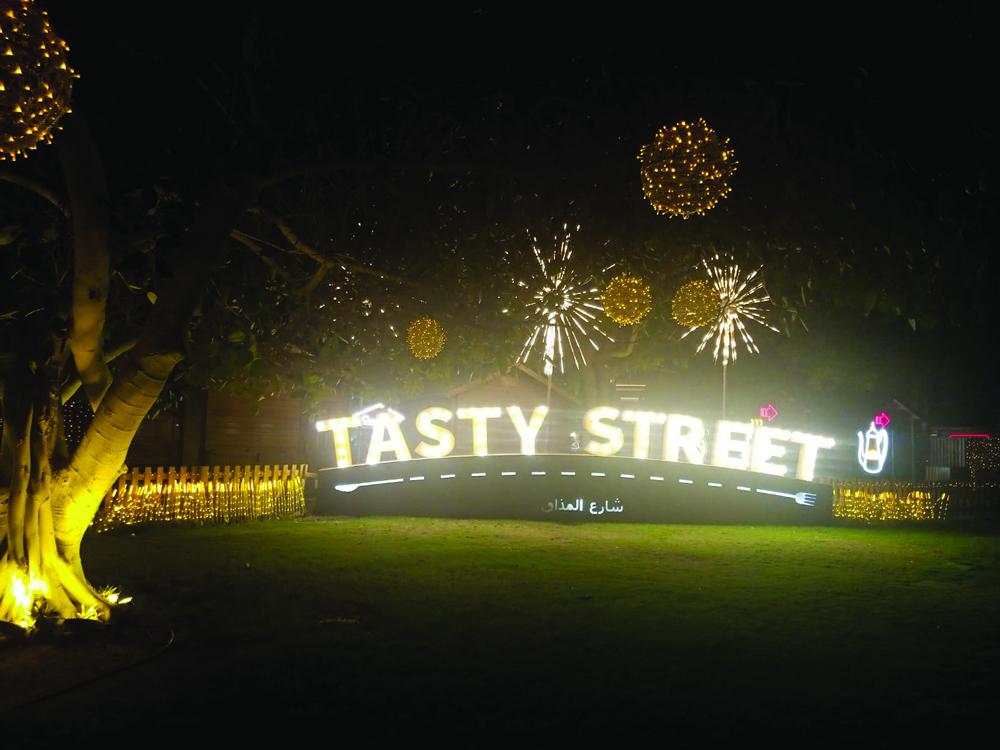
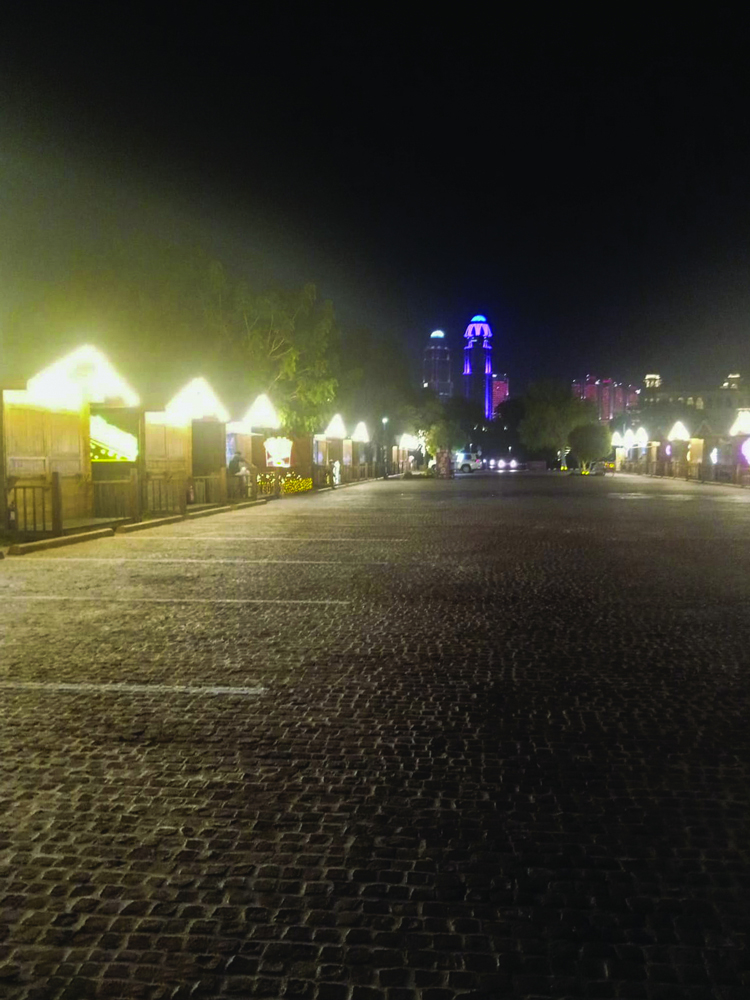
The Katara Hills adorn the entire area for your relaxation with an abundance of lush green beauty and a view of the area. Although the Katara Hills are artificial, the surrounding vegetation gives the area a beautiful look. You can stroll through the area at night or in the morning. There are several uncommon and exotic trees that have name tags to help people identify them. Since outside food is prohibited, picnics cannot be scheduled. However, there are lots of eateries and coffee shops where you may have a family brunch and more at Tasty Street. It is open to everyone, whether you have a car or not. However, it is important to note that there are no seating areas or tables for outdoor dining.

In addition to exquisite architecture and captivating graffiti, murals, art installations, and street art that adorn several buildings in Katara Cultural Village are a treat for art lovers. These have been created by Qatari and international artists while keeping pace with the emerging global culture that emphasizes the importance of diversity in human development.
The Katara Cultural Village also sponsors a lot of seminars and cultural occasions that support artists and their works. In order to provide a platform for connecting with the enormous audience of up-and-coming artists and ideas, conferences and seminars, exhibitions, and cultural festivals are often arranged in Qatar. It aims to establish an environment where individuals can communicate across cultural barriers to advance peace and understanding. This will help Qatar accomplish its National Vision 2030. Katara offers a stage for people from all over the world to come together and share the wealth of their colorful cultures, value variances that make our world exclusive, and uncover parallels that link individuals irrespective of their origin in an ever-evolving digitalized global environment. This village provides a glimpse of what the world might look like in the future when people from many cultural backgrounds and, cross international borders support causes that advance common humanity. With stunning theatres, concert halls, exhibition galleries, and state-of-the-art facilities, Katara is where the grace of the past and the splendor of the future collide. Visitors who are eager to learn about Qatar’s long-standing art and heritage can visit this stunning architectural wonder without a doubt.
Ar. Hira Qureshi is the Assistant Professor, of Department of Architecture and Environmental Design in Sir Syed University of Engineering and Technology (SSUET)


