


Text by Ar. Ammara Kaynat & Ar. Shanzae Naeem
The COVID-19 pandemic has significantly impacted students in various areas of their lives-educationally, emotionally, socially, and in their learning methods.
Virtual Learning: The abrupt transition to digital courses presented significant difficulties. Numerous students-particularly those from economically disadvantaged households-faced challenges due to restricted access to dependable internet and suitable devices. Studying from home also involved managing distractions and inappropriate surroundings, which made it more challenging to achieve academic success.
Mental Health: The pandemic significantly affected students’ mental health. Emotions such as anxiety, depression, and stress became increasingly prevalent as students dealt with uncertainty, health worries, and social isolation.
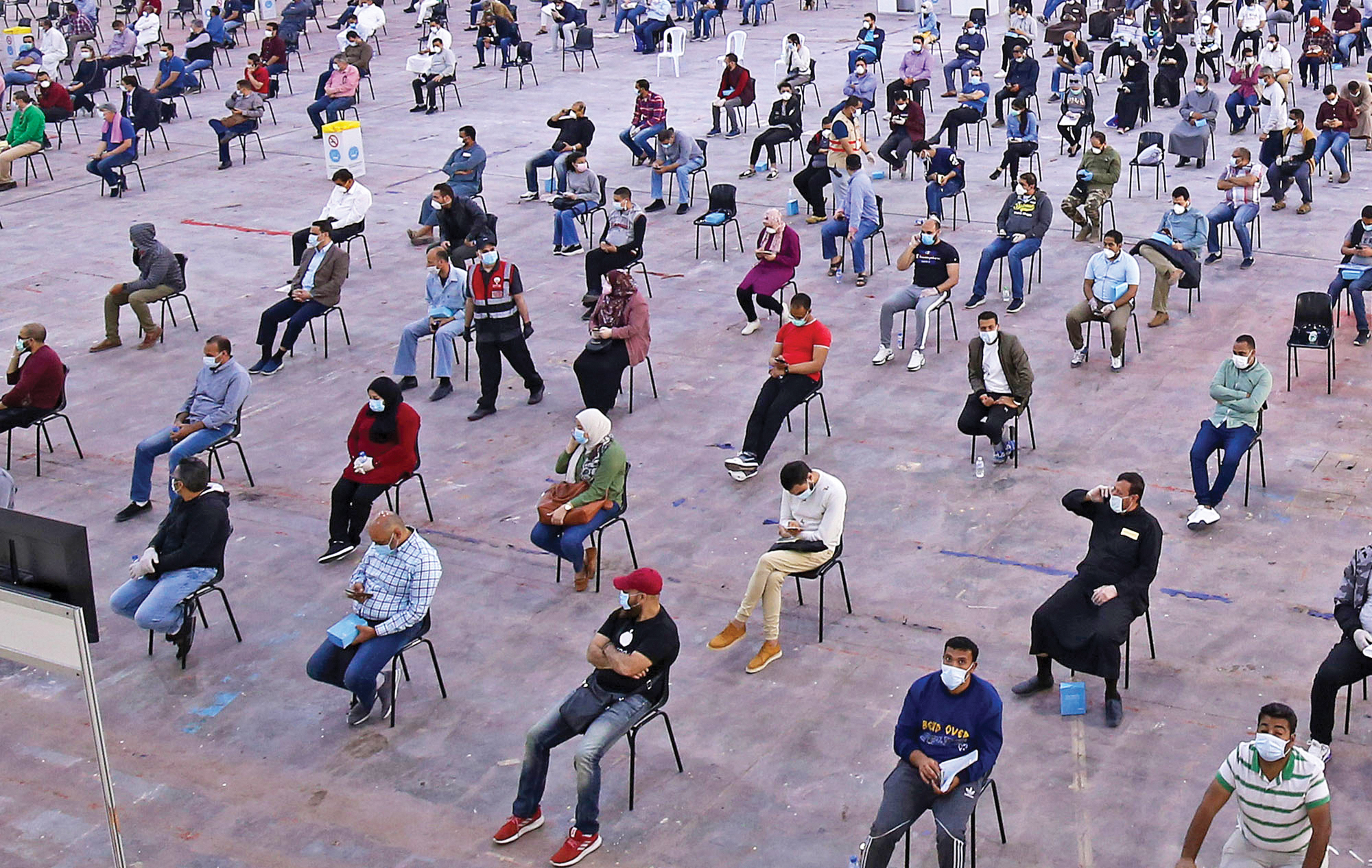
Social Interaction: Due to lockdowns and social distancing measures, students missed important in-person interactions with their classmates and educators. Numerous individuals expressed feelings of loneliness and disconnection, which negatively affected their motivation and emotional well-being.
Learning Space: Students with a serene, specific area for studying at home discovered it simpler to concentrate and remain involved. Regrettably, not all individuals experienced this benefit, emphasizing a disparity in educational circumstances.
Learning Deficit: Generally, students faced challenges in their academic progress. The interruption of standard education created considerable learning deficiencies, the impacts of which are still being experienced.
Students and higher education institutions encountered numerous obstacles during the pandemic; many students struggled to participate in online classes due to insufficient technology in rural regions. Conversely, those fortunate enough to join the classes face a decline in educational quality due to the impracticality of training options that would adequately prepare them for the future. Prior to the pandemic, online education was merely a concept associated with digitalization, but its utilization became widespread during COVID-19. There has been a rise in various online learning platforms during this period (DeVaney, J., 2011). Online education evolved into E-learning, making technological literacy an essential skill. In summary, the time after COVID has been a challenging struggle for numerous students. As we progress, it is essential for educational institutions to recognize these issues and develop more robust support systems. This involves enhancing the interaction between teachers and students, promoting greater self-directed learning, and making sure that students possess the resources and support necessary to thrive in a swiftly evolving educational landscape.
The COVID-19 pandemic affected nearly every facet of daily existence, and education was similarly impacted. With classrooms moving to computer screens and social interactions becoming virtual, student behavior experienced a significant change. The change was not just logistical but also psychological, influencing how students learn, interact, and connect with their educational surroundings.
Before the outbreak:
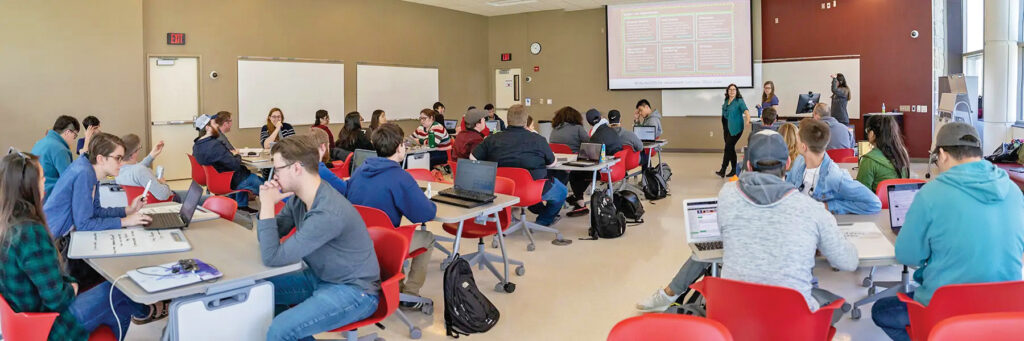
Before 2020, student behaviour adhered to well-known patterns-physical presence, in-person interactions, organized schedules, and a more subdued approach to learning. The majority of students depended significantly on teacher-directed teaching and were used to a routine influenced by bell timings and classroom interactions. Interactions with others and participation in extracurricular activities were essential in fostering motivation, shaping identity, and creating a sense of community.
Throughout the pandemic:
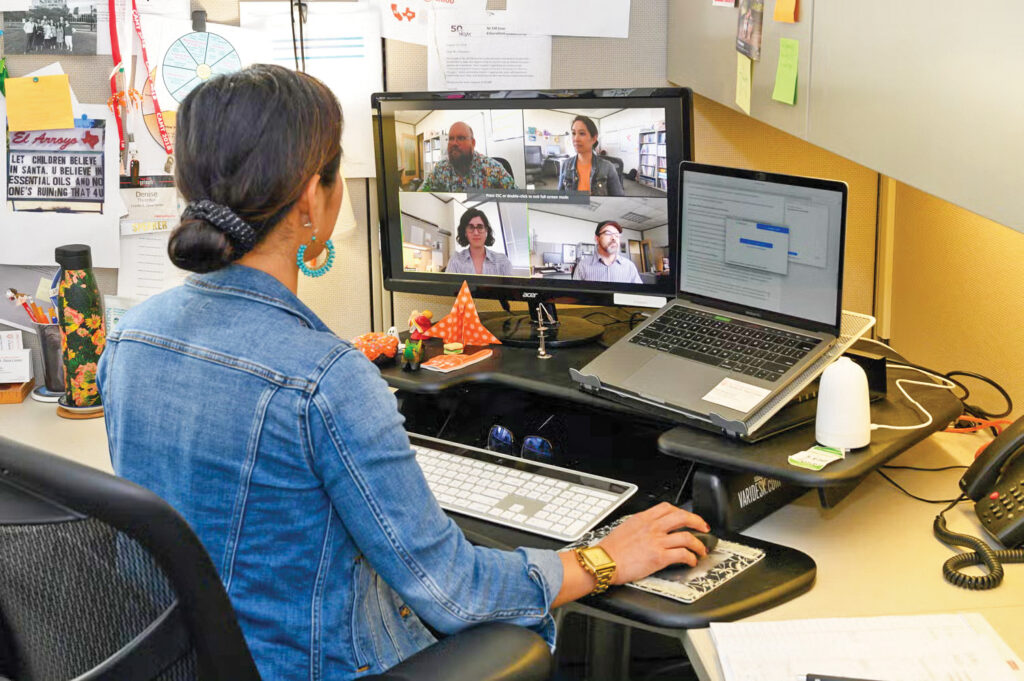
The abrupt shift to online education in early 2020 created a surge of uncertainty. Learners needed to adjust rapidly to online platforms, frequently lacking sufficient training or support. Self-control, effective scheduling, and drive have become increasingly vital. Certain students excelled in this new flexible model, whereas others faced challenges with loneliness, screen exhaustion, and a decrease in engagement. The indistinct boundary between home and school brought about a distinct array of challenges that emphasized the variety of students’ learning preferences and emotional requirements.
Post-Pandemic:
With the return of schools, a blended reality took shape. Numerous students came back to campus with altered expectations, prioritizing flexibility, digital resources, and a more tailored educational experience. Behavioural trends changed-students grew more self-reliant, adept with technology, and outspoken regarding mental health and wellness. Nonetheless, challenges such as reduced attention spans, social anxiety, and academic exhaustion also grew more common. Teachers observed a shift in classroom interactions, with certain students displaying decreased involvement or hesitation to reintegrate into conventional settings.
Conclusion:
The pandemic has fundamentally changed student behaviour, presenting educators with both opportunities and challenges. As we progress, it is crucial to view these behavioural changes not as obstacles, but as signs of a new educational environment-one that demands adaptability, compassion, and creativity in teaching and learning.


