


Interview by: Anzalna Wazir
Photographs: Courtesy Identity Architecture and Interiors
CAN YOU TAKE US BACK TO YOUR EARLY YEARS, AND HOW YOUR UPBRINGING INFLUENCED YOUR PATH TOWARD BECOMING AN ARCHITECT?

SAAD SHAH (SS): In my early years whenever I traveled or even today when I picked a country, I looked at what kind of architecture or history it could showcase to me and I have always been curious about art.
Growing up I moved around a lot. I was born in Rawalpindi then shifted to Karachi and moved back and forth between Sargodha, Rawalpindi, Islamabad, and Karachi before moving to Nepal where I spent 5 years and completed my O-A Levels education. I am very accustomed to change, place, and adapting to new things. The cultural shift in Nepal gave me a good understanding of co-existence and how we can bring it into our design as well. The kind of historic Architecture that you see in Nepal, it creates that question mark as to how this was created, the details and intricacy that you see there are unmatched. Hundreds and hundreds of year-old structures are preserved in excellent state which is unfortunately not the case in Pakistan. My exposure to art, history, and Architecture in Nepal solidified my interest in pursuing a creative field.
After A-levels, I came back to Karachi with a dilemma to focus on my career path. It was very easy for me to cross out what I did not want to do and a unique opportunity arose for me to intern in Karachi’s most reputed architecture firm before starting professional education.
WHAT COMPELLED YOU TO PURSUE A CAREER IN ARCHITECTURE?
SS: Architecture is a very different genre of art. For me, Architecture is a kind of art that is resilient to history and time. We travel to Europe and other countries just to see the Art and Architecture of the places there and that is how I feel architecture stands superior in a lot of ways compared to other forms of art. It can stand hundreds of years involves all your senses and shapes your environment.
At Indus Valley, I had exposure to a multi-disciplinary viewpoint of design and Arts. It is not just an Architecture institute, it’s got textile design, graphic design, photography, and so on. It gave me a spectrum that I could associate with once I started working on my own as well. I feel making the right choices when you are picking up on your career makes a lot of impact on your future as well.
HOW DID YOUR PARTNERSHIP DEVELOP WITH AHMED ALI?
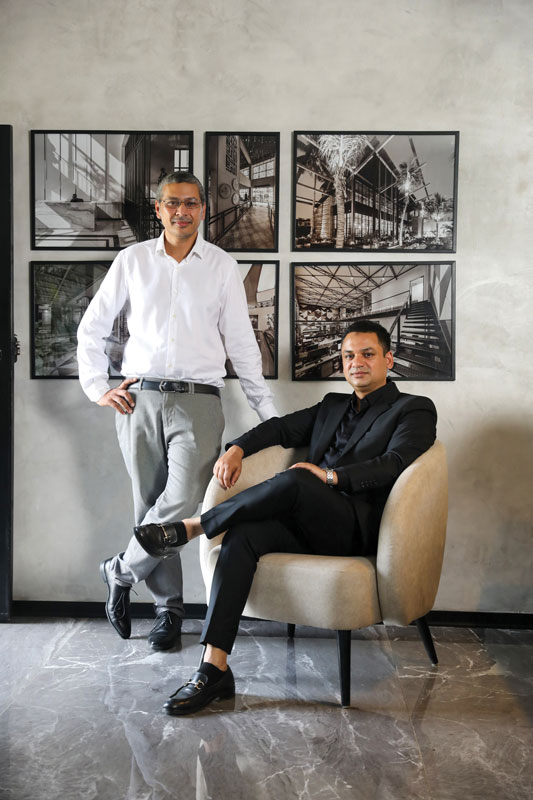
SS: Bonded over smoke breaks! We were working at the same firm ASA; Ahmed being five years senior to me. I joined ASA in 2010 after graduation as I have been associated with the firm for a long time during my internships.
Reaching the point where we are today, we have seen extreme struggle but had a lot of fun as well. The good thing is we were both patient on this journey. By nature, we are poles apart but when it comes to work or the office, our end goal or vision is aligned. We want to create waves in the art and design industry. We want to be recognized for visual art and our ability to create Architecture. We want to create history in Architecture so even when we are no more in this world, what we have achieved can last for hundreds of years.
WHAT IS THE SECRET OF YOUR SUCCESSFUL PARTNERSHIP?
SS: Technically this partnership started the first year I was at ASA. We used to do a lot of freelance work together and that is how it was initiated. In a way, we were established before we even left ASA. We had a common mental structure because we had the same mentor. We had a lot of fun and learning experience at ASA and we were very quick to understand what is required from us. It helped us in shaping our firm. Our alignment of vision for identity played a great role in making this partnership successful. Mediocracy is something we both strongly oppose. Ahmed’s strengths when combined with mine, become a strong force and creates balance. Our work is our primary goal.
DESIGN BECOMES A COMMODITY AND FOR YOU IT IS IDENTITY. PLEASE EXPLAIN.
SS: The literal translation of identity is ‘pehchan’ or ‘shanakht’, a reflection of what that person or thing is. That is what we aim to do here at this firm. Our projects are a reflection of three parts; the project needs, the architect working on it, and the contractor’s ability to be able to execute it. If you go through our social media, you will find all our projects are different. We feel that it liberates us and we don’t want to have that signature style or design aesthetic that puts us in any box. In our opinion, it is not a very positive way of creating design. When we design, we want to create a new version of that project whether it is a residence, an office a restaurant, etc, it should have its essence.
Why does everything have to look monotonous? Every individual is a different person, God gave us all a mind and a heart to be able to follow so why do we as humans want to create the same thing over and over again? That is what we question. Therefore, we try to bring uniqueness to our design every time we do a project.

WHAT IS YOUR DESIGN PHILOSOPHY?
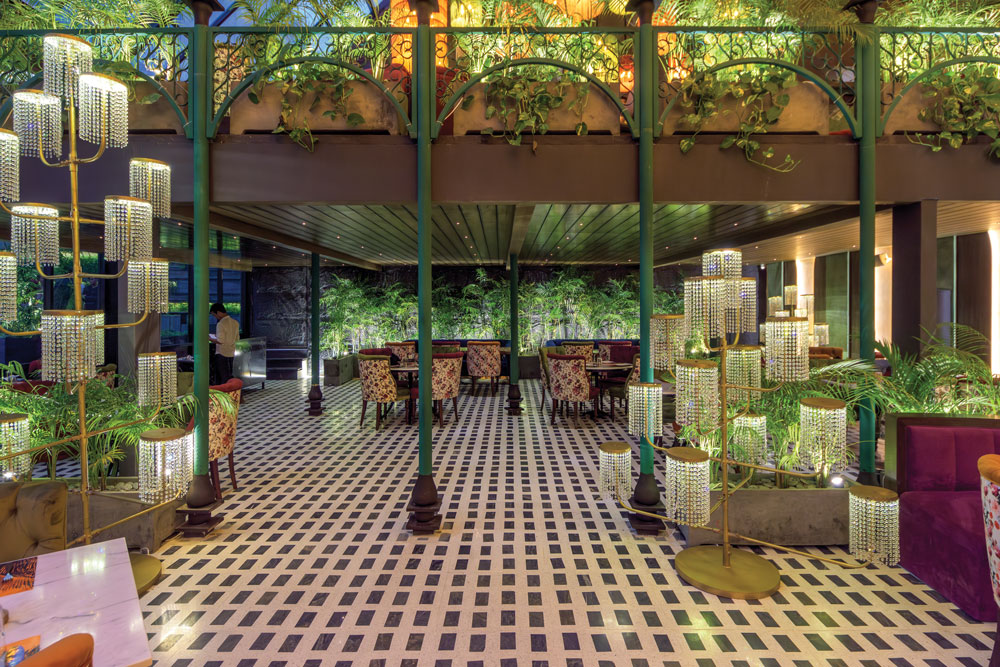
SS: Uniqueness. Be it a thinking process, design, a project, or anything. Anytime that a project comes through, we try to look at it from a fresh mind. We start analyzing how spaces can react and we go back to the design board as to what experiences we have created before for a project of similar nature so that we don’t repeat it and develop a new point of view on it. We don’t like to stay static to our design philosophy which in itself is to bring freshness each time we pick up a project. If something did not work out in the past, we do not want to repeat it and if it did work out, we tend to revolutionize it and keep progressing further. We aim to be extremely experimental with our design thought process. We are not afraid to challenge ourselves.
WHICH ARCHITECT HAS BEEN MOST INFLUENTIAL ON YOUR WORK STYLE?
SS: I have never been someone who sees things in photographs and gets inspired. I want to experience the space, turn it into a visual field, and build a character on it. I have realized that a lot of times, images don’t do justice to the design or they exemplify the project too much. I was in India and I experienced Le Corbusier’s work for the first time I wasn’t able to understand that Architecture, it didn’t speak to me. There wasn’t any sense of feeling or intimacy or connection and that’s my take on it. The Foundation Louis Vuitton by Frank Gehry in Paris is a project which speaks volumes about deconstructivism and I was amazed at the level of engineering they have achieved through it. That is influential for me, these engineering marvels and art pieces in the form of Architecture. Unless you go through such experiential buildings, you can’t just judge them at face value. It’s easier for me to describe influential experiences than influential people.

WHAT TYPE OF PROJECTS DO YOU ENJOY MORE: ARCHITECTURE OR INTERIORS?
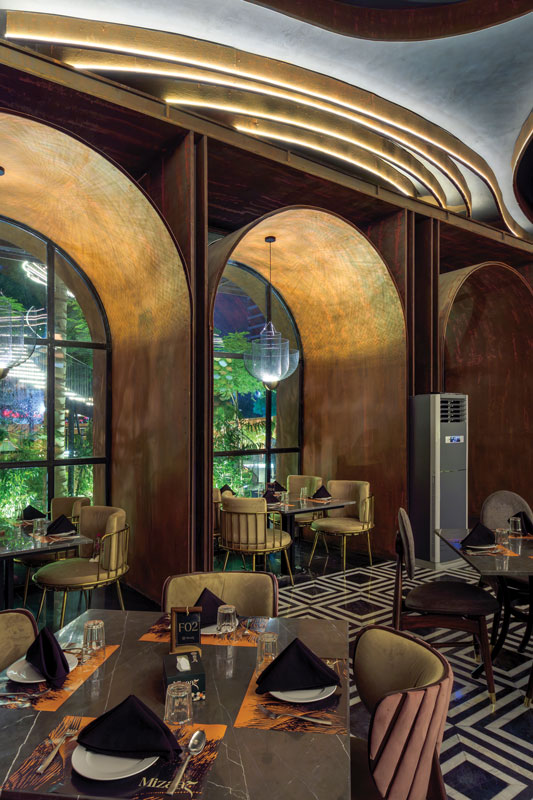
SS: Interior projects I guess, are quick, a lot more fun with fewer limitations and more challenges. A lot can be achieved on a budget and there is more scope for creativity. The psychology with which residences were constructed before, no longer exists. Now, a residence is not used by generations, it is made for a particular time frame. Interiors have fast-paced results and gratification of the achievement is almost instant.
YOU ARE DESIGNING MOSTLY RESTAURANT PROJECTS. IS THIS YOUR SPECIALTY IN DESIGNING RESTAURANT PROJECTS?
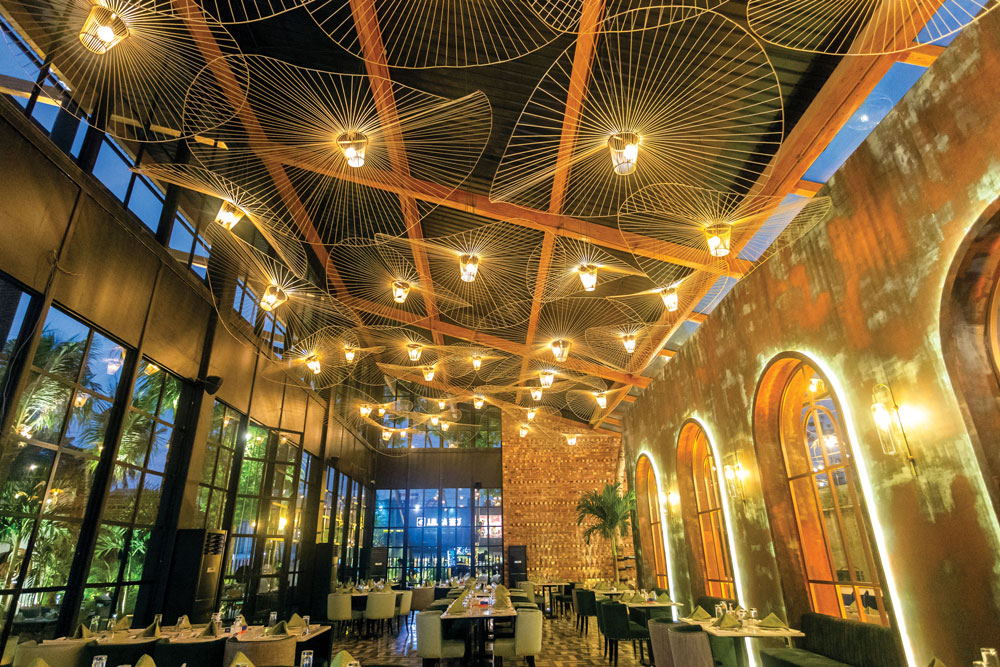
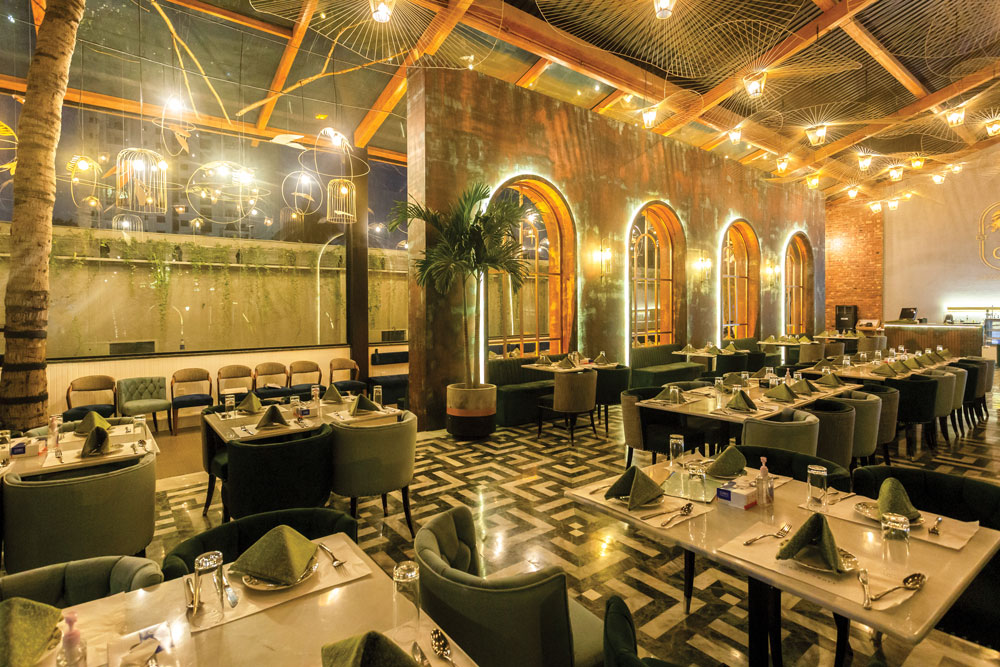
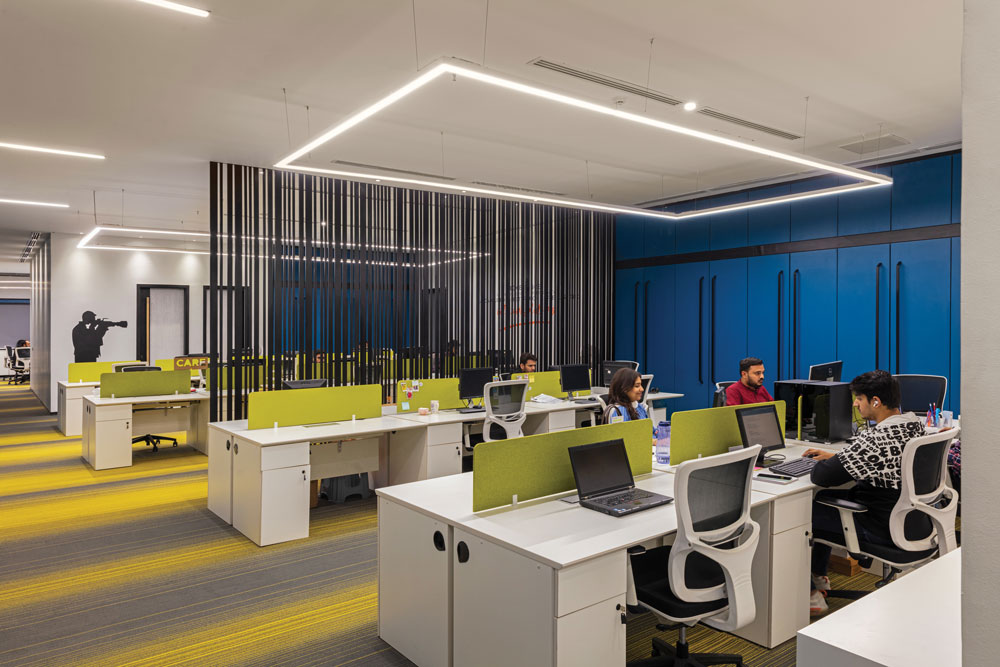
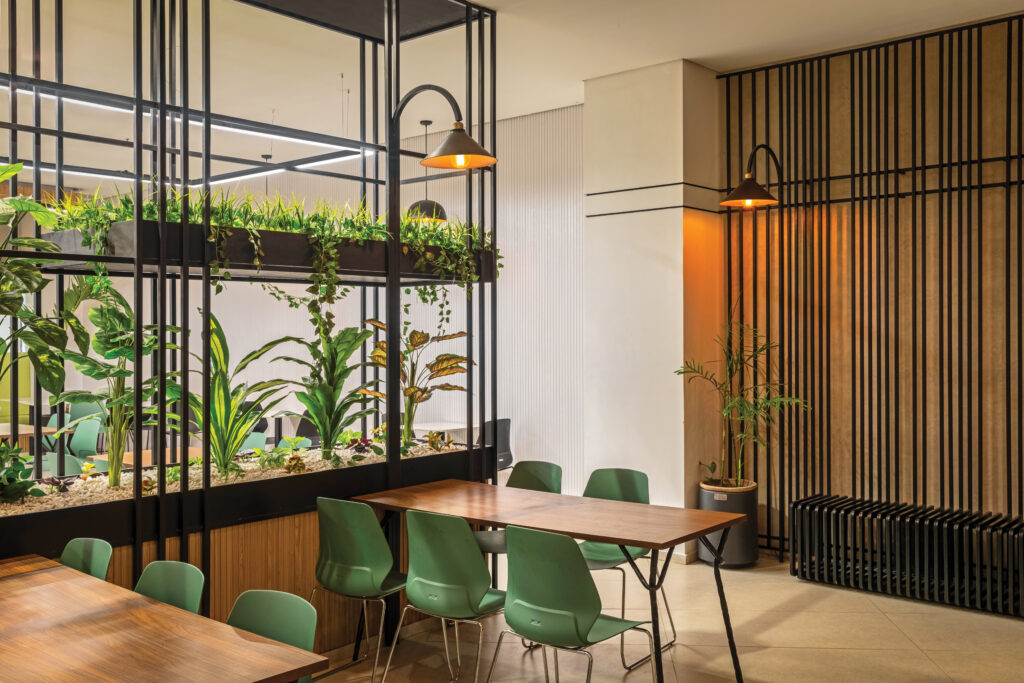
SS: I design residences and other projects as well. It is the user experience that I dwell on, whether it is a residence, retail outlet, office, restaurant, or anything. I like enjoying the connectivity of the project with the user. If it’s a residence, how well does it connect with its users, if it’s a restaurant what is its impact on the person dining in, that thrills me.
WHAT CONSIDERATIONS DO YOU GIVE IN DESIGNING YOUR PROJECTS?
SS: For me, as I said, it is all about the user’s experience and connectivity with the project. The only consideration I give in designing the project is what is the user experiencing being in that space. The kind of shell or space I create has to evoke emotion and nurture, uplift, and inspire. How the body is responding to the experience being created in the space. That’s important.
BEING A DESIGNER, HOW DIFFICULT IS IT FOR YOU TO CONVINCE THE CLIENT OF THE APPROPRIATENESS OF A DESIGN SOLUTION?
SS: Generally, in our office, we do not run through that turmoil where we have to showcase a client design after design. I feel if the client is not convinced then maybe he has picked the wrong Architect for his project or the Architect doesn’t have the conviction to be able to convince the client. When we present our design, our understanding is that it is approved already and requires no further work except for minor changes because we have put our heart and soul into the project and created something that the client is going to agree upon.
When we design a residence, for example, we go through a whole process with the client before picking up our pen. We meet them, understand the dynamics, and personalities of the family, listen and observe them, build a relationship with them, and then prepare their mind that we are only going to narrate a layout for you based on the story they showcase to us. Residence design is all about planning, it has nothing to do with the cosmetics of the façade. That is our practice for every project.
Therefore, such issues of convincing don’t occur with us because we already go through a journey with them before designing.
WHICH PROJECTS ARE YOU PROUD OF AND WHY?
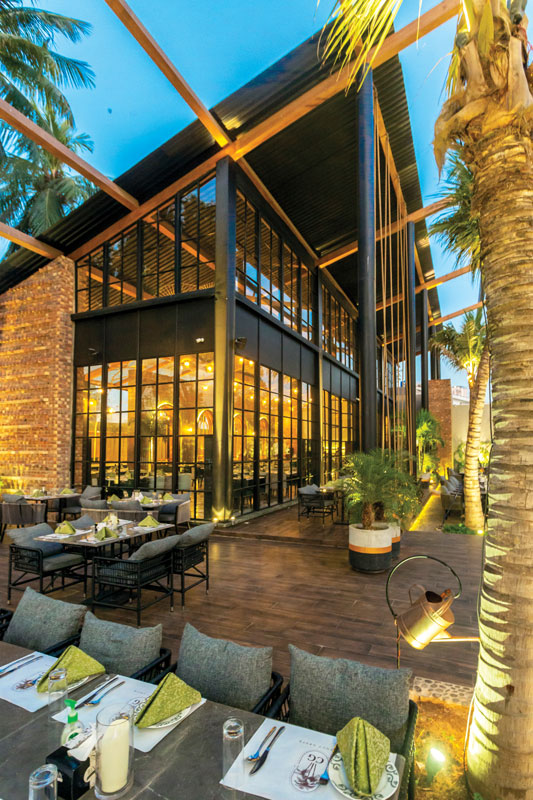
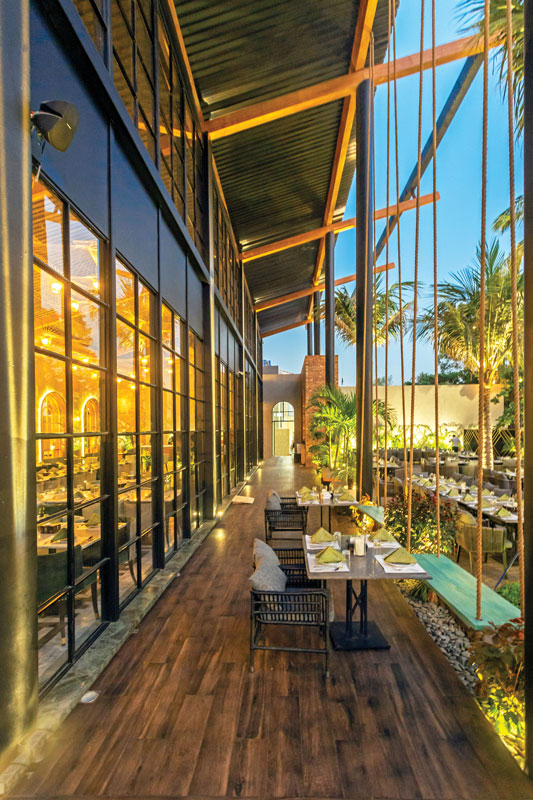
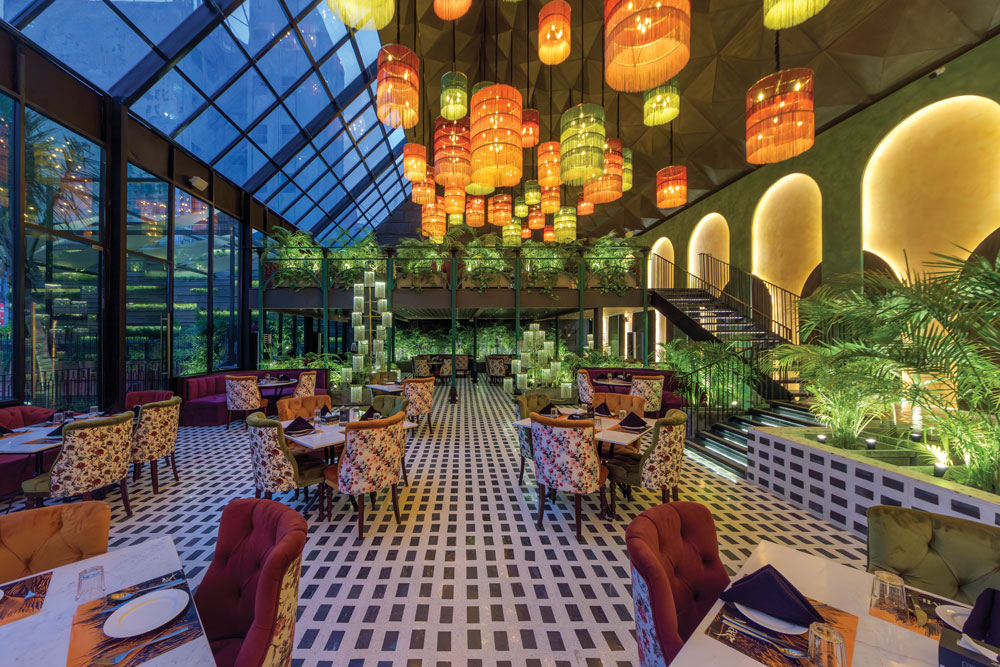
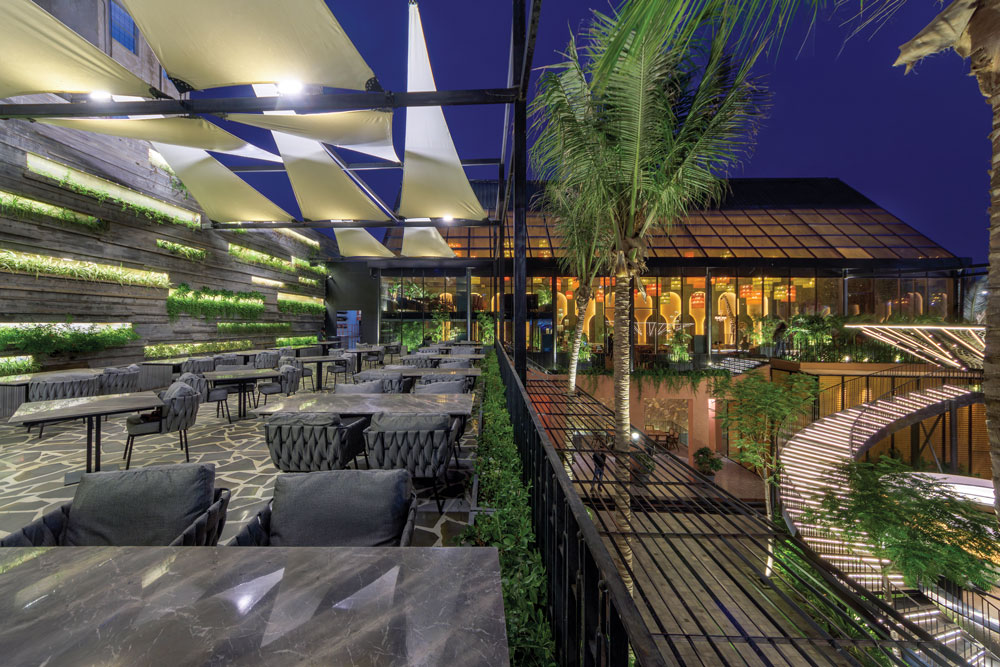
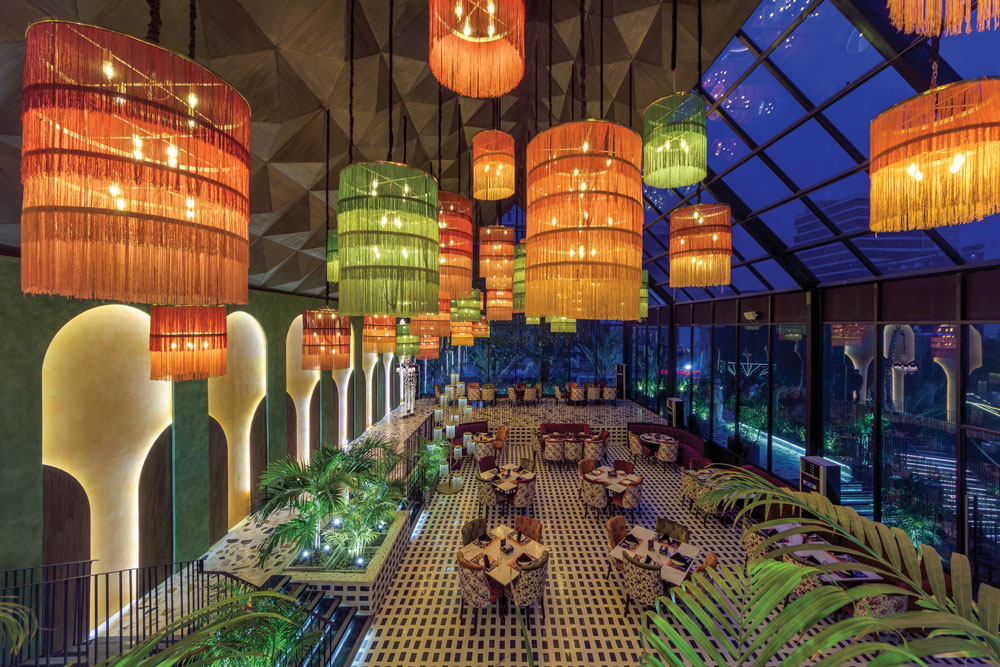
SS: Restaurant projects I enjoy working on, in general. So much gratification and creativity in a short time. Of late, we have finished a project called Klay which received a lot of appreciation and recognition. Coconut Groove, I thoroughly enjoyed designing and the entire process of it. I am proud of all the projects where we were given the playing field for creativity.
WHAT ARE YOUR INTERESTS BEYOND DESIGN AND ARCHITECTURE?
SS: Me and Ahmed apart from the partnership at Identity, play cricket, and travel together as well. I am a workaholic and it gives me happiness to work. Apart from that, it is very difficult for me to name any interest. Travelling is something that can not be described as interest, it is more of a need for me and my mind to grow. I try to pick up a new country every time I travel because I want to understand and experience a new culture so that my vision keeps getting broader and it translates into my design.
WHAT MESSAGE WOULD YOU LIKE TO GIVE THE YOUNGER GENERATION?
SS: Don’t be impulsive. You cannot have overnight success in this field unless a miracle happens for you. The drive and passion have to be constant and you have to put your heart and soul into each project.
Many thanks for talking to us!


