


Interview by: Anzalna Wazir | Photos Credit: DAZ
Danish Azar Zuby is a senior design consultant with his design studio based in Karachi. He has been involved in various design disciplines since the last 5 decades. He pioneered the subject of Interior Design, and he was responsible for the establishment of Department of Interior Design at Indus Valley School of Art and Architecture in 2003. He is the Founder and a Fellow Member of “Pakistan Institute of Interior Designers”, “SHEHRI, Citizen for Better Environment” and “Illumination Society of Pakistan”. He designed DAZ House in 1994, which was nominated for Aga Khan Award for Excellence in Architecture for 2001 cycle. His projects have been published in “Great Designers of the World”, and “100 Designers Favorite Rooms”. He has been listed in “Who’s Who of the world” & “Who’s Who in Interior Design”, books printed in USA.
His creative interests intersect with the Fine Arts. He paints; he is a cartoonist, a calligrapher, an amateur musician and an educationist. He teaches Interior Design and writes on design. He interests include Conservation, urban intervention, environmental and social activism.
His retrospective exhibition, “The DAZ Anthology” was held at the VM Art Gallery in 2010 in Karachi, celebrating 40 years of his work showcasing his endeavors in sculpture, painting, and photography apart from design disciplines. He received the ADA Award for Excellence in Architecture 2019 Public Spaces for Edulji Dinshaw Road project. He is currently working for the restoration and rehabilitation of Gutter Baghicha, the potential green lungs of Karachi.
In this exclusive interview ARCHI TIMES he talks about 50 years of his journey in the field of design and other related issues.
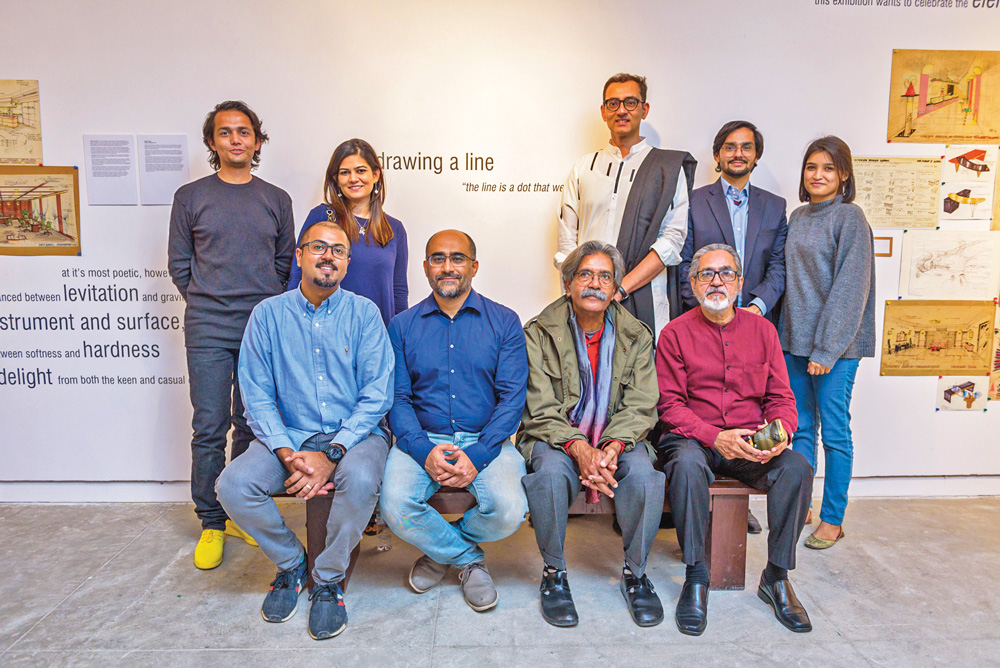
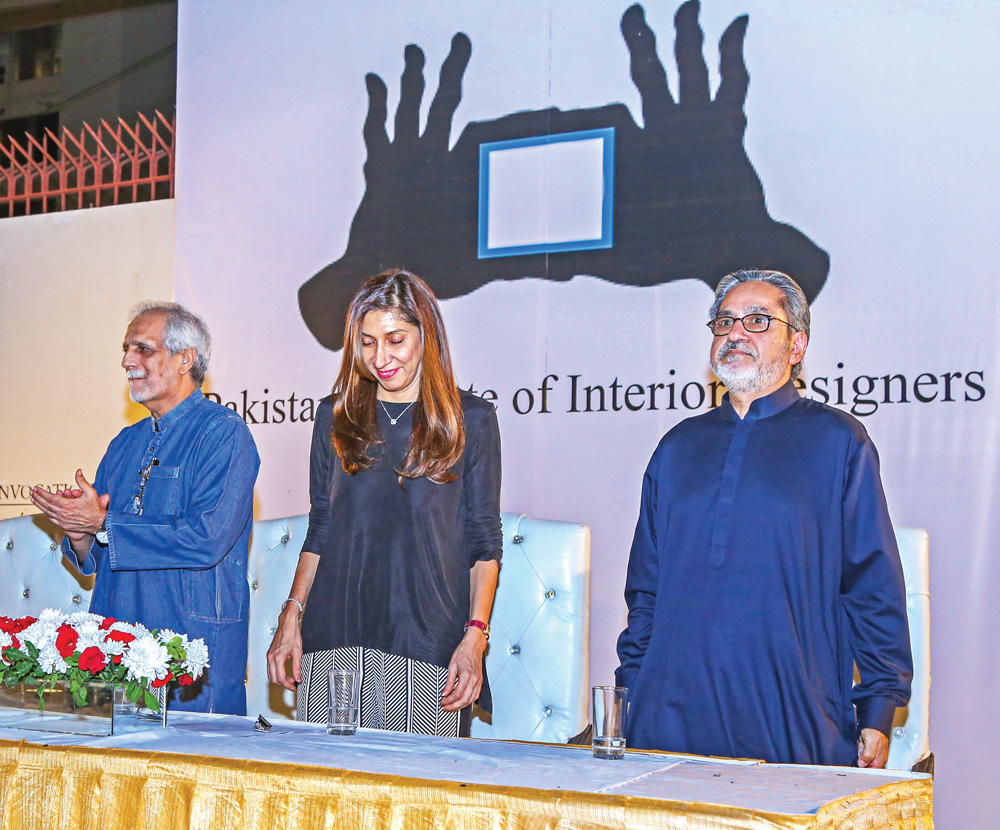
Danish Azar Zuby (DAZ): How can one not be happy? Indus Valley School of Art and Architecture gave me the biggest surprise by holding this 2 day event celebrating my journey in the field of design. In fact it was the Interior Design department’s initiative at IVS and credit goes to the head of the department Usman Ansari who planned and executed such a successful event. I was honored and humbled by all who were showering praises on my work. The event was meticulously planned, it was really amazing, with presentation of some of my selected projects, case studies, Q&A, display of work in the gallery but the most exciting part was the ‘design Charrettes’ in which students, faculty from NED and IVS participated. This turned out to be a great session on design and related issues, designers’ social responsibilities and design activism.

AT: before starting we would like to know about your design journey and a little background?
DAZ: Well, the truth is that I graduated as an Industrial technologist from University of Sind but my heart was inclined towards arts and aesthetics because of my late father, who is one the pioneers of fine arts in Pakistan. Growing up in the artistic environment one learns by observation, it was natural, it’s difficult to resist beauty and balance. In fact my dad is the father of Interior Design in Pakistan because he sowed the first seed by establishing the famous School of Décor in Karachi. It became the talk of the town in the 70s and 80s. Although I did not attend the lectures at SOD but I was learning all the time. So when I decided to go on my own in 1971, the first job I got in Karachi was in a furniture factory as a junior designer. Later I got an opportunity to travel to the Middle east and work as a designer. This was all without any formal qualification in design. Deep down I felt a great void, I was convinced that if I need to continue working as a designer I should get some formal education. This is when I left for England and joined a design school.
AT: you are referred to as the first qualified interior designer in Pakistan?
DAZ: Yes that’s because I just happened to be at the right place at the right time, it just happened. It was providence. In 1980 when I returned to Karachi, it was fully urbanized, a busy, pulsating trade and business market. There was a great demand for organized, attractively designed spaces. People were beginning to appreciate the benefits of design. There were a load of corporate offices, banks and boutiques, looking for Interior designers but the market was dominated by architects as there were no Interior Designers. I had to find a place in the fraternity of designers and I was lucky to have joined ASA which was one of leading practices in Karachi. It took me a few years to demonstrate that Interior Design is a distinct, independent and a specialized discipline. It has gone through some identity crises because of its inherent relationship with Architecture and some confusion with ‘Interior Decoration’ but now it is a globally recognized subject that admits post graduate and doctoral studies. Some Universities label it as Interior Architecture but some believe that we do not need architectural stilts to move forward and prefer to call it Interior Design. Today there are innumerable professional institutions and organizations throughout the world serving the profession of Interior Design. I was fortunate to have been involved in the creation of such an organization in Pakistan called the ‘Pakistan Institute of Interior Designers’.
AT: What is the difference between interior design and interior decoration?
DAZ: I think we have come a long way now – since the 80s when this question was asked frequently. Yes, this used to be the biggest confusion and the lay person believed that Interior design and Interior decoration were the same thing. Interior Design is a vast discipline covering roughly 20 subjects loaded with technical details, defining the built environment and ‘Decoration’ is one of the 20 subjects which provides information about surface treatment and finishes of internal planes, like paint, polish, colours, wall paper, carpet, rugs etc. It is a superficial treatment of surfaces whereas Interior Design penetrates those surfaces unfolding what is behind and how they are erected. Interior Design will define the construction of all the internal planes, the hidden services and their electro-mechanical systems, climate control etc. to create not only aesthetical pleasing but also comfortable and a safe environment serving the specified needs of the space.
AT: So can you tell us what interior design is and what elements define your particular style of interior design?
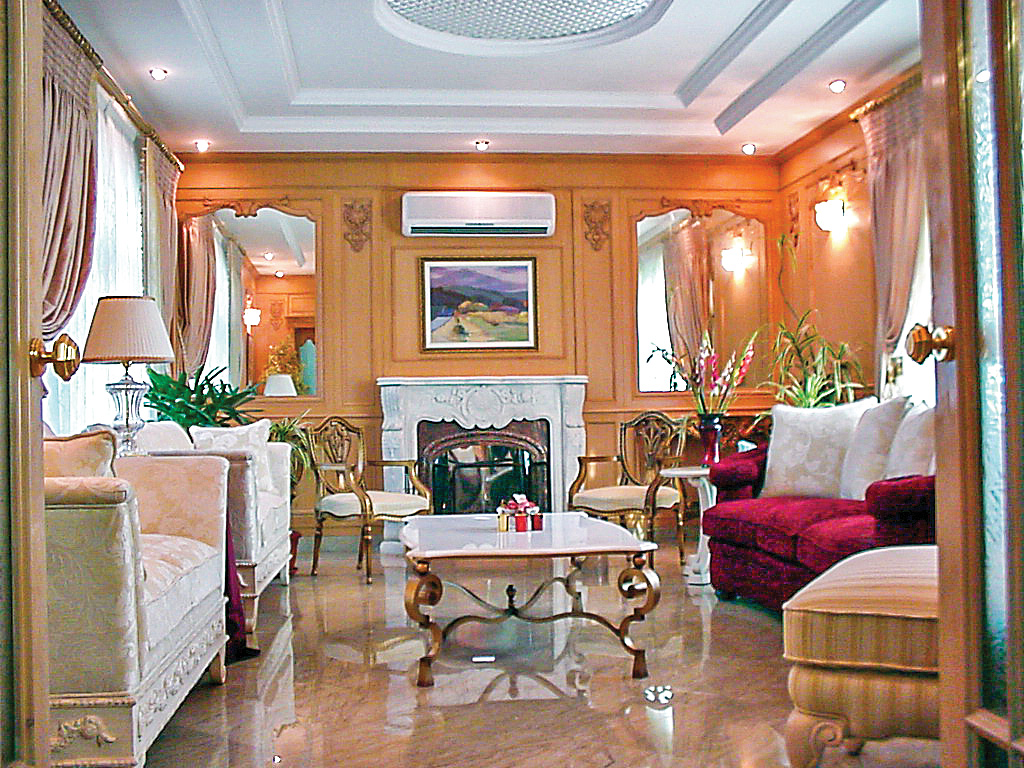
DAZ: Oops. How can one define Interior Design in a brief time? Like I said Interior Design is vast subject much like Architecture and many other Engineering disciplines and our space is too short to do justice to the subject. It’s to do with quality of life, comfort, safety, security of any enclosed space, may it be a house, school, hospital, market, train station or an airport? Basically any thinkable enclosed structure, even a yacht a bus or a plane. We have come to a world when we all spend 90% of our lives indoor. Yes, Architecture and Interior Design are inherently bound like Siamese twins but professional separation occurred some decades ago. I believe that Architecture is not created just for visual pleasure, mostly it has an internal function to fulfil. So, in my opinion, Interior Design is the heart and soul of Architecture, which ideally evolves from the inside. So the people who are conducting short courses in Interior design and equating decoration with Interior design are doing great dis-service to the profession. Can we become a doctor or a lawyer with a short course? And also I am averse to the word ‘style’ and ‘fashion’ and the way people say it’s their ‘signature’ style or design. I believe in ‘timeless’ design. Style and fashion is short lived, deceiving production house gimmicks. Why can’t we design something that satisfies the need, look good regardless of limitations of time? And you don’t want to discard it when it is ‘out of style’. To me the Pyramids look awesome even today, though they have been here since a few thousand years?

AT: I guess you are talking about higher principles of design, do you consider aestheticism or functionality as more important in design and why?
DAZ: Aestheticism is extremely important because you have to ‘like’ the product that you have. An ugly product would be discarded in no time. Its visual appeal is vital but this aspect of design is usually a secondary part of the process, at times it is handled in parallel but many times it comes later. For me the first and the foremost is function in design. A car, is not a car if it does not move. A chair is not a chair if you cannot sit on it. A house is not a house if cannot live in it. So basically the designed product has to satisfy its fundamental ‘function’ first and if it looks good, it adds another dimension to the product. But one has to be careful with aesthetics, the ‘pleasing look’. It can take you to areas beyond essentials and can be limitless. There are a lot of products that were designed with zero aesthetics but they had an instant appeal like a pair of scissors or a hammer. In Architecture and Interior Design Aestheticism has a special place but less so in engineering subjects. Sometimes the aestheticism leads you to superficiality, extravagance and living beyond means. So for me I prefer to be simple and direct in approach, more practical than superfluous. If you want to add frills to any product there are no limits. I am also saying that one should not design products that are dull and boring and no fun at all. But it is really hard to find a balance, one has to be very careful here. So one has to be clear about a specific design philosophy that would define your product.
AT: Can you identify and name your projects in which your understanding of design reflects your philosophy?
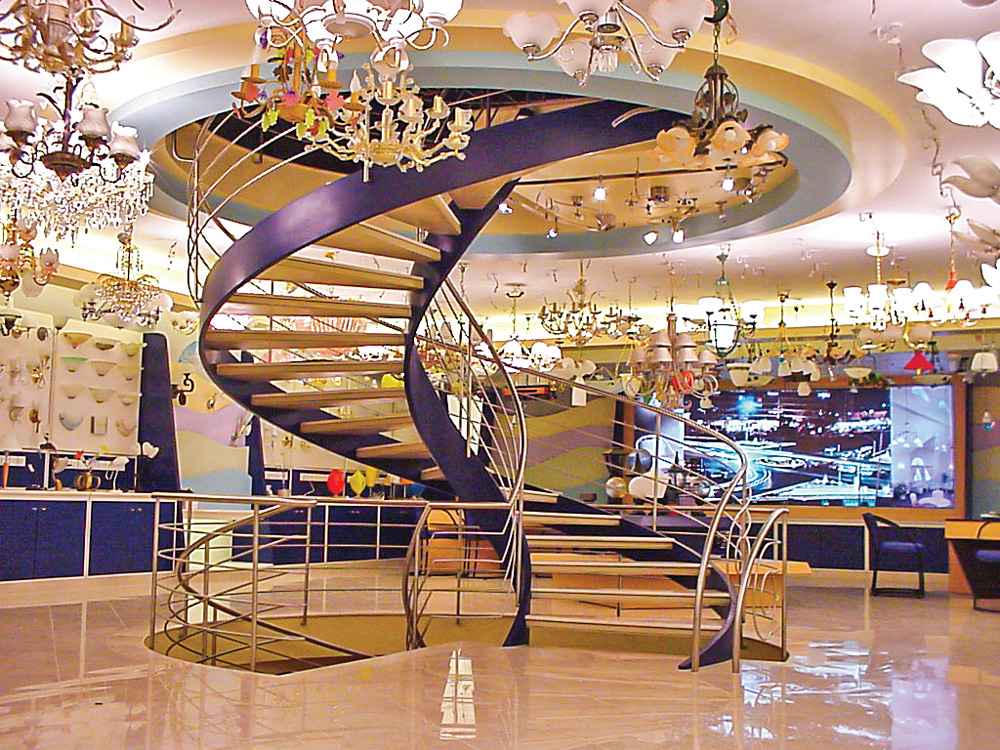
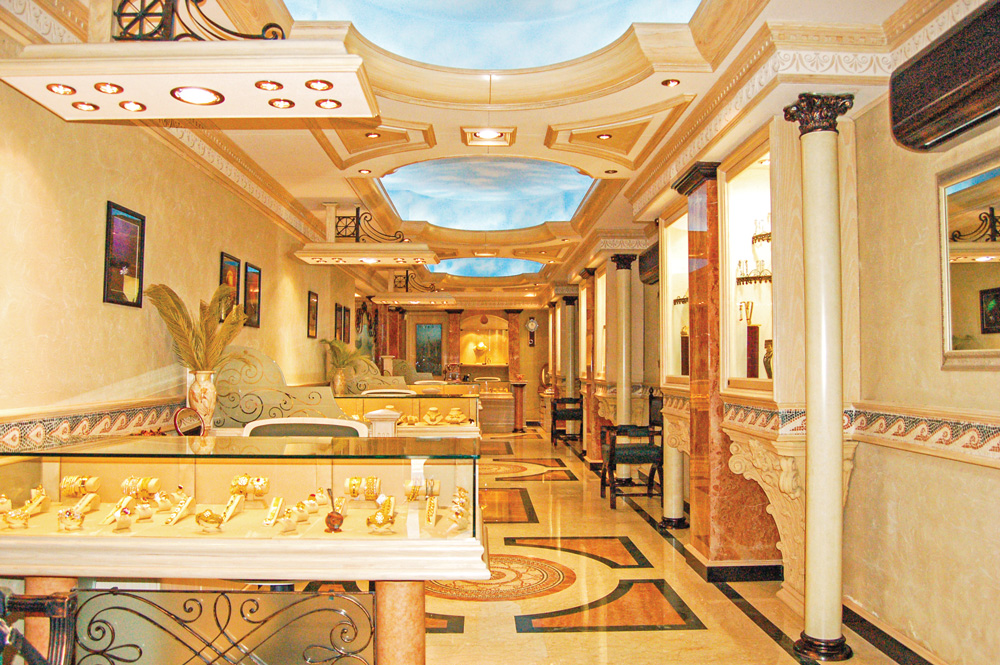
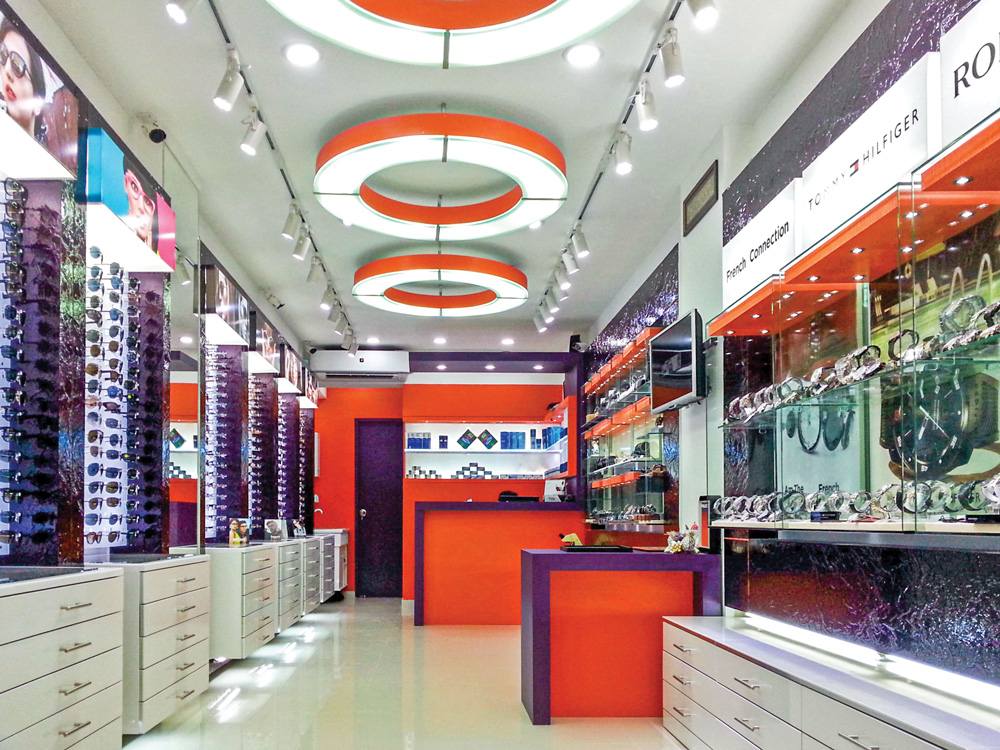
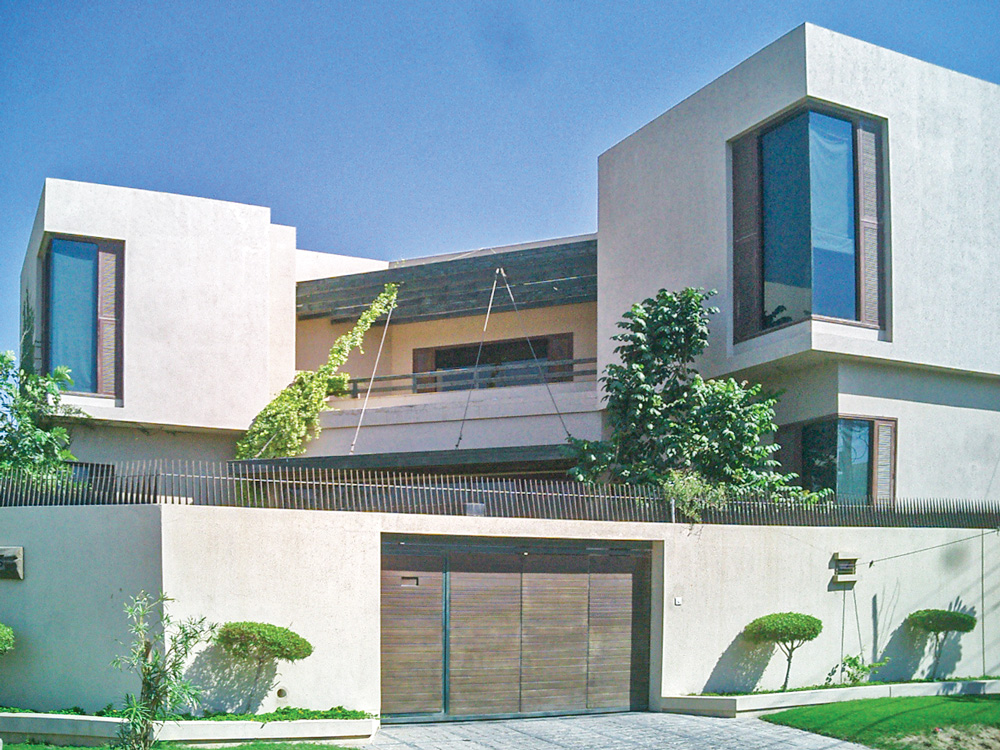
DAZ: If your referring to the subject of Interior Design, my answer would be short, if you are talking about Design in the broader terms it has much wider and deeper meaning. Because Interior Design is a small part of an overarching philosophy of Design. Design is the mother of all disciplines that provides us products and systems that govern our lives and makes the world go round, whereas Interior Design has a limited scope of enclosed spaces. I have been in the trade for five decades and had the opportunity to work in many design disciplines. When I designed my house in 1996 it was nominated for Aga Khan Award for excellence in architecture. This was most flattering. Then I was asked to design a roundabout for a client for whom I was doing their corporate offices. This was a bit of urban design in Clifton called the Schon Circle. My scope and involvement kept growing. I was enjoying my popularity without realizing that I was only serving the moneyed class. Doing fancy houses, offices and shops did not bring inner satisfaction. I felt that the people who cannot afford to hire designers also deserve better designed products and spaces. I was more of a social activist and designers’ social responsibility had all the charm for me. The most heartwarming were the pro-bono projects that I did like a model village near Multan for flood affected people. I had also designed an earthquake resistant house for northern areas after the 2005 earthquakes. I volunteered for design work at Burns Centre at Civil hospital and several other projects. Quite recently I also got an opportunity to work on an urban design project of uplifting a neighborhood, the now famous Edulji Dinshaw road project, which has become a benchmark for urban intervention and reclamation. So there is a paradigm shift in my design thinking and philosophy as compared to my earlier years. Then there is my dream project in Karachi, if I can finish it in my lifetime, the Gutter Baghicha. This is close to 300 acres, potential lungs of Karachi. I did its master plan under the umbrella of Shehri, an NGO of which I am a founding member. I had proposed an Eco Park and a botanical garden at Gutter Baghicha. This is a green cover that Karachi needs desperately but the real estate hounds and vested interests see this as a lucrative piece of land. Wish I could do this for Karachi. I would love to work for people and organizations for greater good of society and world in general. That does not mean I have stopped designing jewelry stores and offices. I’ve got to keep my office running.

AT: Do you welcome client involvement in designing or keep them away? Do the clients give you free hand, does it help or hinder your creativity?
DAZ: Howe can you possibly keep the client away? I am unlike many designers who show an attitude to the clients who ask for changes in planning or design. I find myself more sympathetic to the clients’ needs, isn’t that why the client hires you in the first place- to turn their dreams into physical reality? You are like their technical companion who guides them on the way. Yes, sometimes it is frustrating making changes in the design but I have seen projects in which clients wants changes during construction or even in a fully constructed site. That would be more costly and painful. Actually this is a complex issue, the client is not trained to comprehend line drawings and visualize the outcome, and sometime they don’t even understand perspective drawings, so I don’t mind making changes on the paper rather than on the site. Yes, there were times when I put my foot down and asked the client for a free hand. Those were some of my good projects.
AT: You established the first ever degree course in interior design in Pakistan at the indus valley school. How did that come about and when?
DAZ: It was between 2000 and 2004 when I was conducting workshops on Interior Design at the IVS when Arshad Abdulla, one of the founders of IVS invited me on the Managing committee of IVS and also asked me to help them establish the department of Interior Design. It took me a year to develop a curriculum for the graduate course and by 2003 the enrollment had started in the Interior Design department. I was also asked to steer the department until a HOD was engaged by the school. In 2007 I saw the first batch of ID graduates pass and handed over their degrees. That was a great day for me.
AT: Are you satisfied with the standard of interior design education in Pakistan?
DAZ: Well the standard of education of ID at the Indus Valley is quite high, at par with some of the worlds renowned schools, but if I am not mistaken this is the only degree course in Pakistan. Our country could do with more as Interiors trade is multi billion rupee industry which also has several downstream thriving entities. There is great demand for Interior design professionals. I had heard that Comsats in Islamabad were aiming for a degree course in ID under the department of Architecture. I had offered to help establish a department at NUST but I did not get an encouraging reply.
AT: Do you think there is a need for reforms in design education? If yes what type of reforms are needed?
DAZ: I cannot delineate on the details of reforms right now but it was in the aims and objects of PIID (Pakistan Institute of Interior Designers) when it was formed to help monitor and raise standard of design education in Pakistan. It has to be done by group of ID professionals. Unfortunately presently there are some organizational and management issues with PIID. We had envisaged a separate committee on education much like ‘Interior Design Educators Council’ (IDEC) and the Foundation for Interior Design Education Research (FIDER) operating in the USA. Interior design education needs to progress assuming greater leadership within the profession. I feel that ID educators must prepare for more rigorous standards of professionalism as eventually designers would be required to undergo testing, licensing, and certification. It is still a dream but one day I believe we will achieve this.
AT: What are your future plans?
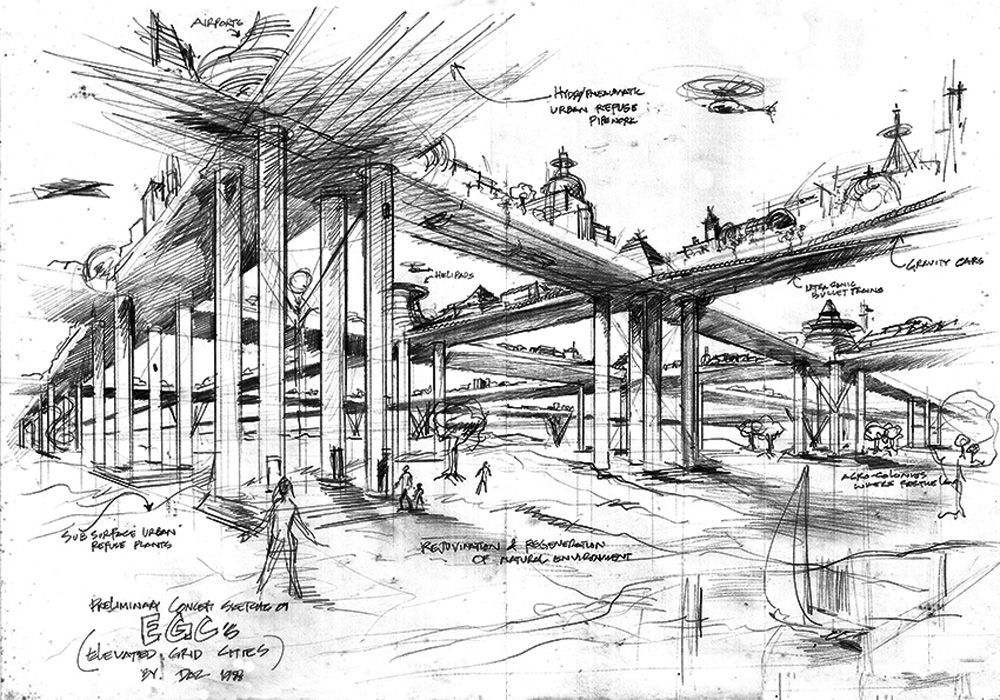
DAZ: I have a desire to finish what I started many years ago. It was an urban design project which was very close to my heart. A research project called ‘The Urban Crises’ with Karachi as a case study in which I presented the idea of ‘Decentralization of Urban Societies’. I feel that our troubles started when we cut off all our bonds with the nature and moved to the cities. I believe in Rural Renaissance and in reverse migration. Sounds a bit radical or perhaps romantic but I have given a lot of thought to this. The writing remains unfinished because I cannot give enough time to it. I am still working a typical 9 to 5 day to keep my design practice. Every now and then when I find time I add a page to the book.
AT: What advice do you have for the young generation and students?
DAZ: Do you really think the younger generation needs any advice, with a smart phone in their pockets, the powerhouse of information, they appear to be quite up to date with all they want to know. I think we are going through a grand social transformation on a global scale with frightening speed. Technology is winning and humans are losing. Although we enjoy natures bounties everyday but we are disconnecting from nature like never before. We are losing human values or should I say our ‘humanity’ is diminishing on a chilling scale. We sincerely believe technology is taking away our burdens. There is an ongoing debate between two lobbies, one lobby is for infinite growth and AI and other one shows us the dangers ahead. Myself I am a Neo-Luddite and I feel that we should not be opposed to technology but ‘be aware’ of it, how it is influencing our thinking and our lives in general. Use technology for the benefit of mankind rather than its devastation. Book stores and libraries are disappearing with online electronic print. Amazon online home delivery of anything you can think of is turning us into confirmed couch potatoes, total inaction. With autonomous driving vehicles millions of jobs will be lost. 3D printers are fascinating but millions of manual skilled workers will be at a loss. In the words of David Suzuki, the great environmentalist, we have become so powerful that we have altered the physical, chemical and biological characteristics of the planet and are heading for self-annihilation. Look at the gadget we carry in our pockets. It is a great convenience but it also taking something away from us. Our smart phones provides you instant solutions with hundreds of images at the click of a button, of any design task you have in mind. It’s just amazing, but it does not tell you how to arrive at a particular solution. It does not teach you how to think, how to make it. Maybe in future there will more softwares who will guide you how to do something- in a step by step way, the more you will become dependent on applications’ rather than your own mind.. That is why in design schools there is an emphasis on manual work before any technology is introduced. I would really say that one has to be careful of the world that is coming, tread cautiously. If you have to design something, think beyond what you are taught in the college, think about the planet, think about the people (the 90%). Go back to nature, look at the clouds, the flowers and the butterflies. Use your hands and feet. Get inspired by nature, she is the best teacher.


