Marketing & Brand Strategist| Entrepreneur | Architect | AI Specialist
Interview by: Anzalna Wazir | Photographs: Courtesy Architects
The Multifaceted Journey of Ar. Sobiya Munawar! With over 18 years of diverse experience,
Sobiya Munawar is a dynamic force in architecture, media, and marketing. Her career spans drama art direction, event design and management, corporate sales, and strategic marketing—blending creativity with business acumen. A graduate of NED University with a degree in architecture, Sobiya further honed her expertise through an MBA program for emerging architects under the American Institute of Architects (AIA). Today, as Head of Design & Marketing at Al-Feroz, she leads strategy, branding, and creative direction for luxury mixed-use developments, driving visionary projects that merge design excellence with market success.Her core expertise includes leadership, business development, creative problem-solving, marketing strategy, and people management. Passionate about continuous learning, she has developed an exemplary command of AI-driven innovation.
CAN YOU TAKE US BACK TO YOUR EARLY YEARS AND HOW YOUR UPBRINGING INFLUENCED YOUR PATH TOWARD BECOMING AN ARCHITECT?
SOBIYA MUNAWAR (SM): It wouldn’t be entirely accurate to say I always dreamed of becoming an architect. However, my father was a civil engineering and he wanted to pull me in civil engineering but I want to move into some art inclined industry where art and numbers, which fascinated me and inspired me to pursue this path.
HOW AND WHY DID YOU TRANSITION YOUR CAREER FROM ARCHITECTURE?
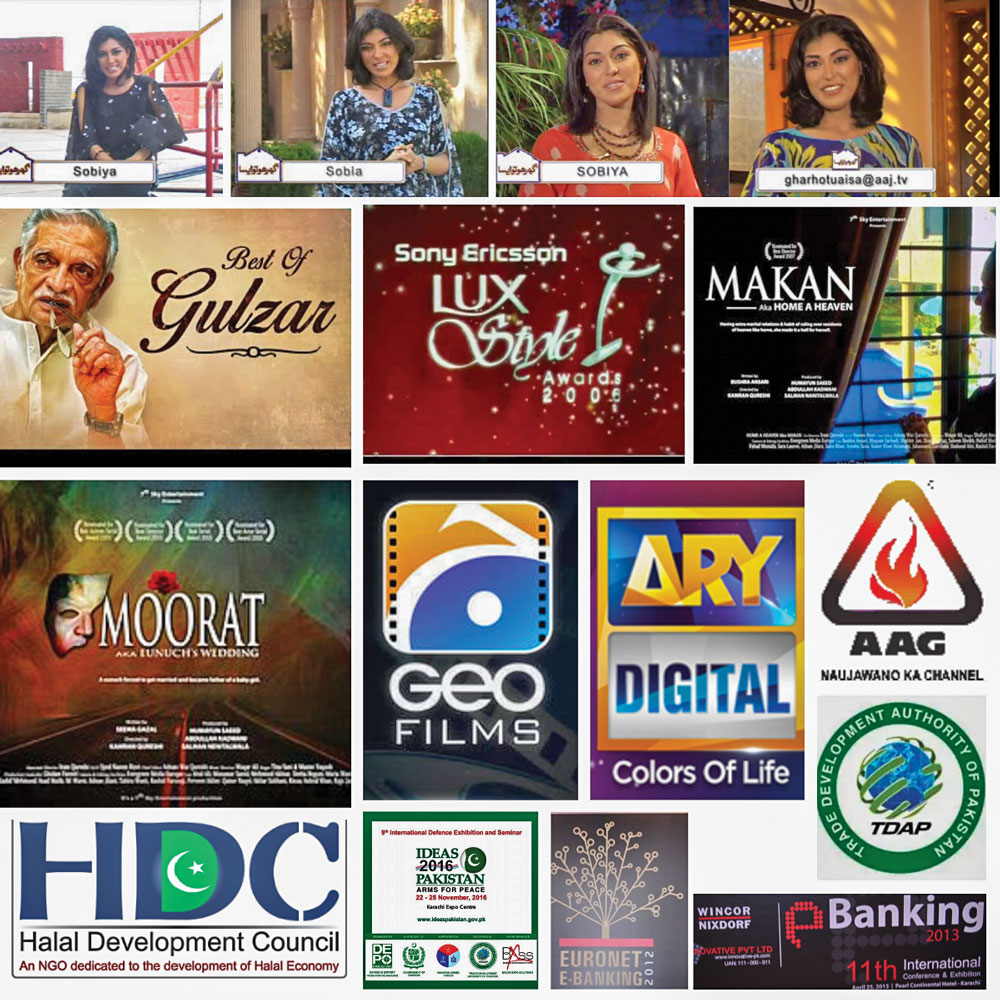
SM: Graduated from NED University with a degree in architecture and later enhancing my expertise through an MBA program tailored for emerging architects under the American Institute of Architects (AIA), my career journey has been anything but conventional. During my academic years, I was deeply involved in student events and served as a student body member. This active engagement opened up unique opportunities, starting with hosting an interior design show-my very first job. This experience laid the foundation for my career and led me to work as a production designer in the entertainment industry, particularly on period dramas for TV channels like ARY & GEO.
From there, I transitioned into event design, further broadening my creative expertise across various industries, including tech, fashion, real estate, and defense security. I contributed to prominent events such as TDAP exhibitions, the Lux Style Awards, eBanking conferences, and IDEAS. Eventually, my career evolved into IT and corporate banking, where I managed top-tier banking client portfolios. Along the way, I honed essential soft skills like crafting proposals, negotiating, delivering impactful presentations, strategic marketing, and effective sales.
These experiences equipped me with a diverse skill set and a unique perspective, ultimately enabling me to transition back into the world of architecture and real estate. My background now allows me to excel in the business side of design and marketing of real estate , combining creativity with strategic thinking. This diverse and unconventional journey has spanned 18 years, enriching me with a wealth of experience and a unique perspective that seamlessly blends creativity with strategic thinking.
HOW DO YOU SEE MARKETING FOR ARCHITECTS AS BEING SO IMPORTANT?
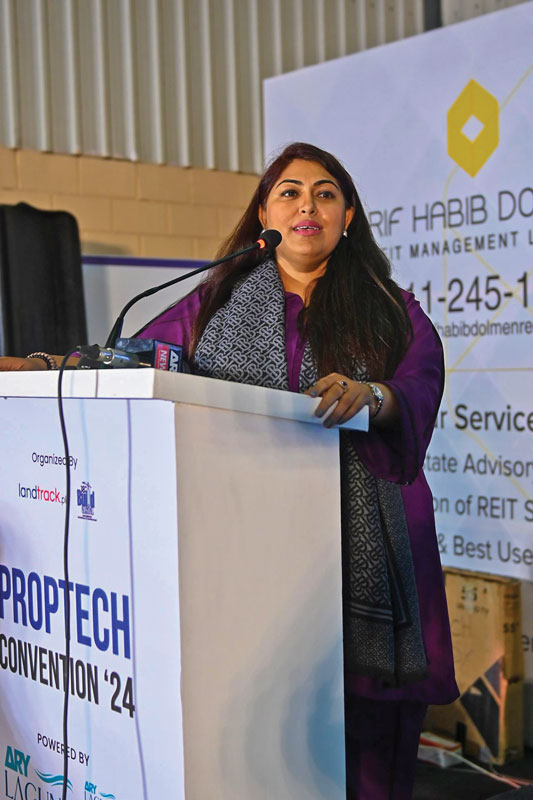
SM: Marketing is crucial for architects because it bridges the gap between creativity and visibility. In a competitive field like architecture, it’s not enough to simply create exceptional designs; architects must also communicate their vision and showcase their expertise to the right audience. Effective marketing helps architects build a strong personal brand, differentiate themselves in the market, and attract clients who align with their design philosophy.
For me, marketing goes beyond promotion; it’s about storytelling. It’s about conveying the narrative behind each project-the challenges overcome, the innovative solutions applied, and the emotional and functional impact of the design. In today’s digital age, where visuals and data drive decisions, architects who embrace tools like social media, content creation, and AI are better positioned to stand out and build trust with clients.
With my dual expertise in architecture and marketing, I am uniquely positioned to present projects to clients with both financial prospects and design narratives in focus. My approach goes beyond property appreciation and investment potential-I emphasize educating clients about the space planning, materiality, and design concepts that underpin each project. By sharing the authentic narrative behind a designer’s vision, I empower clients to make informed, confident decisions. After all, even the most thoughtfully designed projects need strategic marketing to effectively resonate with stakeholders and achieve their true potential.
Marketing also fosters collaboration. By sharing ideas and engaging with a broader audience, architects can contribute to the industry’s growth and innovation. It’s not just about getting noticed; it’s about creating meaningful connections and leaving a lasting impression.
Ultimately, marketing is an extension of architecture-crafting a narrative as meticulously as designing a structure, ensuring every detail aligns with the identity and aspirations of both the architect and their work.
WHAT IS THE FUTURE OF ARTIFICIAL INTELLIGENCE IN ARCHITECTURE AND INTERIORS?
SM: The future of Artificial Intelligence (AI) in architecture and interiors is both transformative and exciting. AI is revolutionizing how we design, plan, and execute projects by enabling generative design, optimizing building performance, and crafting sustainable solutions through real-time data analysis.
For architects and interiors, AI can personalize spaces to meet user preferences, predict emerging trends, and assist in selecting materials that seamlessly blend aesthetics with functionality. Far from being just a tool, AI acts as a creative collaborator, empowering professionals to push the boundaries of possibility.
As AI technology continues to evolve, it will allow architects and designers to focus more on creativity, automating repetitive tasks and fostering innovative, efficient workflows. This integration is set to redefine how we conceptualize and experience spaces.
I am deeply invested in this field, actively sharing insights and updates about AI tools on LinkedIn, and offering courses to equip students and professionals with the skills they need to incorporate AI into their daily creative workflows. The journey ahead for AI in design is one of boundless opportunity and innovation.


ARE YOU INCORPORATING ARTIFICIAL INTELLIGENCE IN YOUR PROJECT’S DESIGN?
SM: In today’s rapidly evolving landscape, AI has become an indispensable tool that simplifies, expedites, and enhances architectural processes. Generative AI in design goes beyond technology-it unlocks new dimensions of imagination by transforming abstract ideas into tangible visuals, even for those less skilled in sketching or visualization.
The key to success in AI-driven design lies in the Art of Prompting-precisely directing AI to achieve desired outcomes. By mastering this skill, we can guide AI as a valuable co-creator, effectively bridging creativity and execution.
I actively use AI in my workflow to create moodboards and vision boards, which serve as reference points for project architects, advertising agencies, and production houses. These tools streamline communication, maintain consistency with my brand identity, and ensure alignment across teams. AI enables projects to progress efficiently while preserving a cohesive vision throughout.
HOW DID YOU HANDLE THE STRESS OF YOUR WORK?
SM: Stress often arises when things feel beyond your control, and overthinking can be a real obstacle. The best way to combat this is to shift focus from overthinking to taking action-no matter how small the step, it helps you regain a sense of control. Additionally, traveling has been my go-to remedy. It allows me to pause, breathe, and come back refreshed and recharged, ready to tackle challenges with a clear mind.
WHAT DO YOU DO WHEN YOU HAVE SOME FREE TIME?
SM: These days, my focus is on AI. I’m passionate about advocating for its use among emerging architects and students, encouraging them to embrace AI as a co-creator. In my free time, I delve into learning about new AI applications, expanding my knowledge, and writing about branding and marketing strategies tailored for architects. It’s a blend of continuous learning and sharing insights to empower the next generation of professionals.
WHAT ROLE DO YOU SEE YOURSELF AND YOUR PROFESSION’S DIVERSITY?
SM: I see myself as a people-oriented professional who thrives on addressing challenges with creative solutions. My career journey reflects the diversity and adaptability of my profession. From starting as an interior design host and working in media art direction to being an event architect and eventually leading marketing for high-end, luxury mixed-use projects, I’ve experienced a wide spectrum of roles.
This diversity has not only expanded my perspective but also strengthened my ability to connect with stakeholders, navigate complex dynamics, and deliver innovative outcomes. By embracing and championing diversity in my work, I strive to inspire others to adopt multidisciplinary approaches that push boundaries and enrich the fields of architecture and design.
IS CHANGE HAPPENING FAST ENOUGH? CAN WE LEARN FROM YOU ON HOW TO DEVELOP DIVERSITY IN ARCHITECTURE IN OUR STYLES AND OUR ARCHITECTS?
SM: Change in architecture is not progressing quickly enough, and much can be done to promote diversity within the field. One crucial step is guiding students and professionals to explore the wide range of career opportunities architecture offers. Many graduates are unaware of paths beyond design, such as working with developers, writing about architecture, photographing projects, managing construction, or even pursuing marketing and real estate.
Architecture education should expand its focus to include exposure to these diverse paths, enabling graduates to make informed decisions about their careers. Additionally, the profession itself requires a range of talents-from creative designers to project managers and technical specialists-all of whom play crucial roles in shaping projects.
To truly embrace diversity, architects must recognize their strengths and align them with the opportunities available. By broadening awareness and nurturing varied skill sets, we can create a more inclusive and dynamic architectural landscape.
WHAT MESSAGE WOULD YOU LIKE TO SHARE WITH EMERGING ARCHITECTS?
SM: Be fearless in exploring new domains in architecture. The intersection of different fields is where innovation thrives. Stay curious, embrace technology, and never stop learning.
WHAT ADVICE DO YOU HAVE FOR WOMEN ENTERING PROFESSIONS LIKE ARCHITECTURE?
SM: Architecture is incredibly consuming; it’s not a piece of cake. Being an architect goes far beyond just designing-you need to expand your horizons and continuously enrich both your hard and soft skills. Believe in your vision and seek out mentors who inspire and guide you. Don’t let societal norms or stereotypes define your limits. Focus on personal and professional growth, stay resilient, and let the quality of your work speak for itself.
WHAT DO YOU THINK IS THE MOST UNIQUE THING IN YOUR PORTFOLIO?
SM: One of the most unique highlights of my portfolio is my role as an art director for the drama series Gulzar Classics by Mastermind Productions, written by the legendary Gulzar and dramatized by Ayub Khawar. This project, spanning three years with simultaneous on-air episodes, offered a rare opportunity to merge architectural knowledge with production design. From selecting historically appropriate locations to crafting sets that aligned seamlessly with the narrative’s essence, this experience gave me a profound appreciation for how spatial design can enhance storytelling and dramatization.

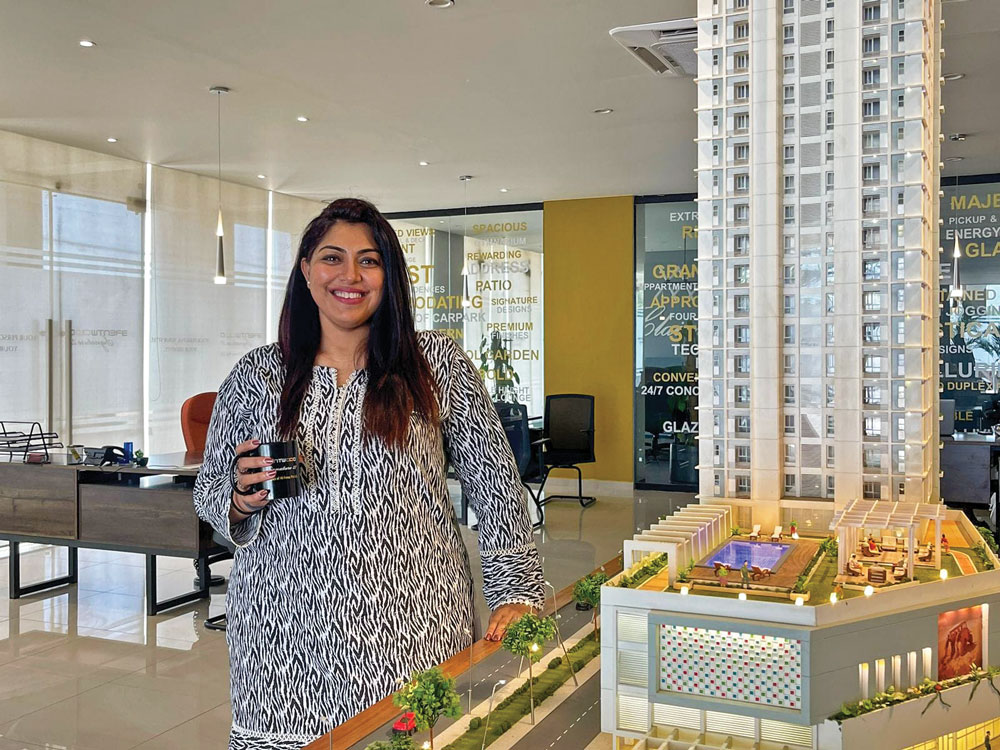
Another standout is Brentwood Signature 27, a G+30 mixed-use high-rise, along with two major schemes-G+45 and G+40 storey developments-currently underway. These projects exemplify my expertise in large-scale vertical developments, where I’ve been deeply involved from design to execution. Collectively, these diverse experiences reflect my ability to navigate industries, balancing creative innovation with practical execution while remaining focused on delivering context-driven and impactful designs.
HAVING WORKED ON DIVERSE PROJECTS, INCLUDING ARCHITECTURE AND INTERIOR PROJECTS, COULD YOU SHARE SOME MEMORABLE EXPERIENCES AND INSIGHTS GAINED FROM THESE ENDEAVORS?
SM: My professional journey has primarily involved working on mixed use development projects of significant scale, often from the client’s end since over a decade. Collaborating with esteemed architectural firms such as NBCL, LOCii, ARCOP, ARCHITEX has been an enriching experience.
As an account architect, I am responsible for overseeing projects from the design phase to completion, which has given me a holistic understanding of the architectural processes. Each project brings unique challenges, from aligning design visions with client expectations to navigating the complexities of construction and execution. A memorable insight I’ve gained is that successful projects require seamless coordination between all stakeholders. Clear communication and a focus on problem-solving are critical. These experiences have taught me the importance of adaptability and the value of maintaining a balance between design integrity and practical deliverables.