


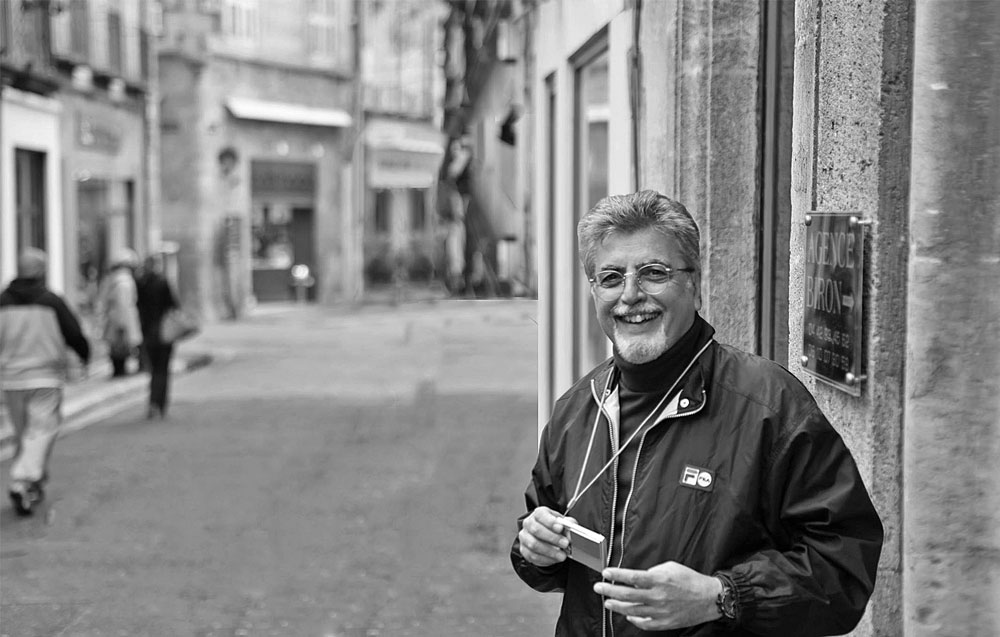
Shahid Sayeed Khan is the principal architect of Caleco Studio and the Founder and CEO of Indus Earth Trust (IET). He is also a Renewable Energy Consultant.
Shahid Sayeed Khan established IET, with the vision of helping the underprivileged build better lives. Qualified as an Environmental Architect in the UK, he pursued private practice in Scotland for 18 years. Shahid further studied building techniques in France (CRATerre) and Japan (Tokyo University). He has been a consultant to the World Bank on projects in Afghanistan -Renewable Energies, Ethiopia-Water/land management, and Yemen -Livelihood Options. He has over 40 years of experience in Architecture and Rural Development. He has been working in Pakistan since the early 1990s.
He is a member of the Royal Institute of British Architects, (RIBA), the Royal Incorporation of Architects in Scotland, (RIAS) the Pakistan Council of Architects and Town Planners, (PCATP), and the Institute of Architects of Pakistan. (IAP).
He is a Specialist in the use of indigenous materials in building structures. Such as earth and bamboo. Trained in world leaders CRATerre. France. Also, EarthQuakeresistant buildings again use indigenous building techniques. Trained at Tokyo University Japan and have worked in Zambia for the ODA (British Govt) for 3 years. In this exclusive interview to ARCHITECTURE + INTERIORS (A+i), he talks about the Earth and Bamboo Architecture and other issues.
BEFORE STARTING WE WOULD LIKE TO KNOW ABOUT YOUR ARCHITECTURAL JOURNEY AND LITTLE BACKGROUND?
Shahid Sayeed Khan (SSK): After school at the KGS I studied Microbiology at the DJ Science College. Didn’t like it. A friend of my father was an architect. Went to his office one day out of curiosity as I was trying to work out what to do with myself. People using T squares, Parallel motion bars on large boards. Became immediately enthralled. At that time -1960- there was no school of architecture in Karachi, at least to my knowledge. Father was kind enough to send me to the UK to study. I joined a college of Environmental Studies in Gloucestershire University. The concept of the environment being part of architectural education appealed to me. I got my RIBA in 1972 and worked in a firm called Robert Mathew Johnson and Patners and also the Greater London Council. Then to Edinburgh Scotland working in various firms, eventually setting up my own practise after having won three Scottish competitions. Returned to Pakistan in 1991 for personal reasons and have been practising here in Karachi since.
WHAT IS THE MEANING OF ARCHITECTURE TO YOU AND WHAT IS INTELLIGENT ARCHITECTURE?
SSK: Quite simply intelligent architecture means that it satisfies all needs of the client, climate, environment, sustainability and value for money
WHAT MAKES A GOOD ARCHITECT?
SSK: I have always taught students that to be a good architect requires just three things: Conviction, resilience and guts. These elements are apparent in the good architectural examples around the world.


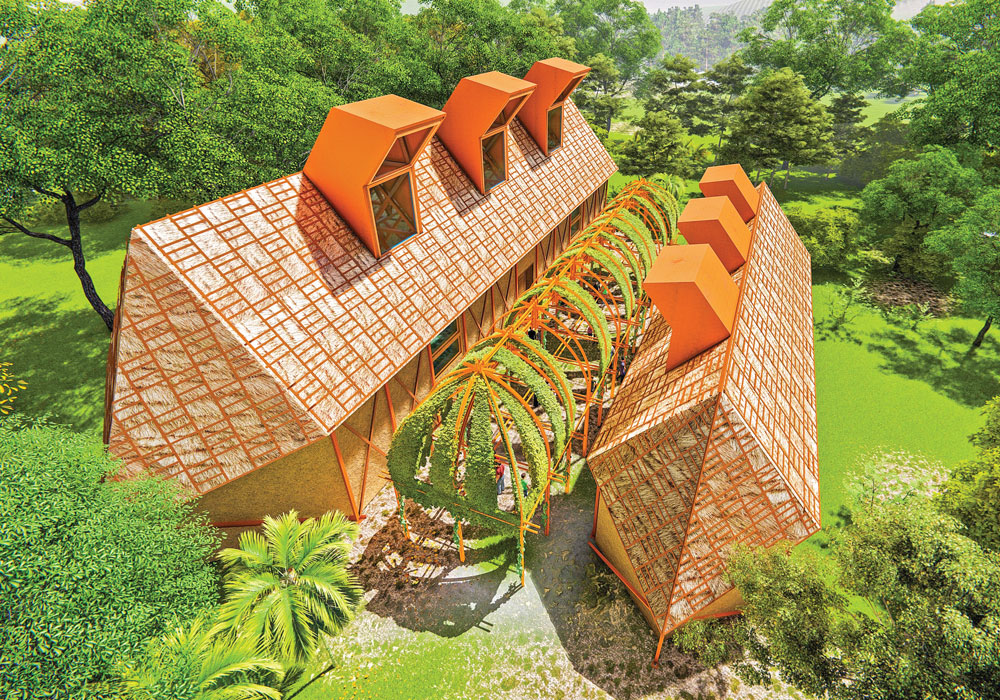
YOU ARE EXTENSIVELY WORKING AND INVOLVED WITH EARTH AND BAMBOO ARCHITECTURE. PLEASE SHARE WITH US YOUR VIEWS ABOUT EARTH AND BAMBOO ARCHITECTURE EXPERIENCE WHERE YOU HAVE SUCCESSFULLY COMPLETED THE PROJECTS.
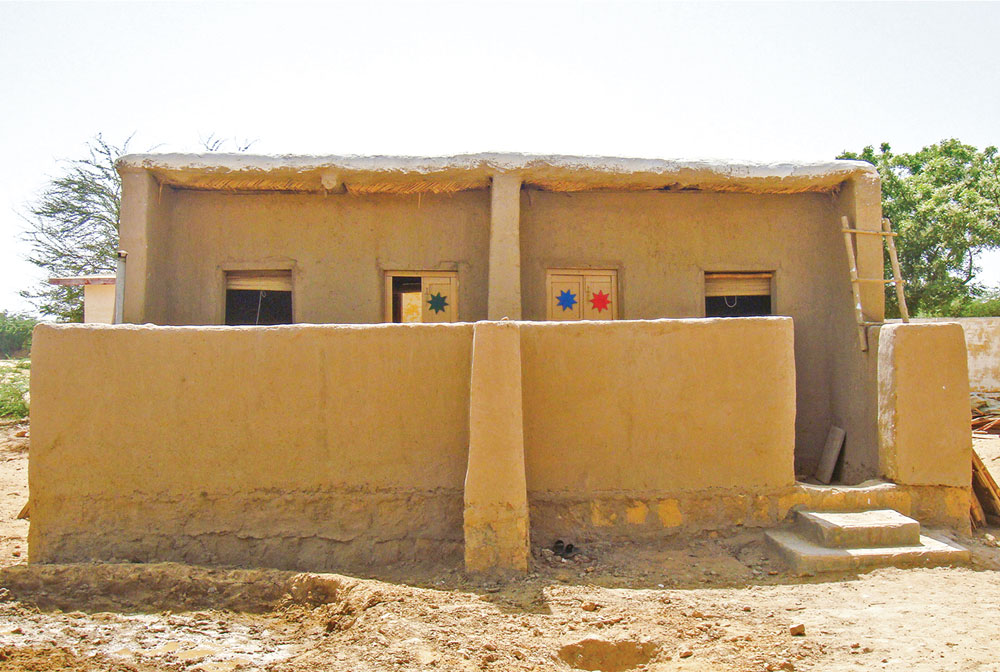
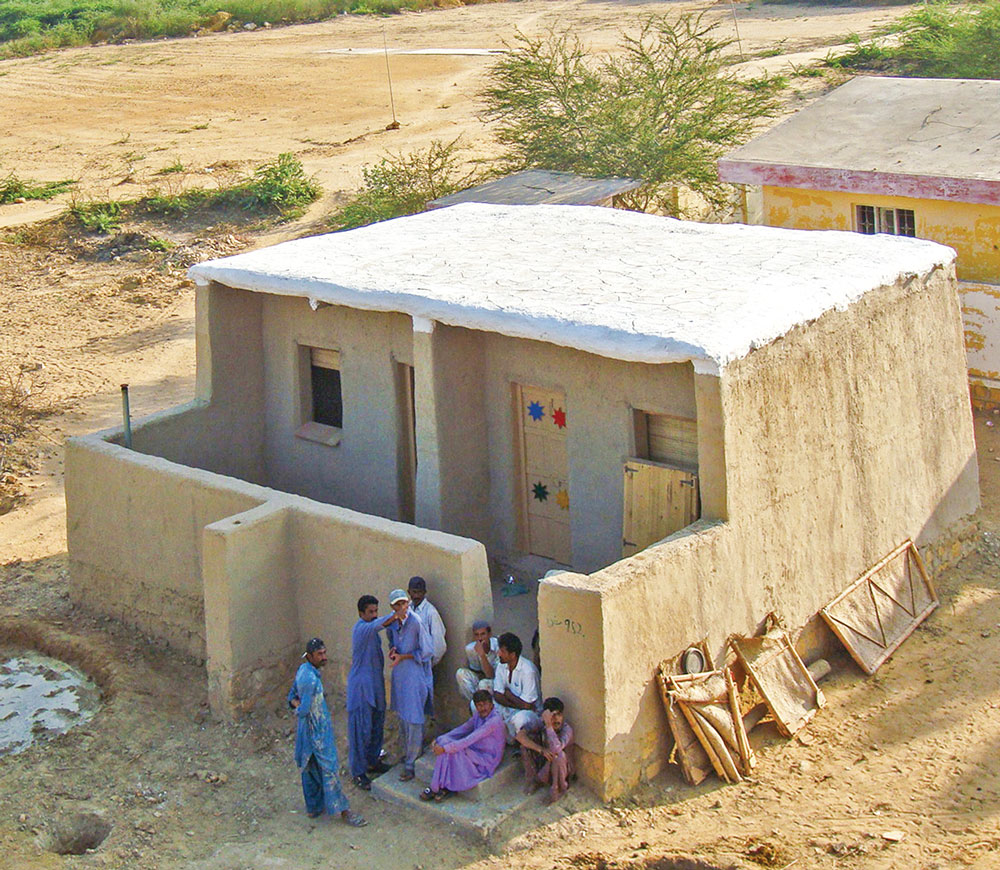
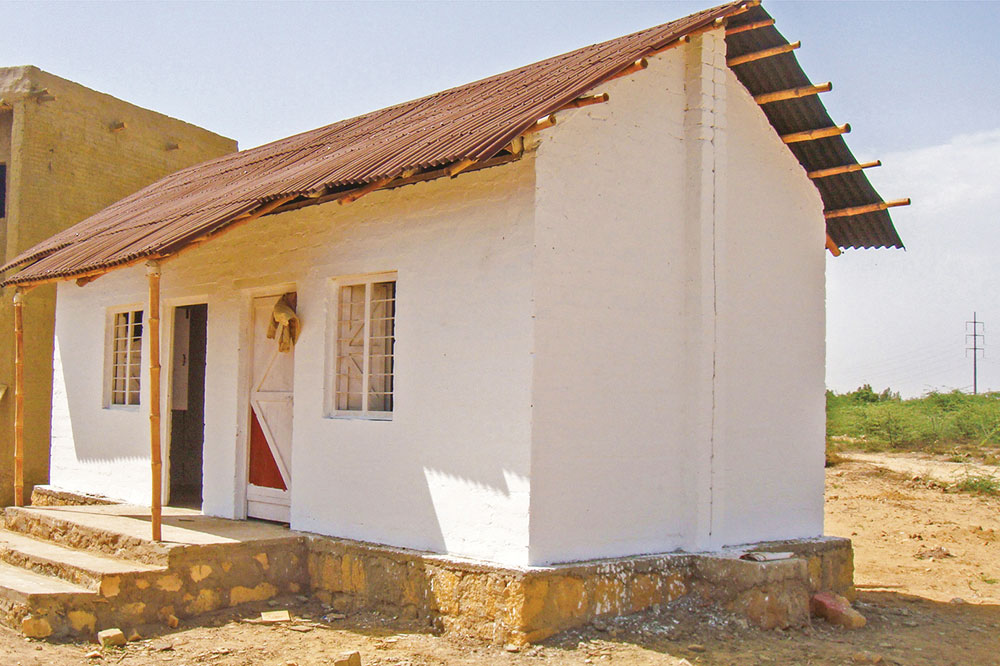
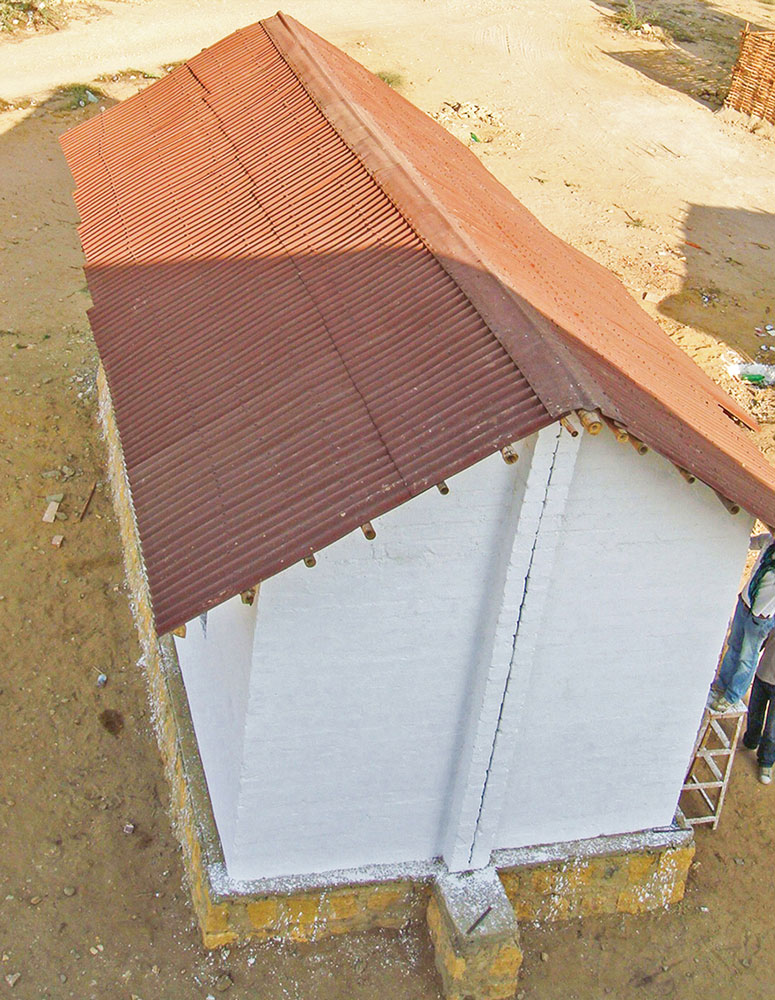
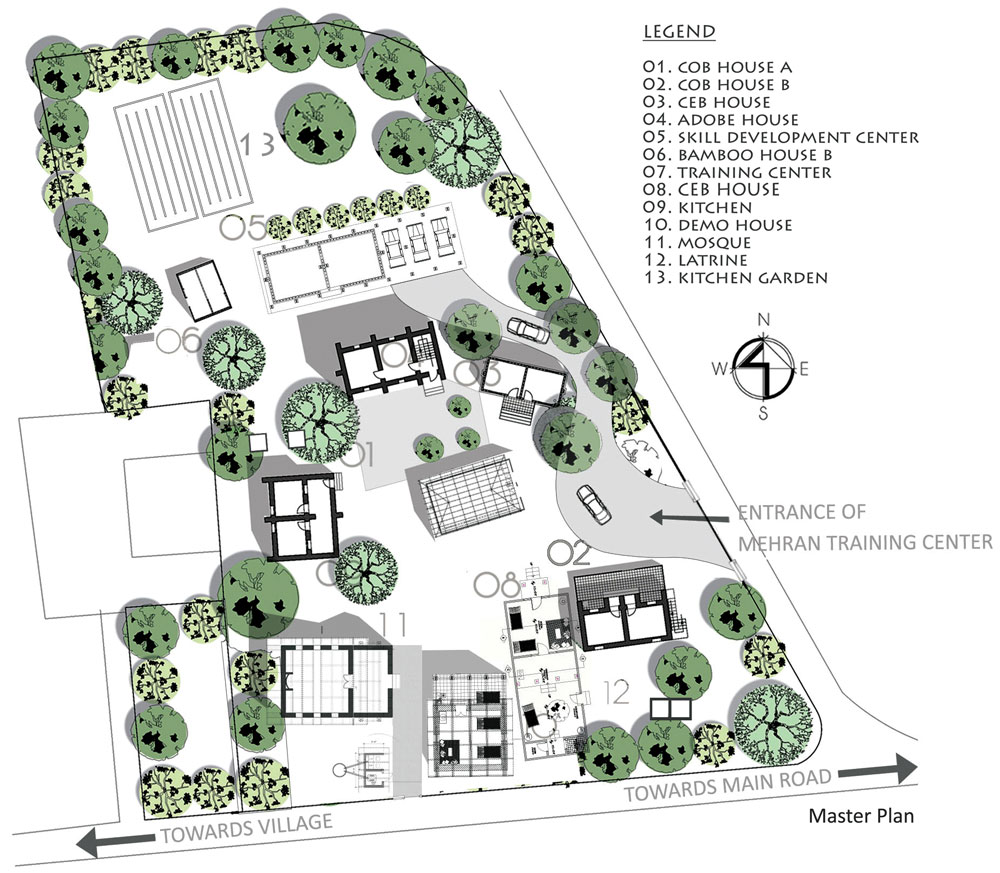
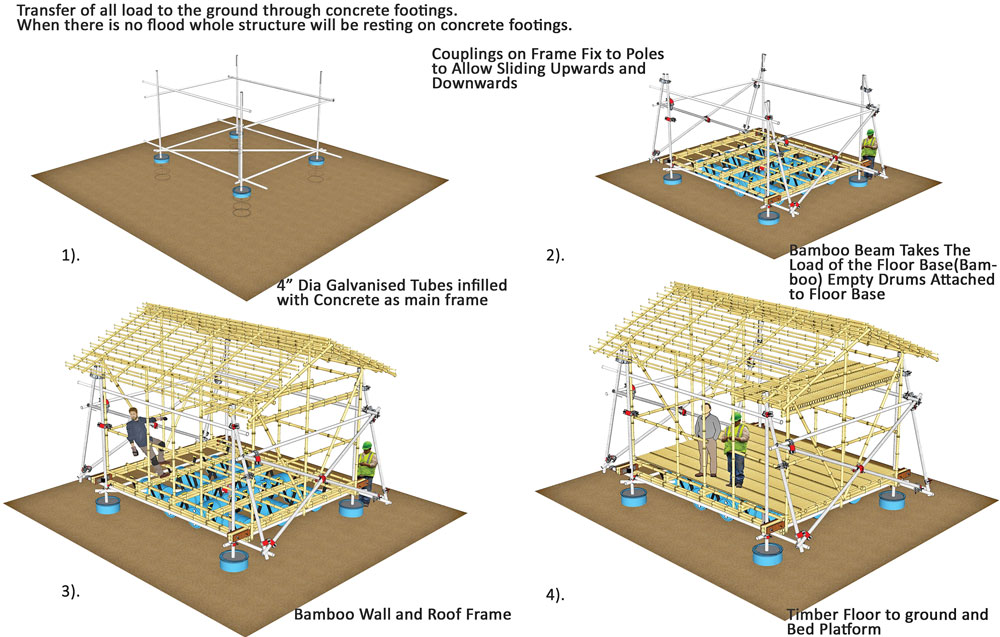
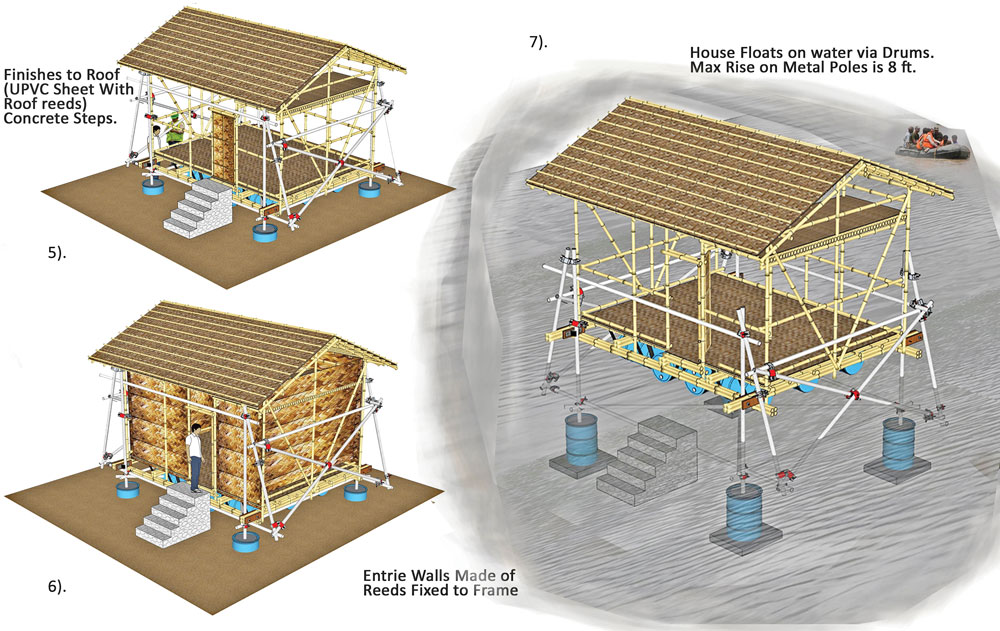
SSK: My first introduction to Earth and Bamboo use in building was when I was in Zambia. Much later on in Afghanistan, Ethiopia and Yemen. The latter had buildings 16 stories high made of Earth. So after the 2010 floods I obtained a grant from the UNDP to build various building types using earth and bamboo in Gharo. Sindh.. These were completed by 2011 and are still standing in good condition even after having been battered by heavy rains and storms. Recently I won a competition instigated by the Institute of Architects and Planners, which caught the eye of an individual who then commissioned me to build the Women’s Reproductive and Pregnancy Centre in Jacobabad Sindh. This was recently completed with a 100% zero carbon footprint. The building used rammed earth with a bamboo structural frame and thatch as a roofing finish. It has withstood the heavy rains and is being used as a shelter by the villagers whose houses have collapsed.
WHAT IS ZERO CARBON ARCHITECTURE AND WHAT ARE THE ADVANTAGES OF ZERO CARBON ARCHITECTURE?
SSK: I have been a member of the International Union for the Conservation of Nature (IUCN) for 20 years. It became apparent to me, while visiting various countries and world congresses that the most important issue of our times, and which will remain for generations to come, is Climate Change. It is a well known fact that the construction industry is one of the greatest polluters of our generation. The cement and steel industries being the main protagonists. So to help in reducing carbon emissions, we architects need to think of ways where our main objective is to protect our planet. Fires, draughts and now excessive rains have started to decimate not only our country but the entire planet earth. The time to act is now.
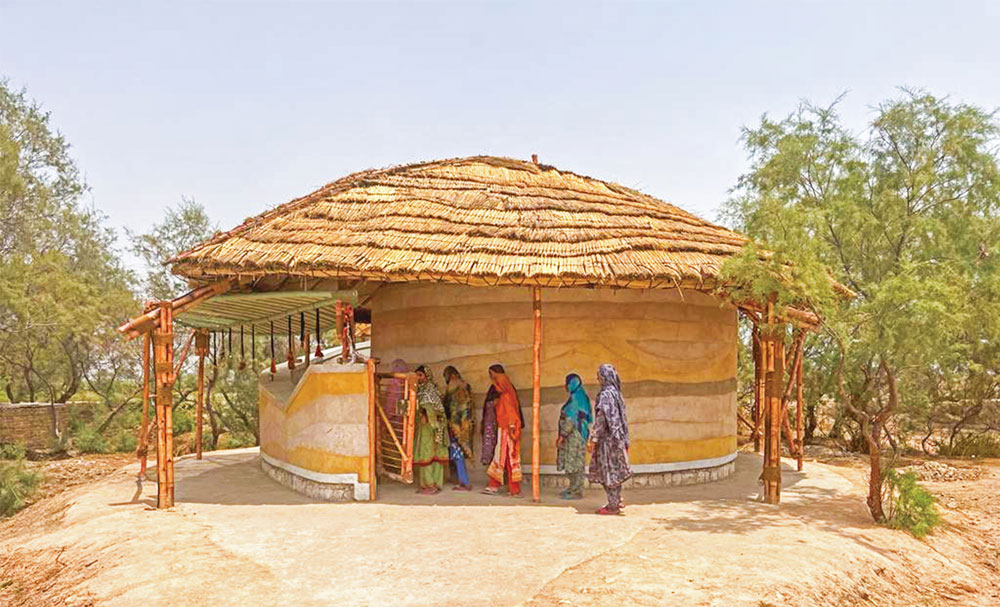

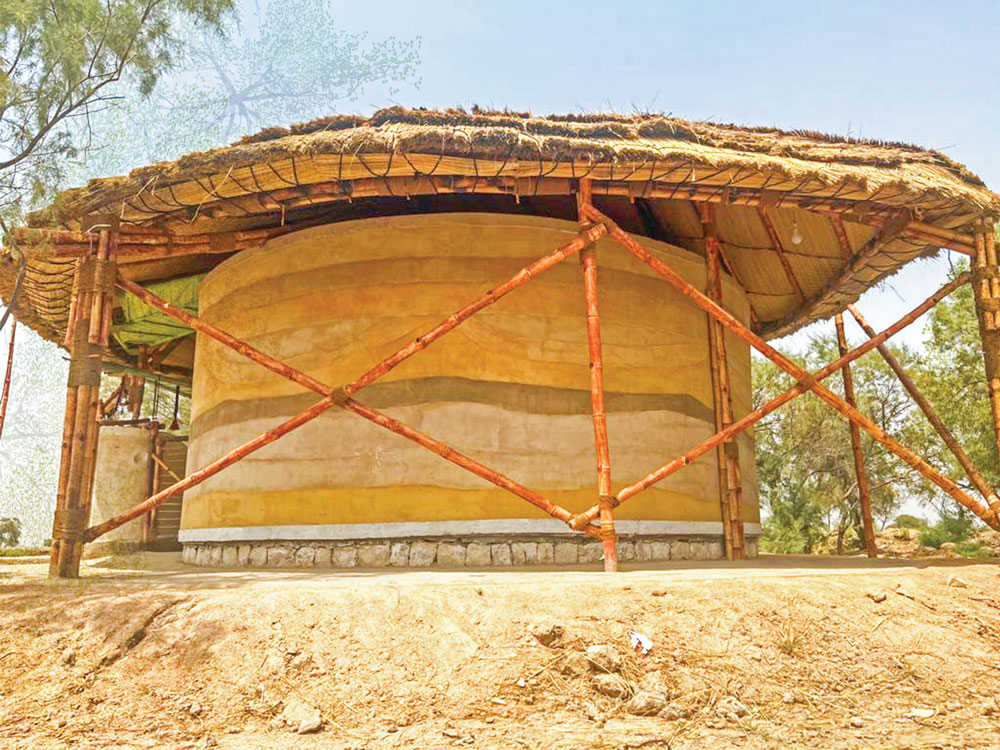
WHAT ARE THE MATERIALS USED TO MAKE BUILDING ZERO CARBON ARCHITECTURE? (PLEASE MENTION YOUR ZCA PROJECTS.)
SSK: Zero carbon architecture is where the carbon footprint of any structure is kept to a minimum or removed altogether. I have completed such a structure in Jacobabad , Gharo , Sujawal and Khairpur districts, using only stone, earth, bamboo and thatch reeds called “Sur”.
WHAT MOTIVATED YOU TO GET SO INTIMATELY INVOLVED WITH ZERO CARBON ARCHITECTURE?
SSK: As an architect I consider it my duty to not only provide an expertise learned in my profession but also to protect our environment, our eco system and eventually our only home, planet earth, without which our survival and all other species is in great jeopardy.
TELL US ABOUT THE REVAMPING OF THE KARACHI ZOO PROJECT AND HOW YOU GOT INVOLVED IN ITS DESIGN AND PLANNING?
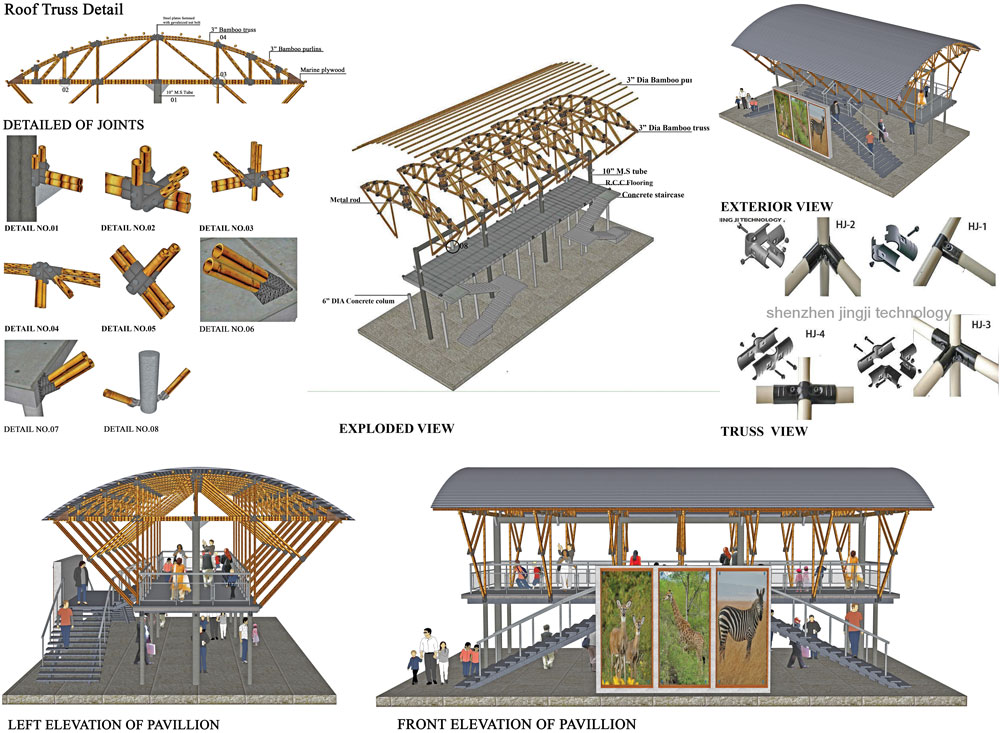
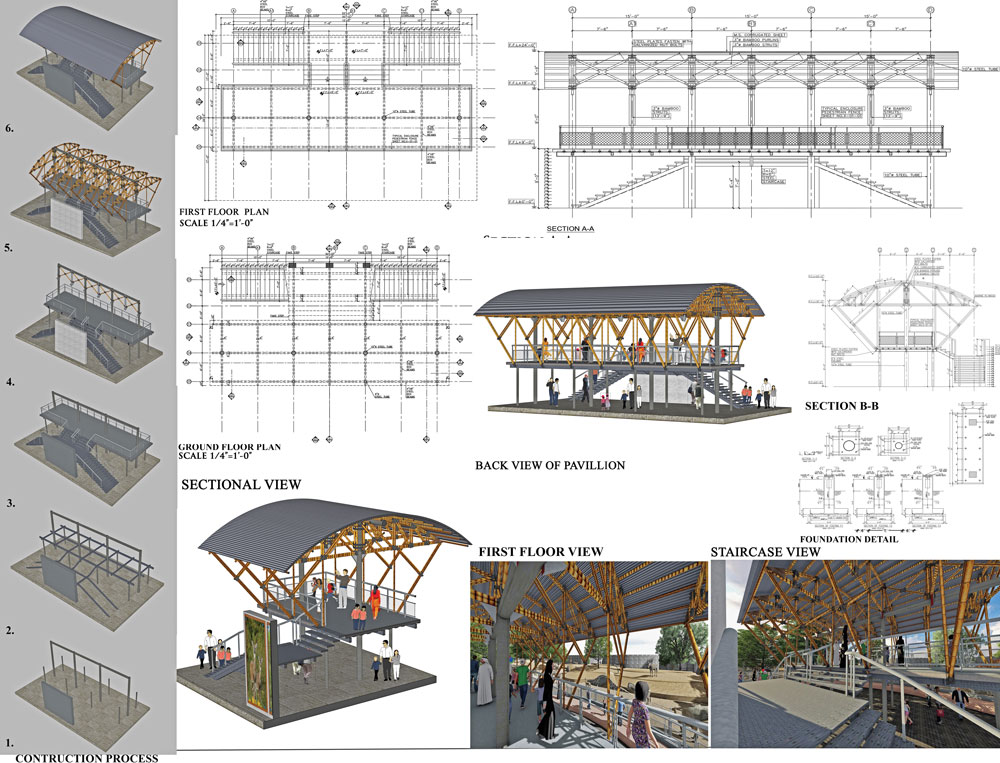

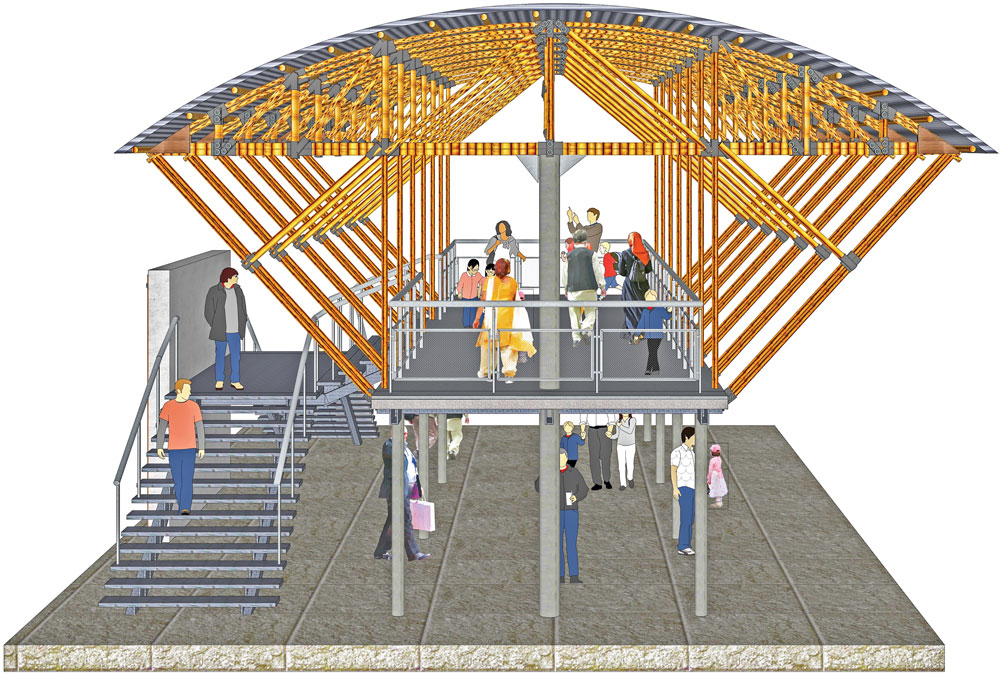
SSK: When I was first asked to be involved in the Karachi zoo, I refused. But decided to go and visit, as I and nearly Karachities must have done in their youth. It was a pathetic picture of animals in cages that made me decide that as an architect I can provide better living conditions for the animals. Samar Ali Khan ( project director) finally persuaded me to be a part of the team as project architect. The design now provides open air enclosures for every animal, except the primates, as per international standards.
THE ENVIRONMENT OF ENRICHMENT FOR ANIMALS IS VERY IMPORTANT, HAVE YOU GIVEN THESE CONSIDERATIONS IN REDESIGNING THE ZOO?
SSK: Absolutely. I visited zoos in Singapore, Malaysia, Sri Lanka, London, Edinburgh and Hawai. These examples instigated a methodology in providing as environmentally possible enclosures for captive animals.
URBAN ZOOS ARE USUALLY LIMITED IN SIZE AND HAVE TO MAKE THE BEST POSSIBLE OF THE AVAILABLE SPACES SO HAVE YOU USED THE AVAILABLE SPACE IN THE BEST WAY?
SSK: Karachi Zoological and Botanical Garden was built by the British in 1882. Then called Ghandi Gardens with an addition of some Zoological species in the 1920’s. Eventually becoming the Karachi Zoo for the public’s pleasure. The zoo is contained within 44 acres, with some extremely old and valuable trees. Each tree has been documented . None will be removed from the new design, infact some indigenous species will be added.
WHAT HAS BEEN YOUR GREATEST PROFESSIONAL FRUSTRATION?
SSK: Lack of understanding by the clients and public of the true role of an architect. We constantly get labeled as engineers. Which we are not even though our 7 years training (inUK) gives us a very good understanding of structures.
ARE YOU HAPPY AND SATISFIED WITH YOUR ROLE?
SSK: I love my profession. Have been very lucky to be able to practise in other countries and Pakistan.
Thans for talking to us!


