


Text by Tayyaba Naeem
Globally, Pakistan ranks as one of the most climate-vulnerable country, regardless of minimal contributor in global emissions. Still, the vent between climate ambition and actions crucial. As a matter of fact sustainable development is not achievable without submerging climate resilience into national and subnational policies, which may include to get hold on climate finances to subsidize green infrastructure, nature-based solutions, and community-led adaptation.
Taking into consideration, the current growing climate vulnerabilities, there is a dire need to mainstream climate action across all levels of policy, planning, and investment. Within the country confronting soar environmental stress-from high temperatures to erratic weather patterns-there is a pressing call for systemic change, markedly through climate finance and localized adaptation strategies.
As per a study report Pakistan being among the top 10 most climate-vulnerable countries in the world, has had only got hands on $250 million from the Green Climate Fund (GCF)-far behind regional peers such as India ($782 million) and Bangladesh ($441 million). This notable funding difference curbs the country’s potential to build resilience in odds with intensifying climate threats.

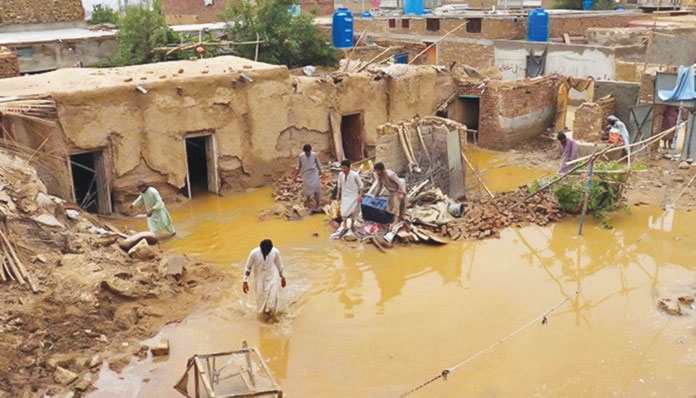
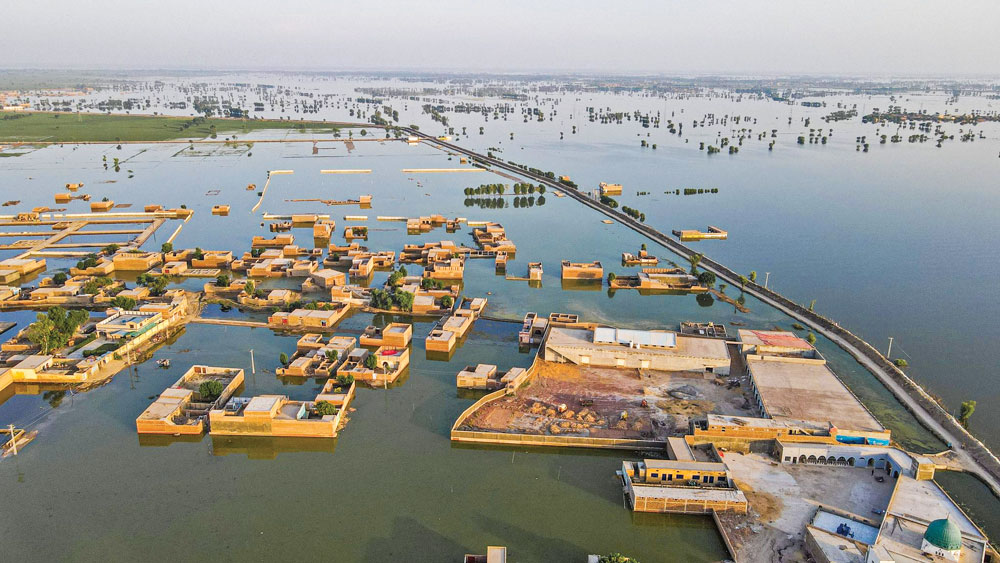
Additionally, based on current scenario Pakistan gets only $1.5 to $2 billion from international climate finance per annum. This is disturbingly low in comparison to the desperate situation. However, the country needs an estimated $40-50 billion anually to productively discourse climate change jolts. Moreover, regardless of $10 billion in vows through international community with reference to the catastrophic 2022 floods, only one-third of that amount had eventuate (The numerical data is taken from carbontrackpk).
For the specific domains like Balochistan, these apertures break into ground realities-prolonged droughts, lack of groundwater reserves, and poor harvest. The region, already come to bowls with underdevelopment is not in situation to be neglected in the national climate discourse. Tailored investments must be directed toward community-based water conservation, climate-smart agriculture, and resilient urban infrastructure.
Furthermore, well defined approach is must to bridge the resource gap with the help mechanisms such as green bonds, climate risk insurance, and international climate funds. Nevertheless, approach to such finance be purely based on transparency, needs-based, and equitable. In addition, building up institutional capacity at the provincial and district levels is a prime factor to enhance that climate finance into real, on-the-ground impact. Last but not the least, public awareness and community engagement have a vital part in nourishing climate action. From students to farmers, every stakeholder must be equipped with enough knowledge and tools to adapt. These Platforms will help in demystifying climate policy and finance for the public, turning complex global discussions into actionable local strategies. As climate threats continue to intensify, so our acts-urgently, inclusively, and with long-term vision.


