


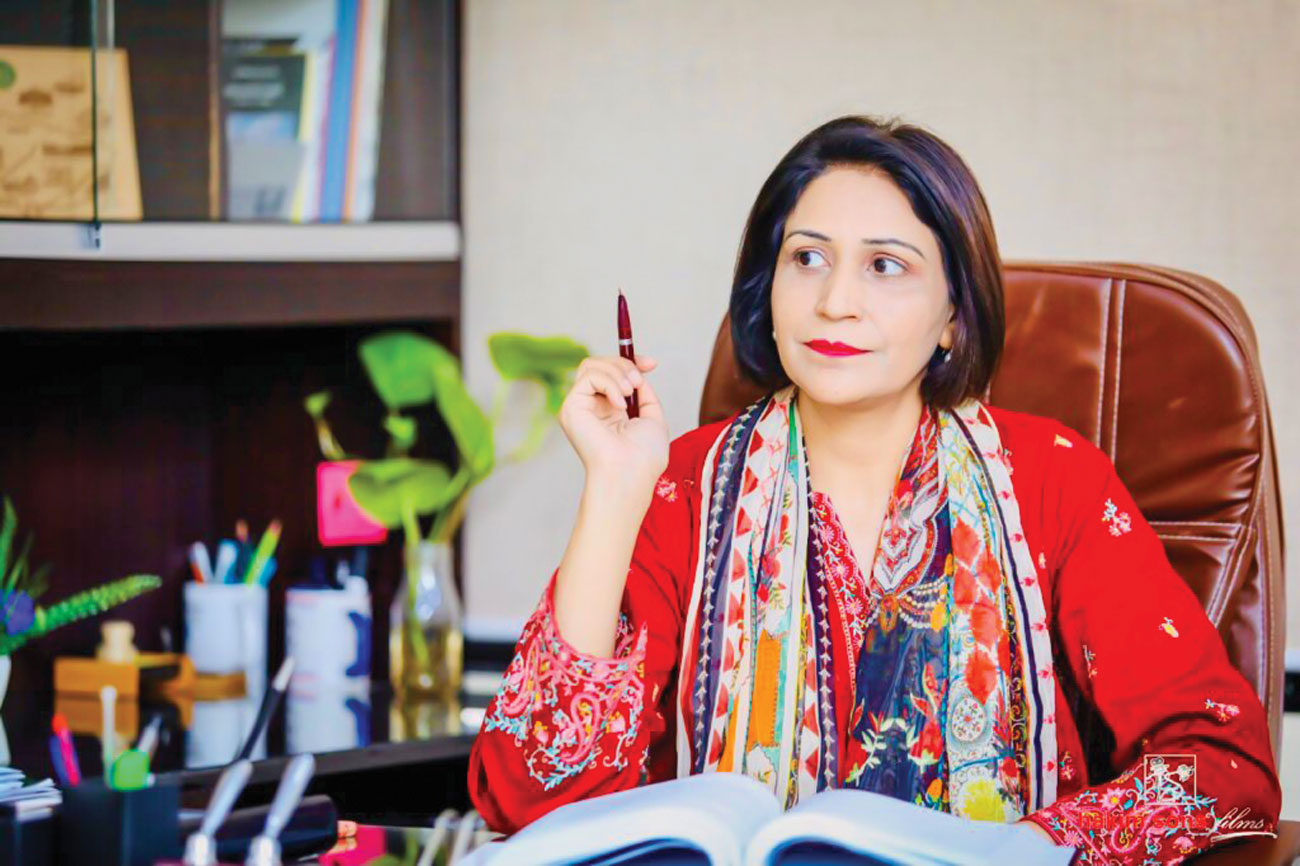
ARCHI TIMES (AT): Tell us about your education and journey in architecture.
Prof. Dr. Yasira Naeem Pasha (YNP): I started my education in Architecture in 1995, when I got admission to the University of Engineering and Technology, Lahore. It was a time when going to Engineering University was my biggest aim and my parents were always encouraging. They not only endorsed it by all means, but they also set a very high bar for all of their kids when it came to education. I was guided and yet given the freedom to choose between disciplines. My father, an aeronautical engineer, and my mother an education officer developed a strong base for us by exhibiting balanced professional and family life. While my father’s wish was to see me as an Army Doctor, my mother wanted me to be a strong lady following my dreams. I started studying at UET Lahore with this strong support that always backed me up in a true sense. Being attached to the family, it was natural and a bit difficult to stay away and live in a hostel in another city but fascination keeps one tagged to the aim. Studying architecture was my choice. When I got admission to Chemical Engineering at the University of Punjab, Civil Engineering at UET Taxila also, I chose architecture as I was always interested in the mechanics of design. Knowing how a design is developed and executed was always interesting to me.
It was during my undergraduate education in architecture, that I got married. My husband is a chemical engineer by profession was another encouraging figure in my life. He always supported me in my academic, professional, and family life remarkably and extraordinarily. It was after my undergraduate degree that I started working with Interwood as an architect/designer. Meanwhile, I got the opportunity to work with the Dawood College of Engineering and Technology in 2003. During my initial time at Dawood college, I was also associated with the NED University of Engineering and Technology for working as an assistant architect on the restoration project of the old campus in Saddar, Karachi. I also taught in the Architecture Departments of the University of Karachi and NED university for not much longer times but at intervals and in different capacities. It was after acquiring my Master’s degree, that I was more inclined towards the quest for wider knowledge areas in architecture. Therefore, my mentors guided me to pursue a doctorate. So, I continued my pursuit of study in architecture and chose architectural education for a doctorate in Architecture.
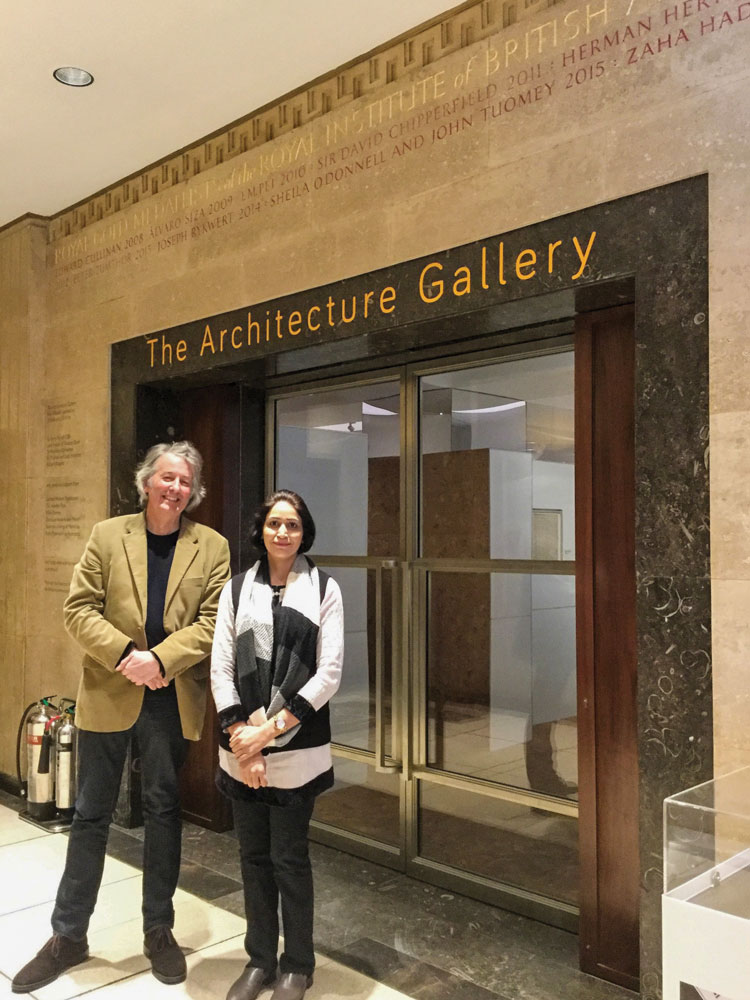
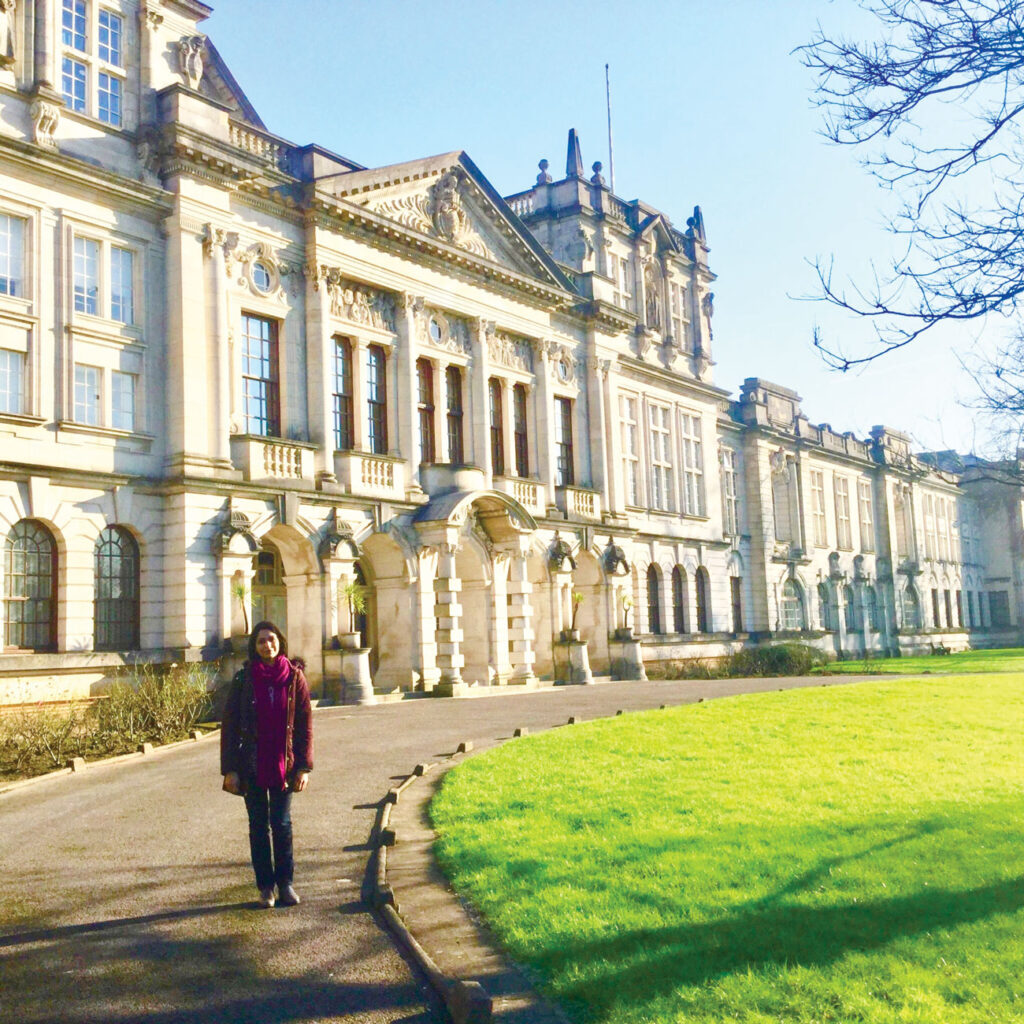
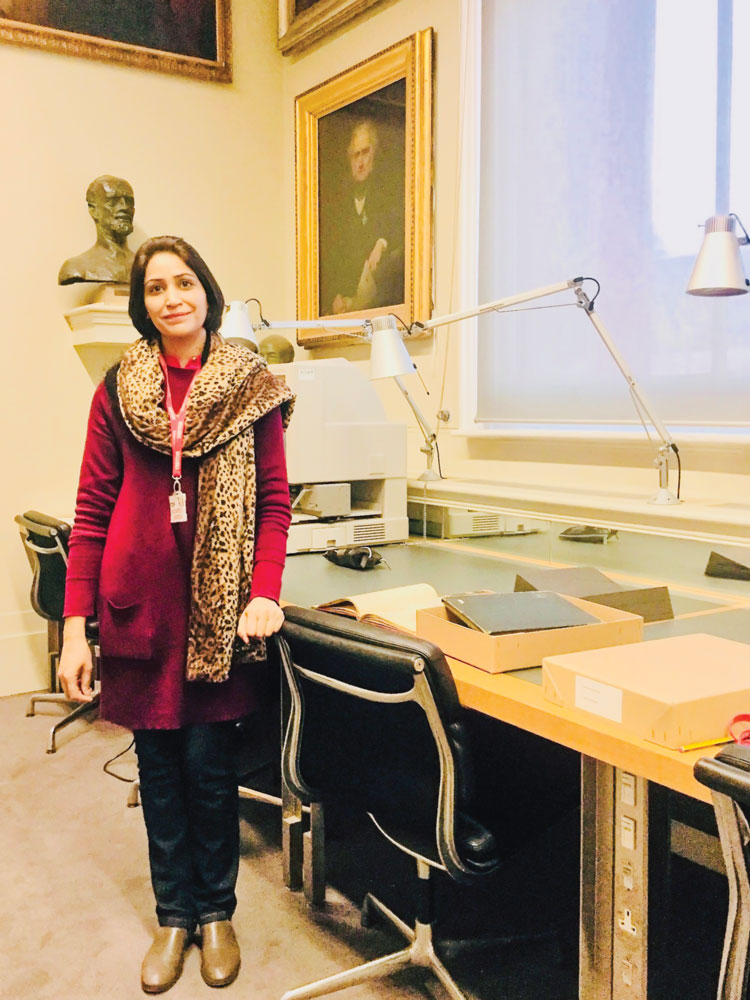
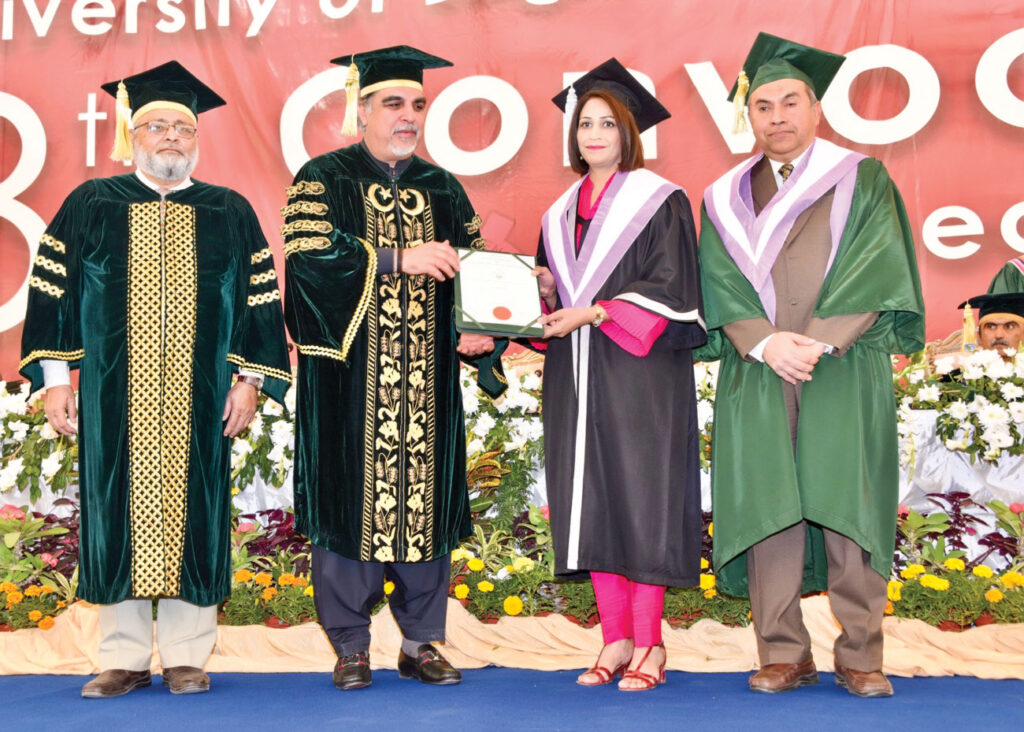
Pursuing a doctorate in Architecture was very interesting. I had to travel with my kids to the UK and Turkey, while my husband was also traveling at the same time to China for his professional assignments. It was undoubtedly a task and a half to keep myself motivated while being away from home and accomplish the required within the due time anticipated. The research work was indeed very promising and kept me thoroughly engaged during that time. I completed my doctorate and joined back in the Department of Architecture and Planning, at Dawood University of Engineering and Technology, Karachi. I was awarded the first-ever degree for a Doctorate in Architecture by the NED University of Engineering and Technology, since its inception.
AT: Who was your role model and what compelled you to pursue the profession of architecture?
YNP: It is always very difficult to choose your role model when you are living a very vibrant, composed, and blessed life with so many accomplishments around you. It rather becomes an open palette to pick and choose certain goods and bests from many people around you at the same time and compose yourself with the traits that you choose in life. This ultimately makes a model role within oneself to be exhibited. I strongly believe that it is not the role models who inspire people, it is the inner instinct that is developed or demolished with time. It is always an inspiration that attracts a person. We, as a part of society, get inspired by the traits, customs, and norms and hence develop our values. Having said that, I was always blessed to be inspired by my father who as an aeronautical engineer by profession was always into the design of everything. He used to teach us the minute details of the design of the smallest things around. My Mother, an education officer by profession, used to teach the application of certain phenomena from Quran in the daily life. I think that this is all about the theory of life. If you know these two basics; you can develop your value system and design your life accordingly, and these values ultimately become your role model in life.
I have realized in life that my degrees appear to be very small ventures when I look at the values which my blood carries. I have been raised with many higher degrees of values which my parents have taught me.
AT: What reforms and initiatives have you taken after assuming the Department of Architecture chairperson’s office for the betterment of Architectural Education & students?
YNP: Before, I assumed the chair of the Department of Architecture and Planning, I was lucky enough to be surrounded and well-trained by mentors and I was provided with several opportunities to work with them for many different portfolios in the department. This time provided me the opportunity to find new possibilities and analyze thoroughly to find out solutions in every thick and thin for the larger benefit of the department. There was a time when there were only five faculty members including the chairperson. These tough times were learning.
When I assumed the department as a chairperson, I tried to adopt a novel approach for the department considering the need of the hour. This approach was not drastic but was well-integrated and strongly rooted in the vision of the department. It was well realized that there is always room for innovation and several possible ventures were explored. Some of the most prominent measures that have always been on my priority list were curriculum development, conducting seminars for students, faculty exposure, and liaison with other architectural schools. I started the lecture series, Design Spectrum back in 2007, which is now a regular feature of the department wherein notable architects and other relevant people are invited to the department to share their work, ideas, and thoughts with students and faculty. Faculty training opportunities are also inducted at appropriate intervals.
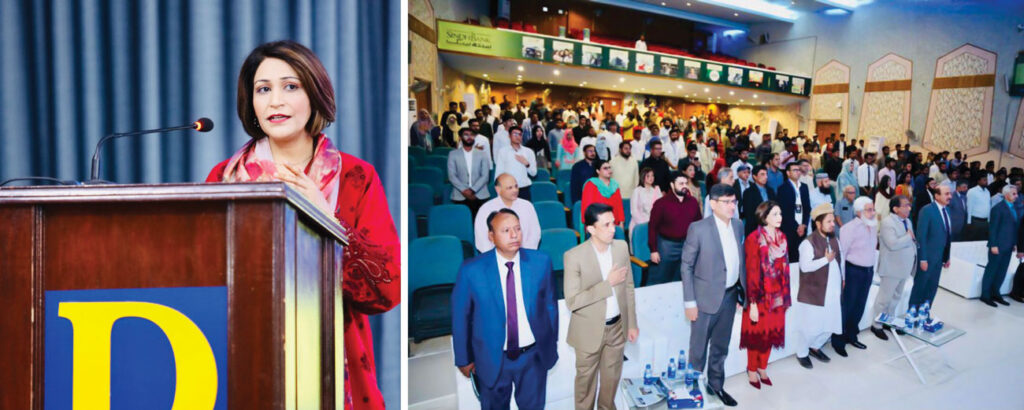
Keeping the department aligned with the slogan of the university which is “University of Relevance” is also considered an important factor while moving towards excellence. Therefore, the department now strives to collaborate with different fora at national and international levels in order to serve society and contribute at the level where the architect can address the issues and be a solution provider for society.
Another initiative taken is the establishment of the Research Cell of the Architecture Department, RCAD as an accomplishment of the same vision for the department. The cell strives to explore certain issues of society through grass root research and proposes its solutions in terms of innovative design. It is also developing a database for the department to be used in the times to come. All of the faculty members are involved in the research work in one way or another other and they are encouraged to do so. The process of inducting newer subjects in the curriculum is also a part of this strive as the context-sensitive approach is adopted to propose any innovation in the curriculum according to the strength of the faculty.
Another important step taken is the graded internship program in the department. The students are not only graded for their internships in architectural offices but they are also graded if they are working in society for any type of task that helps towards a positive contribution to society. This has been started in the department knowing the factor to utilize the best energies in students and also to enhance the multi-directional approach of architectural studies that has to surface out according to the requirements of the contemporary times.
AT: What motivated you to get so intimately involved with Architectural education?
YNP: Architectural education has been always magnetic for me ever since after acquiring admission for an undergraduate degree course. The core reason for this was the capacity of architectural education to accommodate a full pallet of colors in itself to offer a student. I was always fascinated by the vibrancy and holistic constituency of the courses that architectural education includes. While there is a mathematical approach that this discipline includes, which requires very logical, fixed, and concrete solutions by formula, at the same time, it also exhibits a very softer side of the provision of a solution to the same problem wherein, the imagination rules. This has always been an attractive phenomenon for me when I can see the depths and widths of certain laws of nature and their derivation designed for this planet. This was the core reason for my pursuit of a doctorate in architectural education. This revealed many aspects of architectural education which were dealt with as a set of information till the master level. The research during the doctorate broaden my vision in terms of knowing the composition and application of architectural education in many allied disciplines. It is quite interesting to know the dissemination of architectural education as a well-integrated discipline within the education system of society. The applications are widely noticeable.
AT: Pakistani Architecture faces the dilemma of Non-contextual architecture. Do you think it is because of our Architectural Education System? What are your views and reasons?
YNP: The architectural education system in Pakistan has undergone very thoroughly devised mechanisms. The process has involved major stakeholders including the Higher Education Commission of Pakistan. Being a part of academia, I can safely say that students are well taught regarding the context-sensitive approach in design. Having said that, there may be other reasons for directions towards a deliberated ignorance about the context-sensitive design approaches. There are some factors, at the same time, that are facilitating the overlooking of disregard for the context. One such reason is the client-guided practices in the country. Consumerism in every stratum of the world has affected almost every field of life. While this stands valid for the architecture also, at the same time the client in today’s architectural practice has been overloaded with a lot of information around and thus defining certain standards of self-devised comfort levels. In this equation, the context has not been positioned appropriately. The academic levels of the students are inculcating the importance of context thoroughly, while students face hurdles in its application. Another reason is the general acceptability of such kinds of projects that disregard contextual factors. Generally, the inhabitants in a particular society tend towards accepting the modified usage of non-contextual architecture causing the wider spread of such kind.
AT: With your vast experience working in several academic institutes, what is your opinion of Architectural education in Pakistan?
YNP: I believe that architectural education in Pakistan has undergone several stages that have polished the process. While the architectural schools in Pakistan have taken the liberty to develop in their own school of thought and ideology, there are some stagnant areas that may be considered for restructuring. We are more than 100 years away from Bauhaus wherein the basic design was simplified and has still been dealt with as a mandatory factor of design teaching in architecture. Pakistan is not the only country to adopt this model and there is no harm in moving on with this, yet this model cannot be considered with the slogan of no room for change. I strongly believe that in this era of a multidisciplinary approach, architectural education must be inclusive of some allied and tangential aspects of practice. Architects must be trained in a manner that grooms them to be an active part of society. Architects must have the capacity to be diffused in society not only through their design potential but through other developed senses that are inculcated in them through their educational process. There are many good examples of architects performing in different professions like dress designing, entrepreneurs, animators, social activists, environmentalists, etc which depicts the true potential of architects. This trait is so well-knitted in society that such architects have accomplished a very well-accepted position in society. Architectural education in Pakistan has a wider room to innovate and explore in many possible ways.
AT: Do you think architectural education in Pakistan today is ready to prepare students for the architectural profession?
YNP: Architectural education in Pakistan has never been a stand-alone entity. It has taken reflections from British and Turkish architects to name a few in the past. This has notably been visible in the built environment of Pakistan. In the new contemporary times especially in the past few decades, where the bologna accord and the Washington accord have intervened in architecture and other disciplines, there is a need to analyze whether such interventions are fit for us or whether we need to explore more before we simply implement these. In these current times, environmental and cultural aspects of architectural education have been intact like never before. Architects must now be prepared with the provision of enough liberty to apply their design education to any offshoot they want. The implications of a skill set provided to young architects appear to be a bit insufficient according to the challenges that they face in practice. It is a two-way equation, wherein the academia produces the techno group and practice delivers to the society. Therefore, considering architectural schools at the centralized position raises expectations. Specifically, the insight of Pakistani educational schools shows that most of the schools for architecture are inclined towards very innovative approaches. They strive to create novel approaches to meet the needs of society. I think this may be one of the reasons that schools always try to exhibit their best aptitude through their students. Many Pakistani students from schools here compete at several national and international design competitions of different natures and often get recognition. We need to understand an important element of trust here. Practicing field of Pakistani architecture is equipped with local architects at their grassroots who work diligently to make a practice succeed. Having known this fact, there is no good reason to criticize architectural schools once the practicing field utilizes the same graduates. In fact, it is the responsibility of the practicing field to integrate with schools being a part of the process to groom the students making them the type of graduates they require to have in their practice. Unfortunately, the role of practicing architects at the evaluation level of schools is very superficially fabricated, while they are not a part of the academic process. This makes both parts of the equation alien to each other and they do not resonate with each other on many grounds. This dilemma can be avoided not only by dialogue but by the incorporation of academics while settling the structures/modules of such evaluations.
AT: What differences have you observed in the education system in Pakistan and Overseas?
YNP: I feel that it is not a fair idea to compare any educational system prevailing in two different parts of the world. The main reason is different contexts. While one system is developed over a set time period in Pakistan, the other system in another country must have undergone totally contrasting situations. And this phenomenon is very natural. It takes a different set of societal styles, and cultures, and established and adopted systems of primary, secondary, and higher education in different countries. Any modifications, adoptions, or inspirations that are likely to be introduced in another country must be thoroughly worked out before implementation. We as a nation always have a strong tendency to get inspired by any other country and this tendency helps contribute to overlooking our own strengths. At the same time, I think that the education system in Pakistan has to go a long way. It has a lot of basic discrepancies that become strange when the country has countless academicians in all disciplines.
Talking particularly about architectural education, my experience is that every country has a set of complaints about their education system and even in the practicing field also. One of the reasons for this fact is that we always want to strive for better by virtue of human nature. Academia wants to innovate and practice wants to respond to consumerism. This situation exhibits a very fine line of difference between profession and academics. While academia is producing for the practicing field, the practicing field produces for a client, which is society. It is very unfortunate that the architectural education system in many countries has some identified gaps that can be addressed at some basic levels of the system, but these are still overlooked. For instance, the unification of a number of years for the undergraduate in architecture has been under debate for quite a long time in the UK. The country now offers different modules, of three to seven years. In contrast, the rest of the world adopts the old model of four to five years for undergraduates. In the same country where AA school trains architects through their inclination towards, skills there are schools like WSA which talk about Welsh culture more in their program. Turkish architects have reservations about a stagnant design approach and the provision of less room to innovate. They have been trying to address their concerns both at academic and professional ends. Several schools in Turkey carry very tangential curricula and yet produce the same built environment which theorists ate criticizing. With changing trends in experimenting the architectural education systems around the globe, there is no harm if we in Pakistan allow the schools the freedom of deciding their own program structure without keeping them into fixed guidelines which reduces their capacities and suppresses their aptitude. There is no harm in producing an architect with a vibrant dress designing skill or environmentalist for the very fact that “To Design” is the core idea for architecture.
AT: In Pakistan, during the last few years almost 35 Architectural Institutions have come up. Do you think there is a need in Pakistan for so many schools and are you satisfied with their standards and accreditation?
YNP: The establishment of new architectural schools is a reality that should not be seen from the prism of criticism only. While we are living in a country where all strata of life are under development then the education sector must also be dealt with the same. It will not be a good idea to stop the growth of new architectural schools, but at the same time, the quality cannot be compromised. This is equally valid for old schools as well. The new and old both types of schools must strive for quality enhancement and must bring up reforms that are deeply rooted in them for their particular setting in their province/ area. This includes the considerations for invigorating faculty and student attributes and thus preparing the students to meet the trends in the practicing field. I have been very positive about the rising number of schools by considering it as an opportunity to create awareness about different capacities of architectural disciplines, there is just a need to properly streamline the whole academic setup without discouraging any school. I don’t find any reason for abandoning any educational institution provided it contributes to quality education. The fact is that a smaller number of schools in architecture will not ensure the quality of the already existing schools. Having known this, a few of the novel ideas can be tried. For instance, provision of wider room for schools in terms of induction of faculty including academic professionals as well as practicing professionals, some schools can be established with a focus on allied skill sets like woodwork design, and animation design. Landscape design, interior design, environmental design, etc, and some schools can adopt the apprenticeship model of direct hands-on practice associated with practicing offices under the supervision of practicing faculty. There can be several other options when the sky is the limit. Another angle of looking into this situation in a positive way is that Pakistan needs more awareness in the field of architecture, and if our client is customized to look for a different and affordable architecture then architectural schools can accommodate the different requirements of the clients in their own specialized manner. Therefore, more emphasis can be given to enhancing the quality of the increasing quantity.
AT: What are your views about the role of PCATP & IAP play in the betterment of Architectural Education in Pakistan?
YNP: The roles of PCATP and IAP have been defined separately. We have seen very effective positions of both bodies in recent past years. Both have been working for their membership in several aspects. The role of PCATP is not only related to architectural education and so is the role of IAP which deals with other international institutes of architecture. The important factor is that both bodies have not been integrated at the formation levels of the core of the educational process. It only becomes visible when it comes to the evaluation of schools. This proves to somehow superficially fit the role in this way. Had it been through an intricate manner where the schools are given an autonomous field of work starting from admissions and then the council to be reported through the higher education commission, the quality of the process of evaluation would have also been raised and enhanced to another stage. The mandate of the council and Institute needs to be revisited after thorough consultations with academicians and practicing professionals separately for their respective domains. Trust deficit in schools must be overcome. One day evaluation process of schools does not give a full insight into the schools and that is how it becomes unfortunate in many cases to see the result of all efforts that a school may be doing in difficult circumstances.
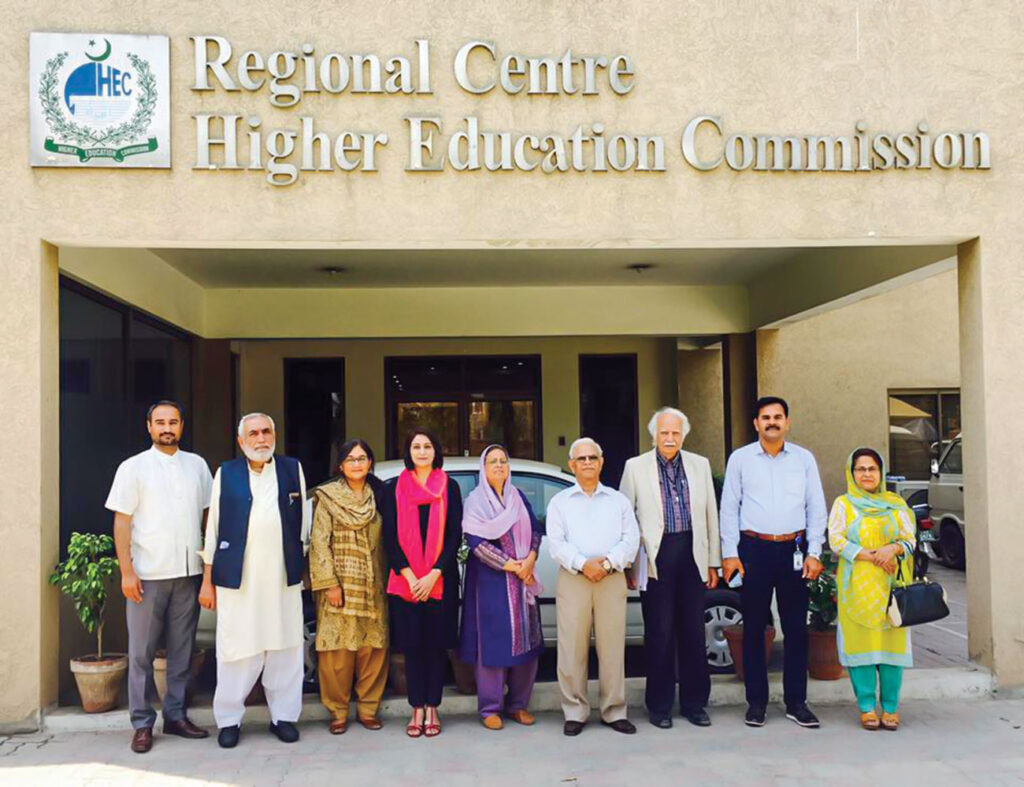
The institute of architects having an academic wing as the Board of Architectural Education (BAE), can work in a far better mode than it is performing currently. The fact that PCATP and IAP collaborate with each other is a concrete one, yet there is a need to take on board the academic sector to lead towards some substantial output. The results can do wonders If the process has an inclination towards consulting academia regularly and especially at the time of setting up any modalities. In this regard, another important factor is the contribution of the Higher Education Commission of Pakistan (HEC). The deliberations of all three fora are more focused on the foreign imitations of modules, that are misfits for our country. There is a need for the realization and then implantation of producing indigenous academicians and developing such indigenous modules that are deeply rooted in our culture and style of the nation. The label of “foreign” sounds outdated now when we are living in a global village breathing in a post-modern era. It appears unfair when foreign qualifications are given priority over local and at the same time these qualifications are expected to address local architectural issues. Amazingly, the “foreign” models of producing graduates and post-graduates have been designed for them, and not to be implemented in a developing country like us. We are just blindly trying to follow these models by compromising the strengths, contexts, as well as the credibility of our recognized universities by the Higher Education Commission of Pakistan (HEC).
This also coincides with the unfortunate dilemma that offers quite a misfit scenario. While the country is producing very competent and highly professionals through public and private sector universities, it becomes very unfortunate to negate the product of these universities. The situation is so contrasting that on one side of the picture HEC certifies the degrees and takes the credit for endorsing the production of the indigenous universities while on the flip side the same graduates/professionals from indigenous universities of the country have to face a step down from the foreign qualifications. This overlooked situation may create discredit on part of HEC as well with the passage of time. PCATP and IAP must come forward to facilitate the universities and assist HEC to develop structures that are accommodative for indigenous graduates. While HEC must acknowledge its recognized universities by endorsing their indigenous graduates.
AT: Are you also practicing architecture and designing any projects?
YNP: I have been engaged more with academics than practice. However, I have always been practicing for different types of projects in the field of architecture to keep myself updated. My projects that have been completed are based on residential, commercial, and interior design. In addition to this, some of my works are partial designs of spaces that are integrated into larger scaled projects. I strongly believe that with the emerging demands of architectural practice. It is very important and pertinent to extend the updated information about the novel architectural practice to the students. It becomes a two-way interactive environment when the internees of the practicing field exchange their experiences with the teacher. This makes both ends in an updated and modified state.
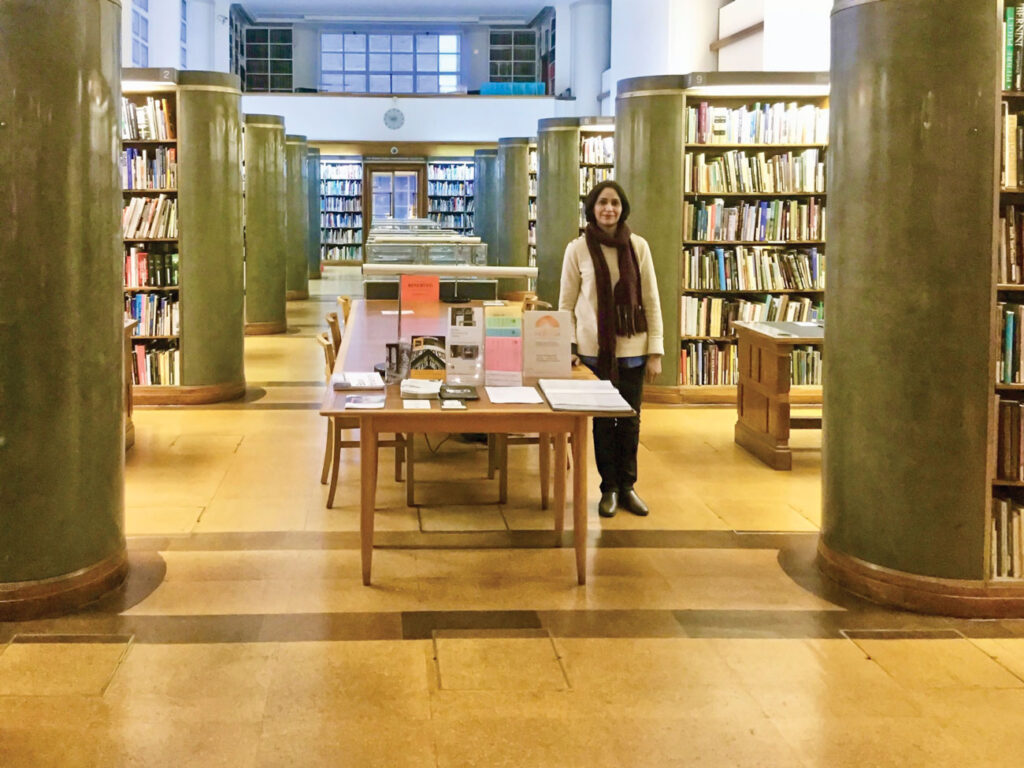
ON 50 YEARS OF CELEBRATIONS OF THE DEPARTMENT OF ARCHITECTURE (DCET)
AT: DCET -Department of Architecture has completed 50 years and 2022 is the year of celebration of the Golden Jubilee. What are your views on completing these 50 years?
YNP: Dawood University, which was then Dawood College has come a long way moving towards the developmental stages ever since its inception. Talking about the Department of Architecture alone has always been shown on the radar in Pakistan and abroad with its collaborative gestures with other international universities. Its existence has been very well taken care of by its faculty and Alumni in past and the tradition sustains till now. There was a time when the Department had only five faculty members including one head of department. Hats off to the faculty that has always been there in every thick and thin. The continuous efforts of the management have played a vital role in exhibiting tireless efforts to produce graduates/architects with consistency. There was never a decline in the admissions of the department, not even in the times when the institution was going through tough times.
Fifty years down the lane have thoroughly seasoned the department of Architecture at Dawood University. My affiliation with the department for the last twenty years has been a source of synergy by experiencing tough times where one has to perform the best possible. Out-of-the-box and tangential approaches were the need of the hour many times. We were trained in such a manner that could help in sustaining and work off stream as the discipline of architecture demanded. All these factors ultimately contributed to the development of the department which stands now in a profound shape.
AT: Will you share with us your plans that how you will celebrate this Golden Jubilee Year?
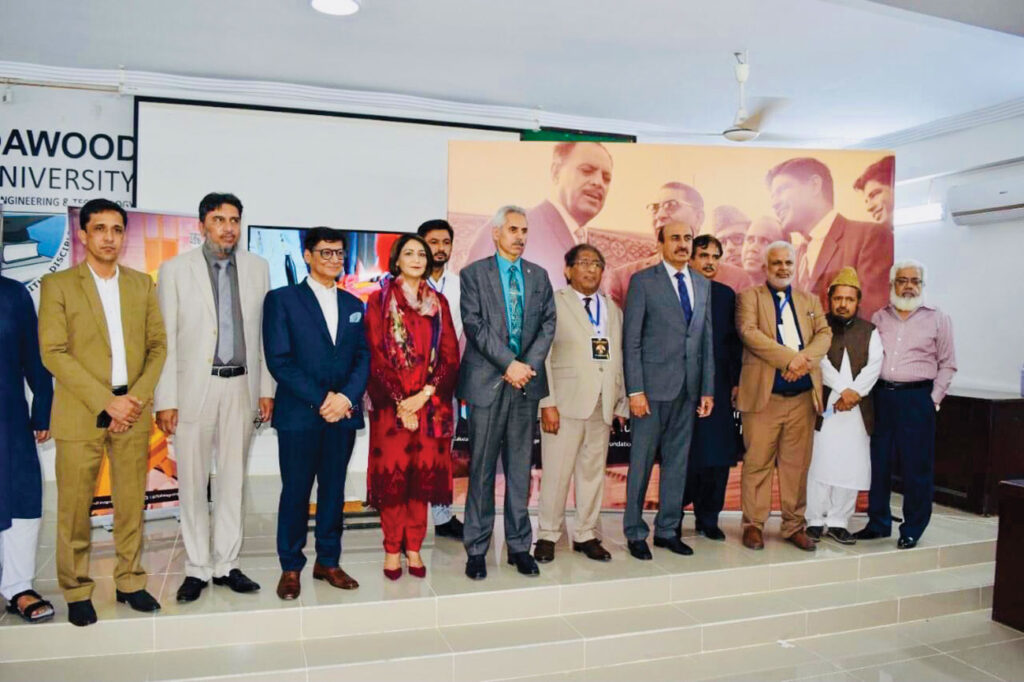
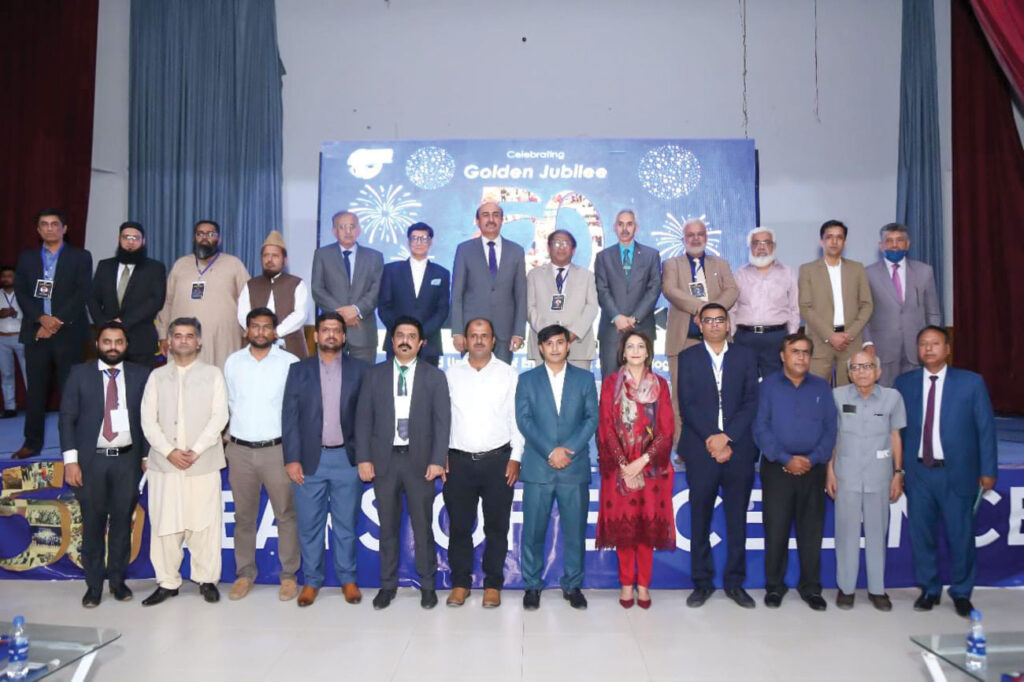
YNP: The Golden Jubilee celebrations in DUET started early this year. One of the main celebration events was held at a large scale, wherein several dignitaries, Government Officials, Engro Foundation, Alumni, Faculty, and students were present. In addition to this, the department of Architecture has chalked out a series of events for this whole year in the department which are both academic and allied in nature. The Academic events include Alumni lectures and presentations for students. These mainly cover the works of notable Alumni in their professional portfolios. These lectures are very informative and inspirational for both students and faculty. Another event for Golden Jubilee celebrations was held in the department wherein the students of all five bathes collectively contributed to making a series of wall murals. These wall murals depict the images of world-renowned buildings designed by legendary architects. The making of the Golden Jubilee Sculpture named “The Student” in the Department was another interesting activity conducted by students. The sculpture is now placed outside the departmental library. The department has also introduced another regular feature in lieu of the Golden Jubilee year which will offer students of all five batches to conduct an activity week after every mid-semester examination. Students are guided to exhibit and complete some activity that is not a part of the curriculum and yet allied somehow to the discipline of architecture. It also provides them with a wider room to work and perform in a different manner. The main idea of this activity week is to explore, groom and generate more capacities that students can develop as an added value to their degree in architecture. The department aspires to continue the lecture series, activity week, and some other activities as a regular feature. The golden Jubilee celebrations will end at another culminating event in the department by the end of the year.
AT: What type of difficulties and challenges Department of Architecture faced during these years and even today?
YNP: I believe that challenges can be termed as a better version of difficulties. This is because of the fact that challenges sound more like providing an inbuilt solution, while difficulties always tend towards showing barriers if taken in literal meanings. Therefore, I have always tried to look at difficulties as challenges. It is an equation of resources and tasks to be accomplished. While the department was always dealing with limited resources, there were still some ways and means to handle it. Though it took us sheer hard work in the development process, the process itself was fruitful. Department is now equipped with many basic facilities and is academically sound. Moving forward has always been the core idea behind customization to handle the issues and continue the legacy of the institution.
AT: What are future plans for the betterment of the Department of Architecture and Education?
YNP: The department has always prioritized a few important things in its official work. While it is focused on innovation in academics and intends to commence new programs in the upcoming years, it also explores several opportunities to work with the social sector as well as government fora to contribute to the development of the spaces around the city. Some of the recent works by the department have been on the neighborhood parks in Karachi, wherein some selected spaces have been proposed for design. The sustenance of such parks is proposed through a participatory design approach. Another contribution of the department is a wide range of detailed studies which address the environmental design, physical resources, urban planning, and related concerns in different areas of Karachi. The intent is towards dealing with live projects and issues of the city that give the best learning. It also helps prepare the students to deal with several possible options and opportunities that come across in the live design process.
Another very important avenue where the department keeps itself focused is encouraging and accepting different skills that students carry with them or want to experiment with. The department not only appreciates such capabilities of students but also helps them to explore and express these skills through any possible means. This is aligned with the co-curricular activities. It is seen widely and throughout the five years of academics that if students are provided with opportunities to experiment, the results are far beyond expectations. This is how students learn more as compared to restricting them to only the curricula. We also encourage and facilitate the students working on their graded internships. The department also keeps a well-established liaison with its sister institutions both at faculty and the student ends. Attending the juries by our faculty members in different architectural institutions and joint projects by students has been a norm and has turned out to be a value addition.
AT: Where do your students stand today if you compare them with other Architectural Institutions’ students?
YNP: The practicing ends of architecture are wider today. They offer more room to grasp the different capabilities of students starting from design command to the use of different software and further ahead to communication skills. Therefore, when it comes to students from different architectural schools, there is a very slim line of difference. Apart from some exceptions, students from all architectural schools receive more or less the same knowledge set from their respective schools. They are well aware of the times they are living in. This makes them all compatible with the practice trends once they graduate.
The students of DAP-DUET are well prepared to perform in the professional field. They are trained to face the challenges of the practice starting from the site works, knowledge of updated materials and techniques used in construction, trends in the built environment, consumerism, history, and theories of architecture applied in contemporary times, and knowledge of market demands. They excel within some initial years of practice with leading firms of architectural practice and add value to their profiles. Though there are some exceptions shown in students, sometimes they lack communication skills, in others they lack confidence but mutual collaboration amongst themselves helps them improve with time. The experimentation required in these novel times to multitask is what students get during their academic years, this helps them to adopt the practical side of architecture in a better manner.
AT: What message would you like to give the students of architecture?
YNP: My message to the students of architecture is to value time. There is no replacement for a time as it has its own worth. Living in the moment is the best utilization of time. Moreover, staying connected to values is a capability that shows strength. Life offers thick and thin paths on its way forward, but the values help to stay aligned and make the ways easier. Architecture is not a different field and it is not out of the world. So being a well-connected person to society is required in any profession. Multitasking with a multidisciplinary approach also helps in excelling and enhances the thought process at several ends. I will also advise students that it is more important to be a good human rather than to be a tough professional.


