


Photographs Courtesy: Architect
In a ruminative, in-depth interview with ARCHI TIMES, President, the Institute of Architect Pakistan (IAP) Saad Mahmood Khan, discusses about challenges profession of architecture is facing, and also his architectural practice by the name of SRDW. Saad Khan is Partner Architect at SRDW and has worked on various projects in the Corporate, Residential, Industrial, Education and Health Care sectors.
ARCHI TIMES (AT): What are the reforms and initiatives you have planned after assuming the IAP – President office for the betterment of the Architectural profession?
Saad Mahmood Khan (SMK): IAP today, has around 2400 Associate and 2500 Student Affiliate members. Member inclusivity and engagement is essential to IAP’s growth and relevance. I believe IAP needs to increase the level of interest of the members to make this professional body more effective. The following initiatives by the IAP National Council are in process:
* In addition to the 4 existing Chapters, 2 new chapters i.e. Quetta & Chenab were formed to facilitate members in this region. IAP secretariat members organised introductory visits & meetings with the Executive Members of Quetta and Chenab Chapter for orientation.
* Machine readable IAP membership cards were recently launched at the IAPEX Karachi this June. The membership cards will allow quick and hassle-free access to IAP events and registration of CPD points.
* To further enhance our members experience we are working to revamp the IAP website for a more user-friendly interface.
* Future goals include the launch of a mobile app enabling members to reach out to IAP from the palm of their hands.
* Our current primary focus is getting the house in order which includes reviewing and updating the IAP constitution as well as code of conduct, strengthening of IAP secretariat, Centralized accounting and Regulatory Compliance for IAP.
AT: What motivated you to get so intimately involved with the Institute of Architects Pakistan?
SMK: I worked as a student volunteer for a few IAP events in my college days in the 1990s. At the time, most young graduates did not wish to get involved in any of IAP activities. I like most of our generation of students, questioned the relevance and effectiveness of professional bodies such as PCATP and IAP.
In 2013, I was pushed into contesting elections for the Executive committee of IAP Lahore chapter, upon insistence of some close friends. I had no clue what I was getting into. Once elected I closely observed and got motivated by the many selfless senior colleagues who tirelessly made efforts and took time out of their professional and personal commitments to serve the profession. My desire to further serve my fraternity through association with IAP continued in the subsequent years after the end of my EC term in 2015. I returned to serve as Vice Chairman, IAP Lahore Chapter, in 2017-18 and as Chairman from 2018-19.
AT: What are the biggest challenges and difficulties you are facing as an IAP President?
SMK: In Nov 2021, I was elected President IAP when we were passing through the 5th covid wave. The past 2 years of pandemic had brought a major change in lifestyles not just in Pakistan but on a global level. Lack of in person interactions and social gatherings had a deteriorating impact on economy, employment, physical and mental health and quality of life in general. Like everyone else IAP bore the consequences of this changed scenario. Regular IAPEX events that generate running expenses for the IAP Chapters and Councils were suspended for the past 2 years giving a major economic hit to the Institute apart from creating issues of cohesion within our fraternity. Alhamdullillah! the situation has finally improved, and IAP has now resumed its normal operations.
IAP was certified as a registered Section 42- Not for Profit company in the last quarter of 2021. The change of status comes with a lot of compliance requirements which is not common knowledge for members in general. The current National Council has worked very hard to identify the structural issues of the organization and is resolving these one by one. Case in point is the EGM, held recently, to update and amend the Articles and Memorandum of Association document of IAP which will be submitted to SECP.
AT: You are simultaneously running the IAP President office and your firm, please tell us how you are managing these two offices and time?
SMK: It is definitely not an easy ride. I am blessed with a great business partner and a long-term friend Ar. Rashid Rasheed who has always supported and encouraged me in my endeavors. This has allowed me to take out time from my business and work voluntarily for the betterment of our profession. I am fortunate to have a very understanding family, a great team of friends and fellow professionals in IAP who make this possible for me.
AT: How do you see the role of IAP in safeguarding the interests of architects and profession?
SMK: I see IAP as a collective group of very talented professionals who, if united; can overcome all the hurdles that we face as a community day in and day out. Two recent achievements of IAP, through the demonstration of unity, are a testament to this. Firstly, the reduction in Income Tax and Provincial Sales tax rates. Secondly, the advocacy with Government agencies for a better built environment for our country. There is, undoubtedly, a greater good that can be brought about as a unified community.
AT: What steps as an IAP president you will take to enhance the image of Pakistan in the world?
SMK: I believe, Pakistani Architects in general have a very patriotic nature. We may differ on views but when it comes to projecting a positive image of our country, we are one united body. IAP participation (whether in person or online) in events held by its International Affiliate organization like ARCASIA, UIA and CAA provides us with the opportunity to present our point of view and learn from our international counterparts. As IAP President, I would encourage IAP members to participate in all international events and every possible international competition for professionals and students. I am sure our talented professionals can give a tough competition to everyone in the comity of Nations.
AT: Can you highlight the IAP approach and role to strengthen the relations with ARCASIA member countries?
SMK: IAP has always been a very active member of our affiliate international organizations ARCASIA (Architects Regional Council Asia), CAA (Commonwealth Association of Architects), UIA (Union of International Architects) as well as SAARCH (Association of SAARC Architects) which is currently dormant. Prominent IAP members have headed both ARCASIA and CAA as Presidents very recently and are, at present, actively involved in subcommittees of ARCASIA, CAA and UIA.
Our delegates including myself have represented Pakistan at UIA Forum in Madrid in May, CAA General Assembly at Trinidad in August as well as ARCASIA Forum at Mongolia this year. This representation not only gives an opportunity to project the true image of Pakistan. We need to encourage IAP representative delegates to strengthen personal and professional ties with other member country delegates by exchanging ideas and knowledge on significant aspects such as climate change, natural disaster management, sustainability, energy efficiency, renewable energy sources, and improved building, materials and techniques etc. for a better built environment.
AT: What do you think about the challenges and difficulties today’s profession of architecture is facing?
SMK: Deteriorating environment, global warming, Natural disaster management and energy crisis are pressing issues globally but specifically for Pakistan. This is evident from the recent catastrophic floods in the country. Not much has been done about fixing things long term and its high time that we tackle this by lobbying and collaborating with Government bodies, legislative authorities and related professional bodies. Creating think tanks who can develop region specific polices and incentives encompassing social responsibility, building by laws, renewable sources of energy, energy efficient materials and building techniques for a better built environment.
Another critical issue, in my view, is that of the young graduate architects passing out every year in a significant number. Every year, there are about 1000 students graduating in the field of architecture. Quality of architectural education, training and employment of these graduates is an enormous challenge facing our profession at the moment. There is a mushroom growth of non-accredited educational institutions offering architectural programs which poses a massive challenge for the regulatory body.
The issue of obtaining additional licenses for a PCATP registered Architect is not new. Despite clear provisions in the PCATP Ordinance of 1983, several municipal authorities in the country require registered architects to obtain additional licenses to practice in their jurisdiction, often with a substantial annual licensing fee. An Architect with a widespread practice, not necessarily large, can end up paying heavily to obtain up to fifteen licenses from various municipal authorities across the country. Joint efforts by the IAP and PCATP, to allow registered architects to practice without hindrance throughout the country, has started to bear fruit. The Capital Development Authority (CDA) & Lahore Development Authority (LDA) have notified acceptance drawing submissions on the basis of valid PCATP registration and removed their own registration requirement.
Due to the numerous municipal authorities controlling different parts of the urban centers, there is lack of Uniform Building Bye Laws within the same city. Advocacy with the government agencies/authorities’ front forms a major function of IAP’s activities. At the Chapter level, IAP Peshawar Chapter members are representing IAP in interaction with the KPK Government as part of the KPK Built Environment Council Working Committee. The Lahore Chapter is also actively engaged in deliberations with the Defence Housing Authority for the modification of DHA building Byelaws for Lahore.
AT: Tell us about your early life, professional education, and your background.
SMK: Born in Lahore and stationed here ever since, my journey has been pretty simple. 1974-85; Crescent Model school, 1985-87; Government College, Lahore and 1987-1993; I completed my Architectural Degree from the National College of Arts (NCA), Lahore. I come from a family of professionals. My grandfather, was a civil engineer who served as the Chief Engineer West Pakistan and 1st Vice Chancellor of the University of Engineering and Technology (UET), Lahore. My father was a practicing Senior Advocate of the Supreme Court, a retired Judge of the Lahore High Court and a trustee/ advisor to many Government and Non-Government organizations. My mother is a doctor, a teacher and a social worker. My wife is an HR and Management professional.
AT: What compelled you to pursue a career in architecture?
SMK: I did intend to study Engineering like my grandfather. However, my admission to Architecture school was purely accidental. I was only there to accompany a friend of mine to the NCA examination. As luck would have it, I got through and he didn’t.
AT: What is the meaning of architecture for you?
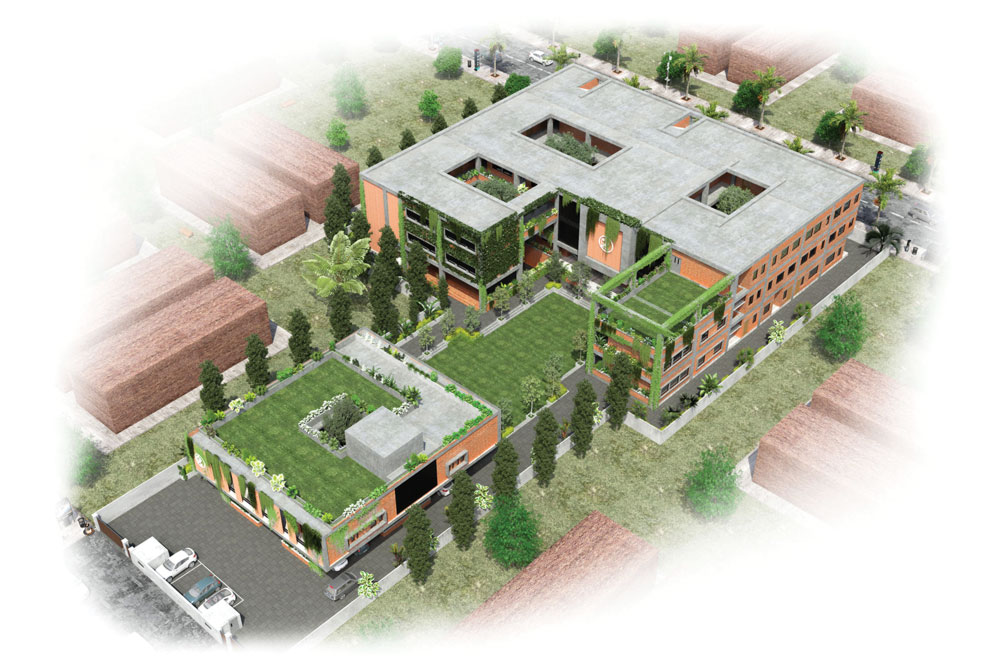
SMK: Architecture is all about creating a habitable built environment for living beings. A built space which evokes emotions for the observer is a successful design in my opinion.
AT: What is your design philosophy and methodology?
SMK: I believe design should be aesthetically pleasing, functional and practical. In a short: Design that works!
Form needs to follow the function it is meant for; otherwise, architecture loses its purpose.
AT: Which of your projects do you feel best reflects your Design Philosophy and why?
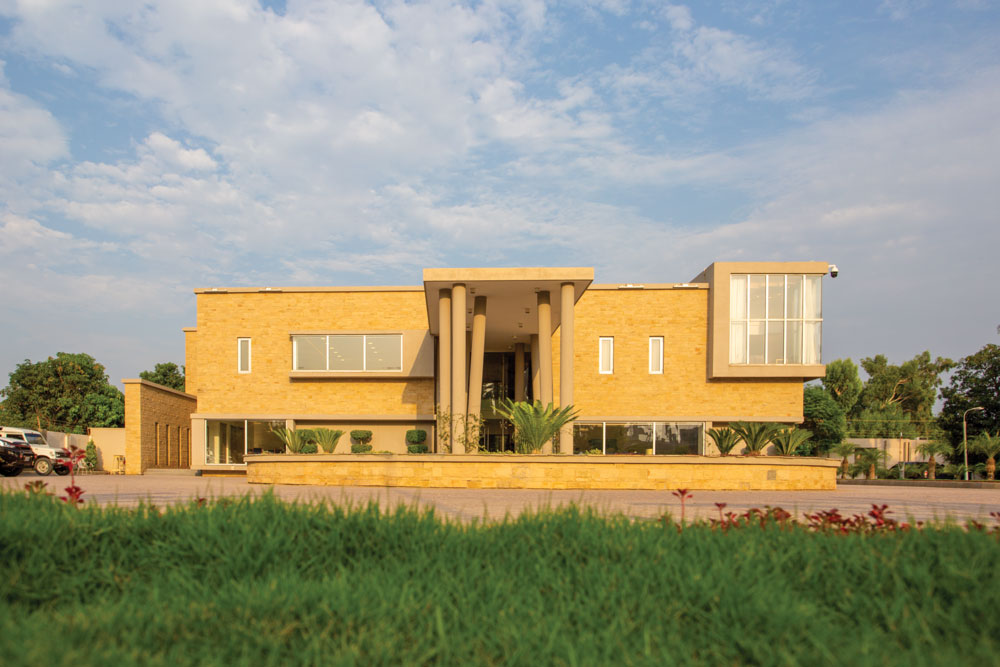
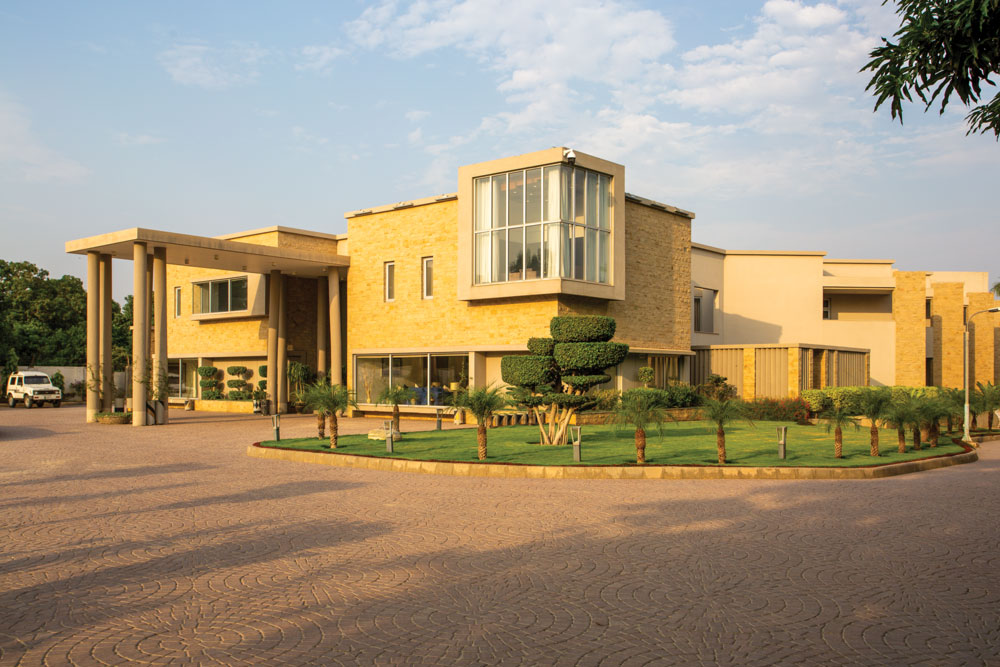
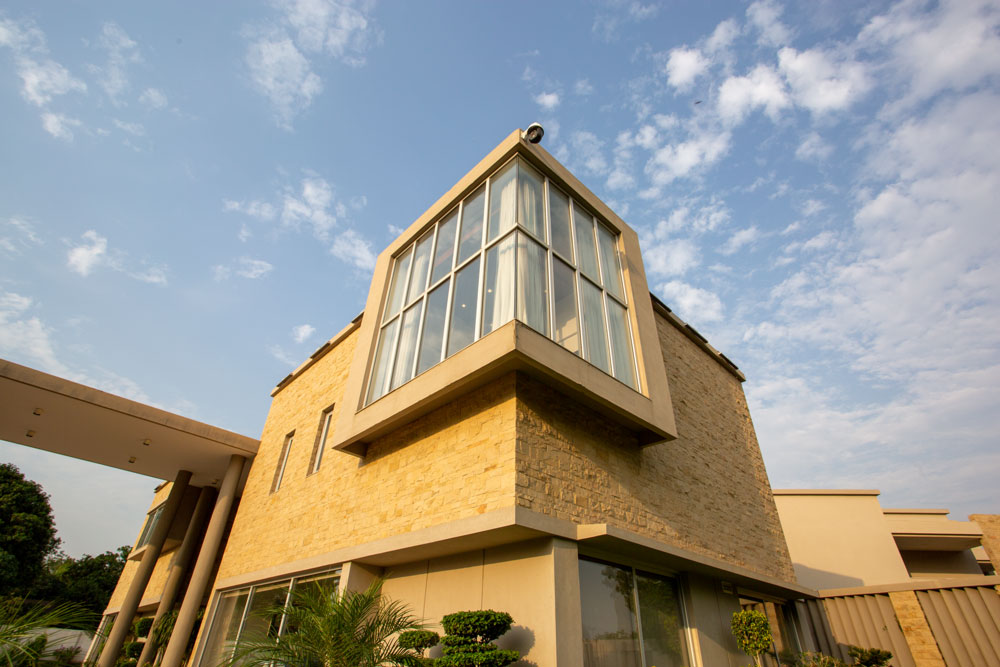
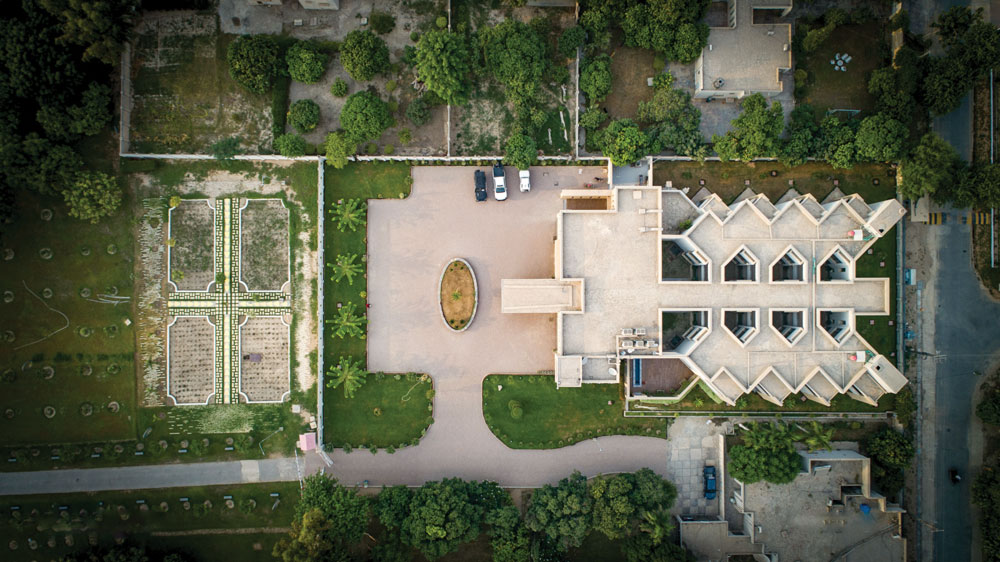
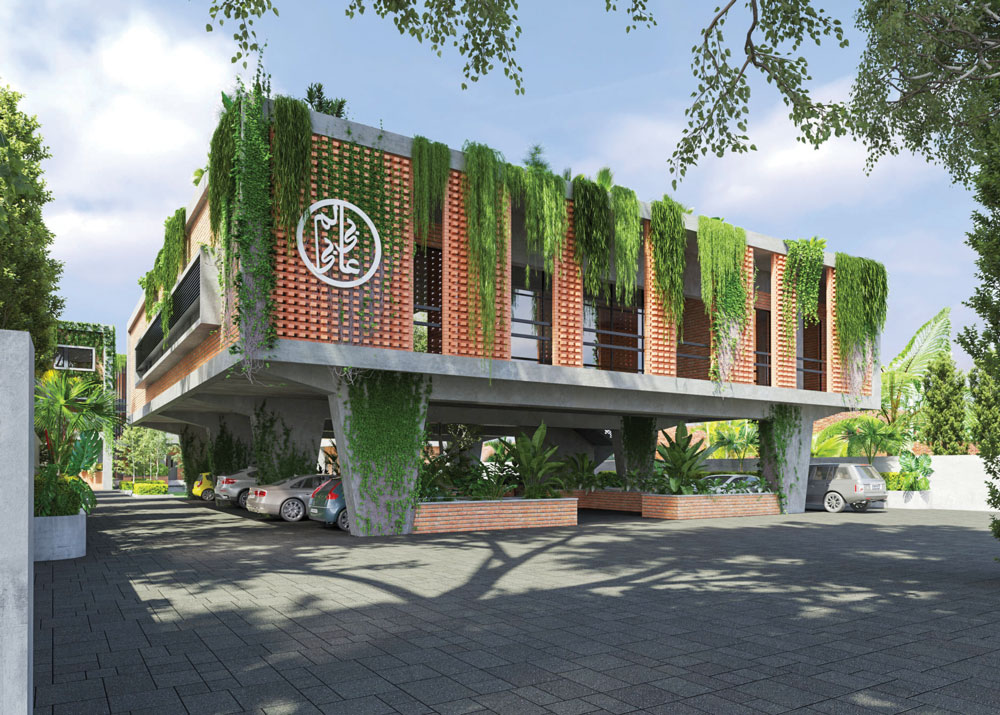
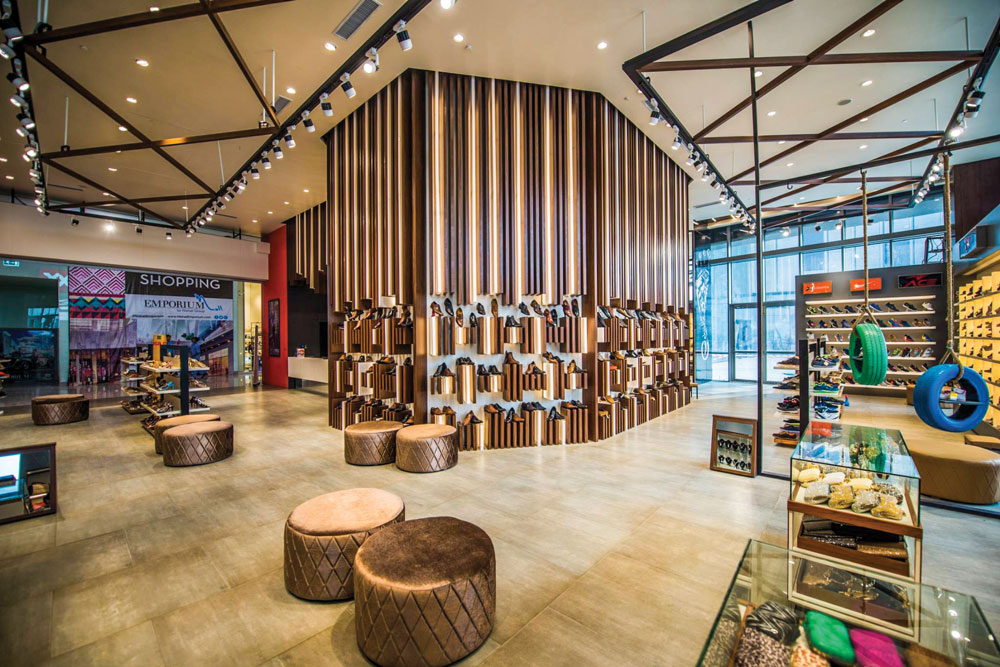
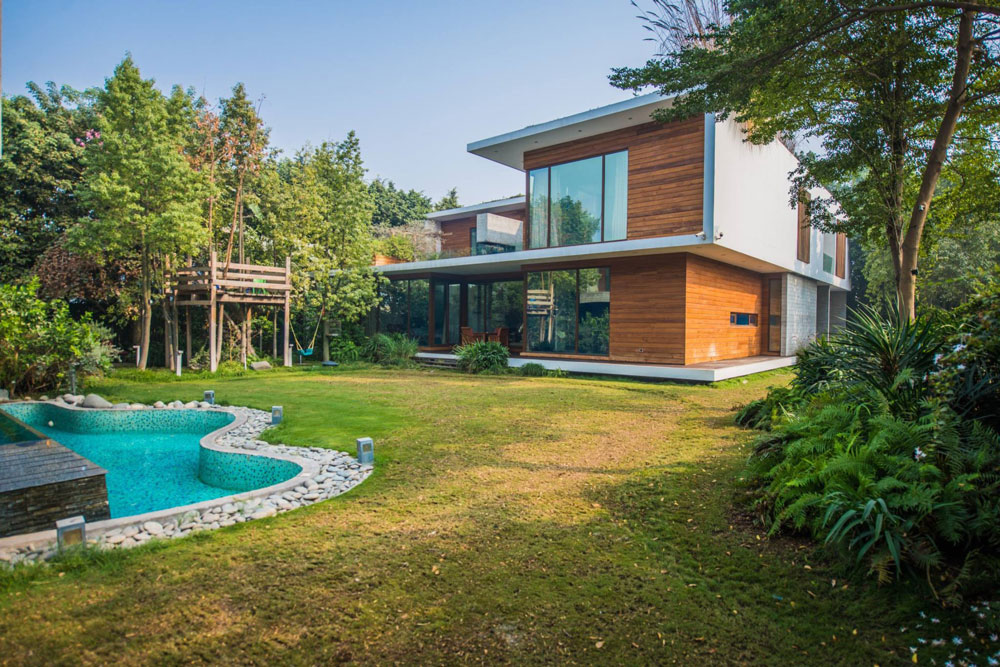
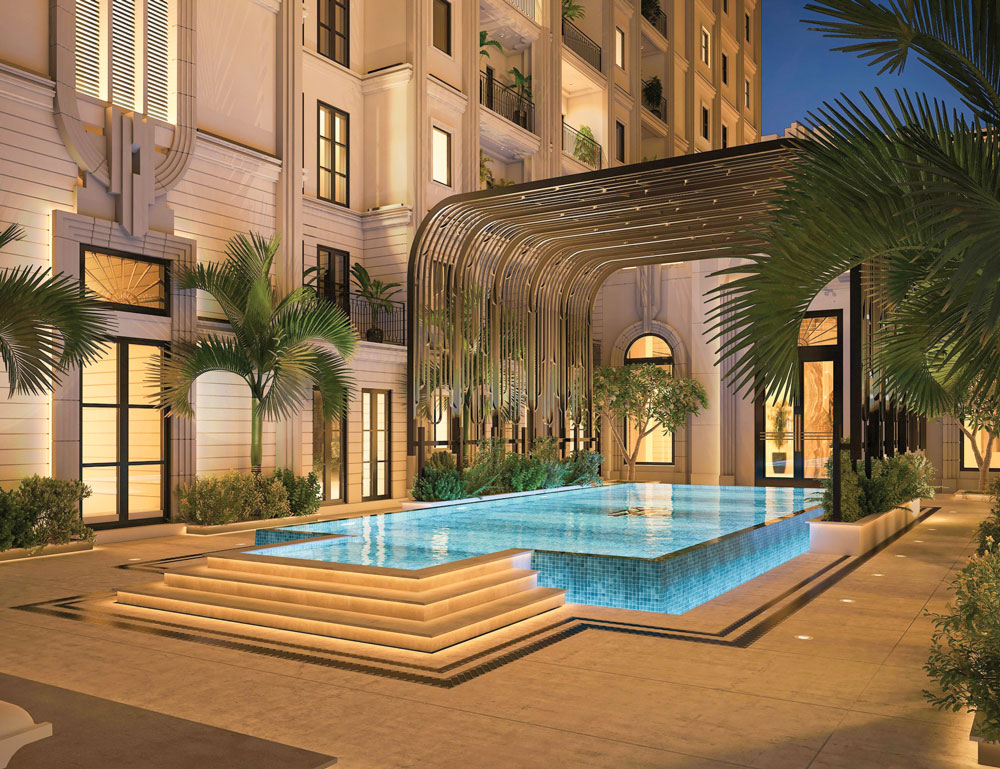
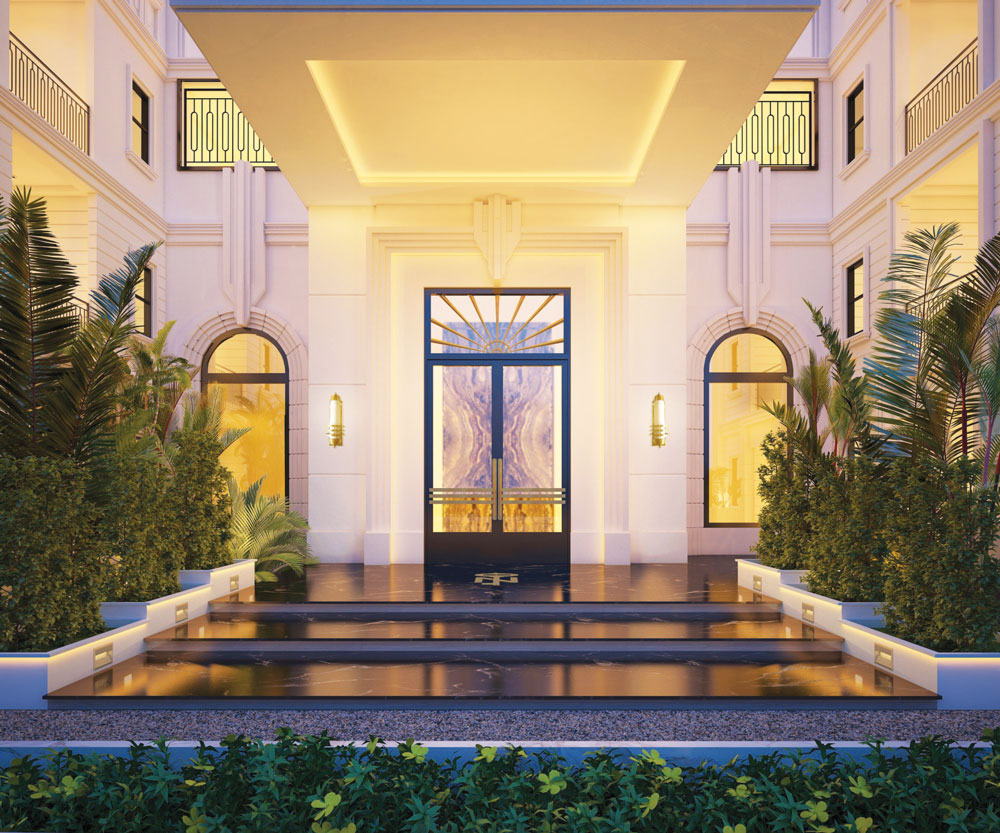
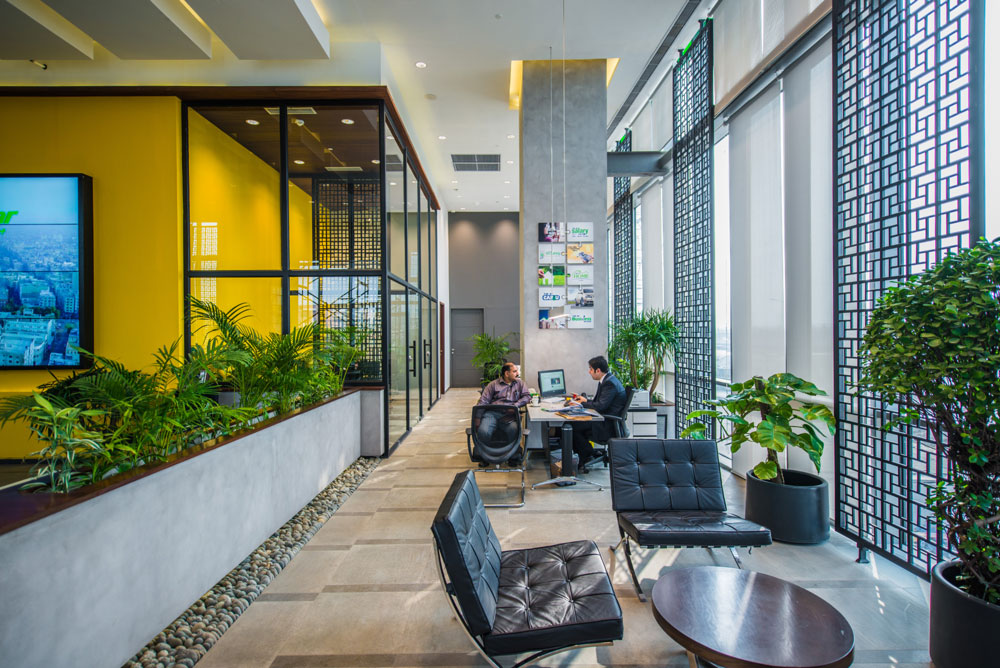
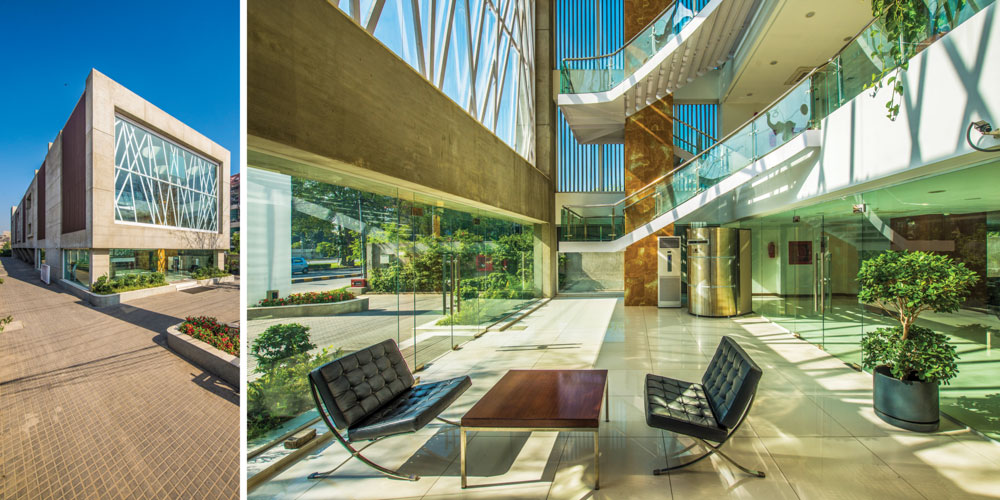
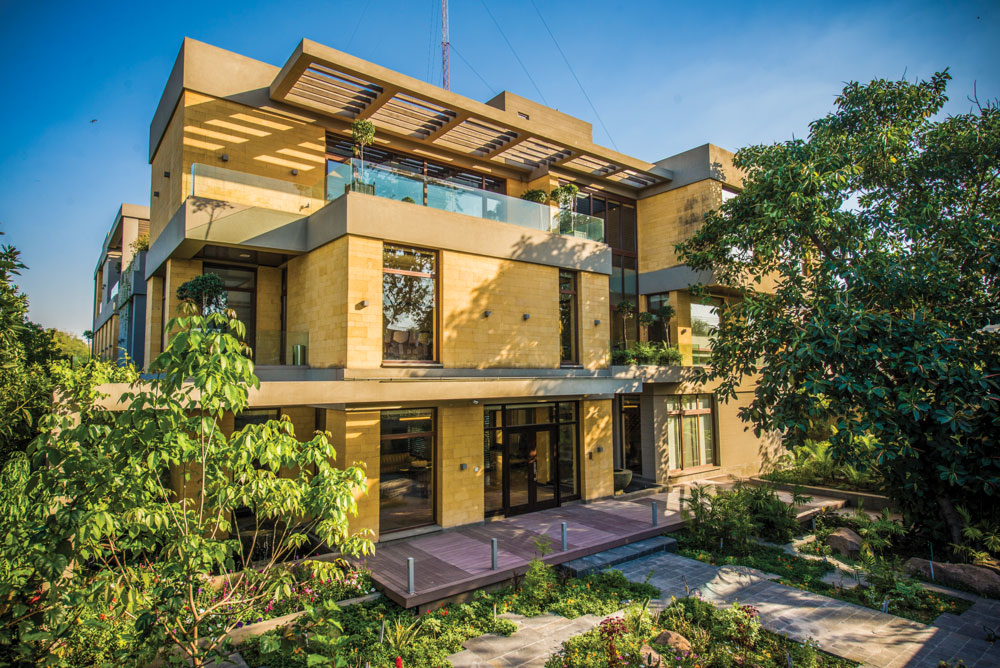
SMK: This is a very tough question. Through our journey of 30 years; we were fortunate to get the opportunity to design and execute hundreds of projects for various sectors including institutional, corporate, commercial, residential, industry as well as master planning and landscape. In each project, effort is made to come up with something unique whether it’s the use of new technology for a large-scale project, experimentation with new or forgotten materials from our heritage or well-executed details for a small project. We as a team try our best to reflect our design philosophy in each one of our projects.
AT: Do you see the Interior and architecture as separate entities while designing?
SMK: No. A building is an inside out experience. One cannot ignore the interior while planning the external envelope for a project.
AT: What kind of projects do you enjoy more Architecture or Interiors?
SMK: I enjoy both.
AT: What projects do you currently have on board?
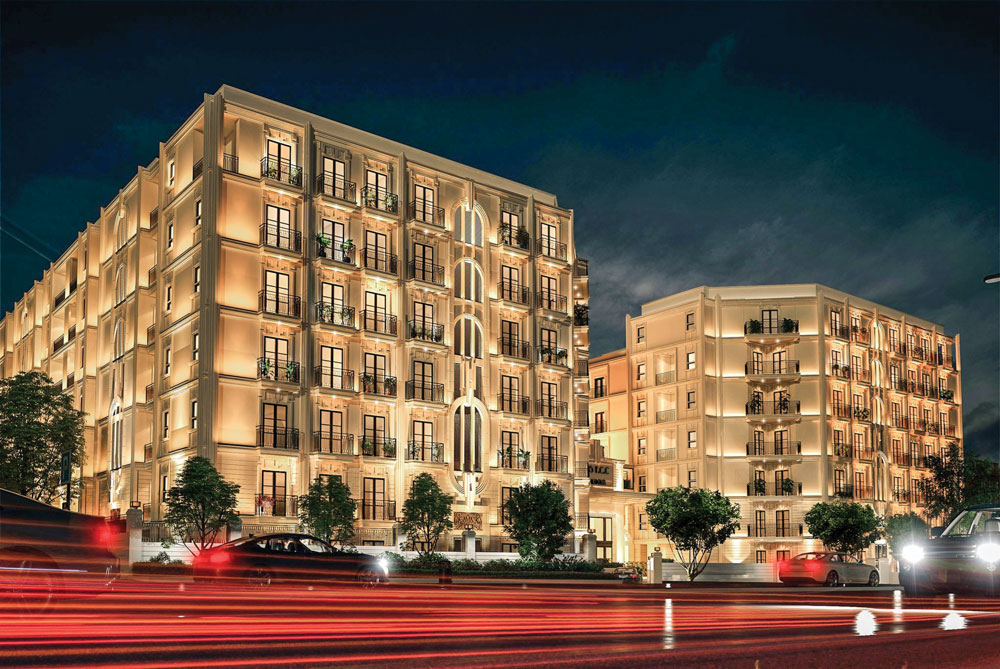
SMK: Currently, we are mainly working in Lahore but also in other parts of the country on apartment buildings, schools, offices, mountain houses and quite a number of private residences.
AT: What future goals do you have in mind?
SMK: For IAP and our fraternity, I would like to see a united, strong and prosperous community of Architects which strives together to keep the Pakistan flag flying high.
AT: What advice would you like to give students and architects entering the field of architecture?
SMK: Architecture is a very soul satisfying solution-oriented profession. It involves a lot of thinking, learning, soul-searching and countless sleepless nights. Architects or students pursuing only money should rethink their path. The satisfaction that one gets, from looking at one’s well executed design which is well appreciated by its users, is priceless.
I would advise students pursuing this profession to believe in themselves and embrace their God given abilities. You can surely achieve whatever you strive for. Opportunities to learn are everywhere. Keep your eyes and mind open to new ideas & technologies but at the same time; keenly observe and learn from the local craftsmen who have evolved their techniques over generations. My very best wishes to all!


