


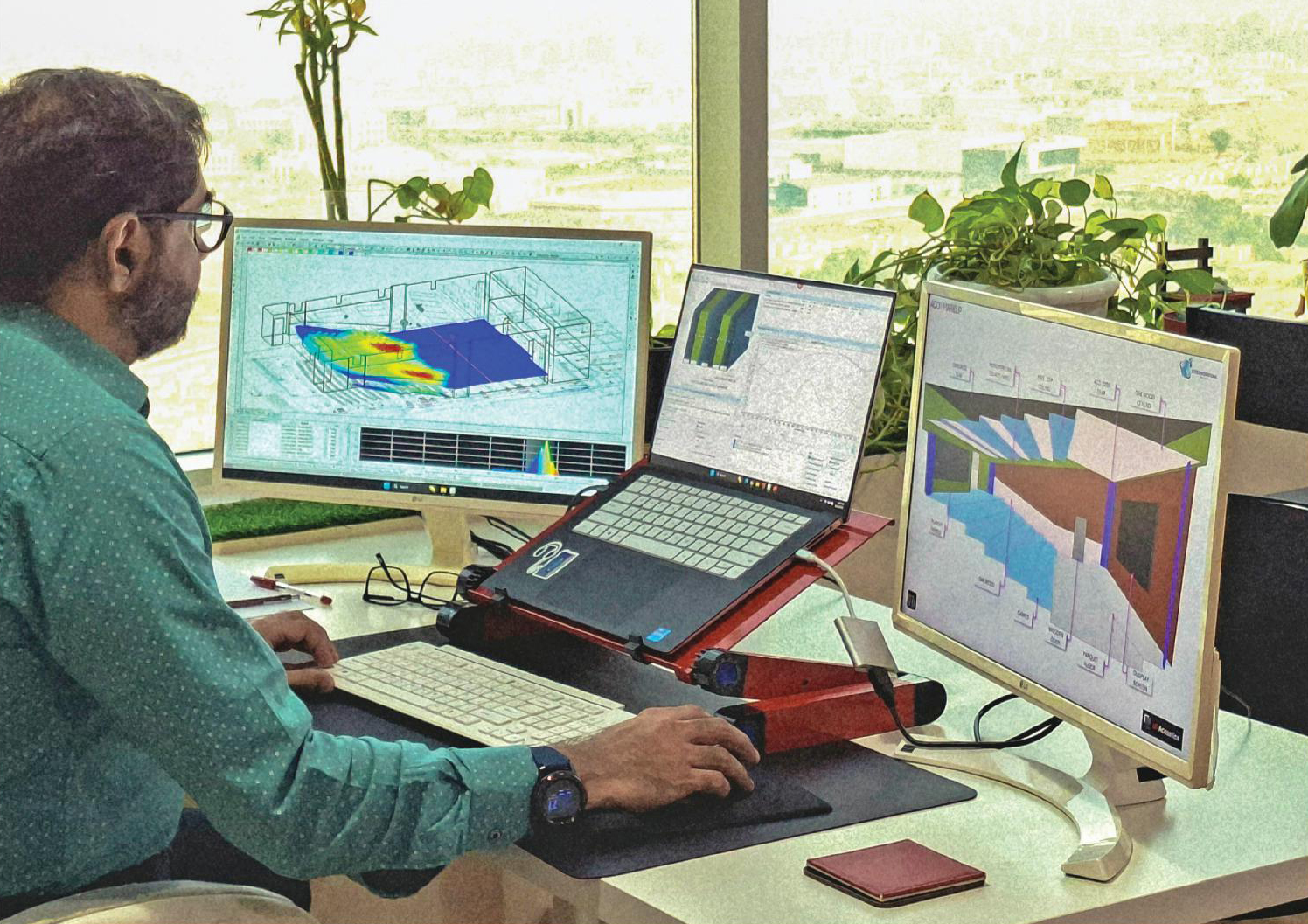
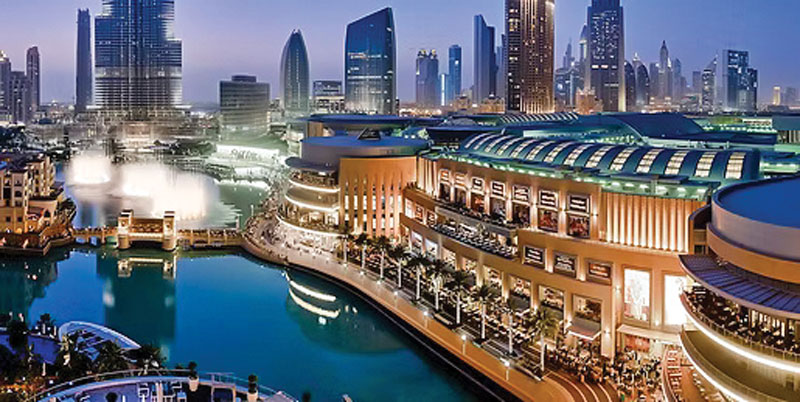
Experienced Acoustic & Audio Engineer with a demonstrated history of working in the information technology and Audiovisual & Acoustic services industry. Skilled in Audio Engineering, Sound, Video Conferencing, Building Acoustics, Room Acoustics, Architectural Acoustics and AV Systems. Strong entrepreneurship professional with a MSc Degree focused in Computer Science (Software Engineering and Operating Systems Architecture) from The International University of Missouri. Have worked on Acoustics and Audiovisual Design for projects such as “The Holy Haram – Makkah – KSA”, “The Dubai Mall – UAE”, “Ski Dubai – UAE”, “Terminal-1 and Terminal-2 Dubai International Airport – UAE”, “Terminal-2 Muscat International Airport – OMAN”, “DUQM Airport – OMAN” and hundreds of more large scale projects including Stadiums, Auditoriums, Malls, Schools, Hospitals, Control Rooms, AV Recording and Broadcast Studios, Factories and Manufacturing Facilities. In this exclusive interview with ARCHI TIMES, he shares insights from his professional journey and his commitment to shaping a sustainable energy future.

ARCHI TIMES Interview | Photographs by Engineer
CAN YOU TELL US ABOUT YOUR JOURNEY INTO ACOUSTIC ENGINEERING? WHAT INSPIRED YOU TO SPECIALIZE IN THIS FIELD?
ASAD LALANI (AL): My journey began with a love of sound that traces back to my youth. I started as a field engineer in 1989, tinkering with audio systems and learning how sound behaves in different spaces. Over the years, that passion evolved into a career spanning more than 30 years in the audiovisual industry. I was fortunate to work with Bose Corporation as Manager of Technical and Design Services and, eventually, Technical Director, where I managed 45 countries with their technical business and innovation development in the Middle East, Asia Pacific, and the Far East. My early experiences were formative as I saw firsthand how carefully engineered acoustics could transform space. For example, during my Bose tenure, I contributed to the development and simulation of sound and acoustic design for the Holy Haram in Al Makkah and large public venues, which taught me that good acoustics isn’t just technical – it’s almost magical. I often say, “Acoustics is invisible, but it can make or break a space.” That belief in the physics of sound and science of acoustics led me to pursue acoustic engineering as both an art and a science. Throughout my career, I have delivered hundreds of projects across arenas, hotels, malls, mosques – you name it. Each project further reinforced my calling: to shape environments where people don’t just see great architecture, they hear and feel it too.
WHICH INDIVIDUALS OR EXPERIENCES HAVE INFLUENCED YOUR WORK STYLE THE MOST?
AL: I can’t pin it on a single individual; it has really been a journey of many influences. My time at Bose had a huge impact; working with brilliant engineers there taught me the importance of research-based design and high standards. From working with the R&D team developing best-in-class loudspeaker technologies to the field engineering works on some of the world’s most intricate and complex venues, I had the privilege of working with many names in the industry, including Dr. Bose. I also had a mentor early on who ingrained in me that details matter – he would say, “sound is unforgiving if you overlook the details,” which I found to be true. Beyond that, each project and client has influenced me in some way. For example, collaborating with architects from different countries has helped me to appreciate diverse perspectives. I have also been inspired by industry peers and pioneers; people like Leo Beranek (a legendary acoustician) and others set an example of excellence that I aspire to. But more than famous names, it’s the experiences – like stepping into a finished concert hall we designed and hearing a pin drop from the back row – those moments reinforce my approach and push me to keep improving.

WHAT MOTIVATED YOU TO CO-FOUND LC ACOUSTICS, AND WHAT IS THE COMPANY’S CORE MISSION?
AL: Co-founding LC Acoustics in 2012 was a natural next step in my journey. After decades of working on acoustic and audio design globally, I wanted to create a consultancy that would push the boundaries of what’s possible in our field. With my business partner, Mr. Omar Chataw, we started in the UAE and soon expanded operations to Pakistan in 2016, Kenya in 2019, and beyond. The motivation was simple: we saw a growing need for specialized acoustic and exceptional quality audiovisual design services in our region. Architects and clients were beginning to realize that expert acoustic input could vastly improve their projects, but there were just a handful of local firms providing those services to an international standard. Our core mission at LC Acoustics is “advancing our leadership in delivering quality engineering services by developing practical and innovative solutions for our clients”. In essence, we strive to bridge cutting-edge technology with real-world, human-centric design. LC Acoustics brings a cumulative experience of close to 50 years in the specialized fields. We set out to be dynamic problem-solvers; the team you call when you want creative yet practical acoustic and AV solutions that enhance a space without compromising the architect’s vision. Over the years, that mission has kept us focused. We are not just consultants and design engineers; we see ourselves as partners in design who ensure that a building’s auditory experience is as carefully crafted as its visual appeal.

LC ACOUSTICS IS AMONG THE LEADING ENGINEERING CONSULTING FIRMS IN ACOUSTIC AND AUDIOVISUAL DESIGN. WHAT SETS YOUR COMPANY APART, AND HOW HAS IT GROWN OVER THE YEARS?
AL: LC Acoustics stands out for its multi-disciplinary approach and commitment to technical excellence. We integrate acoustics, sound systems, and building technology under one roof, with a team of acoustical engineers, AV designers, control system specialists, and BIM experts, ensuring every detail-from room geometry to lighting and AV interfaces-is optimized.
Innovation drives us. Early adoption of 3D acoustic modeling and simulation allows us to predict and perfect a space’s sound before construction begins-a capability still rare in the region. Over the years, we’ve grown from a UAE startup to a regional leader, delivering 300+ projects across government, corporate, educational, religious, and performance spaces worldwide.
Our collaborative, solution-focused culture ensures clients receive world-class acoustics, AV, and sound design, while building lasting trust with architects and engineers.
COULD YOU HIGHLIGHT SOME OF LC ACOUSTICS’ HIGH-PROFILE INTERNATIONAL PROJECTS? WHAT WERE THE ACOUSTIC CHALLENGES AND ACHIEVEMENTS THERE?
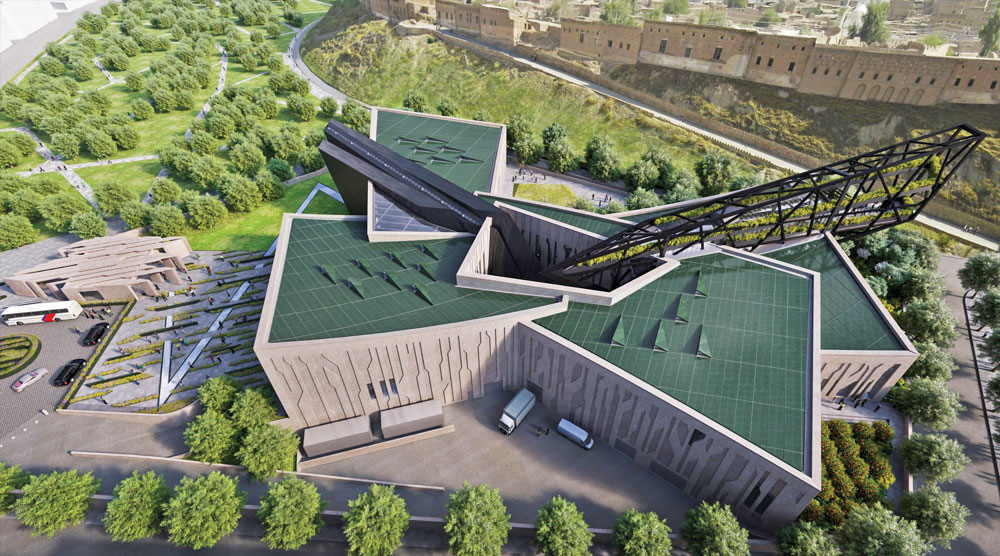
AL: One standout project is Dubai International Airport, Terminal 2, where we redesigned the PA system to meet NFPA-72 standards, achieving clear announcements across a busy terminal with high ceilings and constant crowd noise. At Muscat International Airport, we handled the full acoustic and AV design of a uniquely curved auditorium, ensuring crystal-clear speech and balanced music for conferences and cultural events.
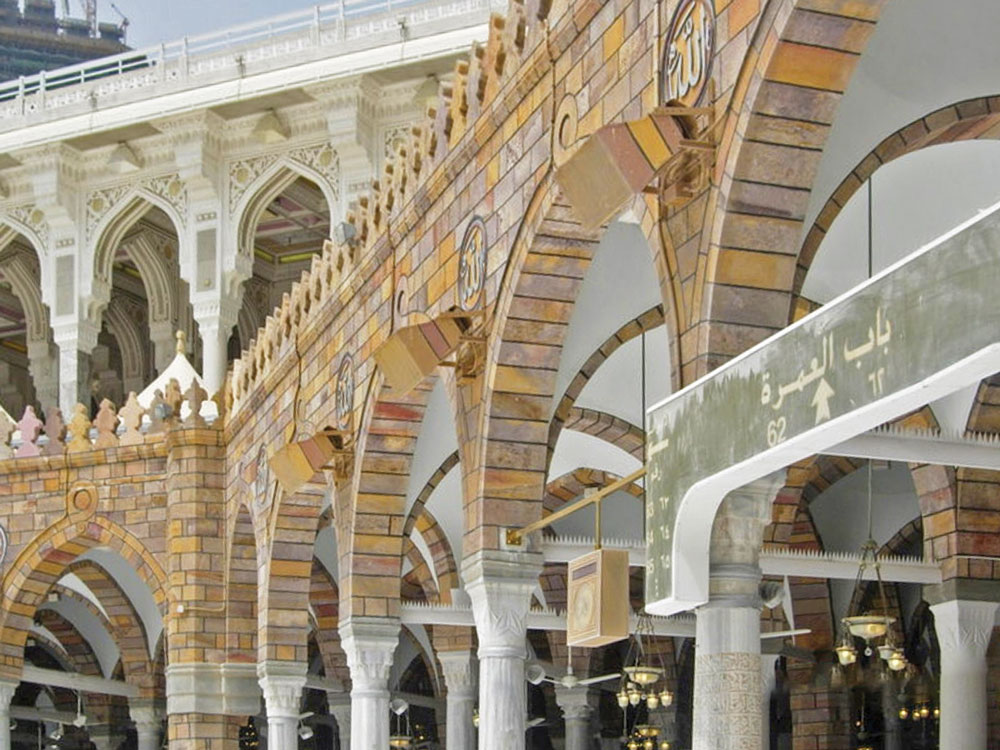
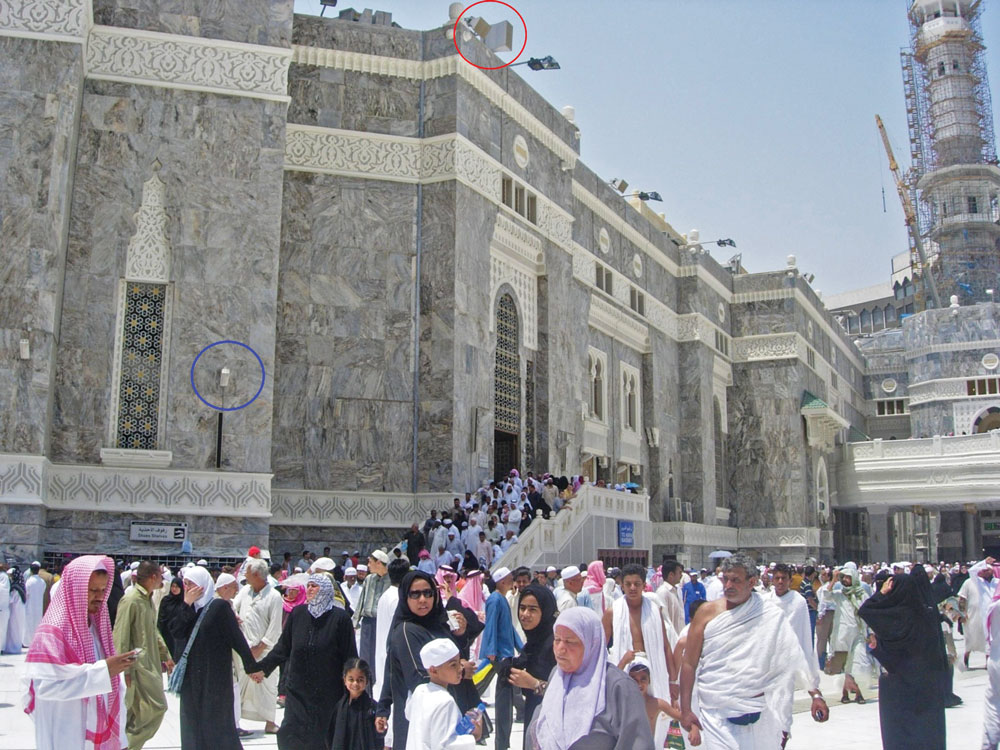
I also contributed to the Holy Haram in Makkah, designing a system that delivers the Imam’s voice clearly to millions of worshippers, overcoming extreme scale and reverberation challenges.
Finally, Ski Dubai required custom audio systems that perform flawlessly in sub-zero conditions while keeping nearby hotel rooms quiet-balancing high-fidelity sound for events and everyday visitors.
Across these international projects, our approach combines advanced simulations, standards, and creative solutions-putting both our work and reputation on the global map.
AND HOW ABOUT NOTABLE PROJECTS IN PAKISTAN OR THE WIDER REGION? COULD YOU SHARE A FEW LOCAL EXAMPLES AND THEIR ACOUSTIC SOLUTIONS?
AL: I’m particularly proud of the OICCI building in Karachi, Asia’s first chamber of commerce, where we delivered a turnkey acoustic and AV design. The challenge was blending heritage with modern technology. Using locally fabricated acoustic panels, we preserved the historic character while creating a high-tech auditorium and boardrooms with pristine sound.
At Emporium Mall in Lahore, we optimized the Public Address and Voice Alarm system for a vast commercial space. Using 3D acoustic modeling, we ensured even coverage of announcements and background music while controlling noise from cinemas and food courts, creating a comfortable, lively sonic environment.
The HBL Call and Data Center in Karachi presented a challenge of managing noise in a large open-office call center surrounded by external city sounds. We introduced custom ceiling panels, optimized layouts, and acoustic glazing, turning a noisy environment into a calm, focused workspace that improved employee productivity.
Cultural venues like Al Hamra Arts Council and PNCA Theatre required flexible acoustics for both music and speech, achieved with configurable panels and curtains. Innovation studios like the Unilever Experience Center and Afiniti Peshawar demanded sound isolation from urban noise while maintaining comfort.
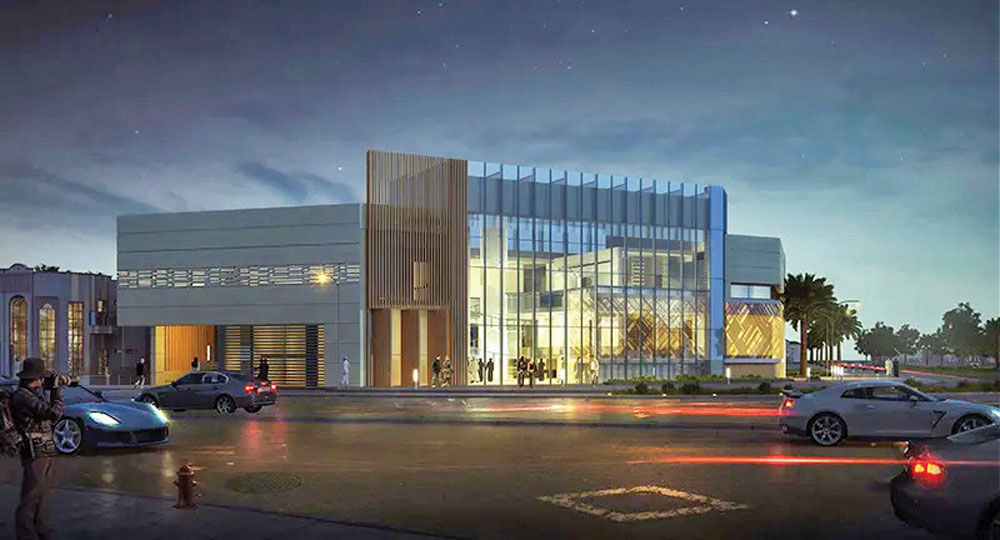
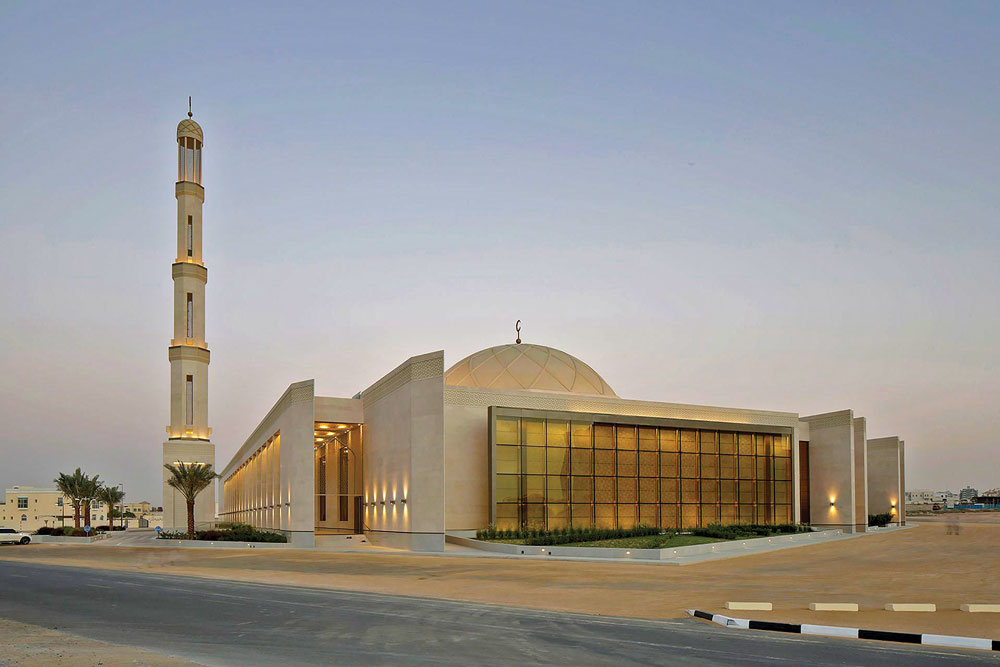
Bahria Town Karachi Grand Mosque which is considered the 3rd biggest mosque in the world. Our involvement during Schematic Design Stage helped shaped the acoustics while preserving the vision of renowned architect Nayyar Al Dada while delivering excellent acoustic comfort and optimized speech clarity. (Project is in construction phase right now).
ACOUSTICS OFTEN ISN’T VISIBLE IN THE FINAL DESIGN. HOW WOULD YOU EXPLAIN THE IMPORTANCE OF ACOUSTICS IN ARCHITECTURE TO SOMEONE WHO MIGHT OVERLOOK IT?
AL: Acoustics is the “silent” architecture-you feel it, but don’t see it. Imagine walking into Bahria Town Karachi’s Grand Mosque: stunning to look at, but if echoes make the sermon or conversation unclear, the experience suffers. Similarly, a sleek open-plan office becomes stressful if noise prevents focus.
Good acoustics balance how sound reflects, absorbs, and travels through a space. Hard surfaces like marble and glass create liveliness; soft furnishings and panels reduce echo. In restaurants, offices, or mosques, the right treatment keeps noise comfortable and conversations clear.
Theater and auditorium design highlights its importance: even the best audio equipment fails if the room acoustics are poor. Take Karachi’s Masjid-e-Tooba-its 50-meter-diameter hall can be heard clearly with just one loudspeaker, thanks to careful acoustic design.
In short, acoustics creates invisible comfort. You might not notice it when done well, but poor acoustics are impossible to ignore. My goal as an acoustic consultant is to make spaces perform as well as they look.

THERE’S A LOT OF SCIENCE BEHIND ACOUSTIC DESIGN. HOW DO YOU APPROACH THE TECHNICAL SIDE, AND WHAT SHOULD ARCHITECTS UNDERSTAND ABOUT THE SCIENCE OF SOUND IN BUILDINGS?
AL: Acoustic design blends physics, engineering, and architecture. We begin by predicting key factors like reverberation time and sound transmission to ensure each space performs well-whether it’s a concert hall needing 1.5-2 seconds of reverberation or a classroom needing 0.5 seconds for clarity. Using 3D acoustic modeling, we simulate how sound will behave and catch issues early, as we did in Dubai Terminal 2, where modeling helped us redesign the speaker layout for better speech clarity.
Noise control is another major part-managing HVAC, traffic, and equipment noise using metrics like NC and dBA, and solutions like silencers, double walls, and vibration isolation. In the Ajyal School studio, this ensured performances weren’t heard next door.
We also optimize speech intelligibility (STI) in auditoriums and conference rooms. At Dubai Police HQ, custom panels and diffusers helped us achieve a clear, balanced sound.
By involving acoustics early and aligning with standards like AVIXA, LEED, and WELL, architects can ensure spaces not only look great but sound exceptional.

AT WHAT STAGE OF A PROJECT DO YOU BELIEVE ACOUSTIC DESIGN SHOULD BE INTEGRATED? HOW DOES INVOLVING AN ACOUSTIC CONSULTANT EARLY BENEFIT THE OVERALL DESIGN?
AL: Bring in acoustics early! Ideally, an acoustic consultant joins during concept or schematic design. Early involvement lets us influence room shape, layout, and construction-changes that are costly later. Minor tweaks, like angling walls or adjusting ceiling height, can make a big difference.
Early planning is cost-effective and elegant: acoustic treatments can be integrated invisibly into the design, avoiding unsightly panels or baffles. It also prevents expensive post-construction fixes and ensures systems like HVAC or glass facades don’t create noise problems.
Ultimately, early acoustic input creates a holistic, functional space-classrooms, auditoriums, and lobbies perform as intended. In short, early consultation costs little but protects the project’s design, function, and experience.
WHAT ARE SOME COMMON MISCONCEPTIONS OR CHALLENGES YOU ENCOUNTER WHEN DISCUSSING ACOUSTICS WITH ARCHITECTS OR CLIENTS?
AL: A common misconception is that “acoustics is just soundproofing.” While sound isolation matters, acoustics also shape how a space sounds internally-controlling reflections, echoes, and reverberation. Even a quiet office can be distracting or reduce productivity without proper treatment.
Many also worry acoustics will ruin aesthetics. Today, solutions like decorative panels, seamless plasters, and bespoke treatments blend seamlessly with design. For example, in one project, we used micro-perforated wooden panels that looked like normal cladding but absorbed sound. In Bahria Town Karachi’s Masjid Riaz, our treatments were virtually invisible, integrated with the architect’s vision.
Cost concerns are common, but proactive acoustic design typically adds under 2% to construction costs and prevents expensive fixes later. Proper planning-like damping HVAC noise-saves headaches and ensures comfort.
Because sound is invisible, we often demonstrate its impact through simulations or simple analogies, helping clients understand why early integration matters. Retrofitting later rarely works for complex spaces.
In short, acoustics is not a plug-in-it’s a core part of design. Once clients and architects see its value, it becomes a creative ally that elevates a project from good to exceptional.

HOW DO YOU CONVINCE CLIENTS OF THE IMPORTANCE OR APPROPRIATENESS OF YOUR ACOUSTIC DESIGN SOLUTIONS, ESPECIALLY WHEN THEY MIGHT NOT SEE AN IMMEDIATE TANGIBLE BENEFIT?
AL: This is a great question, because acoustics can be a bit intangible to those not familiar with it. We tackle this by being educators and collaborators. Early in a project, I make it a point to explain in simple terms what our acoustic design will do and why it matters. We often use analogies or demonstrations for instance, I might show how a room without treatment echoes by clapping, then compare it with a treated room. Clients usually have an “aha” moment when they hear the difference. We also use 3D acoustic modeling and auralizations (audio simulations and audition of what a space will sound like) so they can literally experience what a space will sound like with our design. That’s a powerful convincer. Another aspect is trust: many of our clients come to us because they know our track record. Hearing is Believing”. Technologies Auditioner and Auralization, visiting venues to experience real quality of acoustics in action helps break the ice! We’ve delivered successful outcomes on over 300 projects globally, so that reputation helps. Internally, our rule is to put our heart and soul into the concept before we even present it. If we are confident and passionate about a solution, that energy often convinces the client. On the rare occasion a client is skeptical or cost-conscious, we try to find a compromise, maybe implement the critical 80% of the solution and show the results, which usually wins them over for the rest. In summary, transparency, evidence, and sometimes a bit of show-and-tell go a long way in bringing clients on board with acoustical solutions.

HOW DO YOU ENSURE THAT ACOUSTIC SOLUTIONS COMPLEMENT THE ARCHITECTURAL DESIGN RATHER THAN CLASH WITH IT? CAN YOU GIVE AN EXAMPLE OF BALANCING ACOUSTICS WITH AESTHETICS?
AL: Our mantra is: “designing acoustics into the architecture, not slapping it on top.” From the earliest stages, we work closely with architects, interior designers, and engineers to ensure acoustic solutions integrate seamlessly with the design.
For example, timber slats on a wall can be backed with absorbent material or shaped to diffuse sound without changing the look. In the Dubai Police Headquarters auditorium, custom ceiling clouds and wall claddings matched the design while providing speech clarity. In a luxury hotel lobby, acoustic backing hidden behind decorative panels keeps the space from echoing, while historic buildings like OICCI Karachi benefit from treatments concealed behind ornate grilles.
We also use technology, like electronic sound masking, to reduce visible panels in open offices. The key is creativity and customization-matching color, texture, and form while controlling sound. When architects say, “It sounds great, and I can’t even tell what you did,” we know we’ve struck the perfect balance.
YOUR WORK SPANS ACOUSTICS AND ALSO AUDIOVISUAL (AV) SYSTEM DESIGN. HOW DO ACOUSTICS AND AV INTERRELATE IN MODERN ARCHITECTURAL PROJECTS, AND HOW DOES LC ACOUSTICS HANDLE BOTH?
AL: Acoustics and AV are two sides of the same coin in creating immersive experiences. Acoustics shape the room and its passive sound qualities, while AV delivers sound and visuals through microphones, speakers, and control systems. Both must work together: great AV fails in poor acoustics, and excellent acoustics are wasted without the right AV. At LC Acoustics, we handle both under one roof for seamless results.
In spaces like auditoriums, conference halls, or mosques, room design directly affects clarity, coverage, and sound quality. By managing AV too, we can select speaker types, placements, and system power to suit the acoustics. Likewise, AV needs-like videoconferencing or multi-purpose performance spaces-guide acoustic decisions, including isolation, noise control, and variable acoustics.
A key example is Ajyal International School in Abu Dhabi. We integrated a multi-purpose auditorium with a recording studio, ensuring total isolation, synced AV, and perfect sound for both spaces. Teachers could record live performances without compromising quality.
In modern smart buildings, acoustics ensures clarity and privacy, while AV enables conferencing, automation, and control. By combining both disciplines, we create one harmonious experience. The room is our instrument, the AV system is the performer, and when both are in tune, the performance is flawless.

WHERE DO YOU SEE YOURSELF AND LC ACOUSTICS HEADING IN THE FUTURE? WHAT’S NEXT ON THE HORIZON?
AL: LC Acoustics is growing steadily, expanding from the UAE to South Asia and Africa, with operations in Pakistan since 2016 and East Africa since 2024. We aim to strengthen our presence, explore new markets, and push innovation in acoustics and AV-from immersive audio and advanced simulations to 3D sound-scaping for VR and the metaverse. Sustainability is also key, designing acoustics that enhance wellbeing and complement green building practices.
We prioritize talent, training, and collaboration, ensuring our team grows while maintaining a culture of excellence. Personally, I stay at the forefront of acoustic science through professional societies, standards development, conferences, teaching, and hands-on research. Piloting new materials, parametric designs, and innovative techniques keeps our work cutting-edge.
Through global collaborations and knowledge-sharing, we aim to inspire the next generation of architects, acousticians, and AV engineers-ensuring that as buildings evolve, the sound within them remains beautiful.
WHAT MESSAGE OR ADVICE WOULD YOU LIKE TO SHARE WITH YOUNG PROFESSIONALS AND THE INDUSTRY AT LARGE?
AL: My message to the upcoming professionals and really to anyone in our industry is to stay passionate and patient. Acoustics (and architecture in general) is not a field for instant gratification. As a young professional, you might not design a concert hall on day one. But every calculation, every site visit, every small project is building your expertise. Embrace that learning process. Also, never stop learning! This field evolves with new materials, software, and psychoacoustic research, so keep your curiosity alive. Another piece of advice: work on your communication skills. Being able to articulate your ideas to clients or collaborate with architects and engineers is as important as the technical stuff. And for the industry at large, I would say, let’s continue to break silos… Architecture, engineering, and acoustics should work hand-in-hand from the beginning of a project. When we collaborate early and respect each other’s disciplines, we create something greater than the sum of parts. Lastly, maintain the human element. We design for people at the end of the day, and that’s the bottom line. Whether you are a fresh grad or a seasoned consultant, remember that every dB of sound you tweak can change someone’s experience of a space. That sense of purpose and care, if you hold onto it, will drive you to do amazing work.
WHAT ARE YOUR INTERESTS BEYOND THE WORLD OF ACOUSTIC DESIGN AND ENGINEERING?
AL: I’ll admit I am a bit of a workaholic, but only because I genuinely love what I do. That said, life beyond decibels and diagrams matters a lot to me. Traveling has been a lifelong passion. While work has taken me across the globe, I also travel for leisure whenever I can. One of my favorite places is the breathtaking Hunza Valley in Pakistan – it’s a place that stirs the soul both visually and sonically.
In last 30+ years I have trained more then 3K students of Architecture, Physic and Engineering, I regularly conduct training programs, driver lectures in tech schools and universities.
Beyond that, I enjoy gardening, and I have a real passion for cooking. Weekends are my time to decompress and get creative in the kitchen. I love treating my family to flavors from around the world. And speaking of family, they are my true grounding force. Whether it’s a beach walk, a lazy brunch, or a backyard barbecue, those simple, shared moments are what keep me recharged and inspired for whatever’s next.


