


Text & Photos by Humaira Nazir, Architect Raja Ahmad Ali
Postdoctoral Fellow- Institute for Global Health and Development
Aga Khan University Karachi
Practicing architect at Dot Architects (Gilgit- Baltistan)
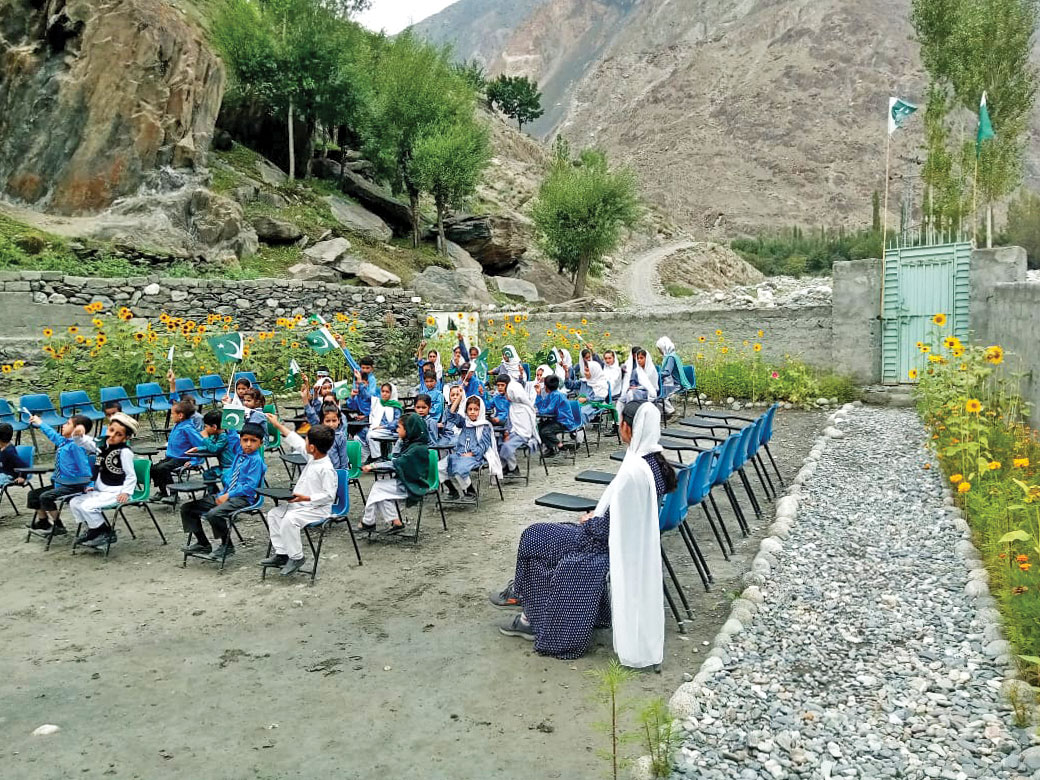
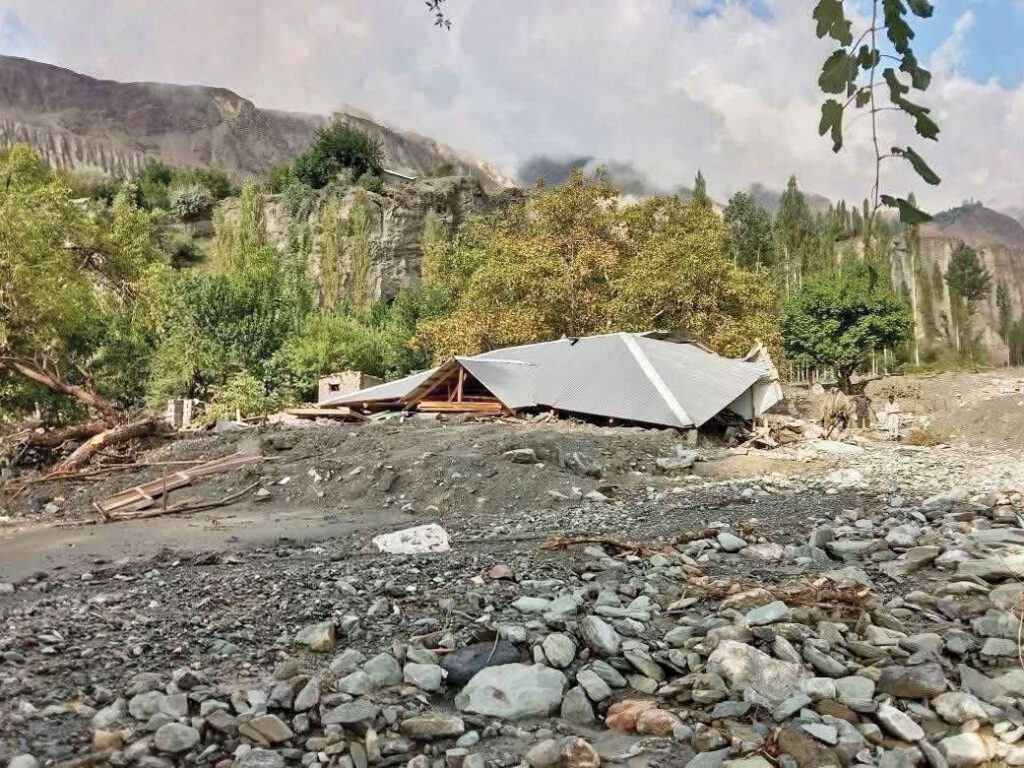
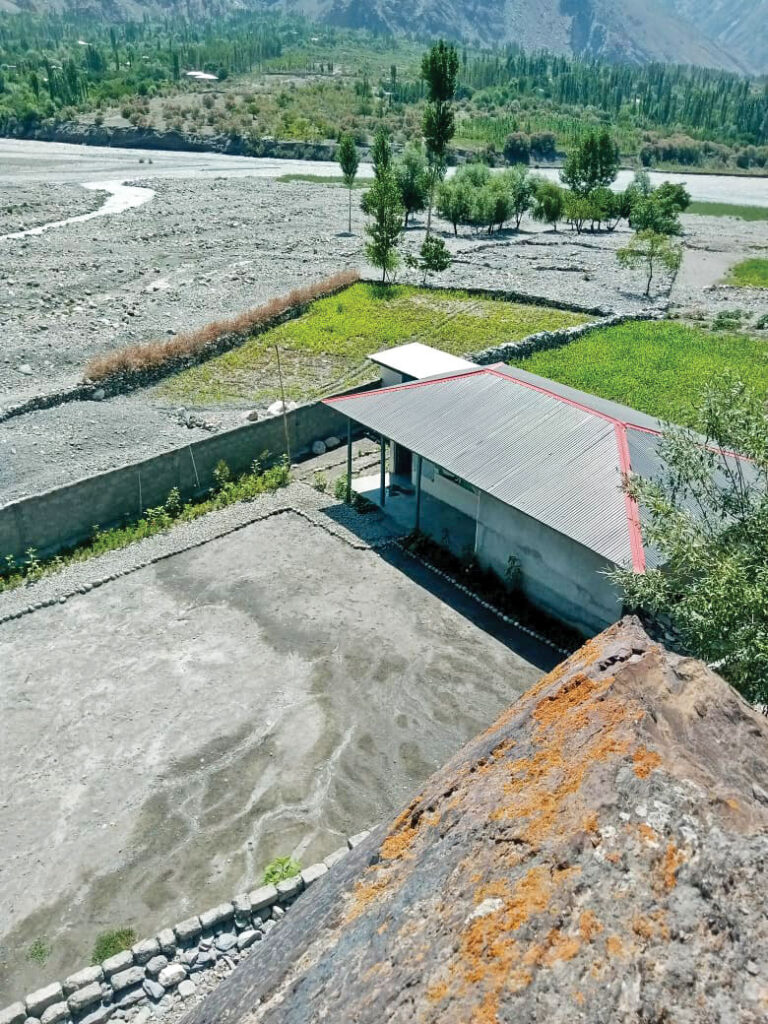
In the remote mountain valleys of Dain and Asumber, located in Chatorkhand, Tehsil Ishkoman, District Ghizer, Gilgit-Baltistan, the natural beauty of the landscape hides an increasing vulnerability. Nestled between steep slopes and narrow streams, both villages recently faced a severe cloudburst that tore through the terrain and caused heavy destruction. Among the most damaged structures were the 612-foot-long suspension bridge in Dain, once known as the second-longest in Asia, and a school building in Asumber, which had been constructed only a few years ago to serve local children. What once stood as a symbol of progress and community pride now lies in ruins. The bridge’s collapse cut off access between nearby settlements, while the school’s broken walls and collapsed roof have left students without a place to learn. Together, these losses reveal not only the immediate impact of natural disasters but also the growing need to design safer, more resilient buildings and infrastructure for mountain regions like Gilgit-Baltistan.
The cloudburst brought sudden and intense rainfall within a short period, sending water, mud, and rocks rushing down from the surrounding hills. The force of the water damaged everything in its path-homes, roads, fields, and public buildings. The Asumber school, though not an old structure, could not withstand the flooding. Its foundation was washed away, and water entered the classrooms, and stones collapsed the walls and ceilings. Furniture, books, and supplies were swept out, leaving behind mud and broken remains. The school had been an important part of the community, serving not only as a place for education but also as a center for meetings and local activities. Its destruction has deeply affected teachers, students, and parents alike.

The collapse of the suspension bridge in Dain added another layer of hardship. The bridge connected several remote villages and served as a main route for daily travel, school access, and transport of goods. When it fell, entire communities were cut off from basic services, including health care and markets. The bridge’s failure highlights the vulnerability of mountain infrastructure, which often faces harsh weather, erosion, and limited maintenance. Built to withstand regular conditions, such structures are increasingly unable to handle the unpredictable strength of extreme weather events linked to climate change.
These two incidents, the collapse of the Dain bridge and the destruction of the Asumber school, show how fragile life and infrastructure have become in Gilgit-Baltistan’s valleys. Both cases reveal common issues: poor site planning, limited drainage systems, lack of strong foundations, and little attention to slope and water flow. Buildings and bridges are often placed on vulnerable ground without proper study of the terrain or potential flood paths. When cloudbursts occur, heavy runoff from the mountains find no safe outlet, and structures in its way are quickly damaged.
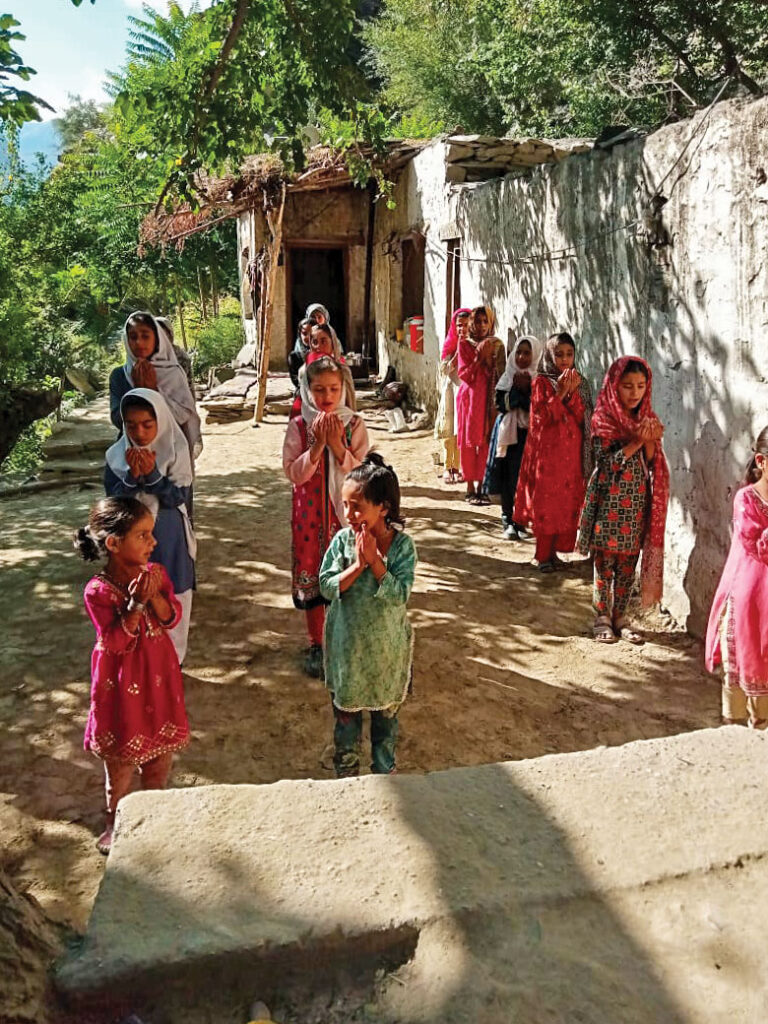
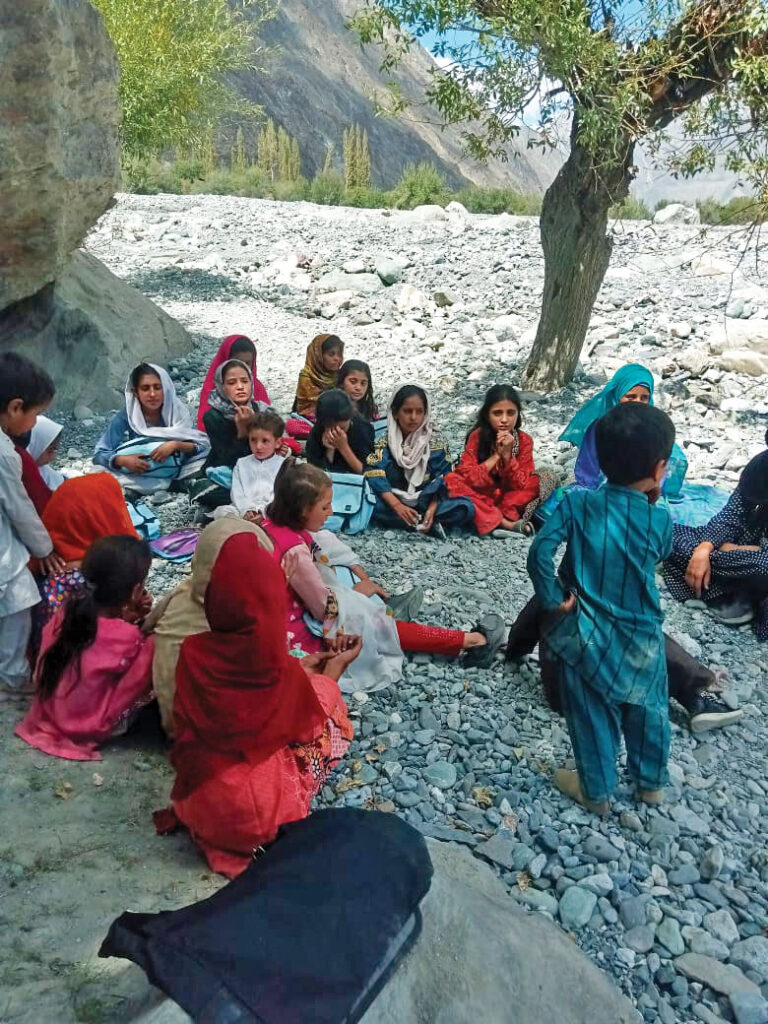
Beyond physical damage, the social impact has been severe. In Asumber, classes have been suspended indefinitely, and temporary arrangements have been made in the ground. Children have lost not only their school but also their daily routine and motivation to study. In Dain, people now have to walk long distances to reach the other side of the valley, crossing unstable footpaths or wading through streams. Elderly residents and women, in particular, face serious difficulties in mobility and access to essential needs. Both incidents have left communities feeling isolated and anxious about the future.

These events highlight the urgent need for resilient planning and construction in Gilgit-Baltistan’s Mountain areas. Architects, engineers, and planners must consider local geography, soil conditions, and climate patterns when designing public buildings and infrastructure. New schools and bridges should be built on stable ground, with deep foundations and proper water drainage systems. Retaining walls, slope protection, and planted vegetation can help slow down runoff and prevent erosion. Local materials such as stone and timber can still be used effectively, but they must be reinforced and treated to withstand moisture and temperature changes.
In rebuilding the Asumber school, there is an opportunity to learn from these mistakes. The new structure should be raised slightly above ground level to avoid direct contact with runoff water, with clear channels around it to divert rainwater safely. Roofs should have proper slopes and drainage pipes to direct water away from walls. Classrooms can be arranged along the contours of the land instead of a single flat block, allowing water to move naturally without accumulating pressure. Similarly, the reconstruction of the Dain suspension bridge should include stronger anchoring, flood-resistant design, and regular maintenance plans. Using improved cables, corrosion-resistant materials, and concrete anchor points could make the bridge safer and longer-lasting.
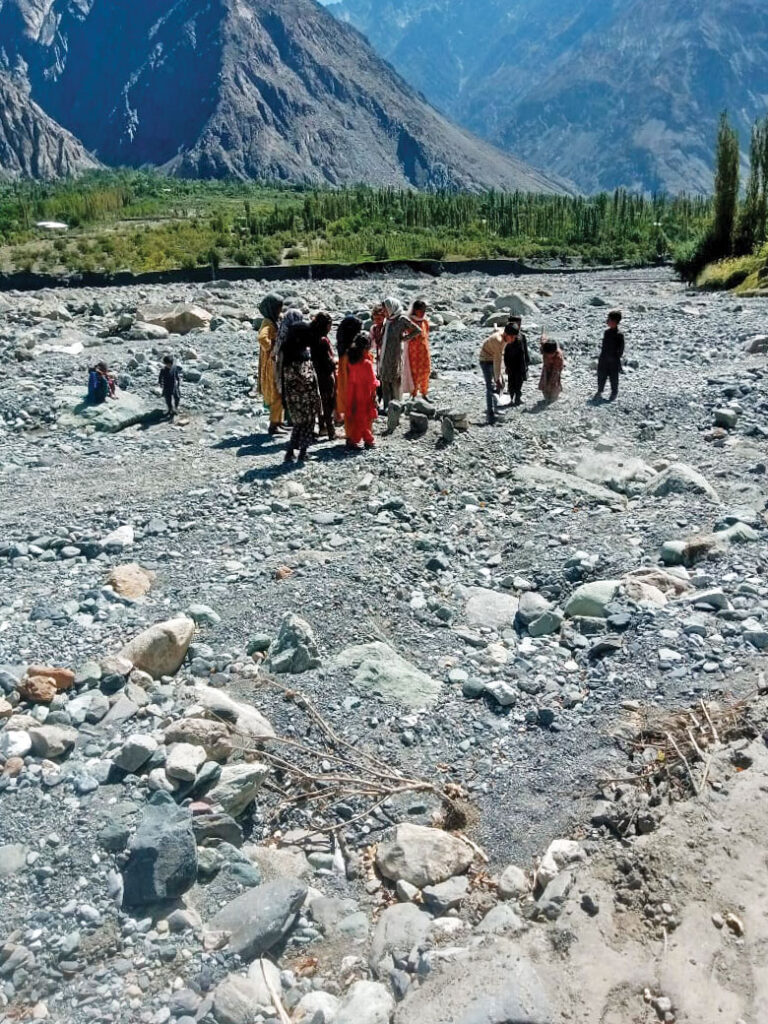
Community participation is equally important. Local residents understand the terrain better than anyone and can help identify risky zones and drainage paths. Involving them in planning and maintenance ensures that preventive measures are sustained over time. Schools can also introduce simple awareness sessions on disaster preparedness, teaching children how to respond during heavy rains or floods and how to stay safe until help arrives.
The cloudburst in Asumber and Dain is a reminder that even well-built structures are not safe without climate-aware design and proper maintenance. The school was new, the bridge was famous, but both failed under the same storm. Their loss represents more than physical destruction; it symbolizes the growing challenge of protecting human life, education, and mobility in the face of changing weather patterns.
As the people of Ishkoman begin to rebuild, there is still hope. The community’s resilience and willingness to start again show their determination to protect what matters most. The new buildings and bridges that rise from these ruins should reflect not only technical strength but also local wisdom and environmental respect. Architecture in these valleys must learn to live with nature – not against it – by understanding the land, water, and climate that shape life here. When the next storm comes, these lessons could mean the difference between loss and survival, between broken connections and lasting resilience.
Humaira Nazir
Postdoctoral Fellow, Institute for Global Health and Development, Aga Khan University, Karachi
Associate Professor (on leave), Sir Syed University of Engineering and Technology


